Category: Playback Picks
-
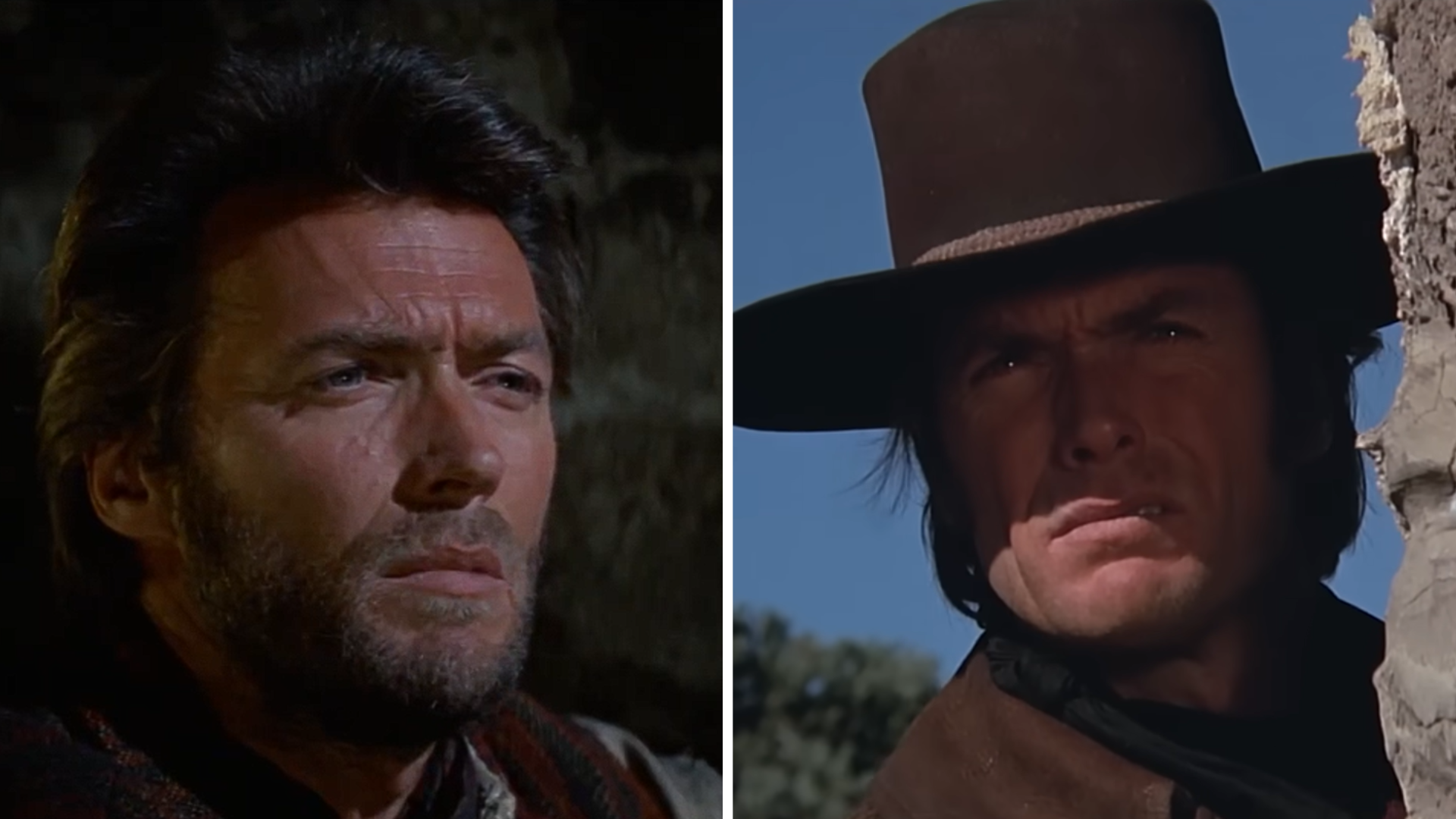
7 Ways Clint Eastwood Reworked His Western Image in the 1970s
By the start of the 1970s, Clint Eastwood already had one of the most recognizable Western personas in movies. Sergio Leone’s Dollars trilogy had made the poker face, sparse dialogue, cool reactions, and solitary gunfighter central to his screen image. Those films established many of the traits audiences would continue to associate with Eastwood. But…
-
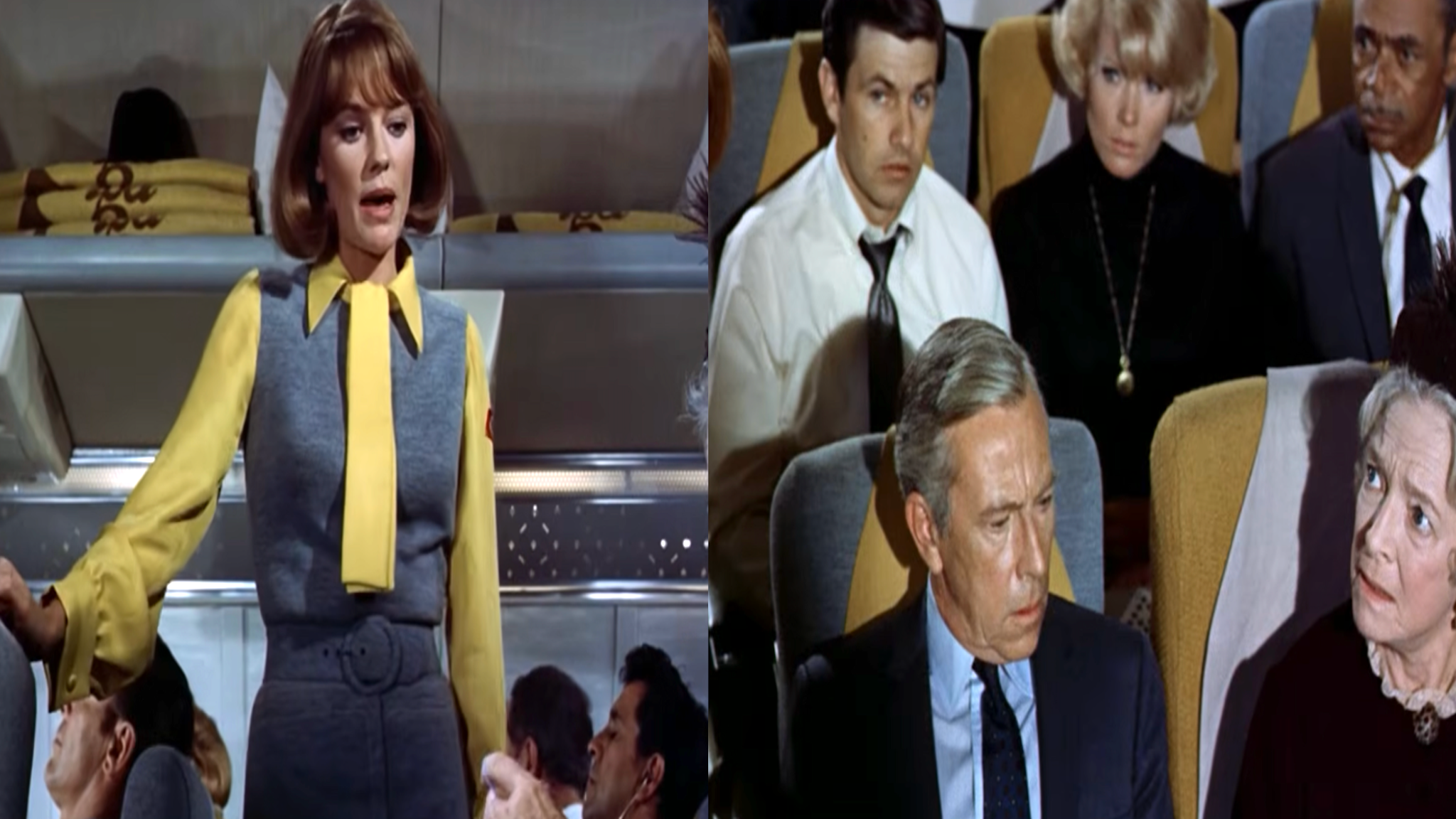
10 Ways These Airport Photos Prove Flying Was Cooler in the ’70s
The 1970 blockbuster Airport didn’t just kick off Hollywood’s disaster movie craze; it preserved the lost world of Golden Age aviation on film. From tailored flight attendant uniforms to spacious Boeing 707 cabins and mechanical terminal boards, these vintage frames capture the unbeatable glamor of commercial flying in the late 1960s and early 1970s. 1.…
-
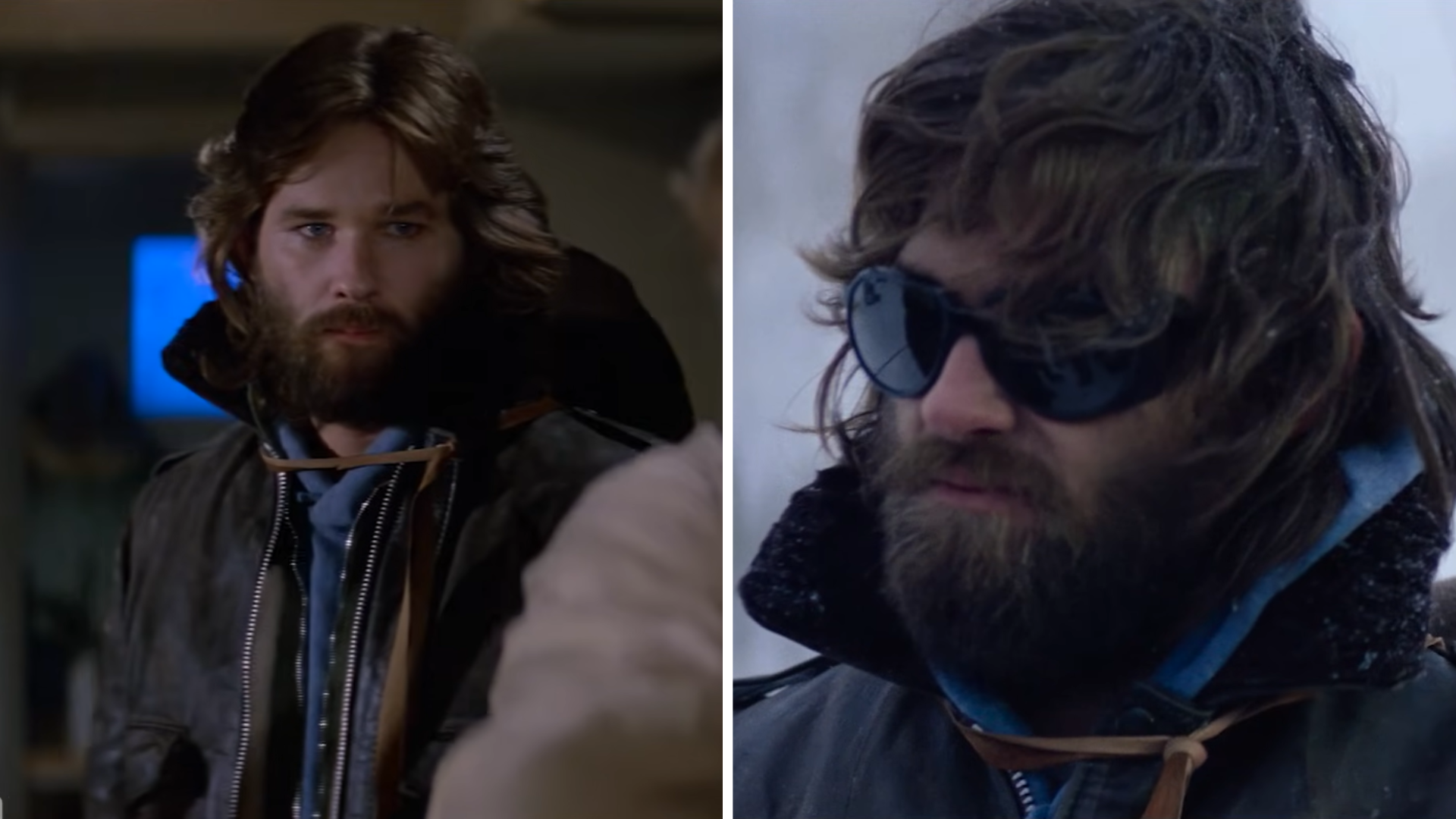
10 Ways The Thing Turns Suspicion Into Total Paranoia
By the middle of The Thing (1982), the men at Outpost 31 already know they are dealing with something that can imitate another living being. What they still lack is a reliable way to tell who is human, and John Carpenter spends this stretch of the movie steadily taking away every source of security they…
-
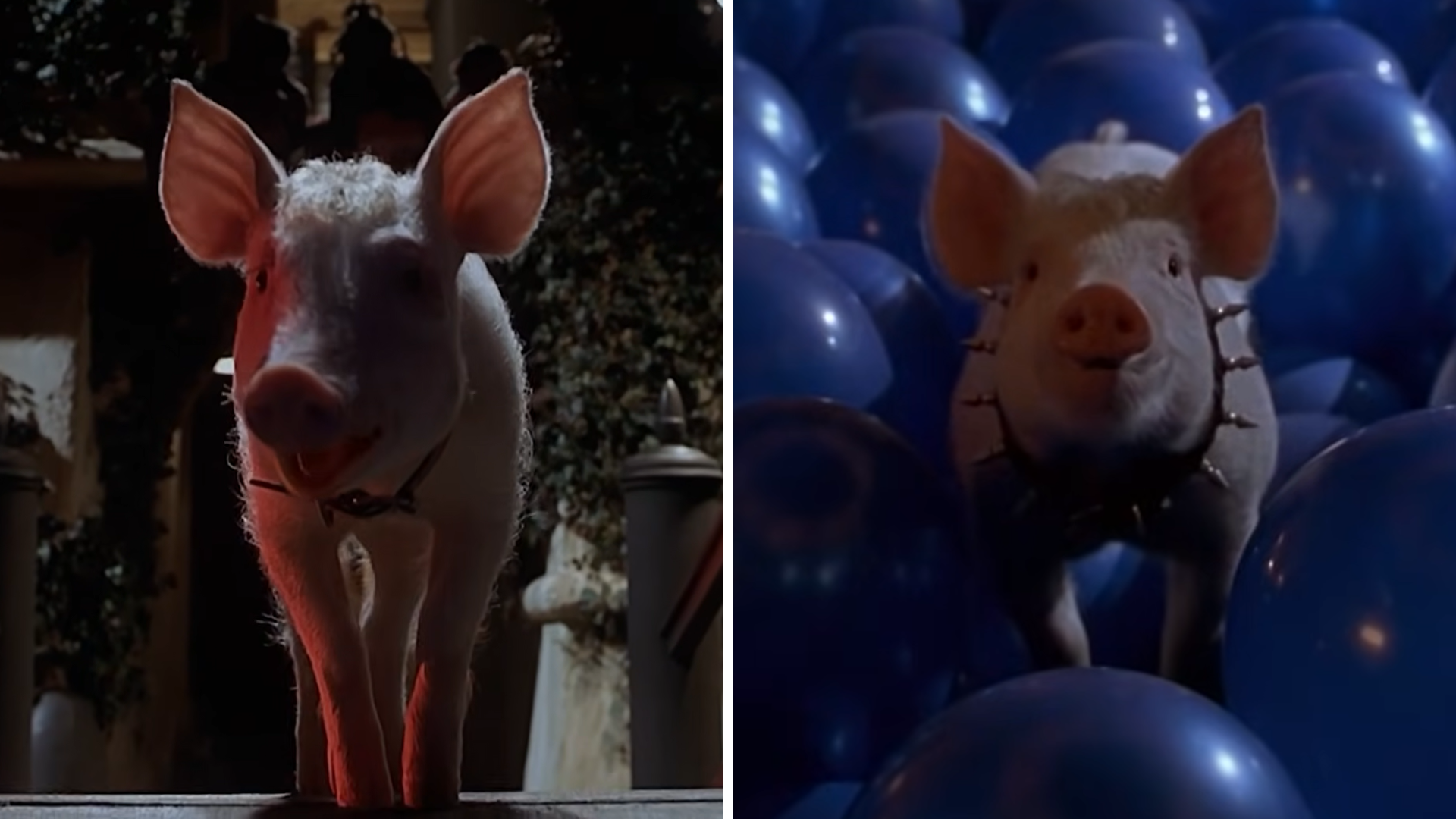
10 Tricks Behind Babe: Pig in the City’s Wildest Scenes
Babe: Pig in the City (1998) takes the gentle hero of the first movie and surrounds him with a much more complicated filmmaking challenge. George Miller’s sequel fills its strange metropolis with dogs, cats, primates, birds, and pigs, then sends them through pursuits, crowded interiors, and elaborate physical comedy. Much of what looks chaotic on…
-
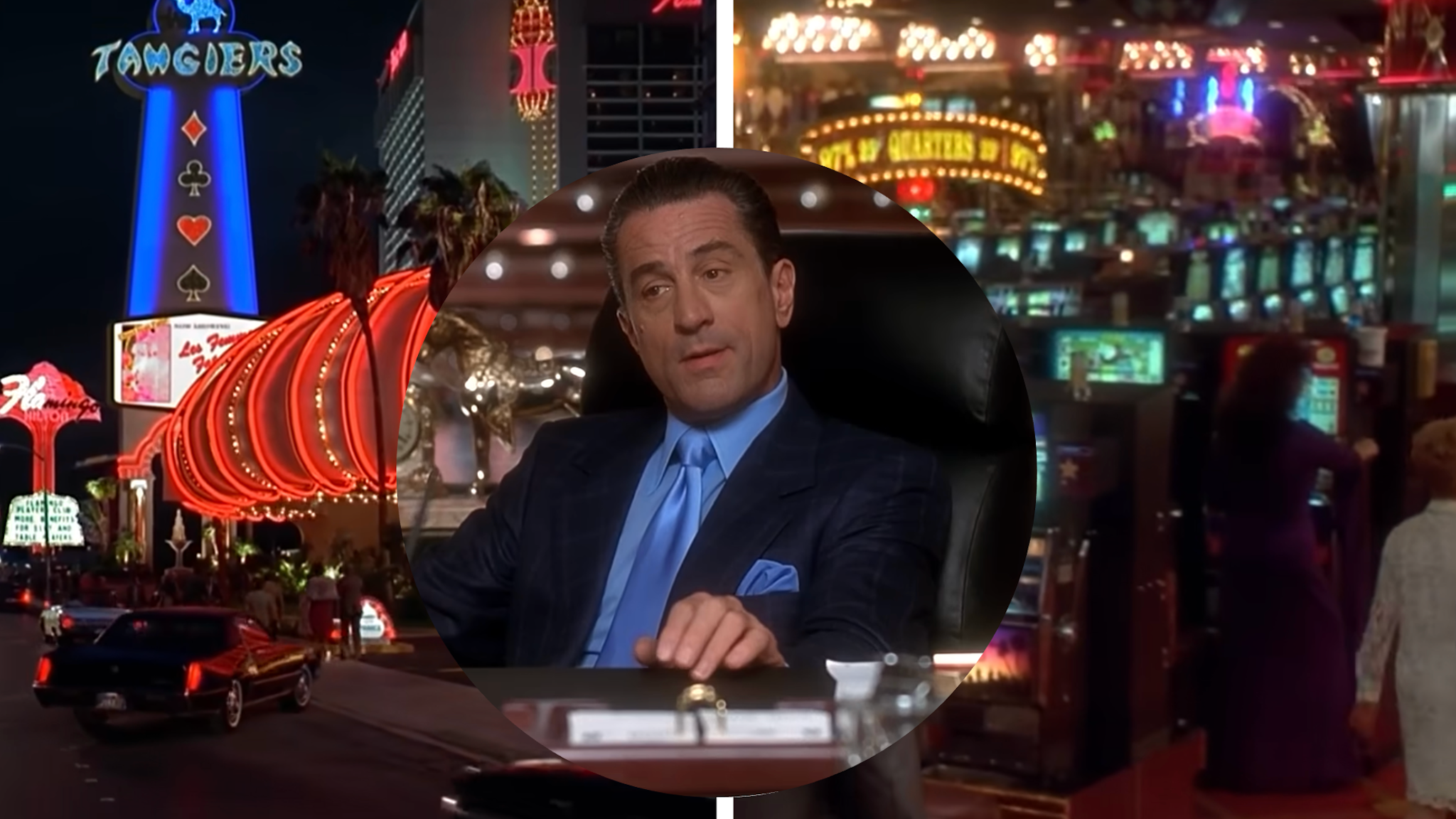
7 Ways Casino Revealed the Terrifying Mob Control in Vegas
When Martin Scorsese released Casino in 1995, audiences expected a flashy follow-up to Goodfellas. What they got instead was an icy, meticulous autopsy of the American dream gone wrong. Based on Nicholas Pileggi’s non-fiction book, the film went far beyond standard Hollywood sensationalism to deliver an unfiltered look at how organized crime operated in Las…
-
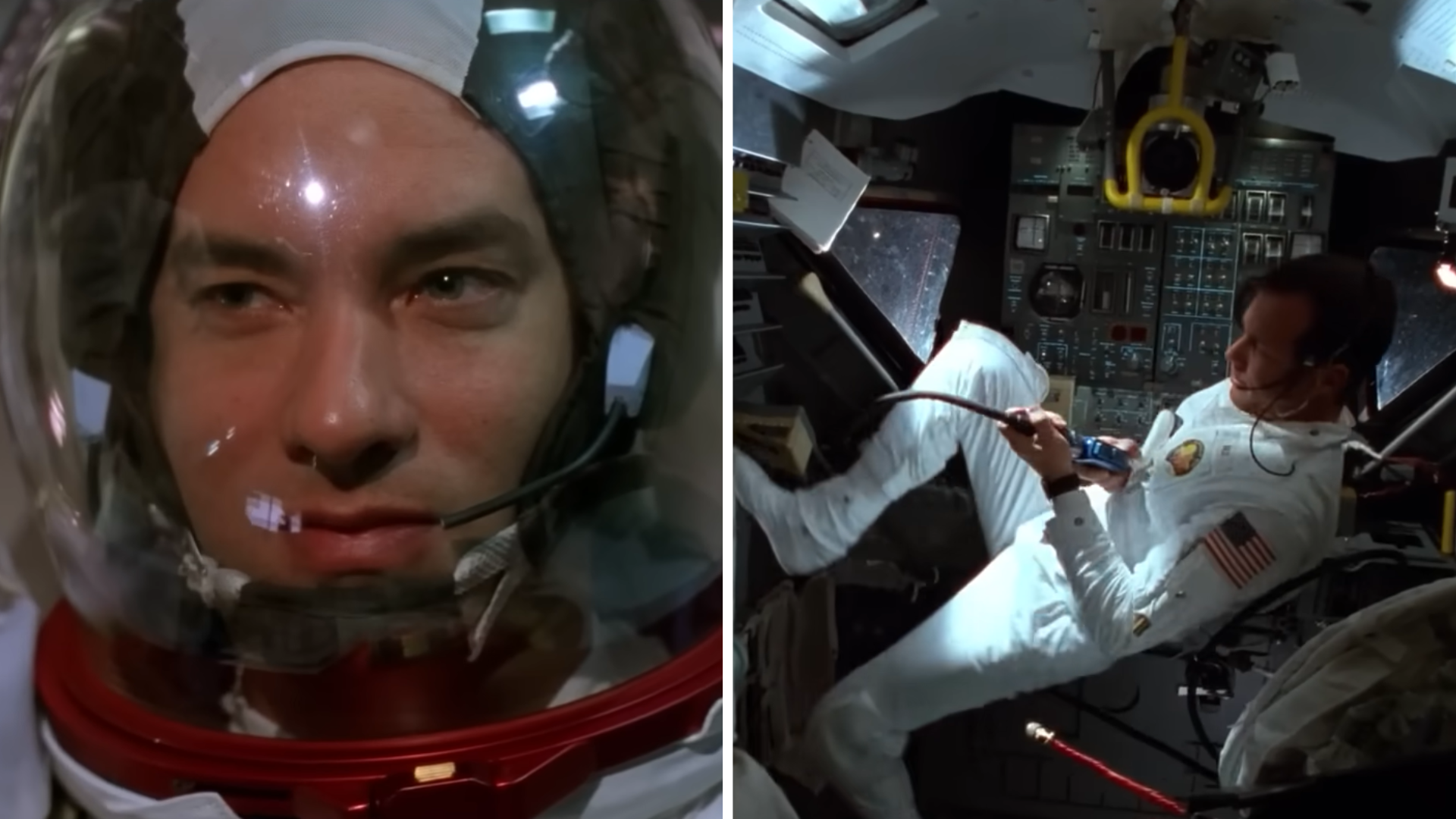
10 Tricks Behind Apollo 13’s Most Realistic Space Scenes
Ron Howard wanted Apollo 13 (1995) to feel less like a Hollywood version of the space program and more like something audiences might have watched unfold in 1970. That meant recreating everything from the crowded spacecraft interiors to Mission Control with unusual attention to detail, often with help from the people who had actually worked…
-
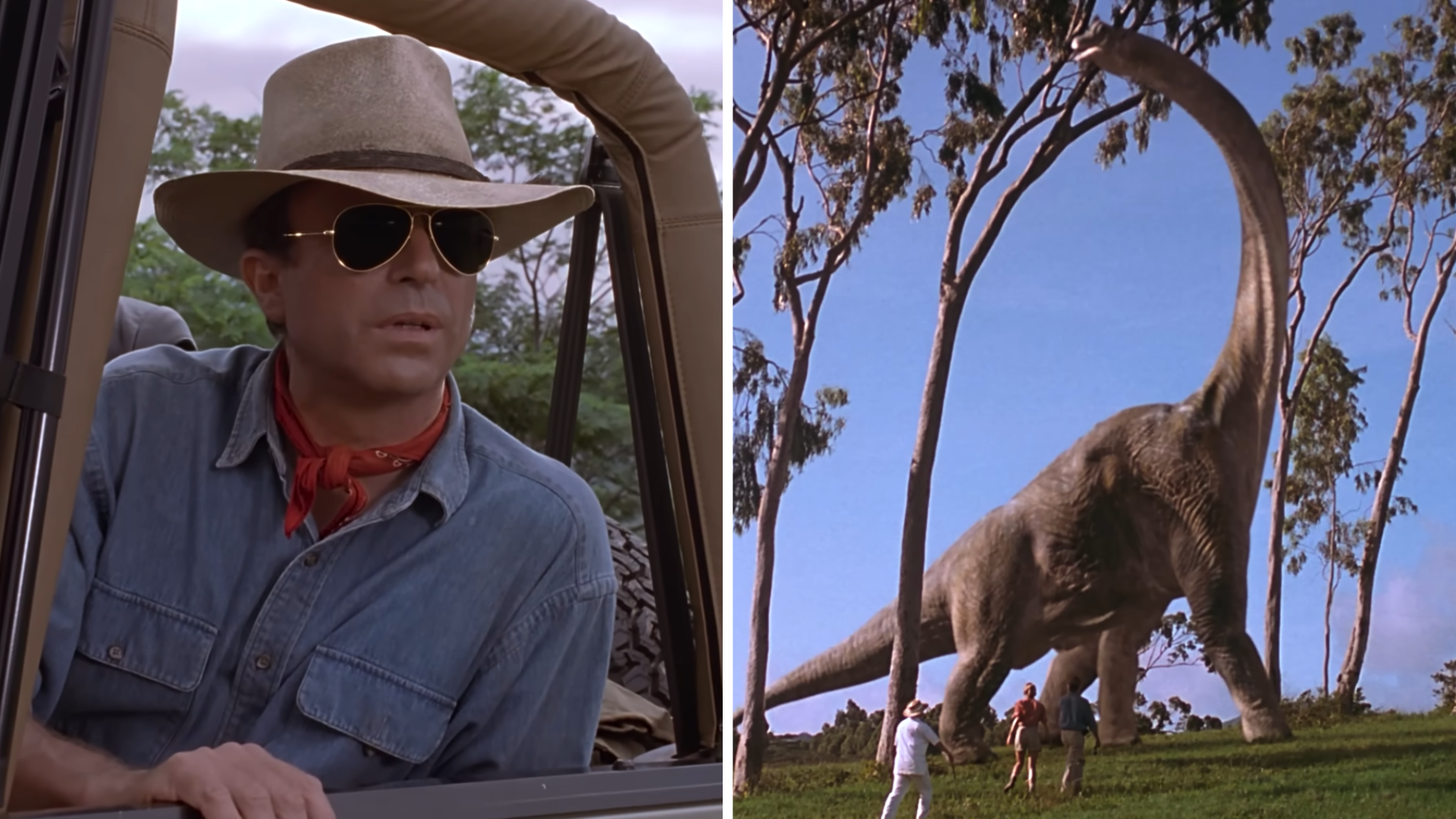
10 Secrets Behind Jurassic Park’s First Dinosaur Reveal
The first dinosaur reveal in Jurassic Park (1993) lasts only a few minutes, but Steven Spielberg makes the audience wait for it. Alan Grant notices something outside the Jeep, removes his glasses, and turns Ellie Sattler toward it before we are finally allowed to see the Brachiosaurus towering over the landscape. Behind that reaction was…
-
8 Signs Someone Is Rich Using The Flintstones As An Example
Released in 1994, the live-action adaptation of The Flintstones was directed by Brian Levant and produced by Steven Spielberg through his production company, Amblin Entertainment. Starring John Goodman as Fred Flintstone alongside Rick Moranis, Elizabeth Perkins, and Rosie O’Donnell, the movie brought the beloved cartoon family into a realistic prehistoric world. The story kicks off…
-
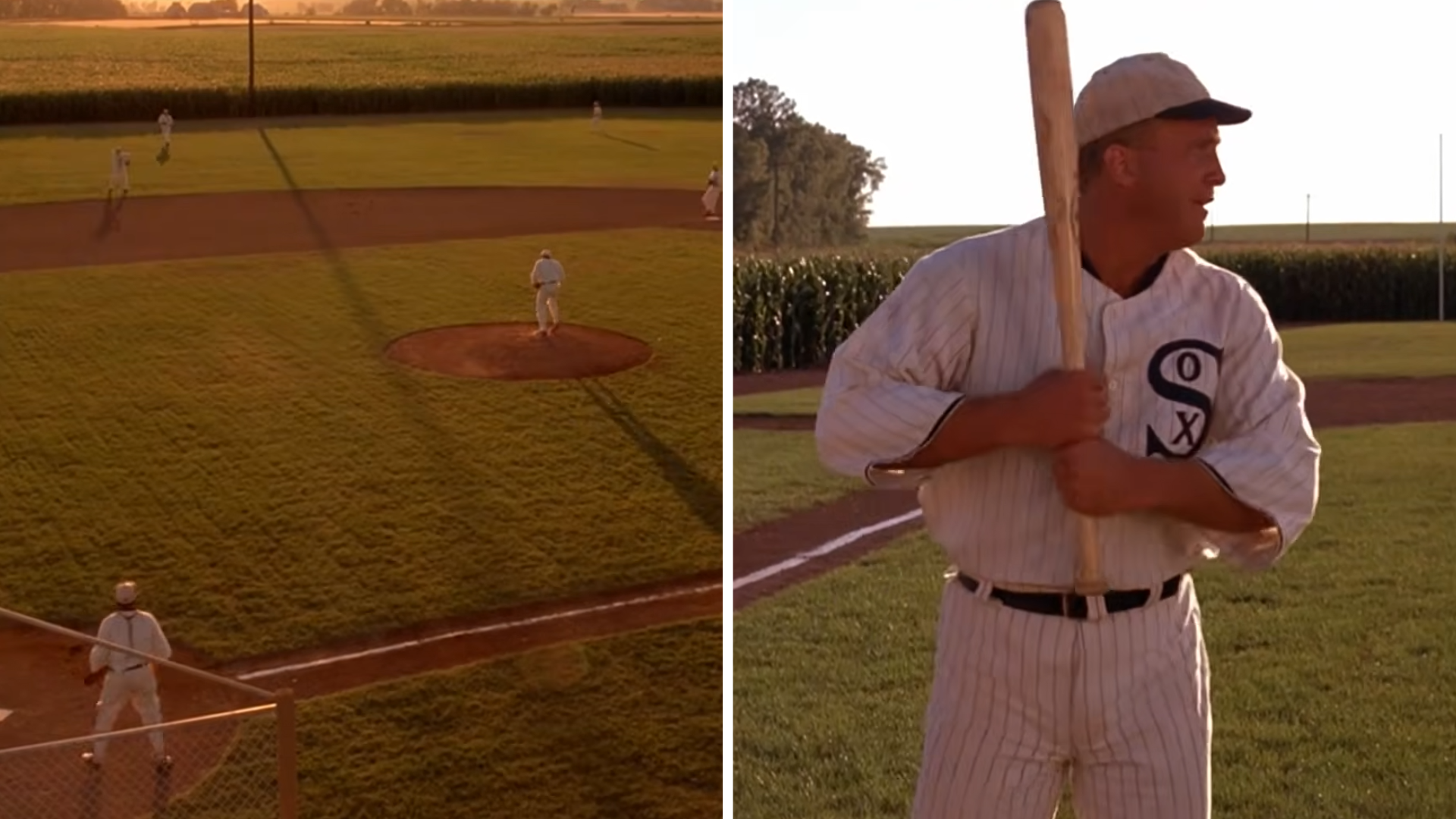
10 Details That Make Field of Dreams Feel Like Baseball’s Past
Field of Dreams (1989) does not recreate one single era of baseball. Its Iowa field becomes a meeting place for several of them, from Shoeless Joe Jackson and the 1919 White Sox to Moonlight Graham’s brief major-league career in 1905 and the memories Ray Kinsella carries from playing catch with his father. The setting helps…
-
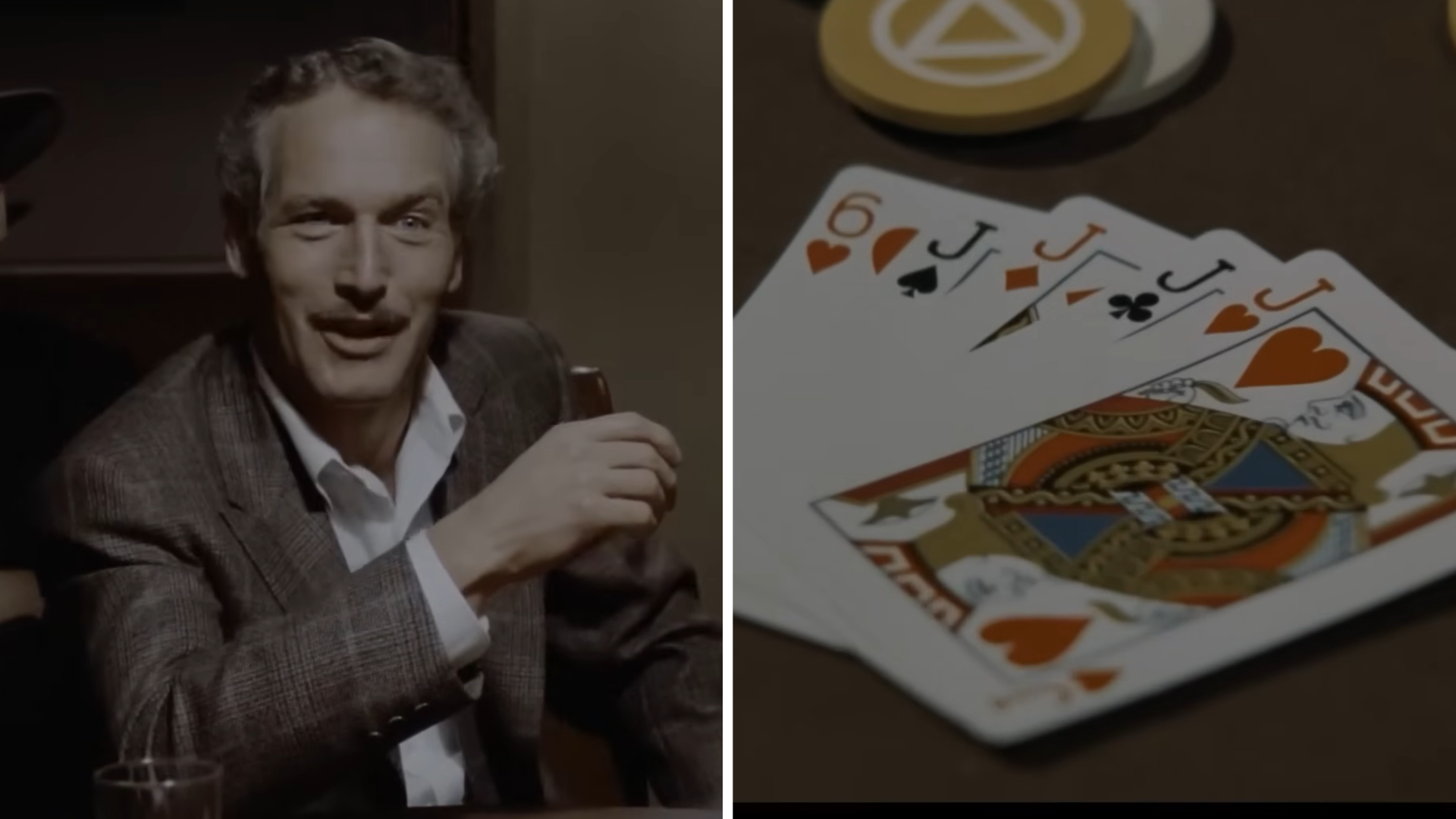
10 Secrets Behind Paul Newman’s Poker Game in The Sting
The poker game in The Sting (1973) looks like a battle between two men who both think they can cheat better than the other. Henry Gondorff enters Doyle Lonnegan’s private game disguised as “Shaw,” a loud Chicago bookmaker who drinks too much, ignores the dress code and seems to enjoy irritating everyone at the table.…