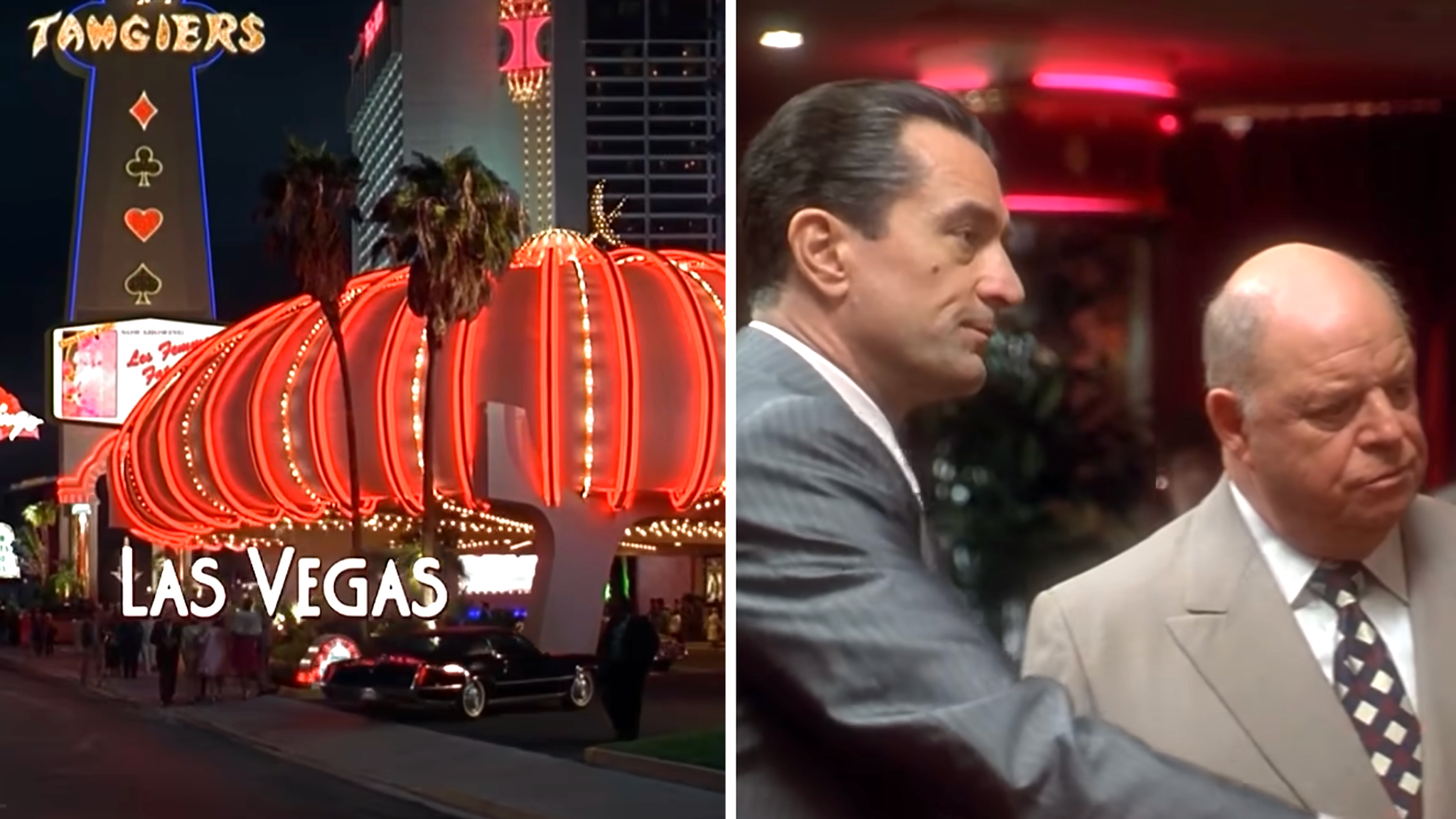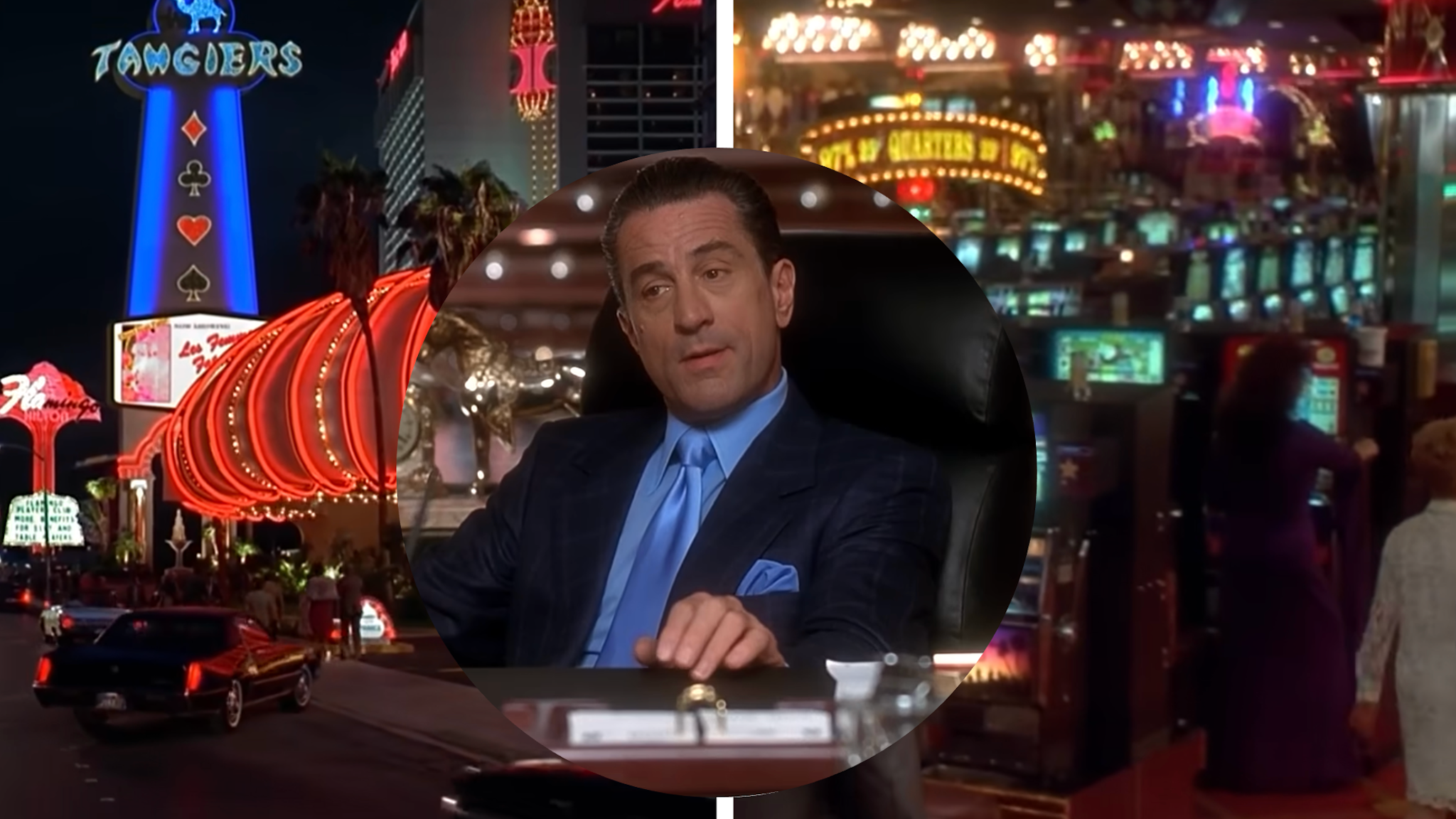
When Martin Scorsese released Casino in 1995, audiences expected a flashy follow-up to Goodfellas. What they got instead was an icy, meticulous autopsy of the American dream gone wrong. Based on Nicholas Pileggi’s non-fiction book, the film went far beyond standard Hollywood sensationalism to deliver an unfiltered look at how organized crime operated in Las Vegas during its golden, lawless era in the 1970s and 1980s.
Behind the dazzling neon lights, velvet ropes, and endless streams of free champagne lay a brutal, cold-blooded machine designed to siphon millions of dollars straight into the pockets of Midwestern mob bosses. By blending documentary-style voiceovers with terrifyingly authentic violence, Scorsese mapped out the exact mechanics of how a handful of criminals built a desert paradise only to destroy it with their own greed and paranoia. Here are 7 ways Casino exposed the terrifying true story of how the mob ran Sin City!
1. The Lead Characters Were Direct Stand-Ins for Real Mob Legends
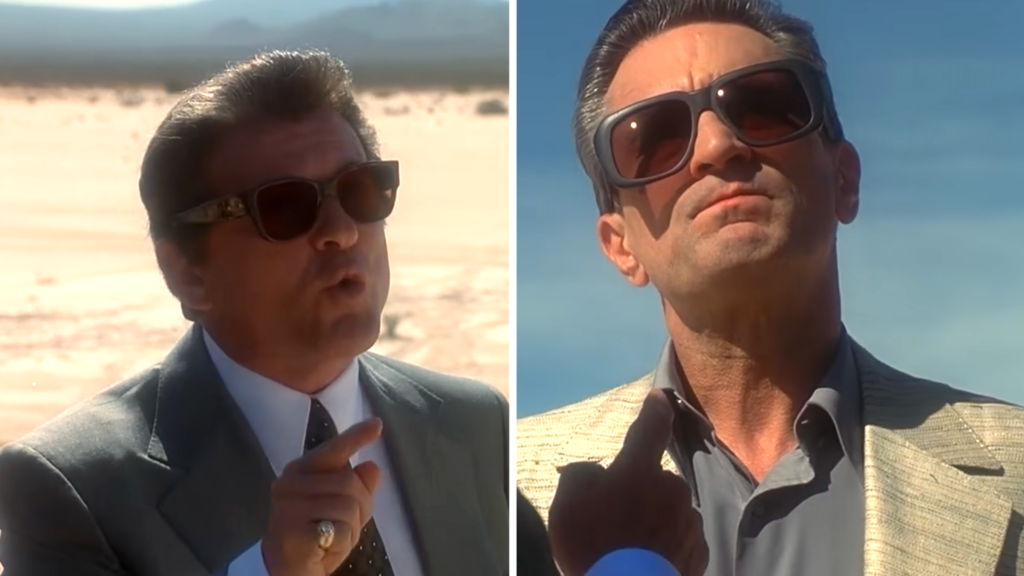
While the names were changed for legal reasons, every major character in Casino was based on a real-life figure who ruled Las Vegas with an iron fist. Robert De Niro’s character, Sam “Ace” Rothstein, was directly modeled after Frank “Lefty” Rosenthal, a brilliant sports handicapper and mob associate who secretly ran four major casinos without a gaming license. Meanwhile, Joe Pesci’s volatile enforcer Nicky Santoro was based on Tony Spilotro, an infamous Chicago Outfit hitman whose hyper-violent antics eventually brought down the entire operation. By grounding the narrative in these real-world figures, the film showed how thin the line was between legitimate business and underworld muscle.
2. The Skim Showed the Exact Mechanics of Underworld Banking
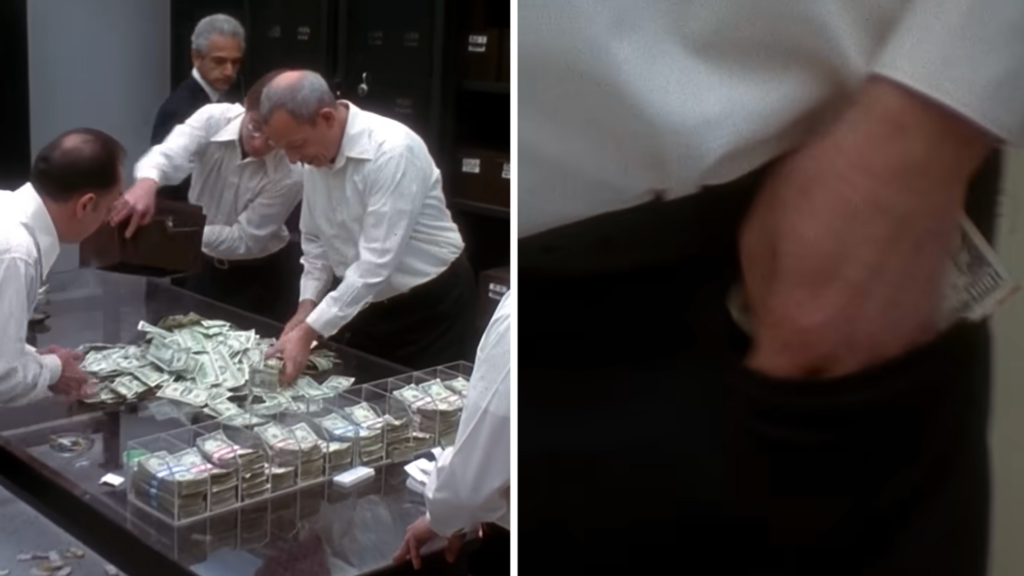
The heart of the film’s crime operation is “the skim”—the systematic theft of untaxed cash before it could be counted and reported to government regulators. Casino vividly mapped out how millions of dollars were funneled out of the Tangier (a stand-in for the real-life Stardust Casino) directly to mob bosses in Chicago, Kansas City, Milwaukee, and Cleveland. Countless couriers in suit jackets walked straight into the casino’s secure counting room, stuffed uncounted stacks of hundred-dollar bills into leather suitcases, and quietly delivered them across state lines. It revealed that organized crime wasn’t just committing petty robberies; they were running a multi-million-dollar shadow economy.
3. The FBI Recreated Real Wiretaps and Authentic Mob Surveillance
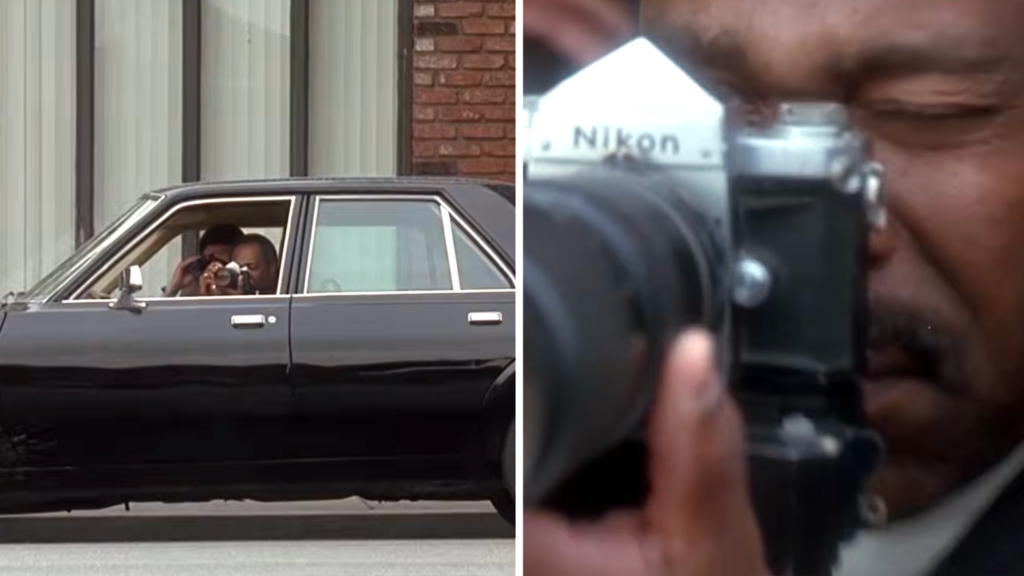
To ensure the film felt authentically terrifying, screenwriter Nicholas Pileggi incorporated real court transcripts and FBI wiretap recordings directly into the dialogue. The constant, suffocating paranoia experienced by Ace and Nicky was not an exaggeration; the federal government was actively bugging private homes, neighborhood grocery stores, and mob-frequented pizza parlors across the country. In one infamous scene, mob bosses talk in vague code while standing next to a loud air conditioner to block listening devices. This relentless surveillance highlights how federal law enforcement slowly tightened the noose around the mob’s empire until its inevitable collapse.
4. Actual Mobsters and Real Authorities Were Cast to Ensure Authenticity
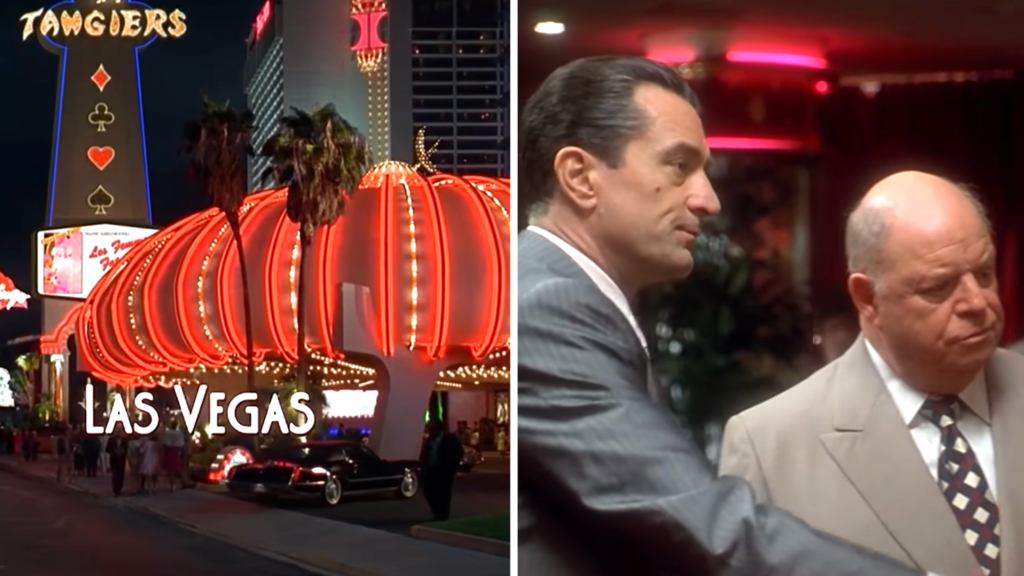
Martin Scorsese went to extraordinary lengths to capture the authentic atmosphere of 1970s Las Vegas, going so far as to hire former mob associates, real casino pit bosses, and actual law enforcement officers as extras and advisors. Frank Cullotta, a real-life lieutenant in Tony Spilotro’s “Hole in the Wall Gang,” served as a technical consultant and even made an on-screen appearance as a hitman performing an execution. Furthermore, the judge who denied Frank Rosenthal his gaming license in real life played himself in the movie. This blurring of reality gave the film a cold, almost documentary-like authenticity that heightened its tension.
5. Sharon Stone’s Ginger Reflected the Tragic Reality of Mob Wives
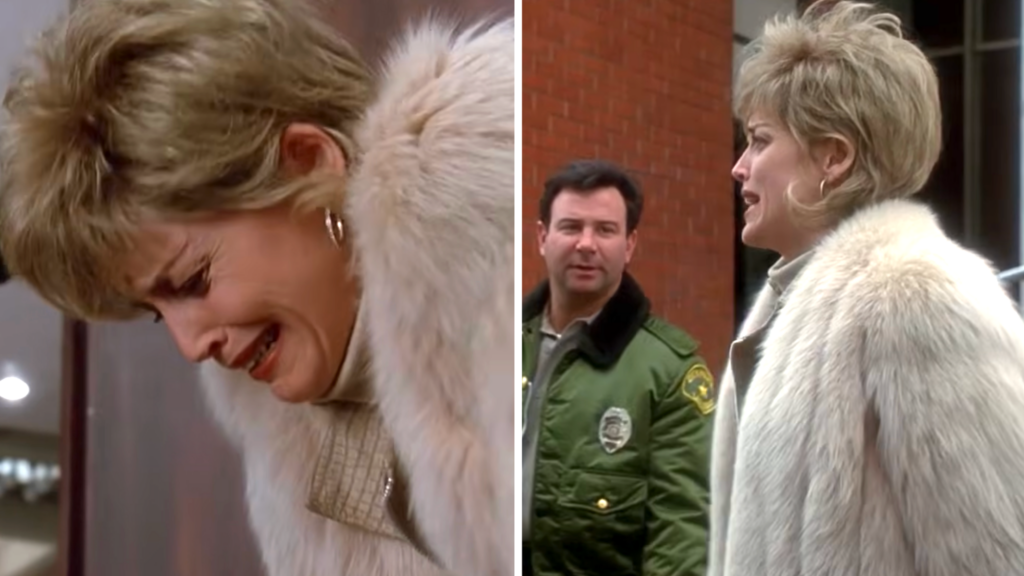
Sharon Stone gave a career-defining, Oscar-nominated performance as Ginger McKenna, a character based on real-life Las Vegas showgirl and socialite Geraldine McGee. Far from being a romanticized mob trophy wife, Ginger’s descent into severe drug addiction, alcoholism, and psychological breakdown exposed the dark, toxic reality of living inside the mob’s golden cage. Her volatile relationship with Ace Rothstein proved that unlimited money and physical luxury could not buy peace or security, showing how the rampant greed and violence surrounding the casino industry destroyed every human soul in its orbit.
6. The Horrific Cornfield Scene Recreated a Real Historical Murder
The climax of Casino features one of the most agonizing and brutal death scenes in cinematic history: Nicky Santoro and his brother Dominick are lured out to an isolated Indiana cornfield, stripped down, brutally beaten with baseball bats, and buried alive in a shallow grave. This horrifying sequence was a nearly frame-for-frame historical recreation of how Tony Spilotro and his brother Michael were murdered in 1986. The Chicago Outfit considered them a major liability due to their reckless violence and excessive media attention, proving that in the world of organized crime, loyalty meant nothing when profits were threatened.
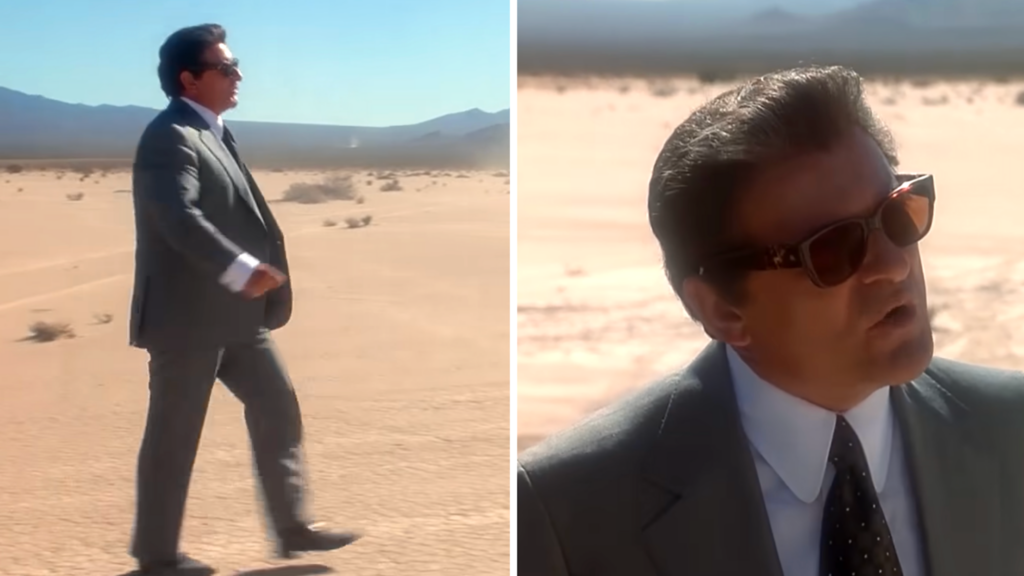
7. Corporate Mega-Resorts Replaced Organized Crime with Cold Efficiency
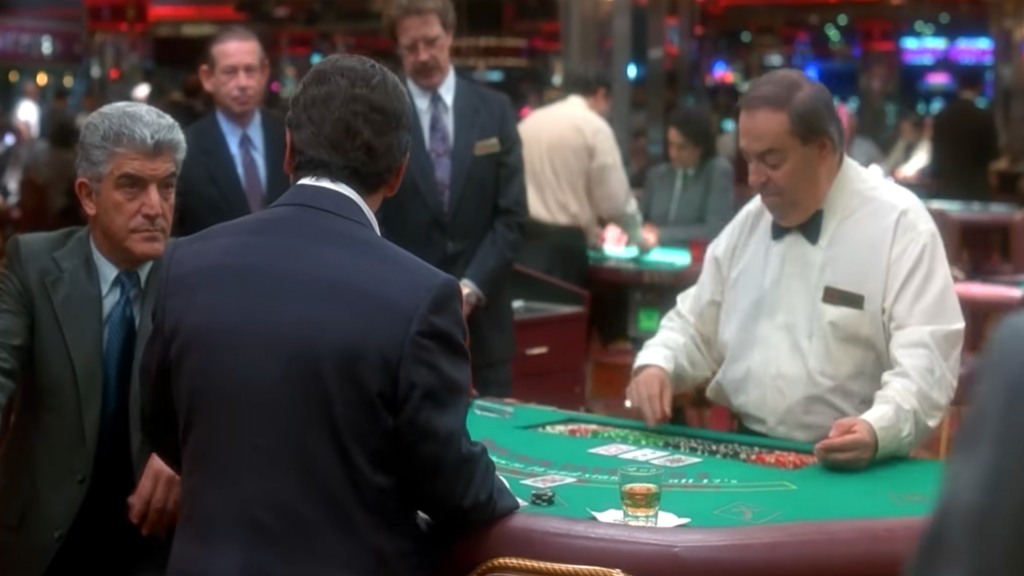
The final voiceover of the film delivers a sobering conclusion about the evolution of Las Vegas. As the mob bosses were indicted, murdered, or imprisoned, the era of old-school mobsters running Sin City came to a definitive end. However, the film notes that the suit-and-tie corporate boardrooms that took over were not necessarily more moral—just better at extracting money legally. Old, iconic casinos like the Sands and the Stardust were imploded to make way for massive, family-friendly mega-resorts owned by Wall Street corporations, proving that the mob built the blueprint for a city that eventually outgrew them.