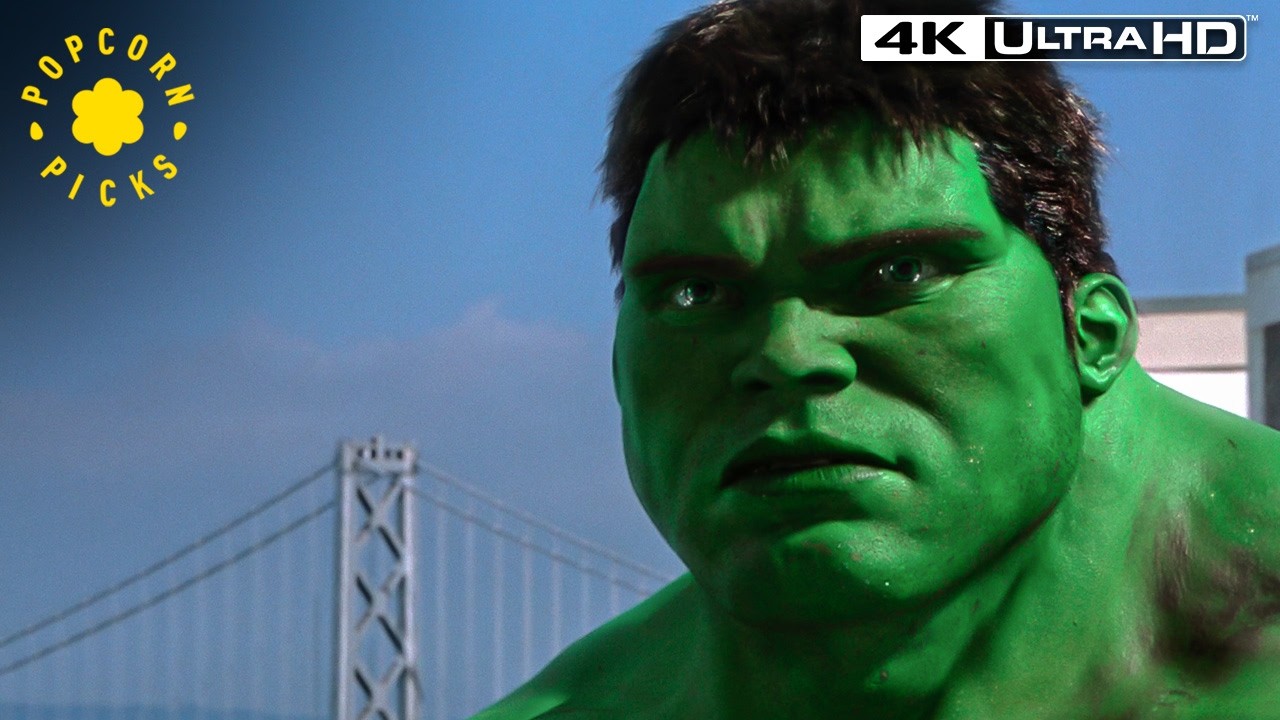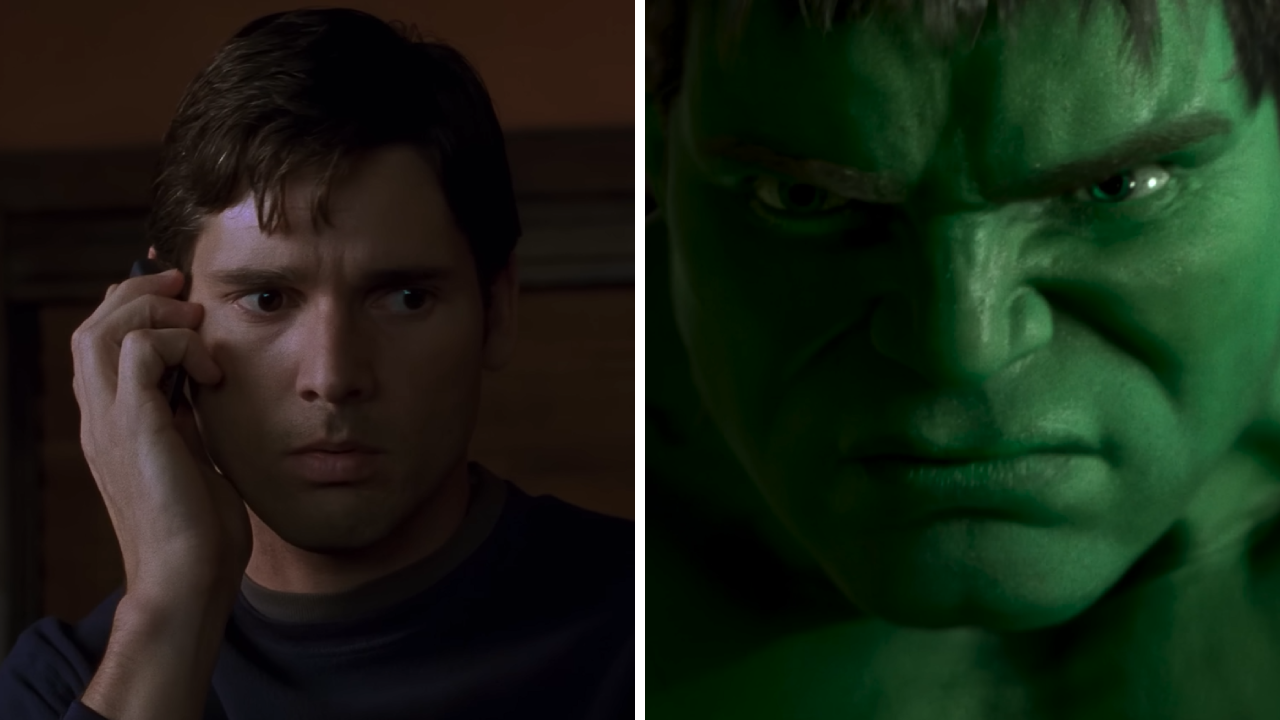
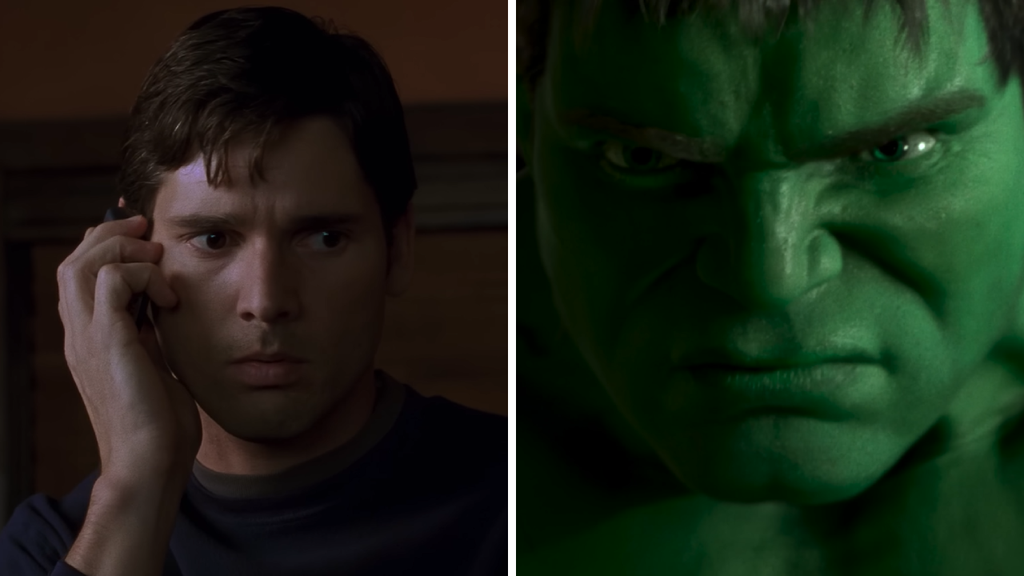
Ang Lee’s Hulk arrived in 2003, when turning a human actor into a 15-foot green superhero was still a pretty unusual visual-effects challenge. The transformation couldn’t simply cut from Eric Bana to a finished digital character. Lee wanted viewers to actually watch Bruce Banner change.
Industrial Light & Magic ended up building the effect from the inside out, creating multiple Hulk models, a digital Bana, and an unusually detailed system for muscles and skin. Some of the strangest solutions were happening in places viewers would have no reason to notice.
1. They tried transforming Eric Bana practically first
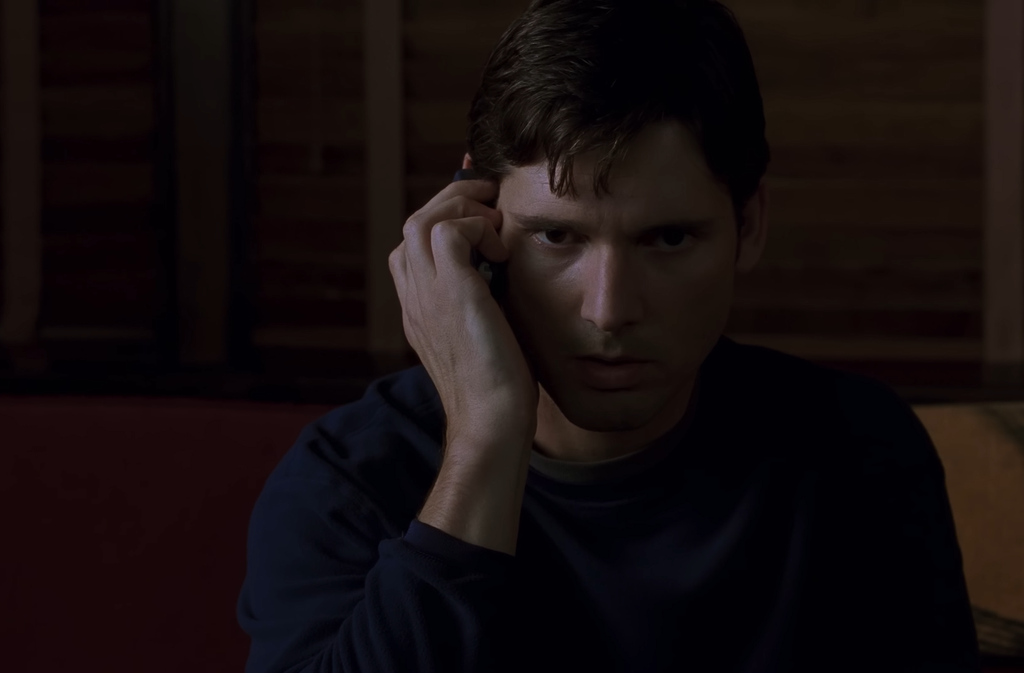
Before committing to a digital Hulk, Lee said the production experimented with animatronic arms, mechanical prosthetics, and even painting Bana green. None gave him the character he wanted, so Hulk became a fully computer-generated creation. Bana still provided movement and facial reference during visits to ILM, giving the effects artists a connection between Bruce and the character replacing him on screen.
2. ILM built a digital Eric Bana too
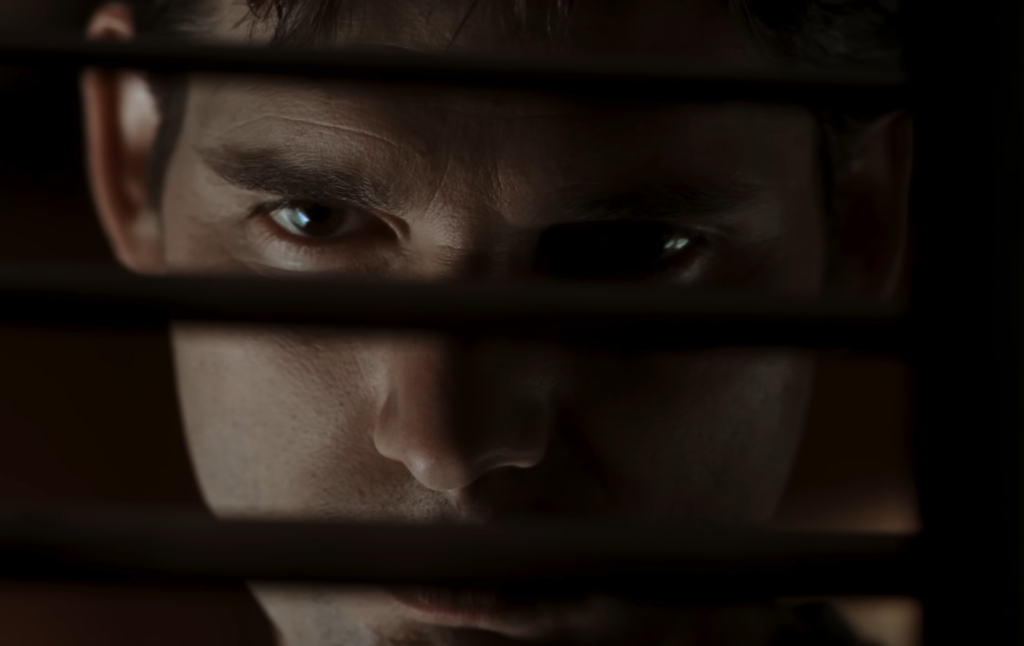
The transformation did not simply swap a live-action actor for a completely separate Hulk model. ILM created a digital double of Bana that could be blended into the changing character, allowing Bruce’s proportions and appearance to evolve gradually. The art department also produced thousands of drawings and reference images exploring how Bana should transition into Hulk, right down to his face, hair, clothes, and changing proportions.
3. Hulk came in three different sizes
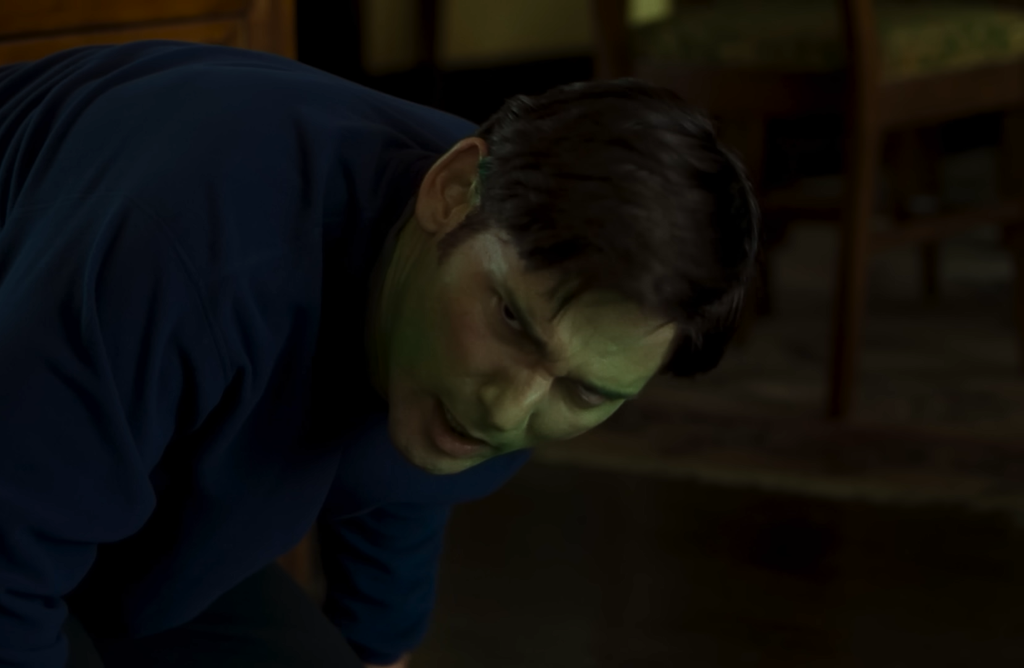
Hulk literally gets bigger as his emotions intensify, so ILM created separate versions measuring roughly 9, 12, and 15 feet tall. During a transformation, the software could blend from the digital Bana into one Hulk model and then between the different Hulk sizes. That gave the growth an internal structure instead of simply taking one finished character and scaling him up on screen.
4. Each shoulder needed 42 different shapes
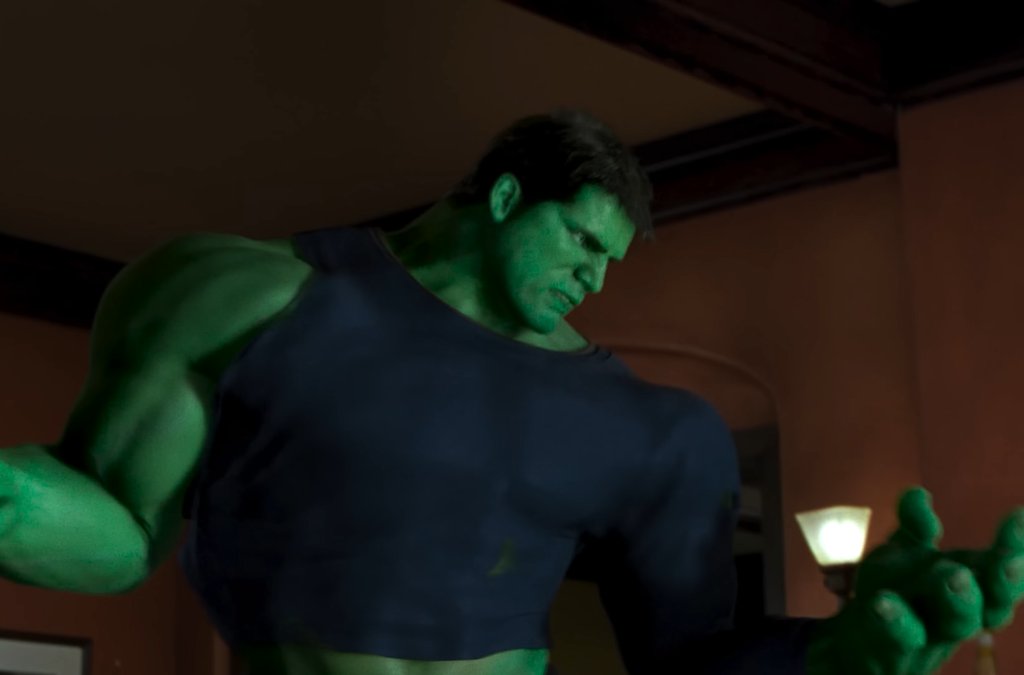
One of the hardest parts was making Hulk’s growing muscles respond naturally as his pose changed. ILM sculpted different shapes that could automatically blend according to the position of each joint. Some areas needed only a couple, but each shoulder required 42 separate sculpted poses. Those shapes also helped drive the transformation itself as Bruce’s smaller frame expanded into Hulk’s much larger one.
5. His skin was designed to flow from Banner into Hulk
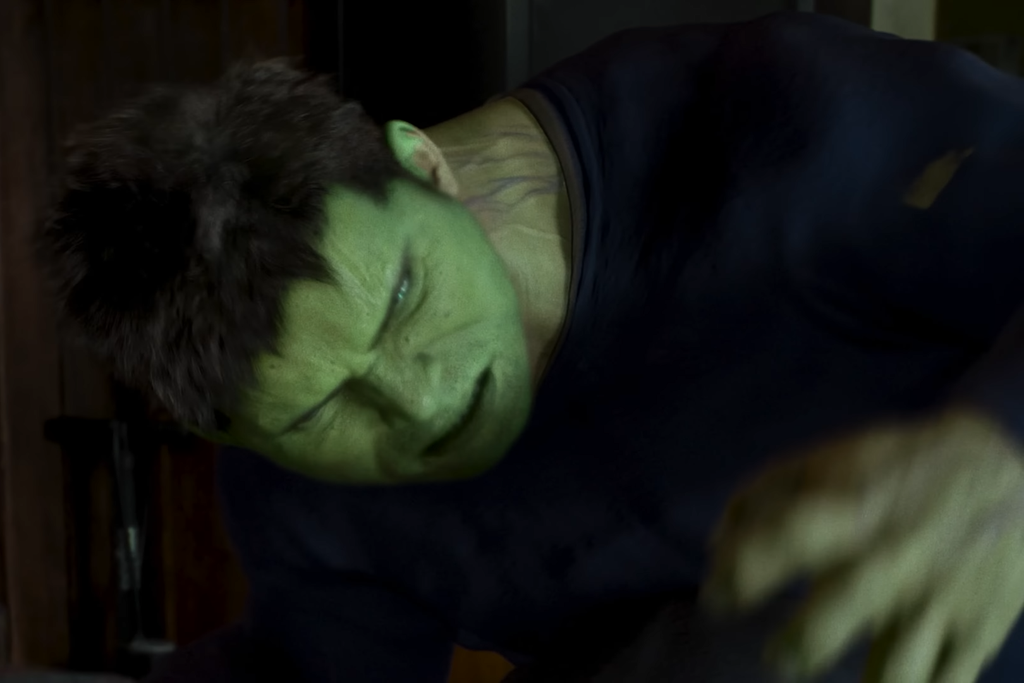
ILM wanted the change to feel as though it was happening beneath Bruce’s surface rather than looking like one image dissolving into another. The effects system calculated how much of every point should resemble Banner and how much should resemble Hulk, then mixed the appropriate textures together. Artists even added a specially designed “riverbed” texture to suggest something shifting underneath. As one ILM supervisor put it, they wanted Hulk to flow into Banner rather than simply fade between the two.
6. Hulk’s face contained thousands of tiny digital details
Making Hulk green was the easy part compared with keeping him from looking like smooth plastic. ILM created pores, wrinkles, translucency, stubble, tiny hairs, and numerous surface variations using thousands of texture maps and custom shaders. The work became incredibly specific: just the area around Hulk’s left cheek was painted at a resolution of 1024 by 2048 pixels because his face would eventually fill a movie-theater screen.
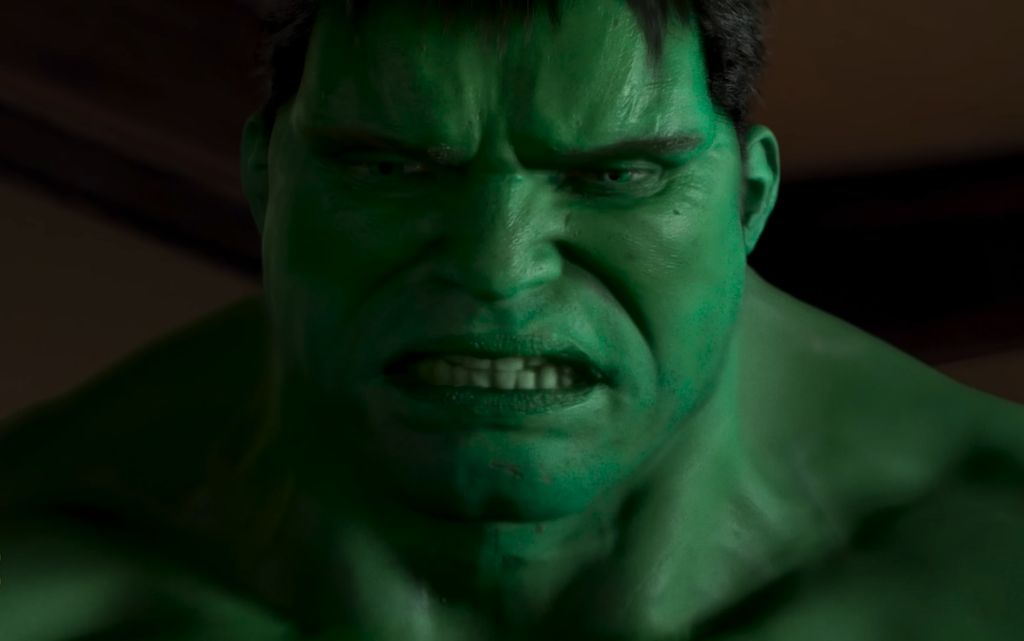
7. Ang Lee performed Hulk’s transformation himself
Lee did much more than tell the animators what Hulk should do. He regularly acted out movements as reference and sometimes wore a motion-capture suit himself. ILM estimated that roughly a quarter to a third of Hulk’s performance incorporated Lee’s motion-capture material, and the shot of Hulk emerging from the immersion tank specifically began with data captured from Lee acting out the character’s frustrated reaction. The director was essentially performing his digital star from behind the camera.