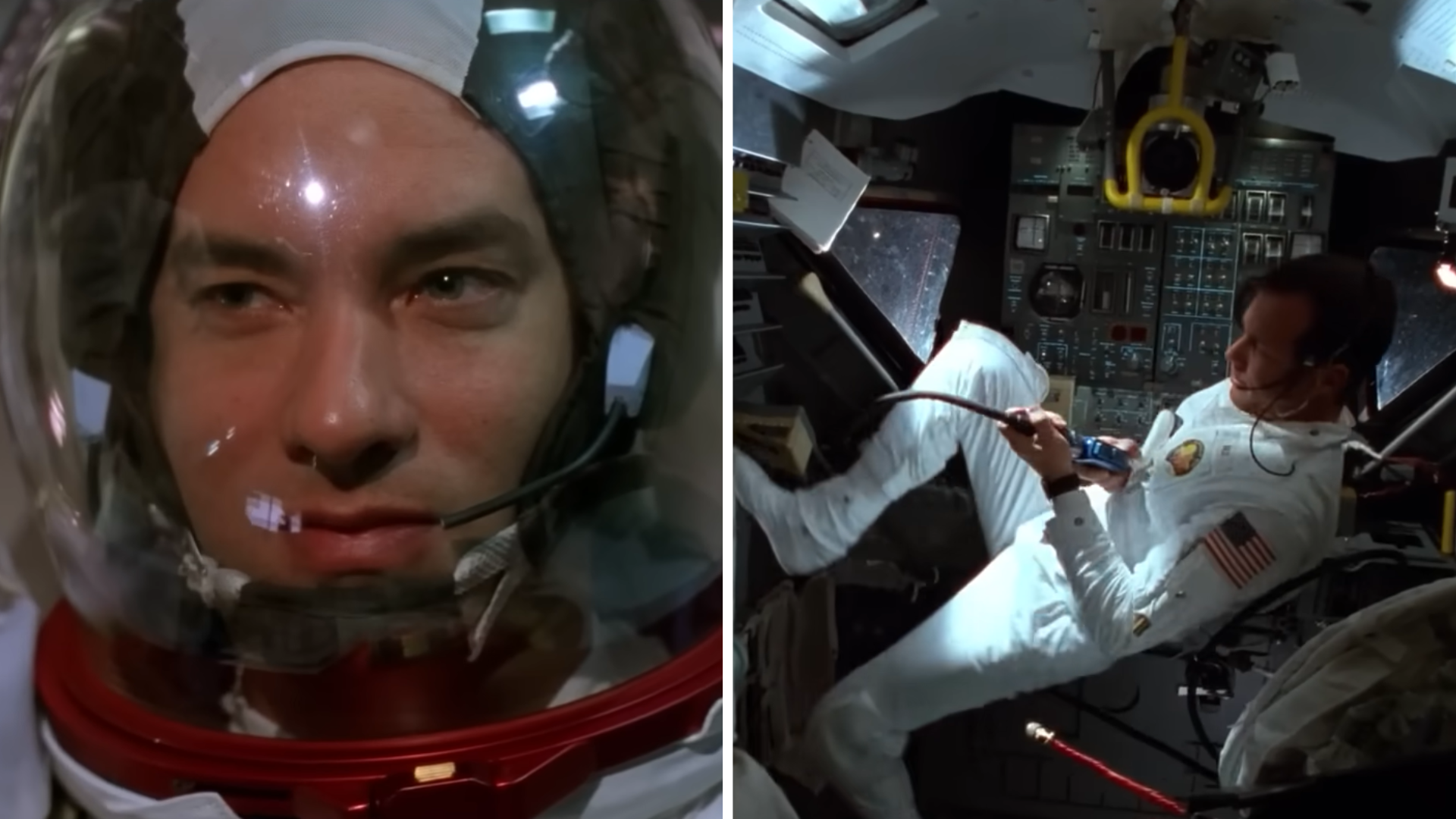
Ron Howard wanted Apollo 13 (1995) to feel less like a Hollywood version of the space program and more like something audiences might have watched unfold in 1970. That meant recreating everything from the crowded spacecraft interiors to Mission Control with unusual attention to detail, often with help from the people who had actually worked on Apollo missions.
The production also found some surprisingly physical solutions. Tom Hanks, Kevin Bacon, and Bill Paxton experienced genuine weightlessness, the capsule set was chilled for the later crisis scenes, and the Saturn V launch that looks remarkably like period NASA footage was actually created specifically for the movie.
1. The actors really experienced weightlessness
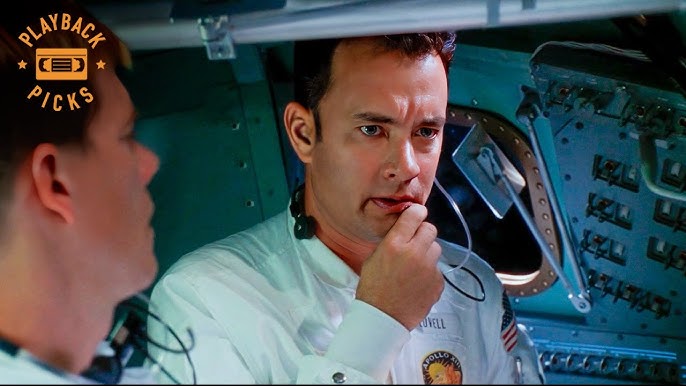
Howard initially experimented with suspending the actors on wires, but the approach restricted their movement and risked putting visible wires in the frame. Steven Spielberg suggested looking into NASA’s reduced-gravity training aircraft, leading the production to film inside a KC-135 flying repeated parabolic arcs. Each maneuver provided only about 23 seconds of free fall, so scenes had to be carefully rehearsed and divided into short pieces. Howard said the production spent 13 days flying and captured the wider spacecraft material in genuine weightlessness, with more than 600 parabolas needed over the course of the shoot.
2. Spacecraft specialists built the capsule interiors
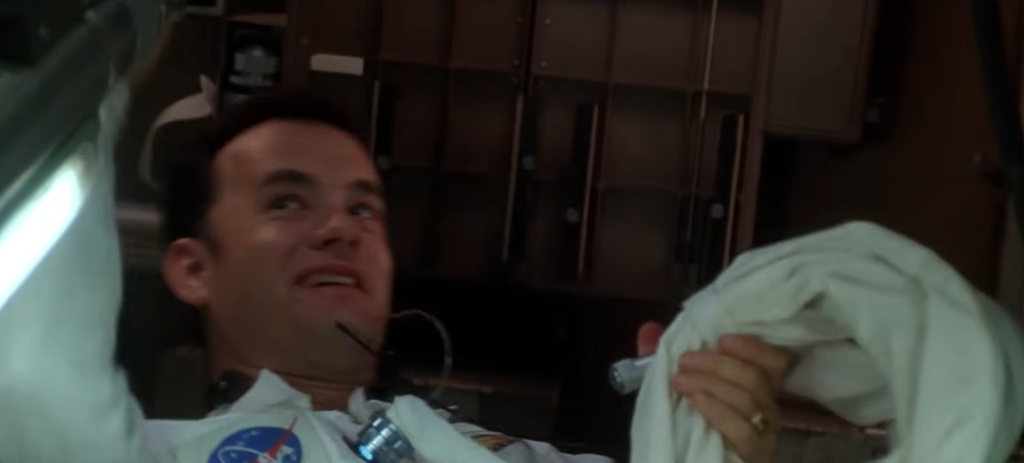
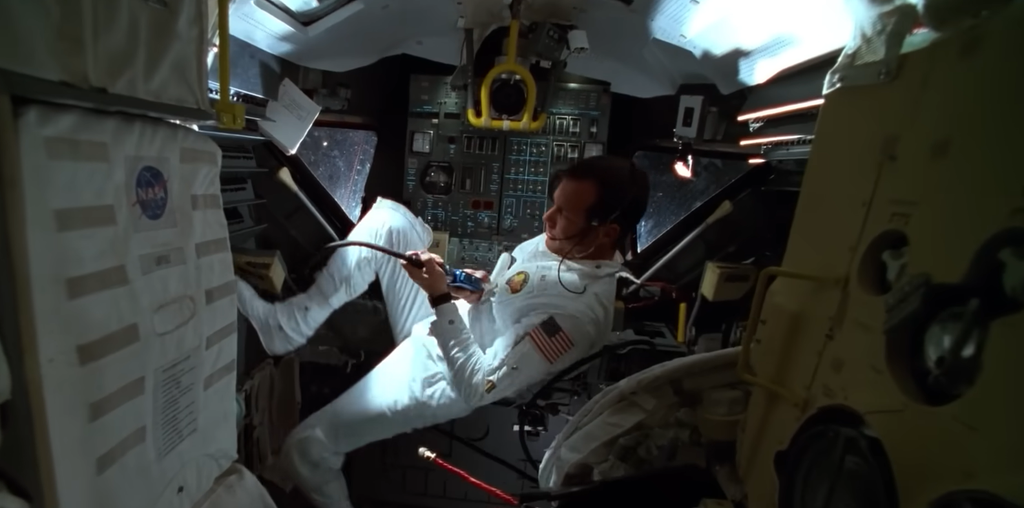
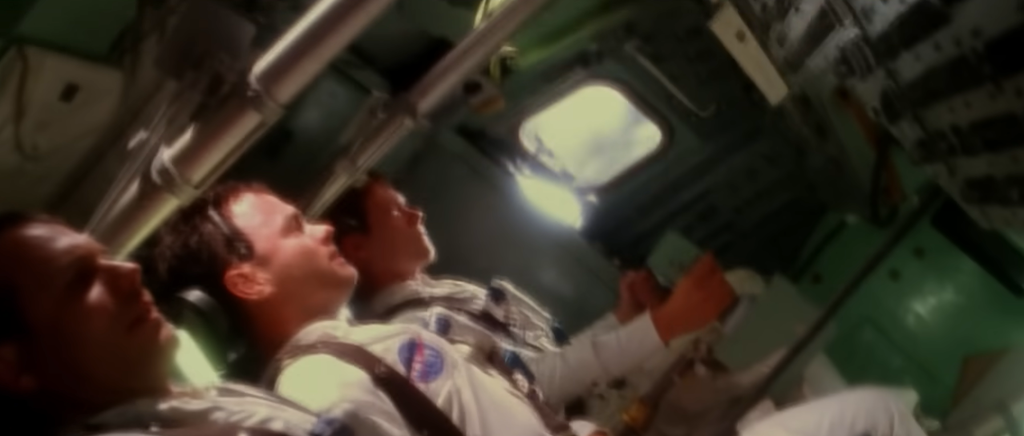
The cramped panels surrounding the actors were not simplified movie controls. SpaceWorks, a division of the Kansas Cosmosphere, produced high-fidelity command and lunar module interiors along with much of the movie’s other space hardware. The Cosmosphere estimates that its technicians created more than 80 percent of the film’s props, drawing on the same expertise the organization uses to restore historic spacecraft, including the real Apollo 13 command module Odyssey.
3. The spacesuits were recreated down to tiny details
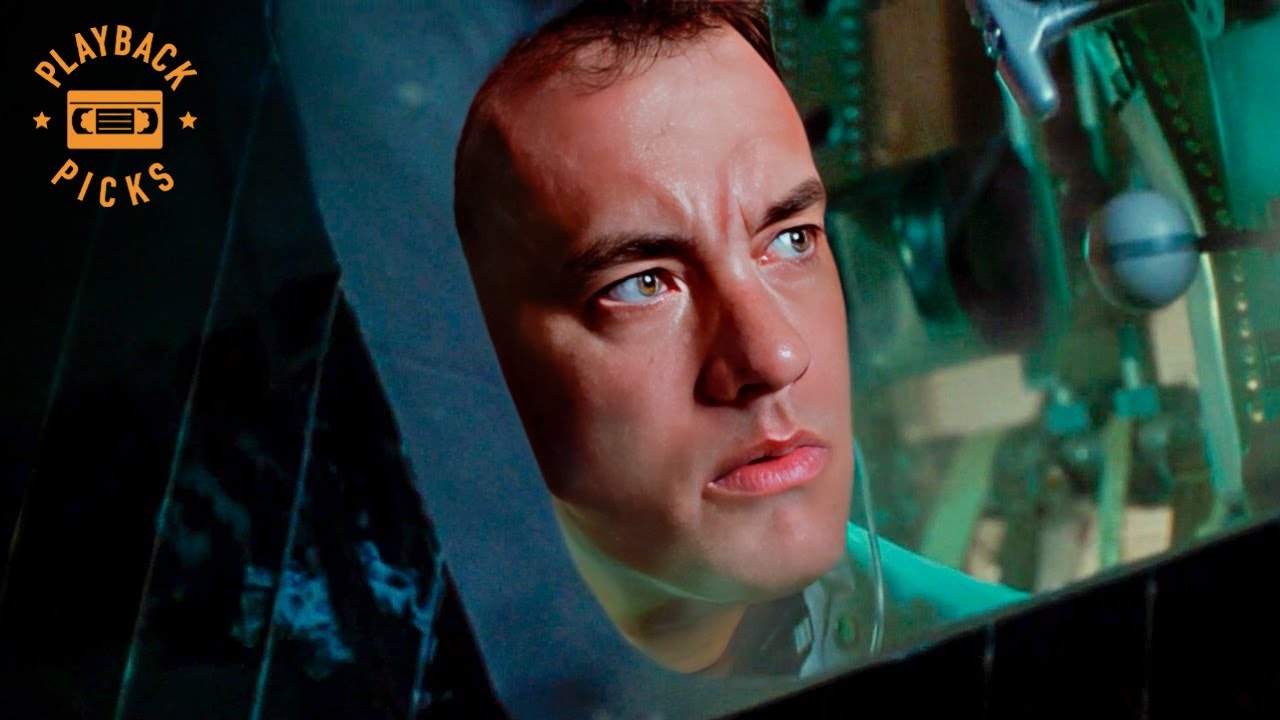
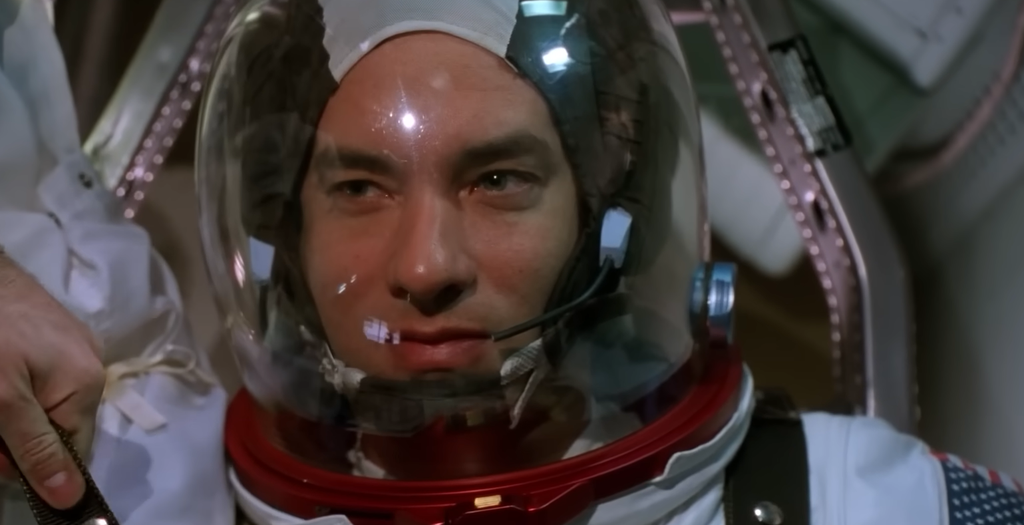
SpaceWorks also supplied the suits and inflight garments worn by the actors, treating them with the same emphasis on accuracy as the capsule interiors. Craftsman Sean Crow later described the Apollo 13 work as needing to be “dead-on,” while the Cosmosphere has continued to display its involvement with the film alongside the genuine spacecraft it restored. That attention is especially useful during the launch sequence, where the suits are surrounded by equally detailed switches, hoses, and cabin hardware.
4. Howard made the powerless spacecraft genuinely cold
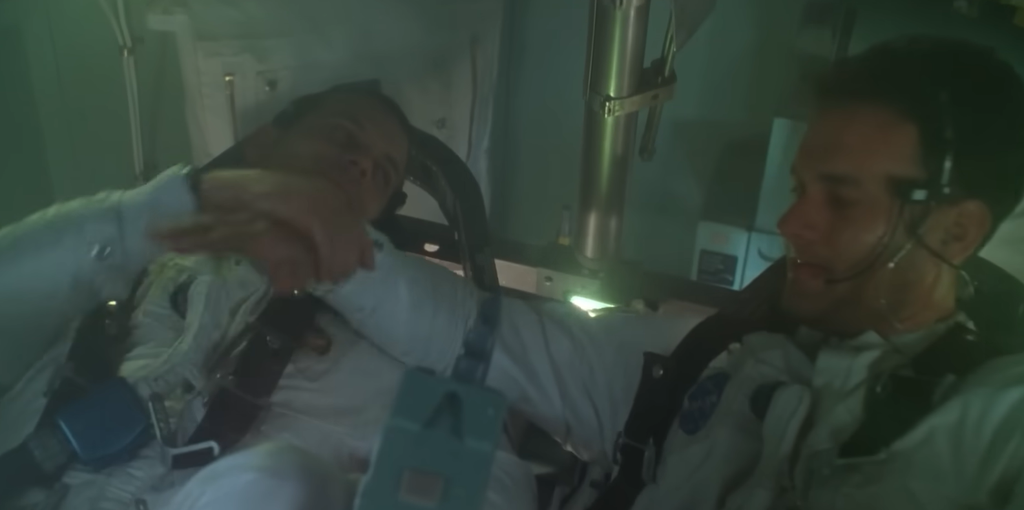
For the later portions of the mission, the actors did not have to fake every sign of the falling temperature. Howard said he kept the capsule set at roughly 35 degrees Fahrenheit, cold enough for their breath to become visible. He and cinematographer Dean Cundey also relied heavily on practical light sources inside the replica rather than flooding the tiny interior with conventional movie lighting, helping the powerless spacecraft look increasingly dim and uncomfortable as the crisis continued.
5. Mission Control was rebuilt with remarkable accuracy
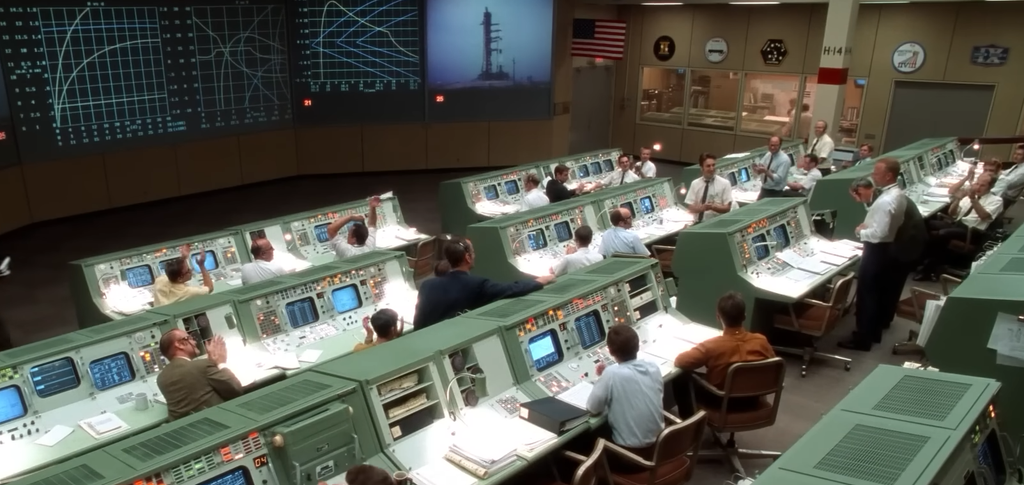
The production could have treated Houston as a generic control room, but production designer Michael Corenblith and his team studied the real environment in detail, taking measurements and photographs before constructing their version. Corenblith later recalled that technical advisers who knew NASA’s Mission Control could become briefly disoriented on the set because familiar-looking doors and pathways suddenly led to blank studio walls.
6. The actors at the consoles trained for their jobs
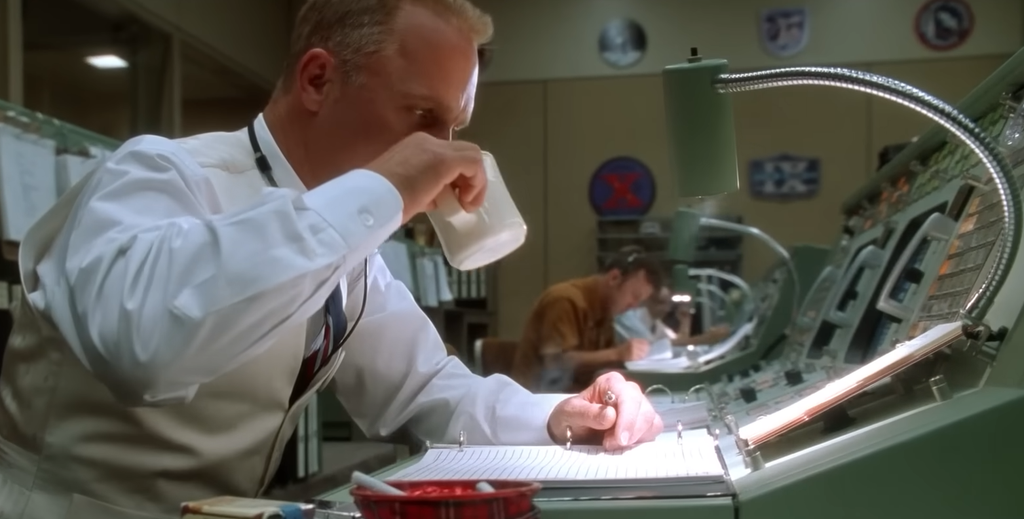
The authenticity did not stop with the furniture. Ed Harris attended flight-controller training to prepare for playing Gene Kranz, while performers filling the other Mission Control positions spent time with real controllers and studied recordings from the mission. That preparation lets the background activity feel purposeful even when the movie is concentrating on Harris: people are listening, calculating, and communicating as though each console has an actual function rather than simply filling the frame.
7. The Saturn V launch was created for the movie
The launch looks so much like period NASA photography that viewers have often assumed Howard inserted archival material, but Digital Domain says the sequence was created specifically for Apollo 13. Howard had considered using existing footage before deciding that recreating the launch would let him match the familiar documentary look while placing cameras in positions that would have been impossible during the real event.
8. Models and digital effects worked side by side
Much of the Saturn V and its launch structure came from miniature photography rather than a fully digital rocket. Howard described using models, composited backgrounds, and real flames photographed at high speed, while computer effects supplied details that were difficult to reproduce physically, including ice breaking away from the vehicle. Digital Domain also created smoke, flame, and environmental elements, allowing the sequence to move smoothly between shots designed to resemble NASA coverage and angles no actual camera could have survived.
9. The return to Earth was reconstructed too
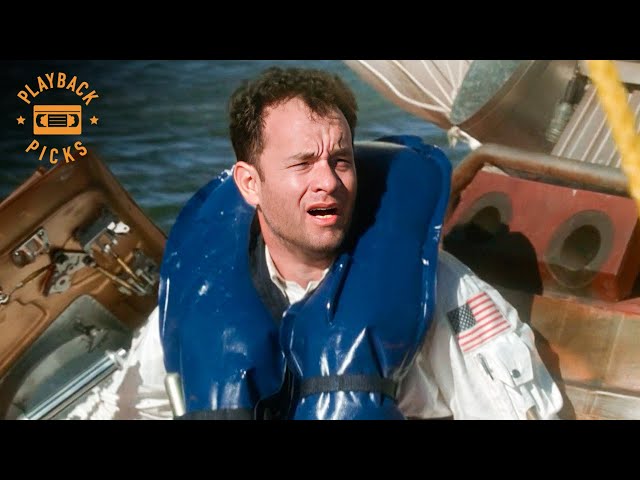
The effects work continued all the way through the Pacific recovery. Digital Domain credits its combination of models, miniatures, and computer imagery with creating space views and the command module’s ocean return, allowing the movie to maintain the same visual language instead of suddenly switching to documentary footage. The real Apollo 13 crew returned safely on April 17, 1970, before being recovered and taken aboard the USS Iwo Jima.
10. The real Jim Lovell greets Tom Hanks after the recovery
Howard saved one of the movie’s nicest authenticity details for the end. Jim Lovell appears aboard the recovery ship as Captain Leland Kirkemo, the officer who welcomes Tom Hanks’ version of Lovell home. NASA confirms the cameo and notes that the real Kirkemo was captain of the Iwo Jima during the actual recovery. After a movie filled with carefully reconstructed NASA hardware and procedures, the final shipboard sequence quietly puts one of the men who lived the story into the same frame as the actor playing him.
To Watch or Buy Apollo 13, click here: https://www.amazon.com/Apollo-13-Tom-Hanks/dp/B001JI5DRC