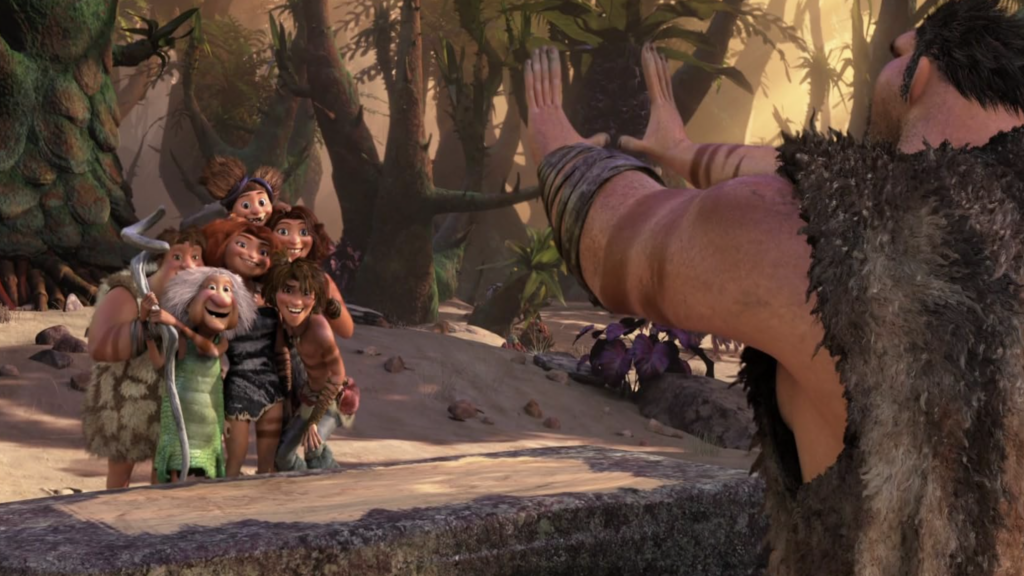

DreamWorks Animation’s 2013 feature The Croods uses a prehistoric adventure to deliver a timeless message about personal growth, adaptability, and breaking free from self-imposed limitations. Living under the strict rule that anything new or unfamiliar represents a fatal threat, patriarch Grug keeps his family confined to a dark cave to ensure their survival. However, when an environmental catastrophe forces them into an uncharted wilderness, the family must learn to trade paranoia for curiosity. Analyzing their journey reveals ten key ways the film illustrates how to conquer the anxiety of the unknown and embrace a larger world.
1. Step Out of Comfort Zones to Find True Growth
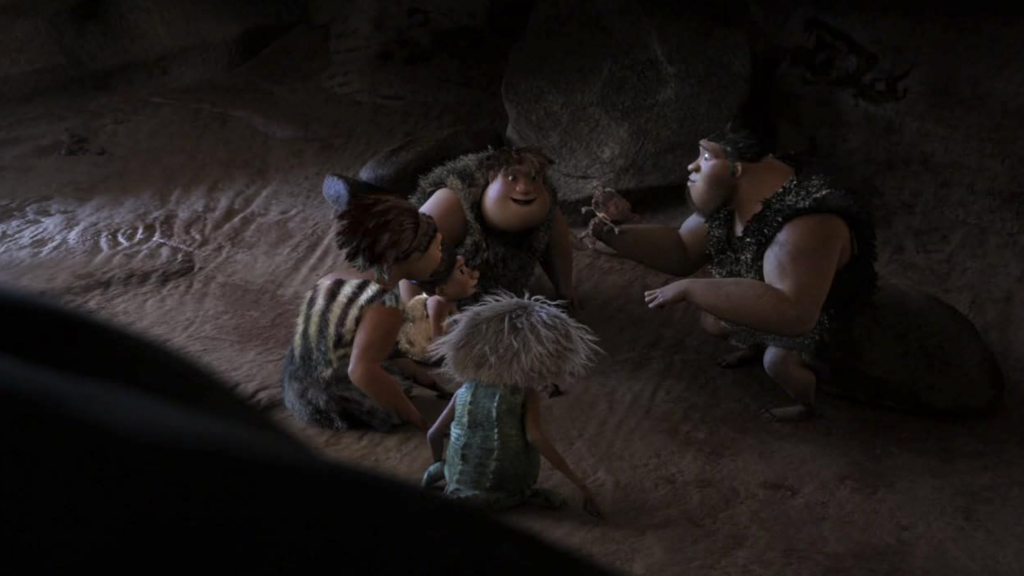
For years, the Crood family relies on their dark, cramped cave as a refuge from the unpredictable wilderness. Grug treats every exit as a life-or-death gamble, preferring the safety of familiar walls over any possibility of exploration.
When an earthquake destroys their home, the family is forced to abandon their comfortable sanctuary, demonstrating that leaving safe boundaries is often the only way to discover new opportunities and personal resilience.
2. Replace Blind Paranoia With Open-Minded Curiosity
Grug instills a philosophy built on immediate distrust, teaching his family that every unfamiliar sound, creature, or environment must be met with hostility or retreat. This rigid mindset creates a state of constant anxiety that prevents any real learning.
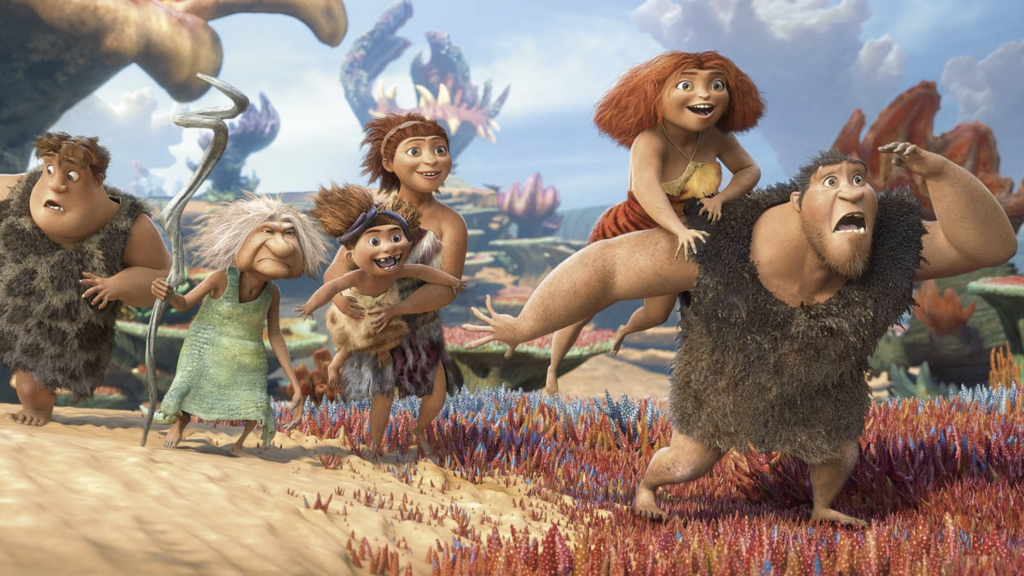
Interacting with exotic plants and animals gradually shifts the family’s default reaction from defense to curiosity, proving that approaching novelty with an open mind turns terrifying obstacles into fascinating discoveries.
3. Trade Outdated Habits for Creative Innovation
The family’s traditional survival methods rely purely on brute force, loud noises, and physical endurance. While these tactics kept them alive in the past, they prove ineffective when facing unprecedented challenges in a changing ecosystem.
The introduction of revolutionary tools like fire, shoes, and strategic traps shows that overcoming new obstacles requires discarding rigid habits in favor of creative problem-solving and mental adaptability.
4. Shift Focus From Hiding in Darkness to Seeking Hope
Under Grug’s leadership, the family’s daily purpose centers entirely on avoiding danger and waiting out threats in total darkness. Their goals are purely defensive, leaving no room for ambition, wonder, or long-term dreams.
Guy’s ambition to reach “the sun” introduces a forward-looking vision that inspires the family to run toward a brighter future rather than constantly hiding from potential hazards.

5. Challenge Fear-Based Rules That Limit Human Potential
Grug maintains authority through a strict set of rules summarized by his core belief that “fear is good, change is bad.” These guidelines keep the family physically safe, but they also stifle individual expression and emotional growth.
Questioning these restrictive doctrines allows family members to discover unique talents and preferences, demonstrating that rules rooted entirely in fear ultimately hinder personal development.
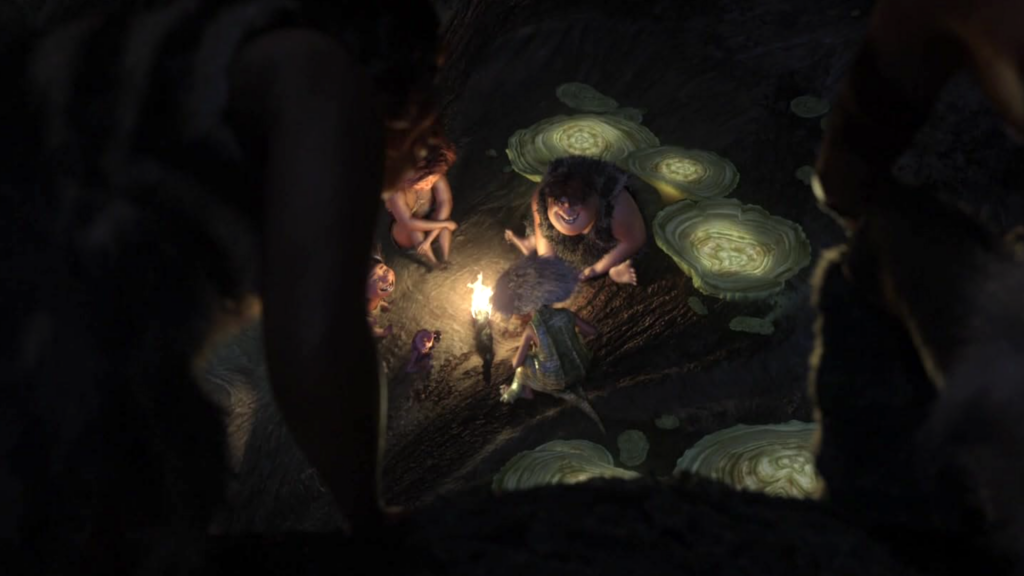
6. Rewrite Negative Narratives About Unfamiliar Experiences
To discourage his children from wandering, Grug tells bedtime stories where every character who exhibits curiosity suffers a horrific demise. These cautionary tales reinforce a claustrophobic worldview driven by paranoia.
Experiencing the beauty and wonder of the outer world shatters these exaggerated horror stories, proving that fear often paints the unknown as far more dangerous than it actually is.
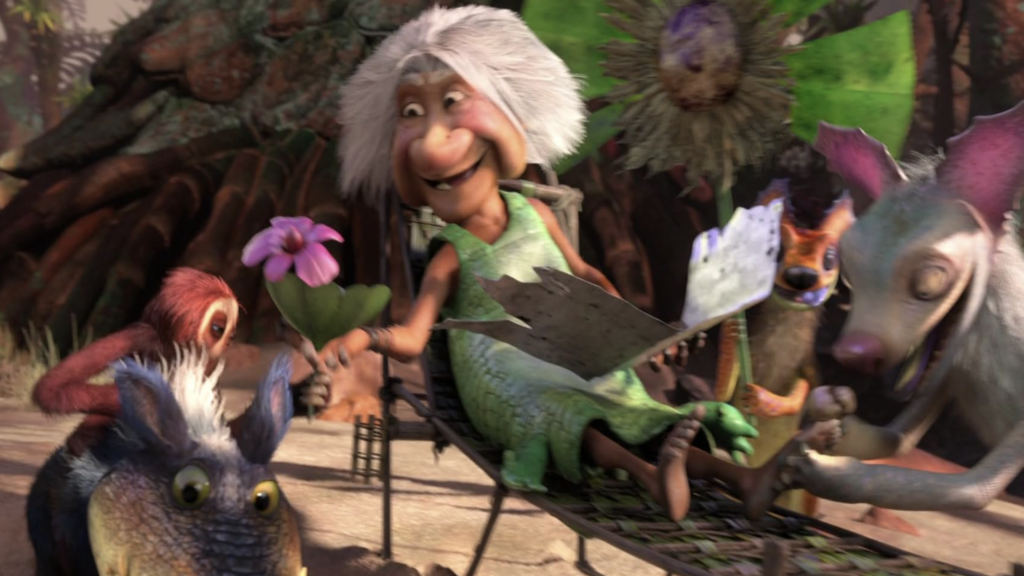
7. Recognize That Resistance to Change Prevents Real Evolution
The central conflict of the story stems from Grug’s desperate attempt to keep his family’s lifestyle completely static. He views any environmental or behavioral shift as a direct threat to their existence.
The destruction of their prehistoric landscape proves that change is inevitable and that fighting transformation only leads to suffering, while adapting allows individuals to thrive.
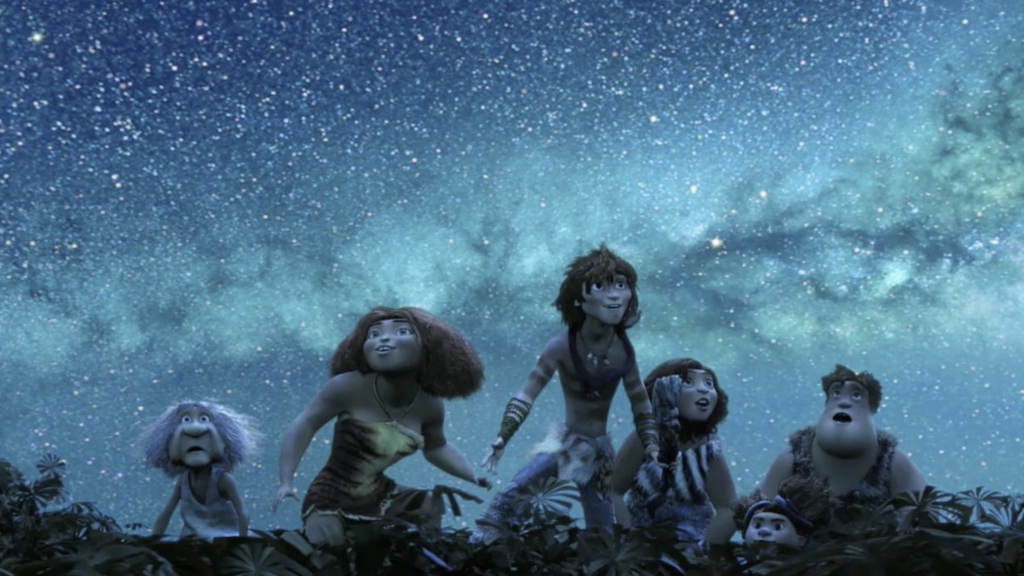
8. Value Different Perspectives Over Rigid Authority
Grug initially rejects Guy’s ideas because they challenge his traditional role as the sole protector and decision-maker. His instinct is to dismiss fresh ideas simply because they originate from an outsider.
Learning to listen to new voices enriches the group’s collective wisdom, showing that overcoming complex challenges requires set mindsets to yield to collaborative, diverse ways of thinking.
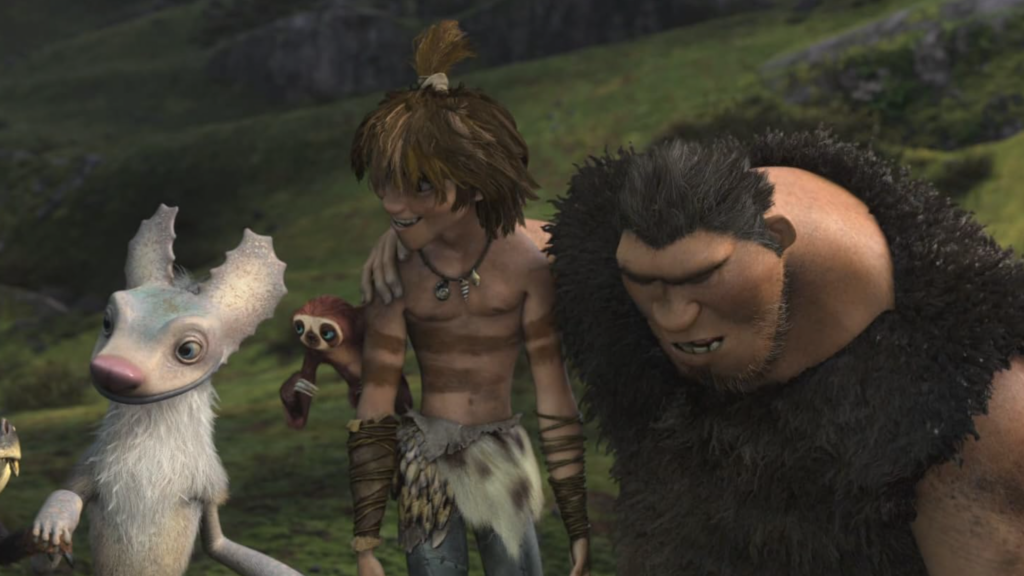
9. Distinguish Between Mere Survival and Meaningful Living
Grug’s obsession with physical safety reduces life to a repetitive cycle of hiding, sleeping, and eating basic meals. For his family, staying alive comes at the cost of joy, discovery, and genuine emotional fulfillment.
Embracing the risks of the outside world transforms their daily routine into an adventure, illustrating that true living requires risking comfort in exchange for meaningful experiences.
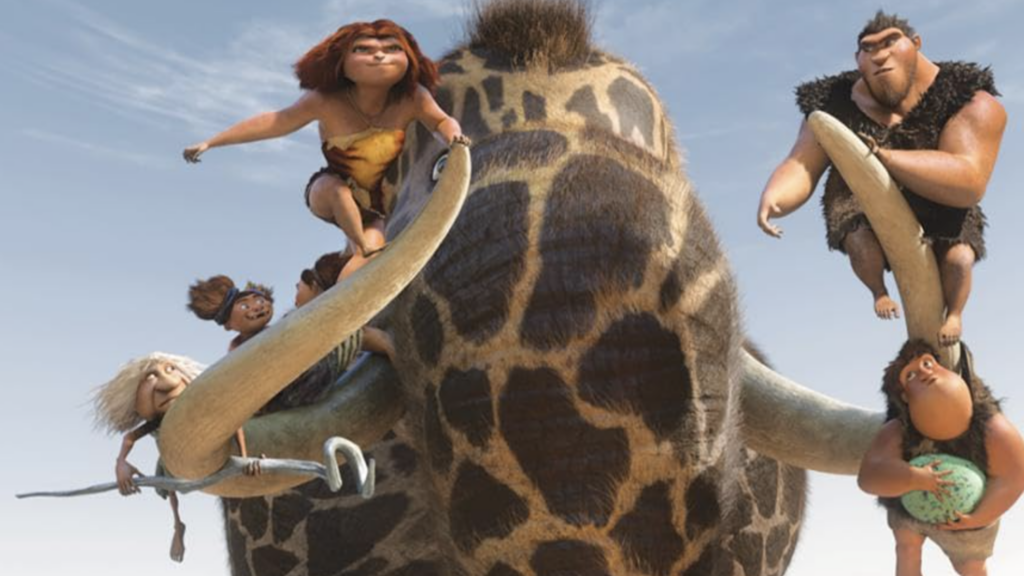
10. Transform Protective Instincts From Control Into Empowerment
Grug believes being a good father means physically keeping his children close, sheltered, and static. His instinct to protect manifests as total control over their choices and movements.
By the story’s climax, Grug realizes that genuine love means empowering his family to navigate danger independently, proving that helping others overcome fear requires trusting them to face the unknown on their own terms.