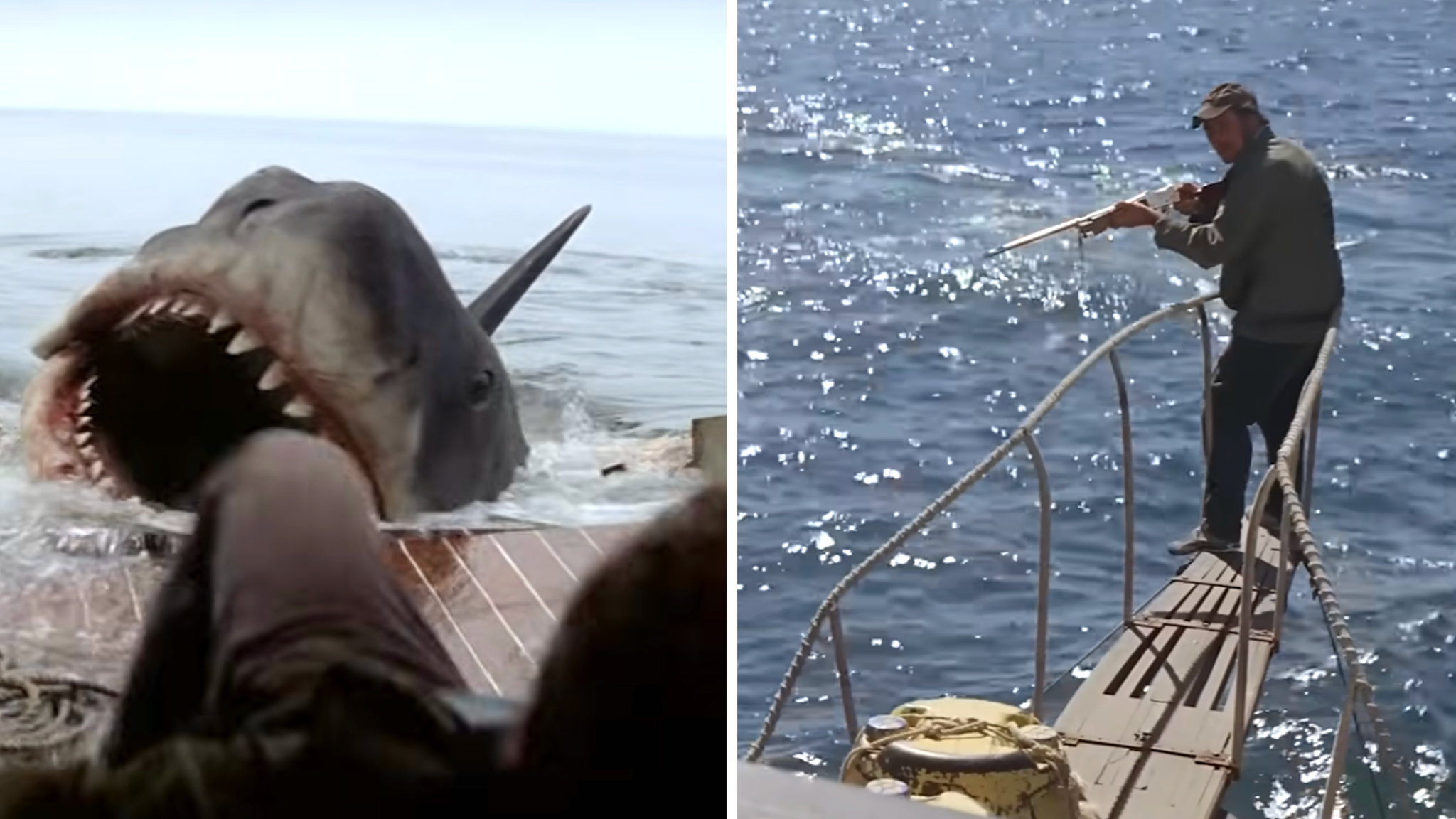
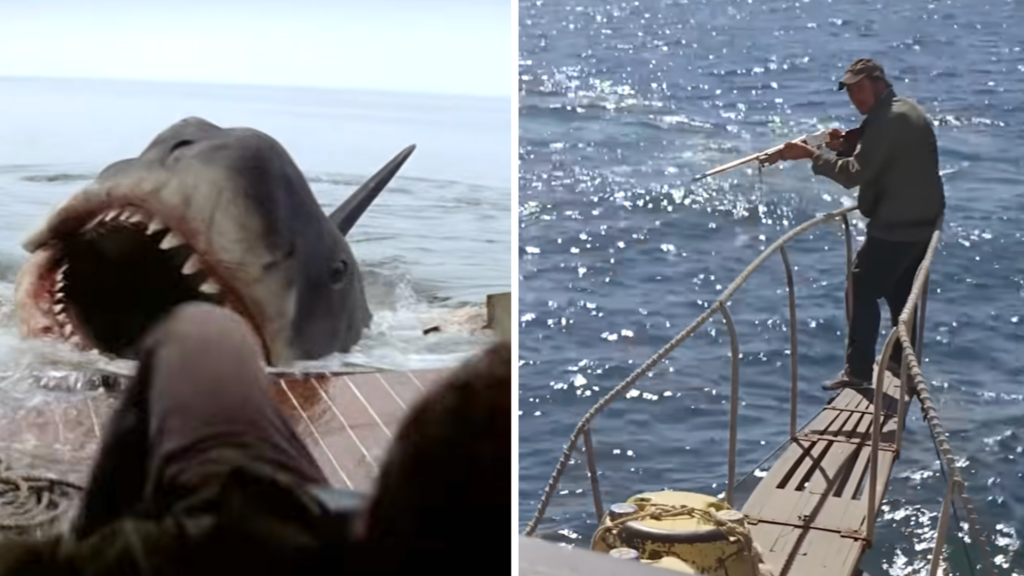
Making a movie about a shark today is a simple task, as even a kid with a cell phone and a TikTok filter can create an animated shark if they want to. But in 1975, the story was completely different. When Jaws exploded into theaters in the summer of 1975, it transformed the cinematic landscape forever, creating the modern concept of the summer blockbuster and making audiences terrified of going into the ocean. Yet behind the thrilling suspense and iconic frightening music lay a nightmare production that nearly ended Steven Spielberg’s directing career before it even truly began. At just twenty-six years old, Spielberg accepted the job expecting a straightforward thriller, but his decision to shoot on the open Atlantic Ocean turned the set into a living hell.
The young filmmaker was convinced that the endless delays, sinking boats, soaring budgets, and malfunctioning mechanical sharks would ensure his firing and blacklisting from Hollywood forever. In fact, Spielberg contemplated walking away from the movie industry entirely due to the extreme trauma caused by the shoot. Here are 7 striking facts about the production disaster that almost forced Steven Spielberg out of cinema but somehow created an all-time masterpiece.
1. The Mechanical Shark Constantly Malfunctioned On Open Water
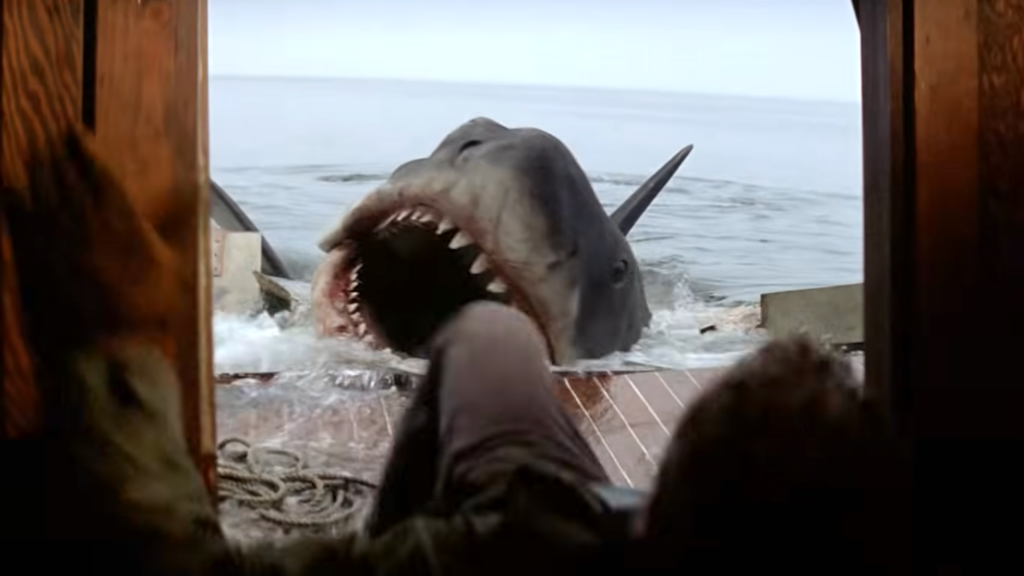
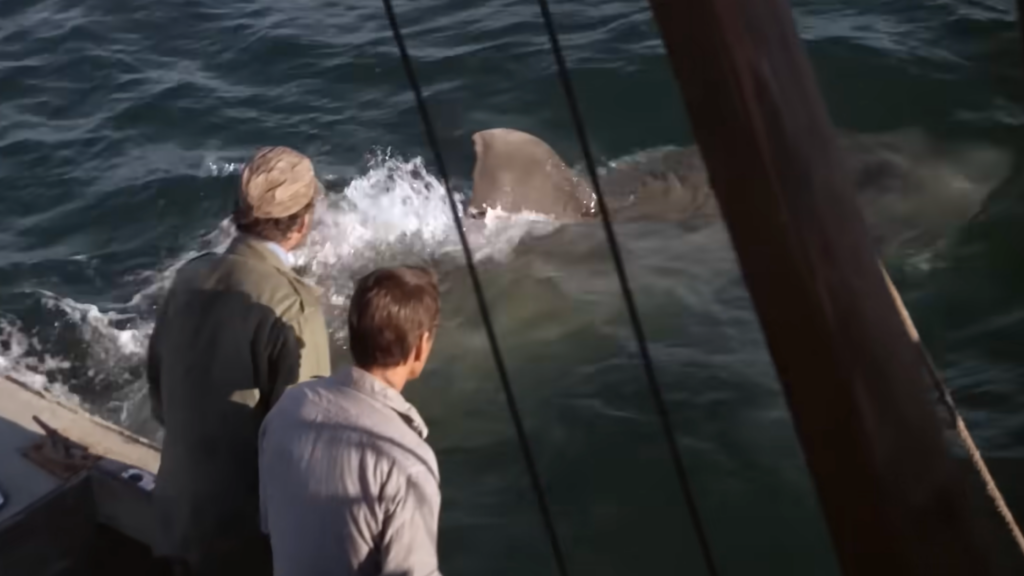
Spielberg made the bold choice to film on the real Atlantic Ocean rather than inside a safe, controlled studio water tank. This decision proved disastrous when salt water instantly corroded the complex pneumatic systems of the three mechanical sharks built for the movie, which were affectionately named Bruce after Spielberg’s lawyer. The mechanical beasts regularly sank straight to the ocean floor, exploded with hydraulic fluid, turned bright green due to seaweed, and refused to work almost daily. The art department had never tested the machinery in corrosive ocean water before shooting began, leaving the crew stranded for weeks waiting for repairs. This ongoing nightmare forced Spielberg to improvise and hide the shark for most of the film, relying instead on subjective camera angles, floating yellow barrels, and John Williams’ ominous music. What started as a devastating technical failure ultimately forced the young director to master psychological suspense, making the unseen monster far more terrifying than any mechanical prop could ever be on screen.
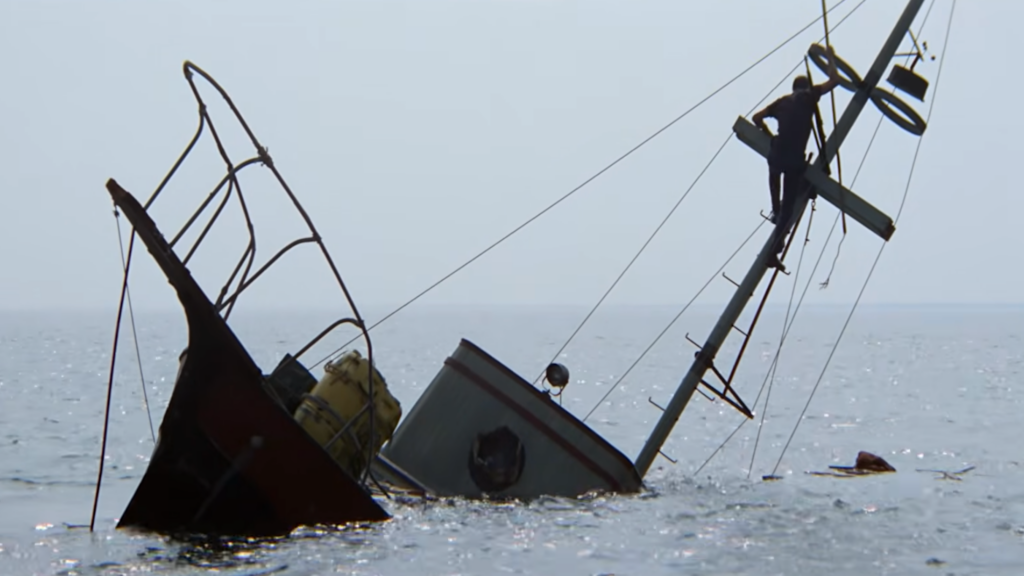
2. The Orca Boat Actually Sank With Cast and Crew On Board
During the filming of a scene at sea, a chase boat pulled the iconic Orca vessel too quickly, ripping a hole in its hull and causing it to quickly fill with ocean water. Water flooded the deck, destroying expensive sound equipment and sending actors and crew scrambling for life jackets. Spielberg screamed into his megaphone for rescue boats to save the actors while sound engineers fought to keep audio tapes above water. The boat was eventually salvaged, but the incident deeply traumatized the cast and crew.
3. Richard Dreyfuss and Robert Shaw Genuinely Hated Each Other
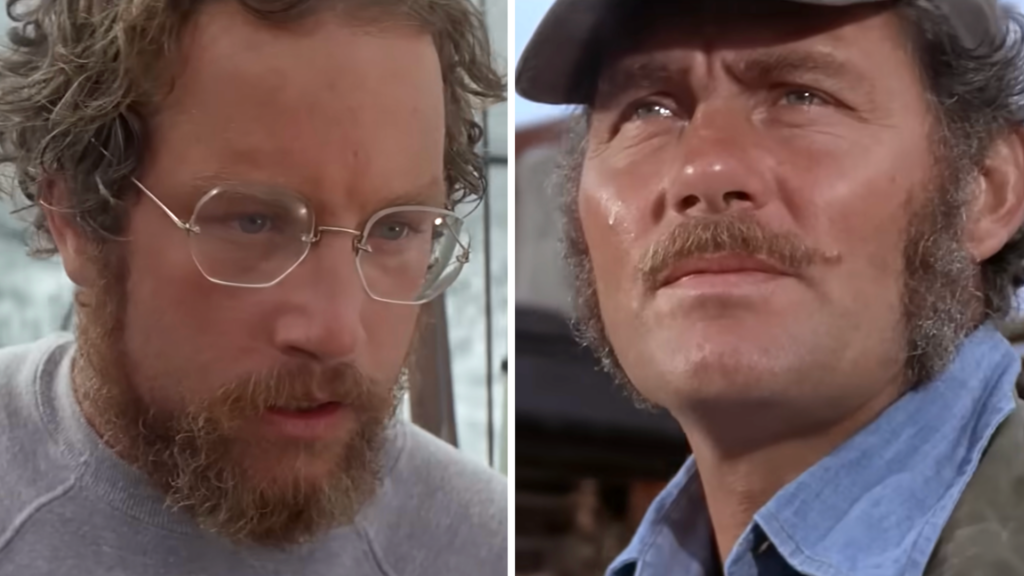
The tense, combative chemistry between Matt Hooper and Quint on screen was entirely authentic. Robert Shaw, an intense veteran actor who struggled with heavy drinking throughout the shoot, constantly antagonized young actor Richard Dreyfuss between takes. Shaw would mock Dreyfuss’s acting abilities and challenge him to dangerous bets, such as jumping off the boat structure into cold water. While their mutual disdain created unforgettable cinematic friction, it made life on set extremely uncomfortable for everyone involved.
4. Spielberg Slept With a Celery Stick Under His Pillow To Calm Down
The immense stress of the delayed schedule and soaring budget took a severe mental toll on the twenty-six-year-old director. Spielberg suffered from severe panic attacks and insomnia, frequently convinced that studio executives would fire him or blackball him from the film industry forever. To cope with his extreme anxiety, he surrounded his bedroom with pillows and kept a celery stick under his pillow, believing its scent helped soothe his nerves during his few hours of restless sleep.
5. The Famous Line “You Are Gonna Need a Bigger Boat” Was Unscripted
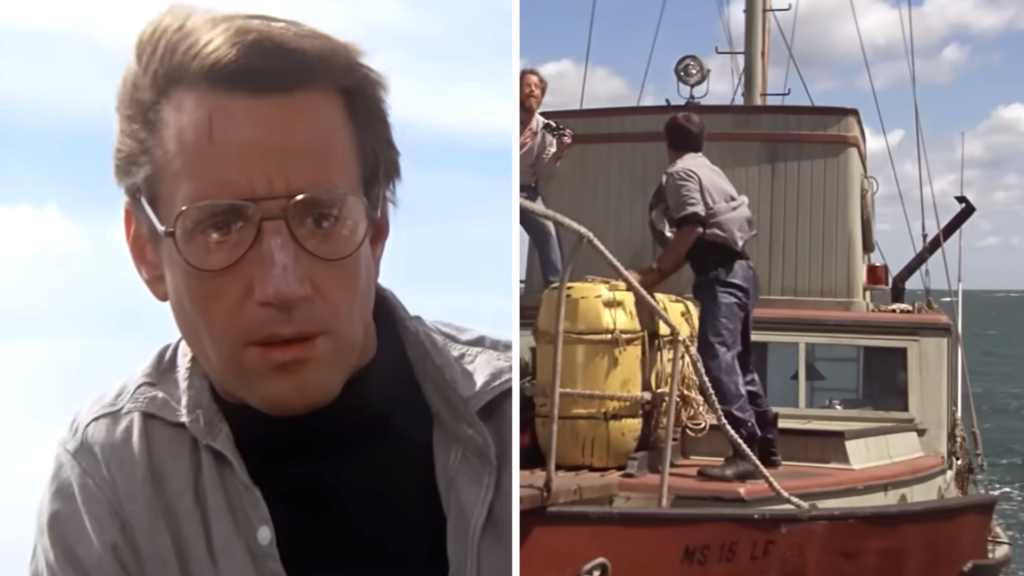
Roy Scheider delivered one of the most famous quotes in cinema history entirely as an ad lib. During the miserable shoot, the phrase “We are gonna need a bigger boat” became a running joke among the crew whenever something went wrong or when support vessels proved too small to handle equipment. Scheider decided to slip the line naturally into his reaction after seeing the massive shark for the first time. Spielberg loved the spontaneous moment and kept it in the final cut.
6. Filming Extended Nearly Three Times Beyond Its Original Schedule
The studio initially allocated a reasonable fifty-five days for principal photography with a budget of three point five million dollars. Due to constant weather delays, mechanical failures, and seasickness among crew members, the shoot stretched to a grueling one hundred and fifty-nine days, with the budget ballooning over nine million dollars. Crew members grew so frustrated with the endless delays that they began wearing T-shirts that read, “When will it ever end?”
7. Spielberg Was Too Paranoid To Attend The Final Day Of Shooting
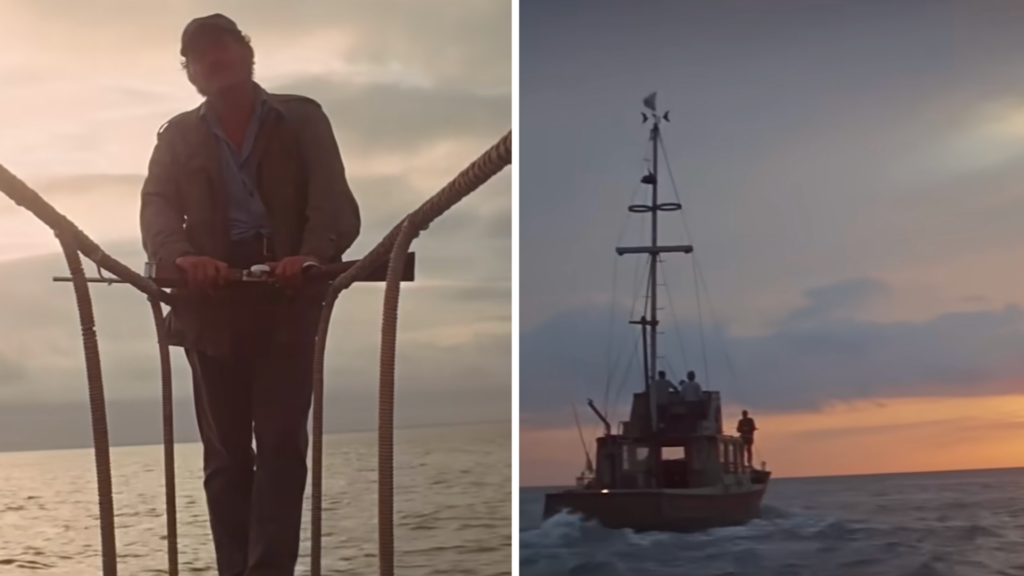
When the production finally wrapped its last shot in the water, Steven Spielberg was nowhere to be found on the boat. Terrified that the exhausted crew would pull a classic movie prank and throw him into the ocean to celebrate, Spielberg quietly took a speedboat back to the mainland before the scene was completed. He watched from the shore as the crew cheered, packed his bags, and flew back to Los Angeles immediately, convinced he would never make another film again.
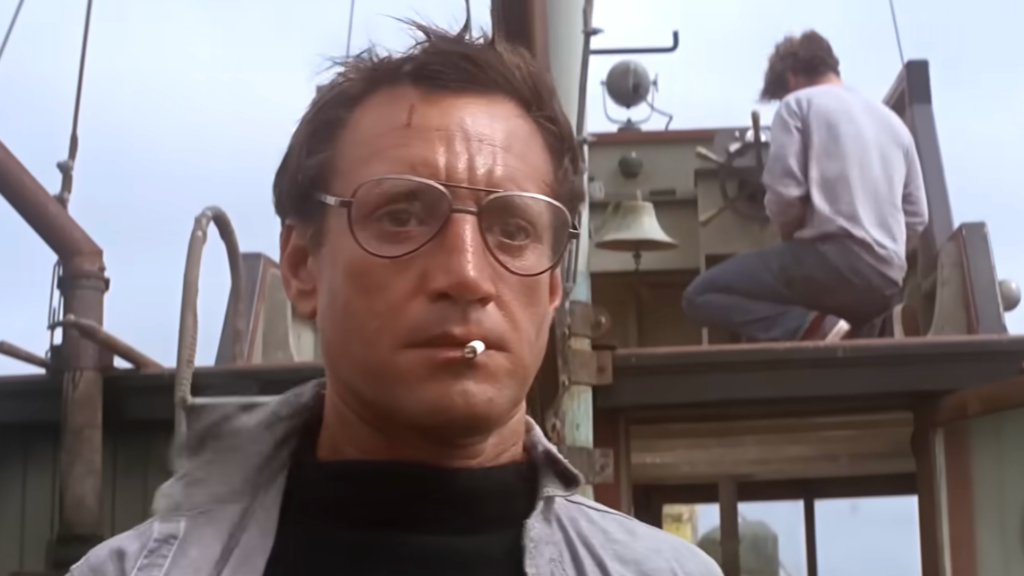
Watch the full scene here → "You're gonna need a bigger boat" | Jaws