Organized crime existed in the United States long before Prohibition, but banning alcohol in 1920 changed its scale dramatically. Suddenly, millions of customers still wanted something legal businesses could no longer sell, leaving criminals with an enormous market waiting to be supplied.
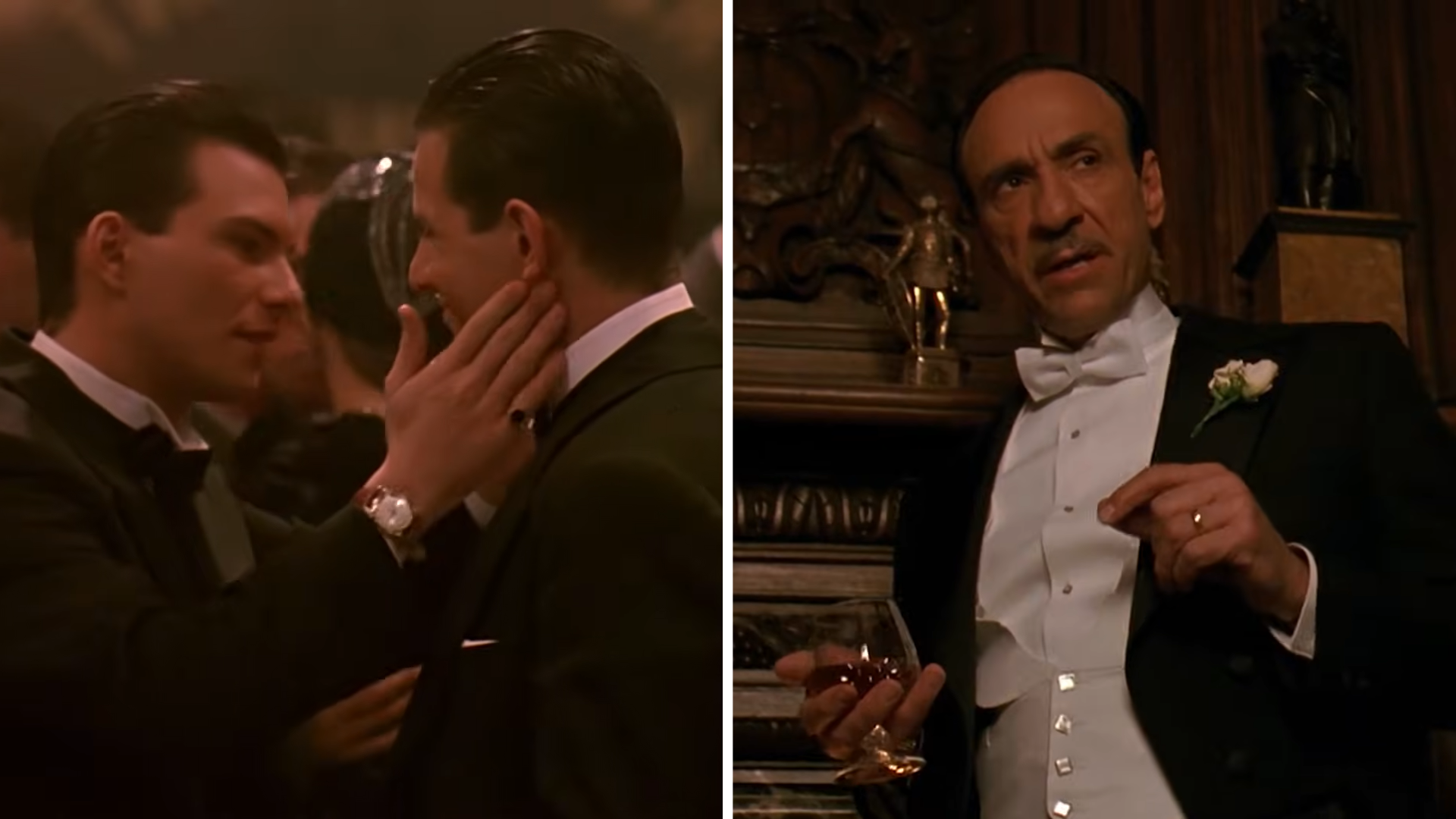
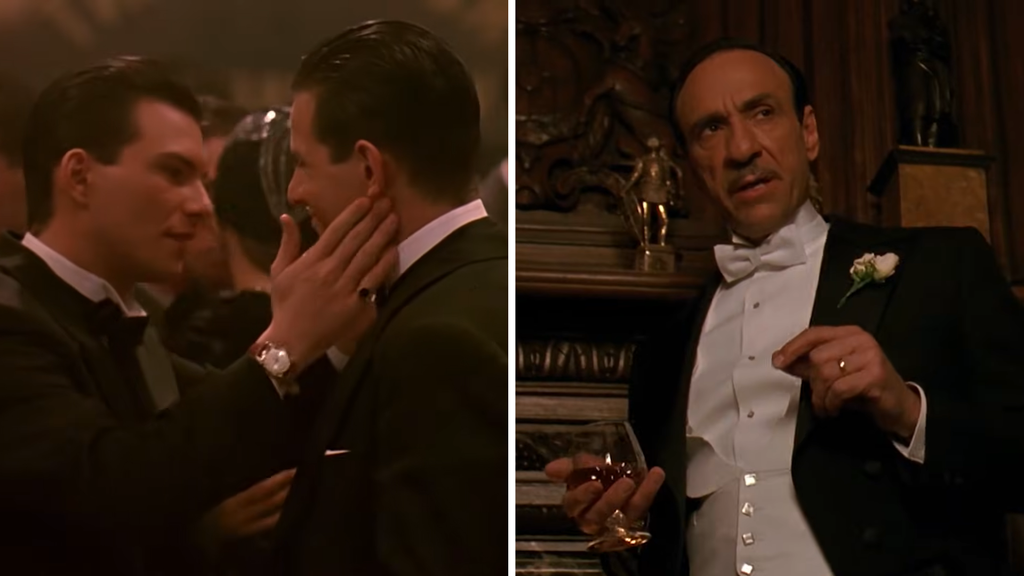
Mobsters (1991) dramatizes that transformation through Lucky Luciano and his circle. The young criminals quickly move from small-time schemes toward imported liquor, distribution networks, corruption, partnerships, and enormous profits. By the time Prohibition ended, the organizations that grew around bootlegging were equipped to survive without it.
1. Prohibition created an enormous black market
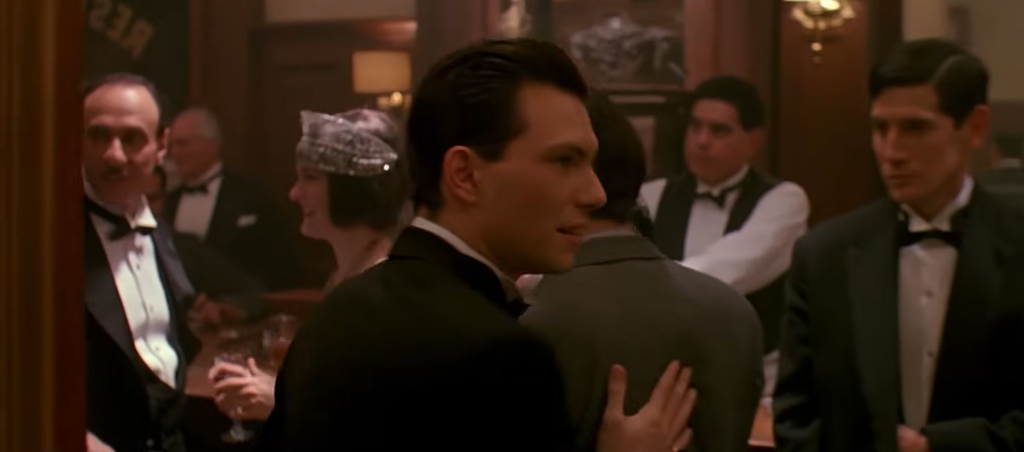
When legal alcohol sales disappeared, American demand did not disappear with them. Speakeasies and private customers still wanted beer and liquor, so criminal groups stepped in to provide it. Mobsters establish the opportunity almost immediately: Scotch has become difficult to obtain, while illegal alternatives command extraordinary prices. A nationwide ban had suddenly transformed a familiar consumer product into potentially lucrative contraband.
2. Bootlegging required an entire supply chain
Supplying illegal alcohol demanded far more organization than ordinary street crime. Gangs needed buyers, ships, trucks, warehouses, delivery routes, protection, and reliable customers. In Mobsters, Arnold Rothstein describes overseas distillers and ships bringing thousands of cases to the New Jersey coast while Luciano focuses on distribution and pricing. Bootlegging pushed criminals to think less like neighborhood gangs and more like large-scale operators.
3. Big profits required big investors
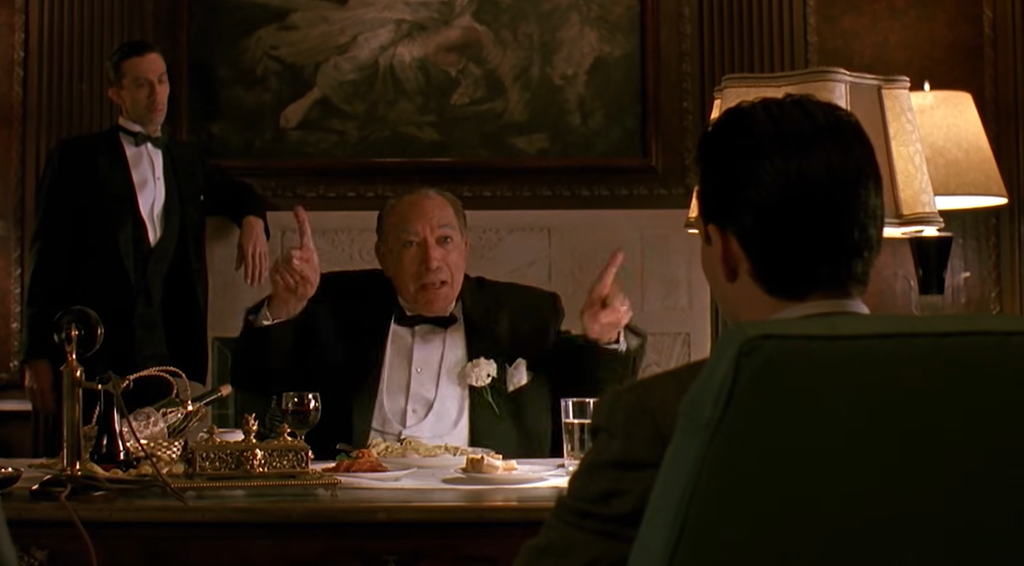
Imported liquor had to be purchased before it could be transported and sold, making financing and partnerships increasingly important. Mobsters has Luciano and his friends considering a Scotch deal that would consume nearly their entire stake, with Rothstein behind the opportunity. The real Rothstein also financed liquor purchases, ships, and other parts of New York smuggling operations, providing money that ambitious younger gangsters could turn into larger businesses.
4. Bribery became another business expense
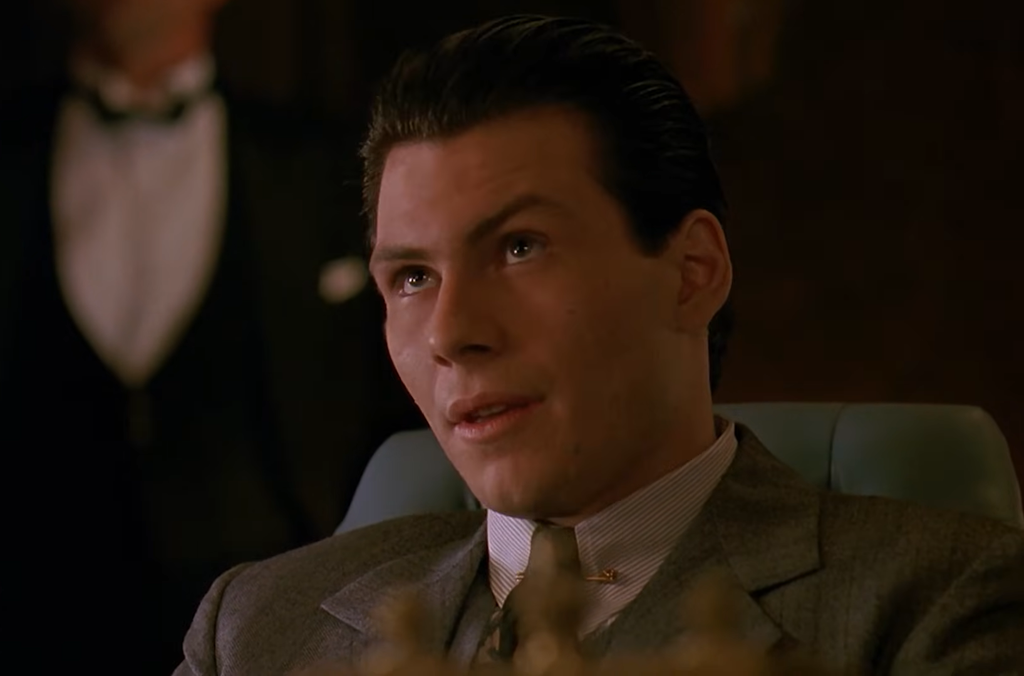
The larger the illegal industry became, the more useful corruption became. Police officers, officials, and inspectors could protect shipments, overlook violations, or make investigations less troublesome. Mobsters treats those payments almost like ordinary expenses, with Costello discussing a building inspector and a police captain during a business meeting. Bootlegging profits gave criminal organizations enough money to make corruption far more systematic and powerful.
5. Bootlegging produced fortunes street crime rarely could
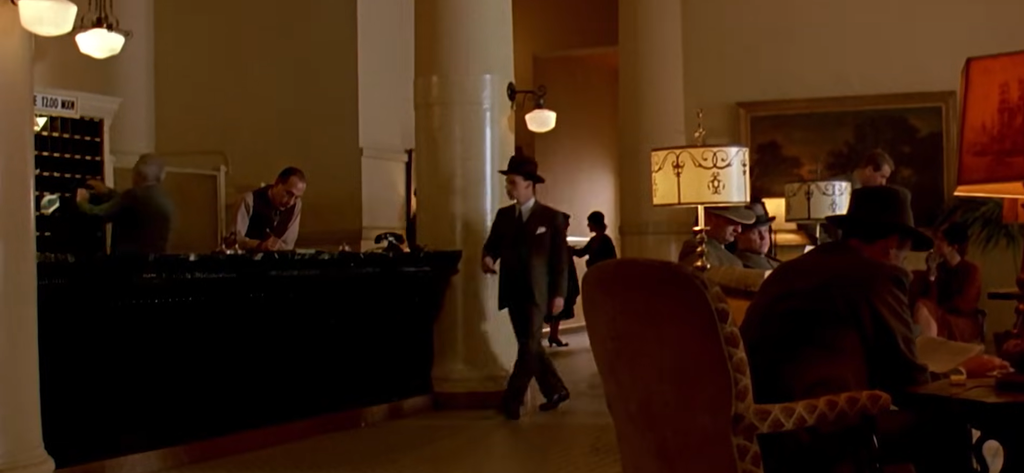
Illegal alcohol generated money on a scale many street gangs had never experienced. In the screenplay, Lansky announces that Luciano’s group has earned a million dollars in six months, while their surroundings quickly become far more luxurious. Historically, bootlegging profits let gangs expand, improve their operations, and move into additional rackets. Money gave these organizations staying power that smaller neighborhood crews rarely possessed.
6. Business encouraged alliances across old boundaries
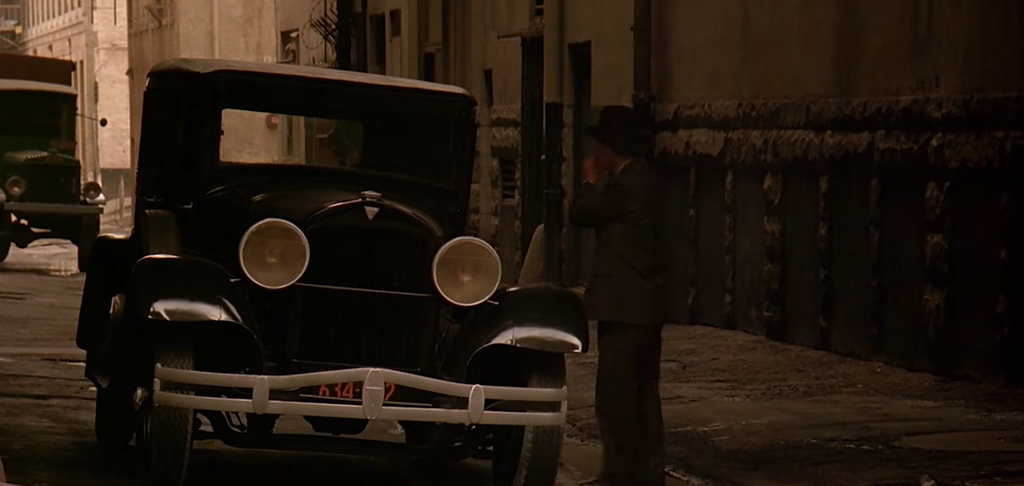
Prohibition rewarded cooperation between groups that older crime bosses often preferred to keep separate. Luciano’s circle included Meyer Lansky and Bugsy Siegel, while Mobsters repeatedly contrast those partnerships with bosses who think along narrower ethnic lines. Real New York bootlegging networks likewise brought Italian and Jewish figures together when financing, muscle, and distribution made cooperation profitable. Business opportunity could matter more than traditional neighborhood divisions.
7. Liquor became powerful enough to reshape mob politics
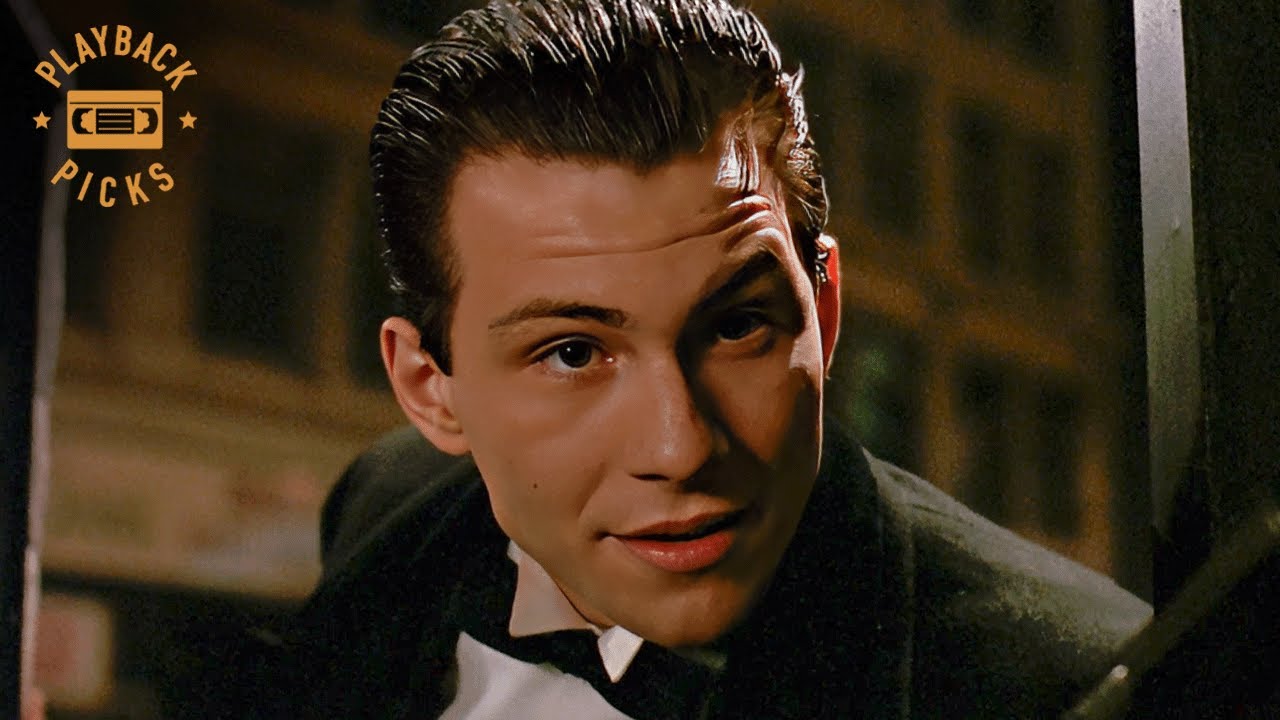
Alcohol became so valuable that controlling it could change the balance of power inside a criminal organization. Mobsters makes that clear when Luciano agrees to share revenue from other activities with Masseria but refuses to surrender his whiskey operation. Masseria erupts at the demand. Liquor is no longer a minor sideline; it has become valuable enough for Luciano to protect separately from everything else.
8. Bigger profits made territory worth fighting over
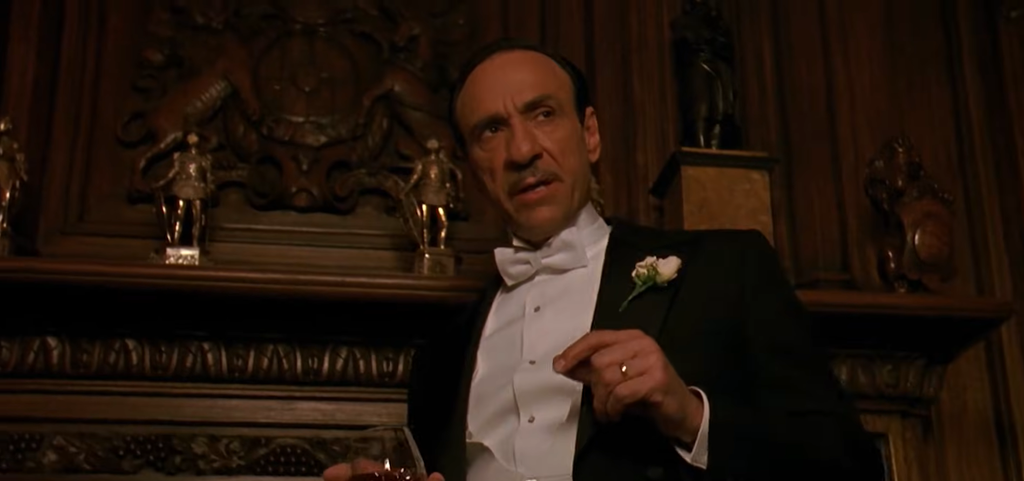
A gang controlling a neighborhood, delivery route, or group of speakeasies also controlled access to paying customers. Across the country, competition over bootlegging markets helped fuel violent territorial rivalries during the 1920s. Mobsters place Luciano between Masseria and Maranzano as those older power structures collide, showing how lucrative criminal businesses could make control of territory increasingly valuable and dangerous to challenge.
9. Criminal groups started dividing work more formally
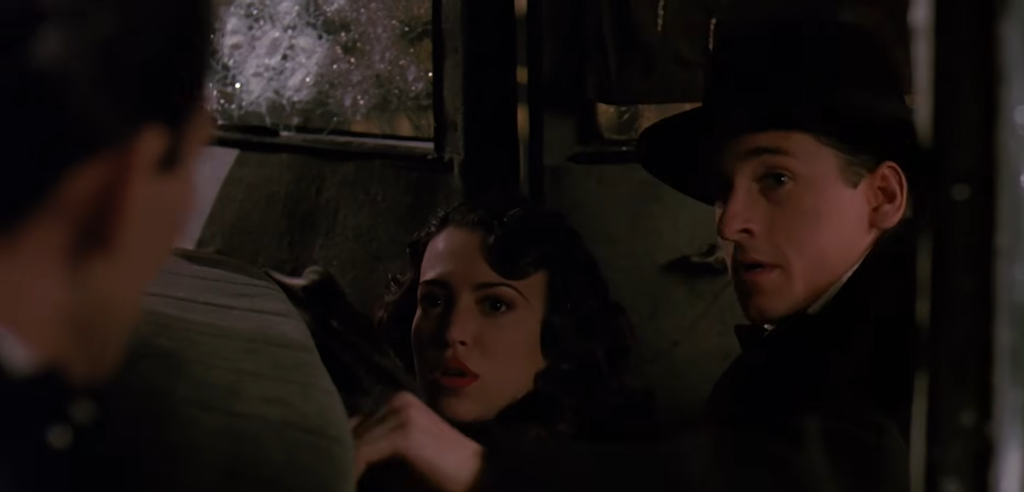
As the money grew, criminal groups increasingly specialized. Mobsters shows Luciano assigning gambling to Costello, other operations to separate lieutenants, and maintaining a distinct liquor and enforcement relationship with Lansky and Siegel. That resembles an organized enterprise more than a loose street gang. Prohibition did not create every racket, but it provided the money and scale that encouraged criminals to coordinate different businesses more efficiently.
10. The organizations survived after Prohibition ended
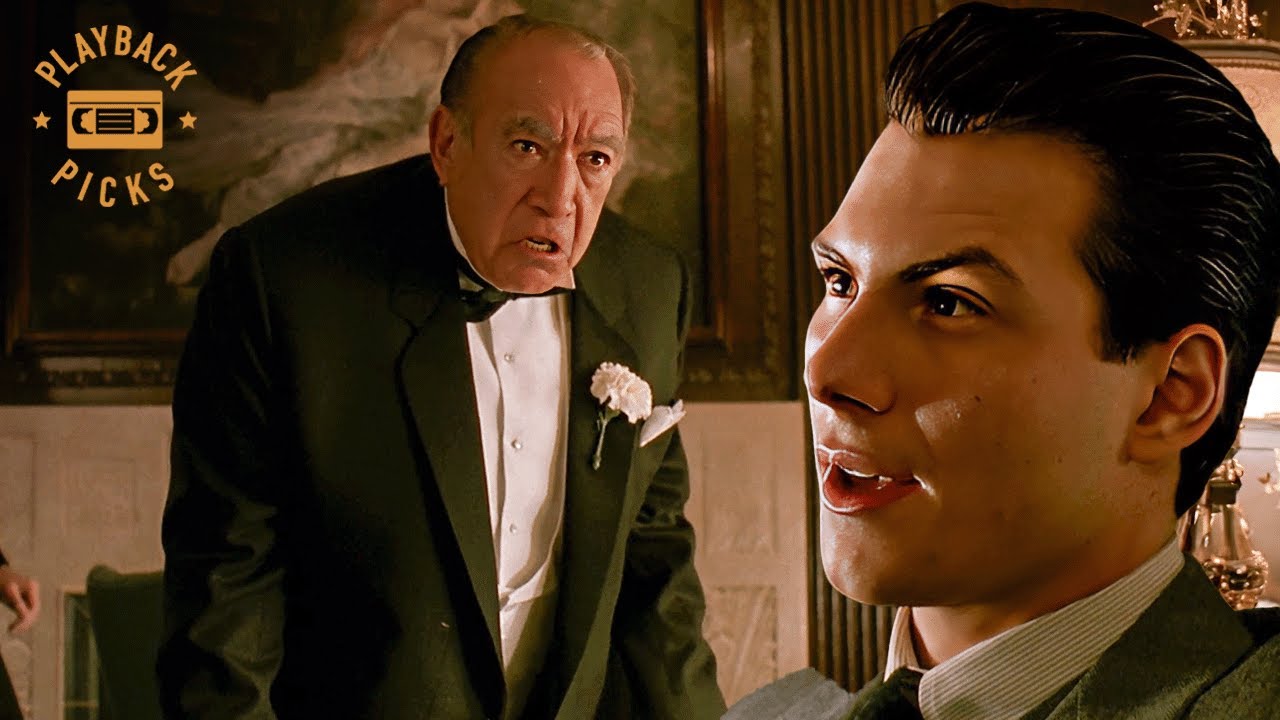
Prohibition ended in 1933, but the criminal organizations it helped enrich did not disappear with it. By then, major groups had money, connections, experienced operators, and networks that could be redirected into gambling and other rackets. Luciano’s Commission later provided a system for coordinating powerful families and settling disputes. The alcohol ban vanished, but much of the organization developed during those profitable years remained.
To watch or buy Mobsters, click here: https://www.amazon.com/Mobsters-Christian-Slater/dp/B002DJM9W8