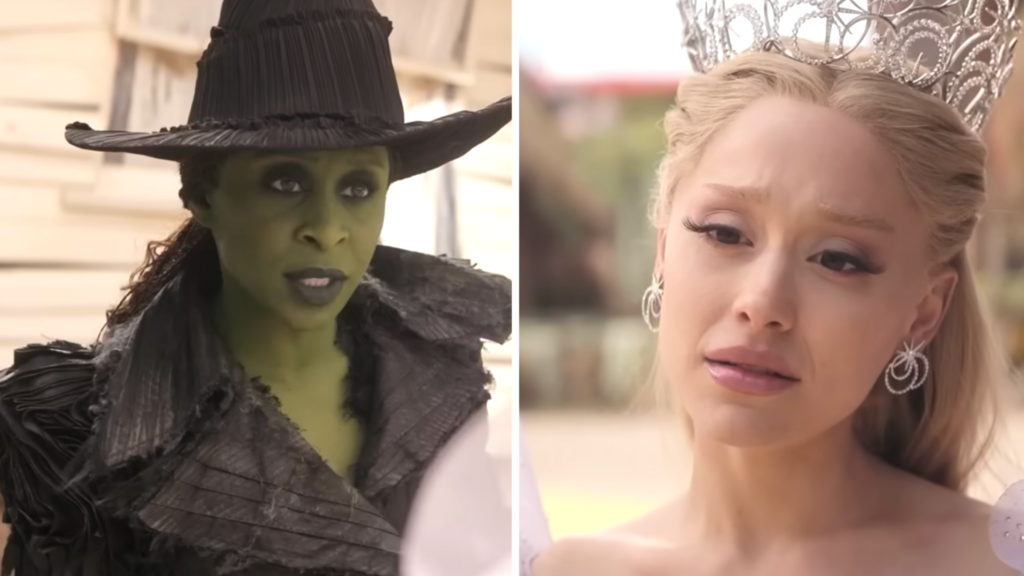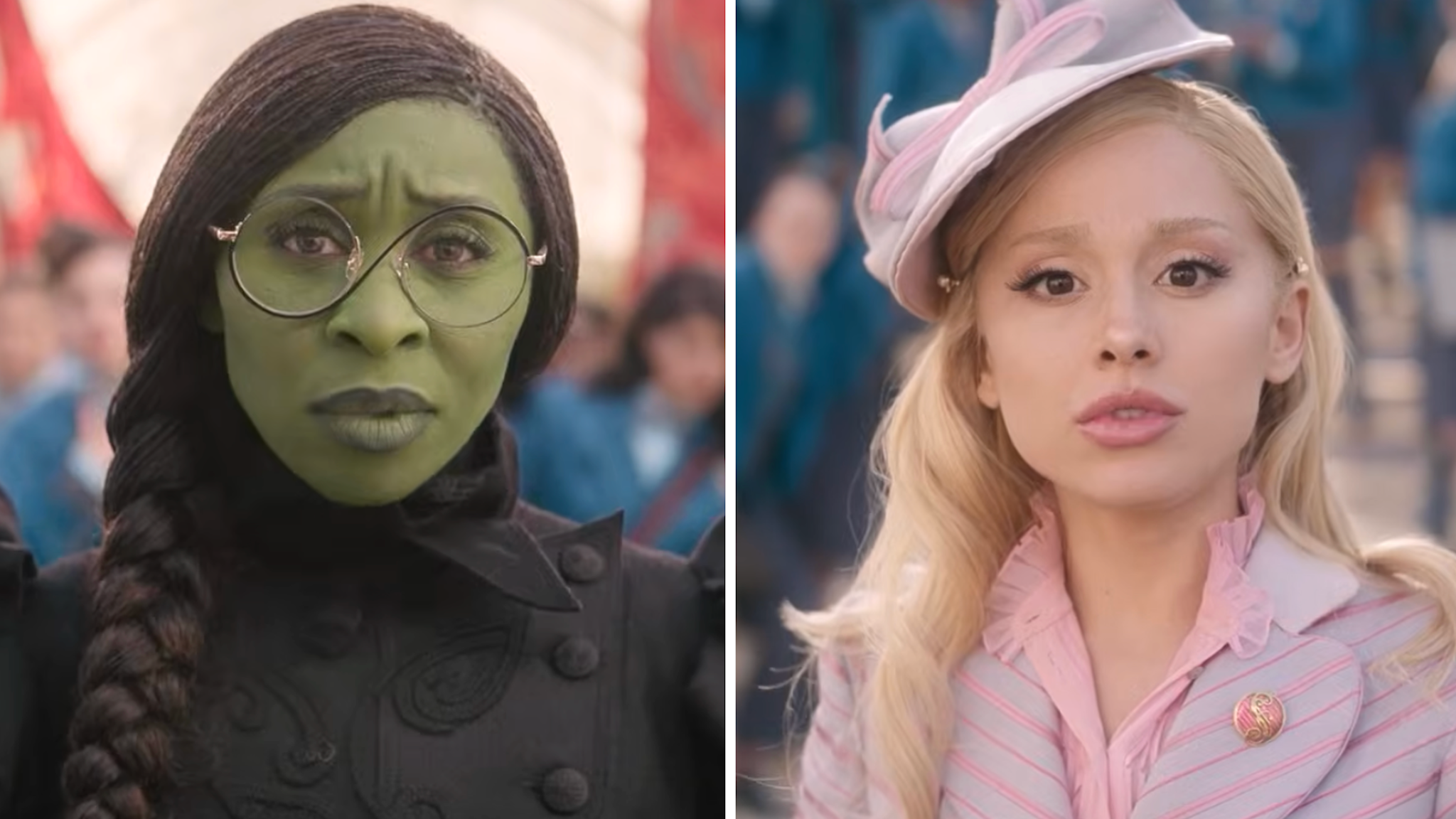
Behind its dazzling choreography, glittering costumes, and unforgettable musical numbers, Wicked (2024) holds up a brutal mirror to some of the darkest social dynamics in real-world history. The film adaptation does far more than simply tell the origin story of the Wicked Witch of the West; it delivers a scathing critique of how societies construct the “perfect enemy” to consolidate political control. Through the fantasy realm of Oz, the narrative dissects racial discrimination, the systematic oppression of minorities, and the dangerous rewriting of truth at the hands of those in power.
From Elphaba’s ostracization due to the color of her skin to the gradual stripping of animal rights, the story exposes tactics used by dictators and oppressive regimes for centuries. Analyzing Wicked through a sociopolitical lens reveals that its magical universe is alarmingly grounded in our own historical prejudices. Here are 7 key points on how the film uses its narrative to challenge racism, censorship, and social manipulation.
1. Elphaba’s Skin Color as a Parallel to Historical Racial Segregation
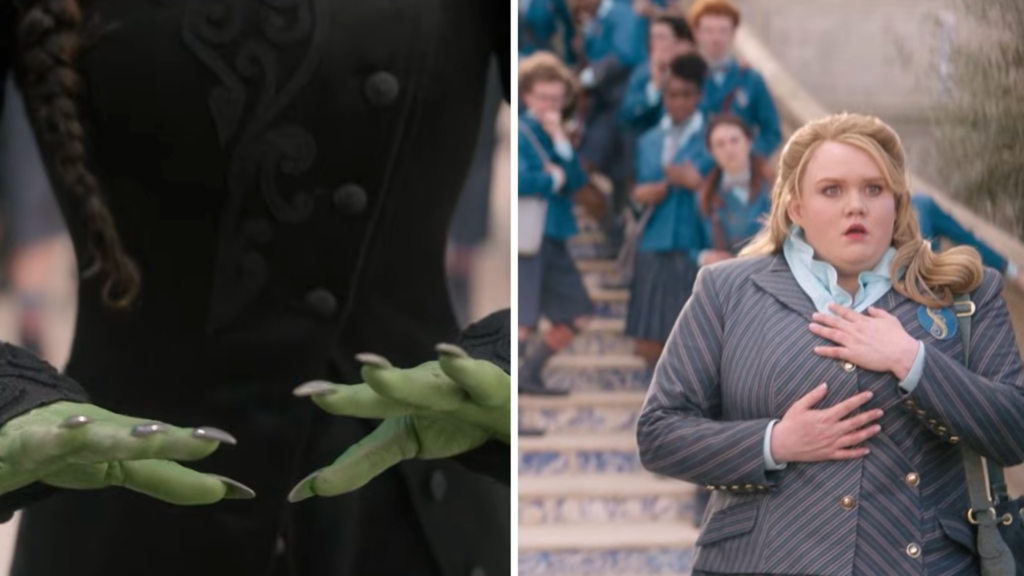
From the moment she is born, Elphaba is rejected by her own family and marginalized by Oz society solely because of her green skin tone. This constant hostility directly parallels the racial discrimination and segregation endured by marginalized groups throughout history, evoking dark eras like the Jim Crow laws in the United States, where physical appearance dictated a person’s rights, from public access to where they could sit on a bus. The film clearly demonstrates how prejudice is not born from an individual’s actions but from a collective fear of what is different.
2. The Censorship and Dehumanization of Animals as a Metaphor for Stripping Civil Rights
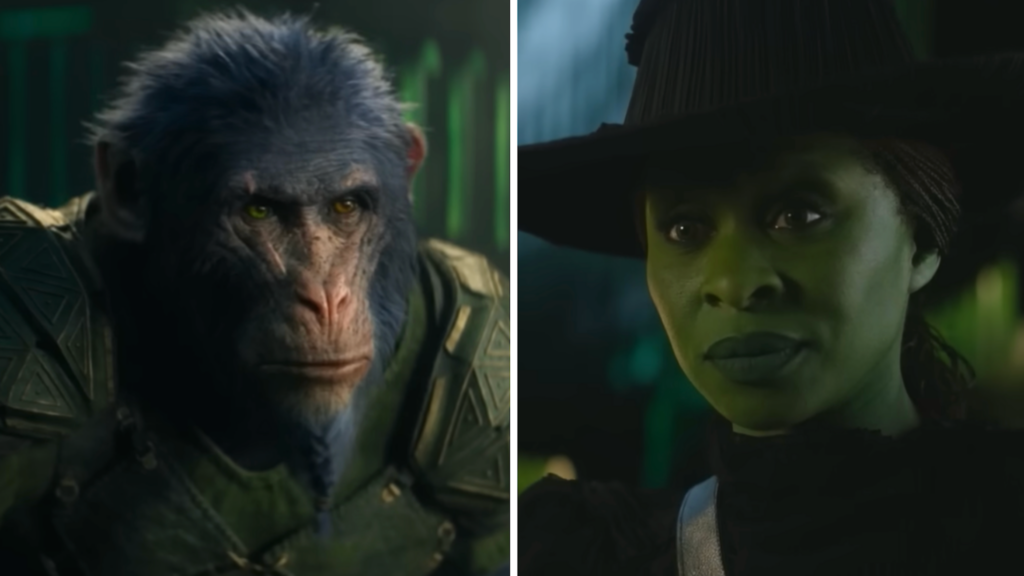
One of the darkest storylines in the film is the progressive loss of speech and rights experienced by the Animals of Oz, personified by Professor Dillamond. This systematic silencing and forced removal from academia is a direct reflection of how authoritarian regimes gradually strip targeted groups of their voice and dignity. By banning animals from teaching or expressing themselves, the Wizard’s government enforces a terrifying censorship campaign—a historic pattern of oppression that has always preceded the persecution of minorities.
3. The Wizard of Oz and the Dictatorial Control of Narrative Power
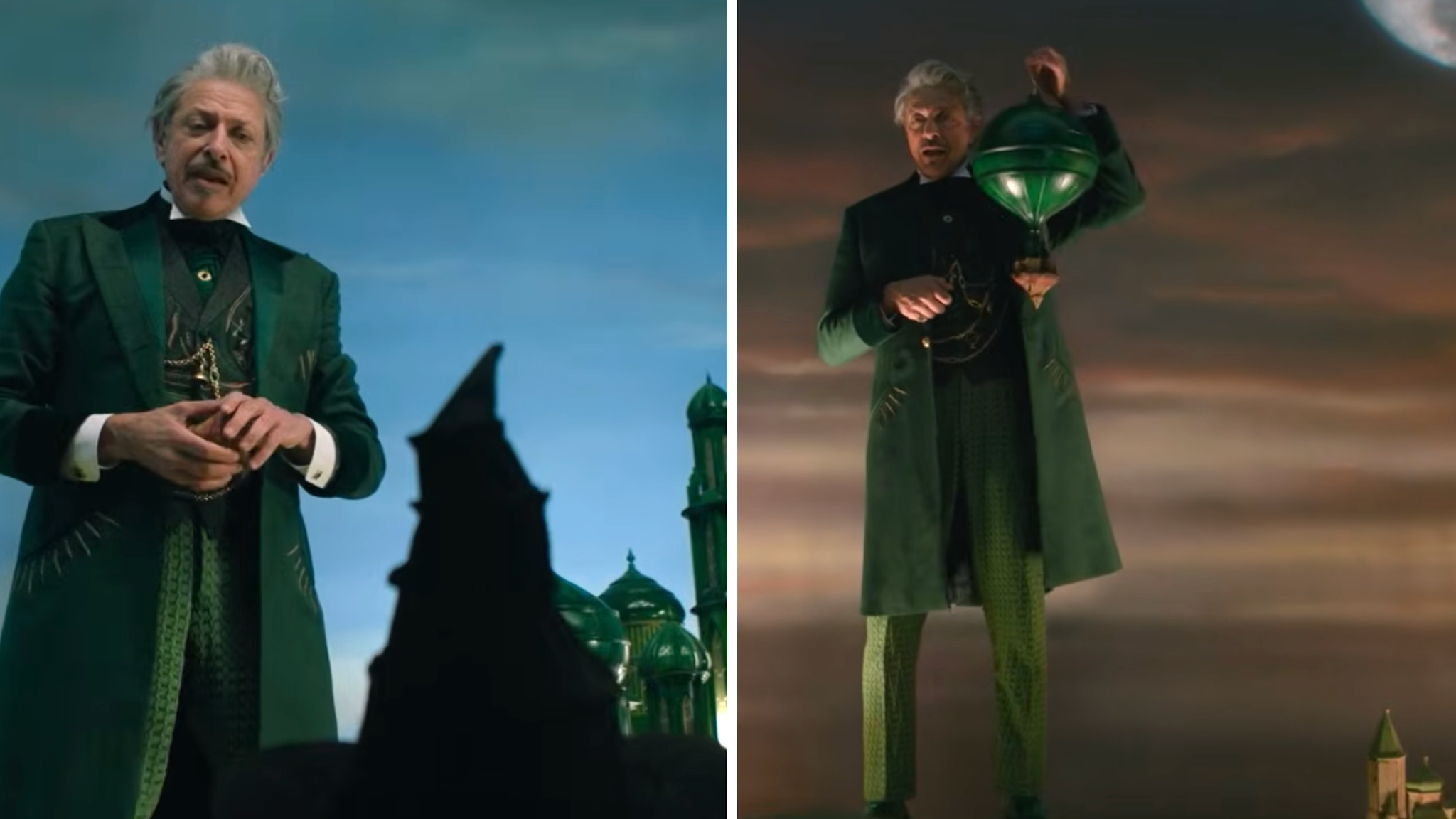
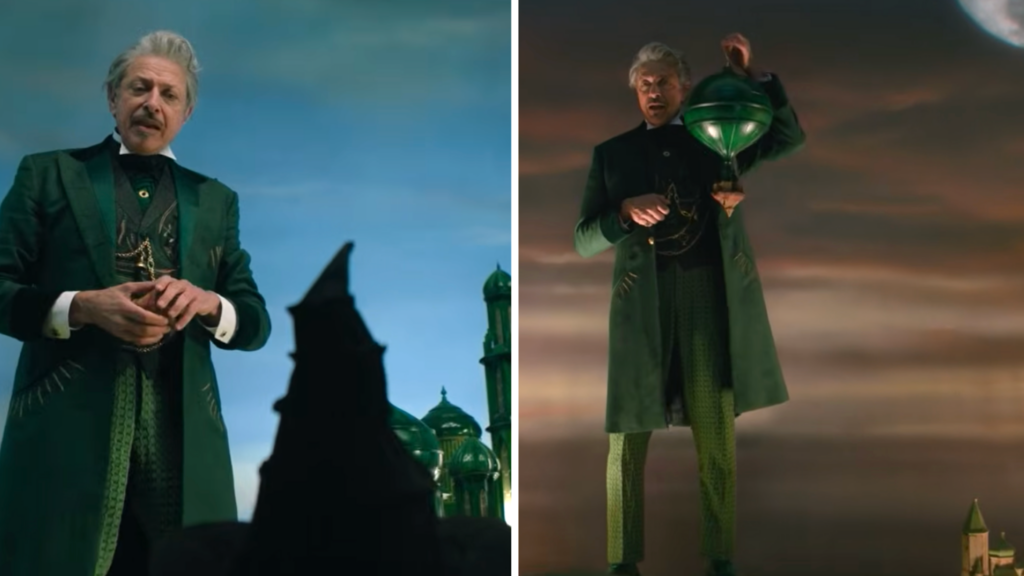
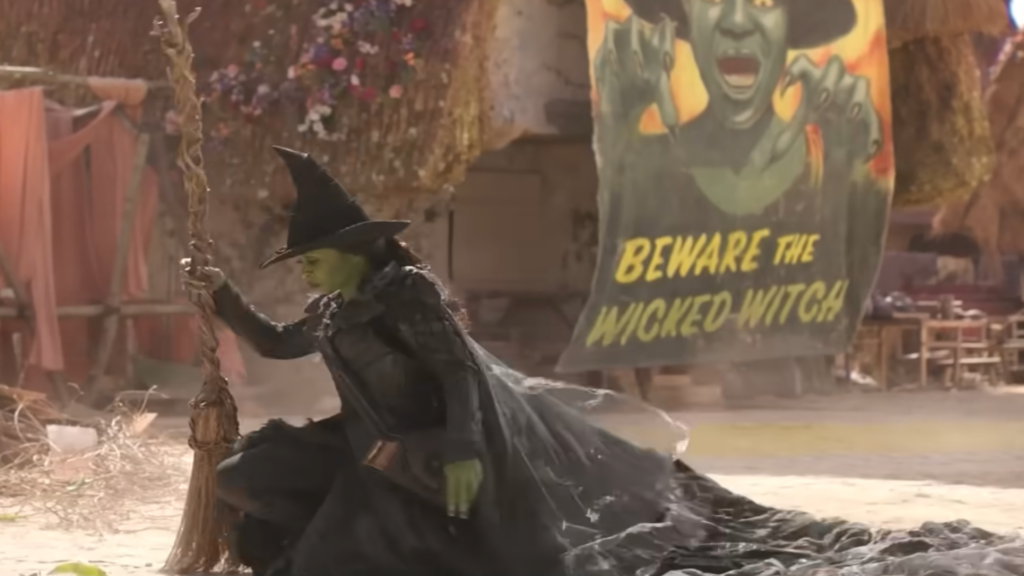
The Wizard’s true strength lies not in actual magic, but in his masterclass ability to manipulate public perception through propaganda. Like many real-world dictators and populist leaders, he understands that keeping a populace obedient requires manufacturing a scapegoat to distract from governmental failures. By branding Elphaba as the “Wicked Witch,” the regime transforms an activist fighting for justice into a public threat, proving the terrifying reach of monopolizing the narrative.
4. Glinda and the Complicity of Social Privilege
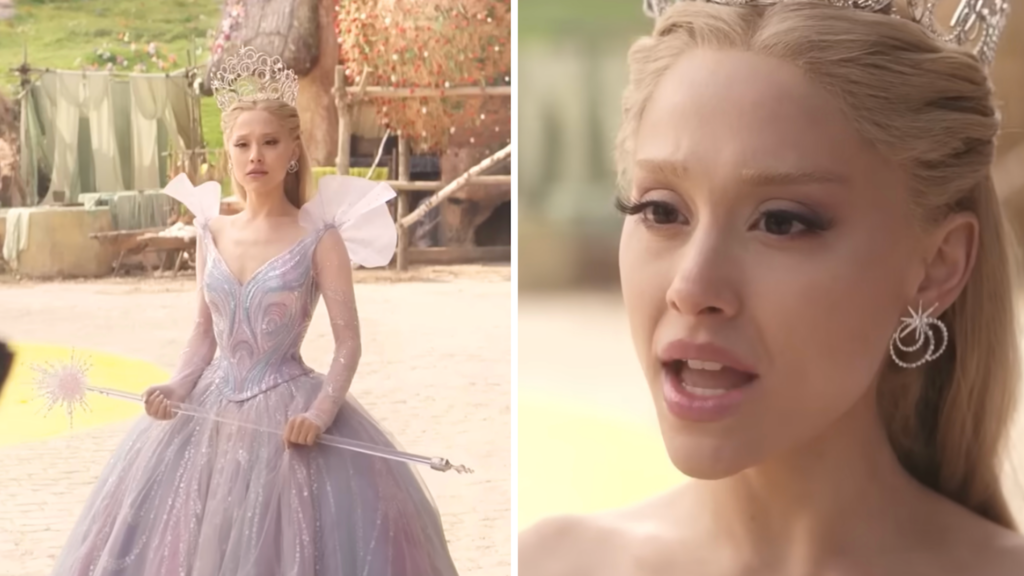
Glinda represents the segment of society that benefits from the status quo and prioritizes social acceptance over moral truth. Even after witnessing the blatant injustices inflicted upon Elphaba and discovering the Wizard’s corruption, Glinda hesitates to forfeit her popularity, public image, and systemic privilege. Her internal struggle highlights a timeless ethical dilemma: the thin line between neutrality and complicity, demonstrating how oppressive systems sustain themselves through the silence and conformity of the privileged majority.
5. Media Construction of the “Monster” to Justify Public Hatred
Throughout the story, official announcements, rumors, and government rhetoric radically rewrite public perception of Elphaba. A legitimate act of rebellion in defense of the oppressed is instantly reframed by those in power as an act of pure evil and threatening witchcraft. This tactic of weaponized smear campaigns mimics the historical role of state propaganda, where misinformation is deliberately spread to instill fear in the public and trick them into celebrating the persecution of dissidents.
6. The Facade of Utopia and the Dark Truth Behind the Emerald City
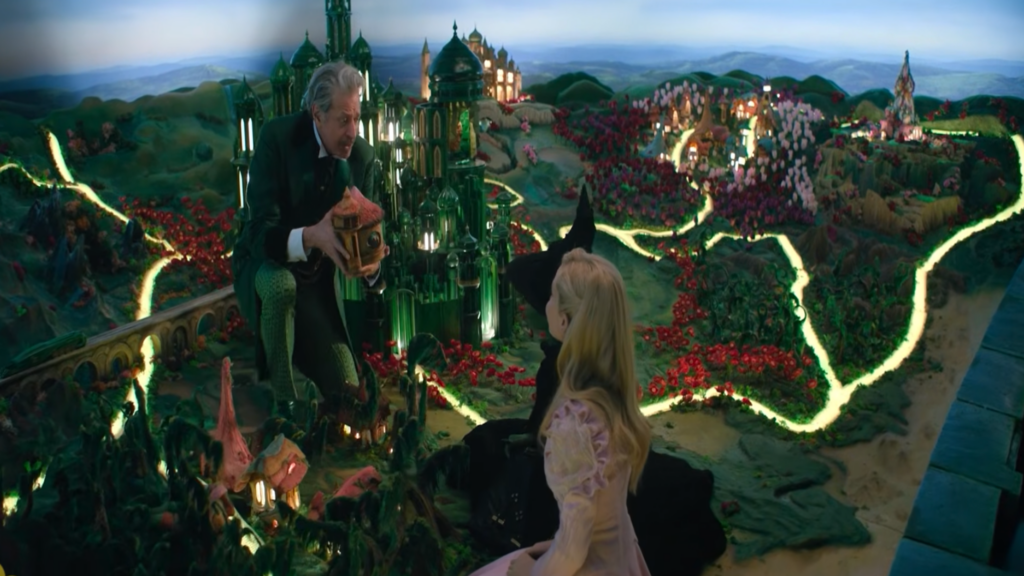
The Emerald City presents itself as the absolute pinnacle of progress, sophistication, and luxury, yet its glowing green facade is built on the hidden suffering of the marginalized. This duality critiques the hypocrisy of modern societies that display wealth and tolerance while ignoring the structural inequalities underneath. Much like major historical empires that flourished through colonial exploitation or segregated labor, Oz’s opulence masks the deep moral decay of its ruling institutions.
7. Ethical Resistance Over Forced Villainy
Elphaba’s journey proves that standing up for moral principles often carries a devastating personal cost, including social exile and character assassination. By accepting the label of being “wicked” rather than submitting to a corrupt system, she embodies the historic figure of the brave dissident who chooses persecution over the loss of integrity. Wicked reclaims the concept of the villain, turning the “witch” label into a symbol of heroic resistance against tyranny.