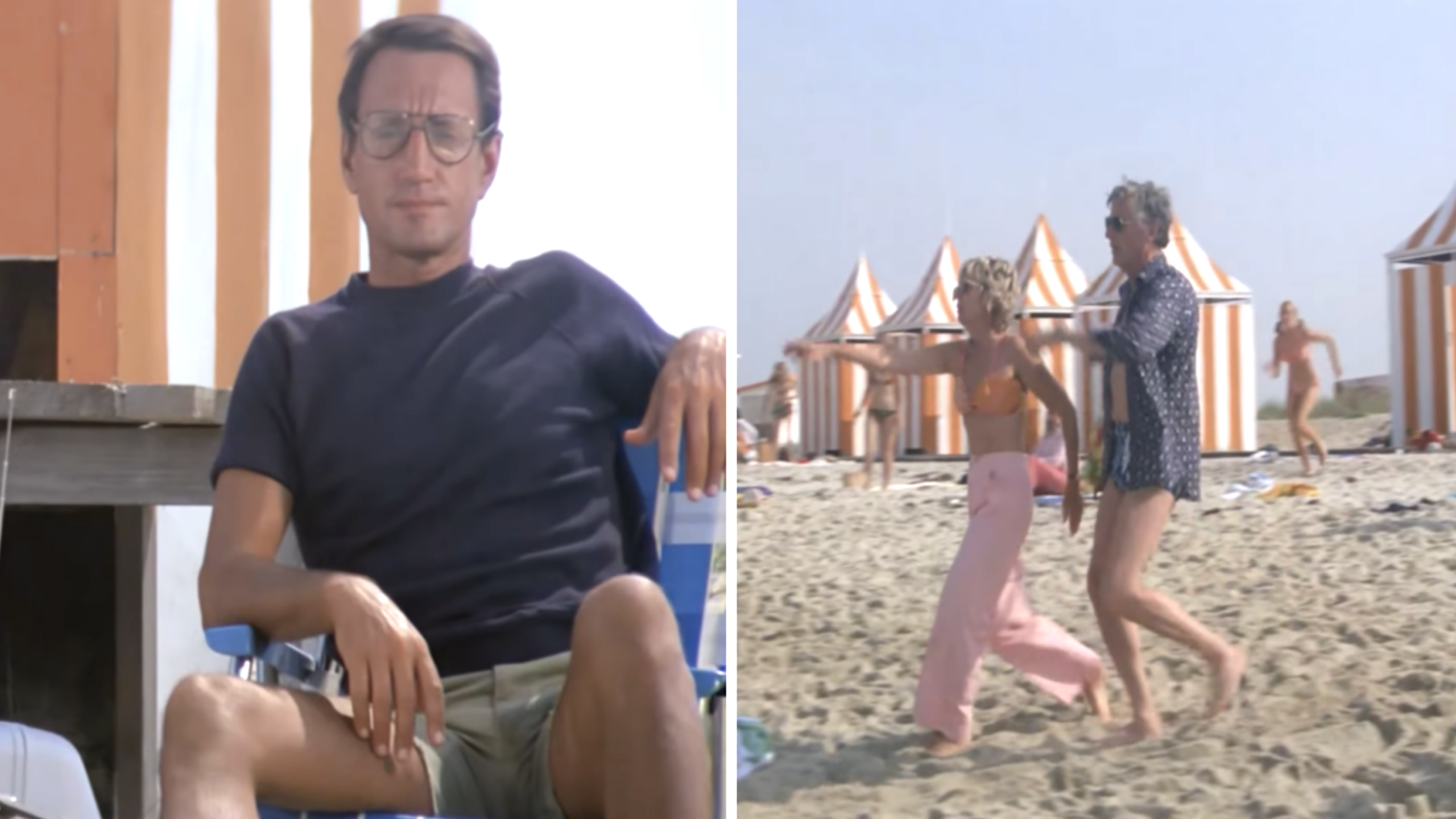
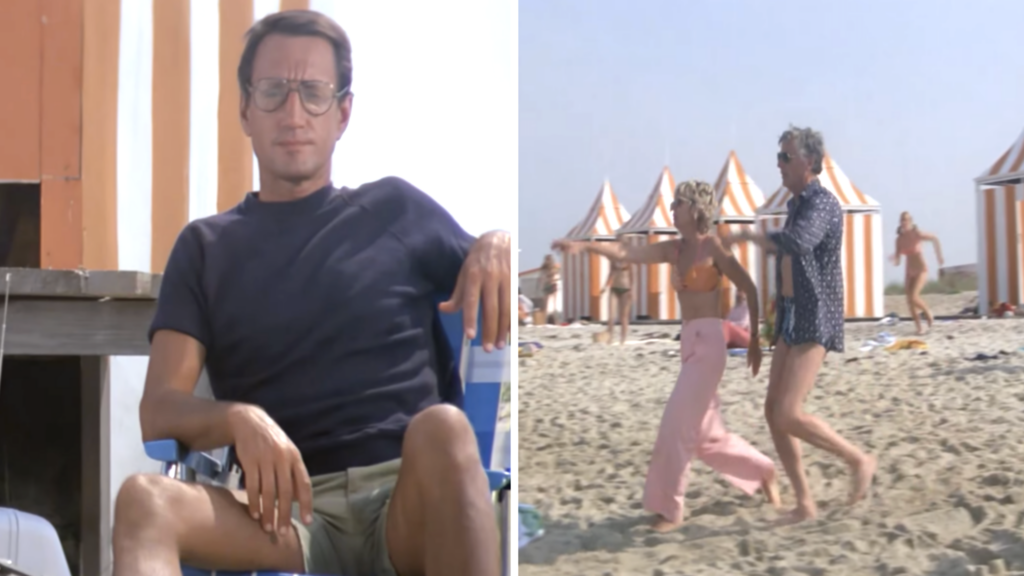
When Steven Spielberg’s Jaws arrived in theaters on June 20, 1975, it changed the way audiences looked at the ocean. The 27-year-old director turned Peter Benchley’s bestselling novel into a phenomenon that helped define the modern summer blockbuster. The film earned four Academy Award nominations and won three, for Film Editing, Original Score, and Sound. More than two decades later, Jaws received another major distinction when it was selected for preservation in the National Film Registry in 2001 for its cultural, historical, and aesthetic significance.
But part of what makes Jaws so powerful today is how convincingly it captured a real American coastal summer. Spielberg filmed much of the movie on Martha’s Vineyard, using the island and its beaches to create the fictional Amity Island. The production even filmed the famous beach scenes at Joseph Sylvia State Beach, turning ordinary vacationers, families, and children into part of one of cinema’s most recognizable settings.
More than 50 years later, those scenes have become something else, too: snapshots of what a summer day on the American coast looked like in the 1970s. But there is a catch. Every one of these seemingly peaceful images hides the same terrifying secret. The shark is coming.
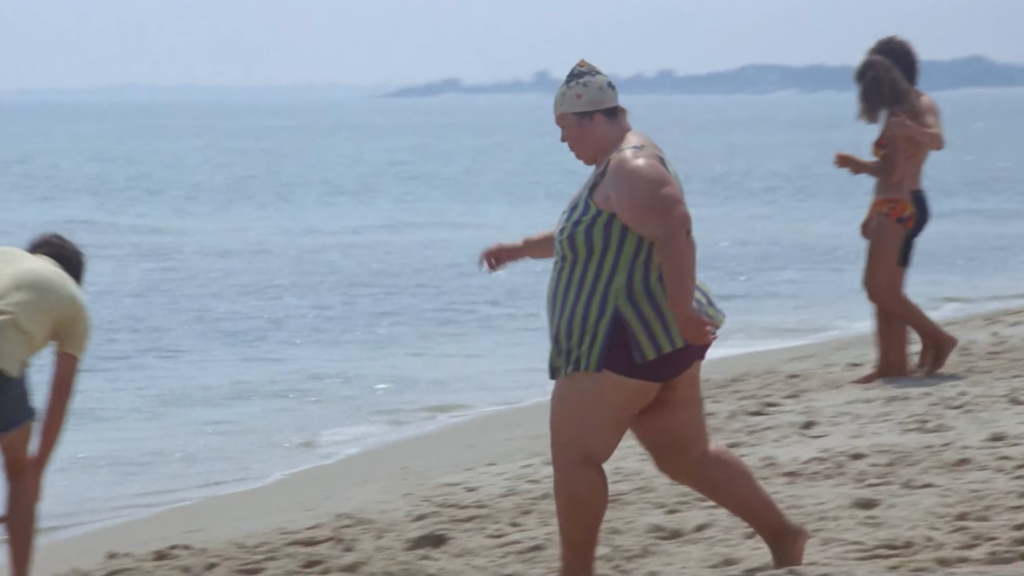
1. Bright Colors, Lots of Personality
The beach was a place to stand out. Bright swimsuits, bold colors, and plenty of personality fill the frame, while the wide stretch of sand looks remarkably clean and uncluttered. No plastic bottles or modern clutter in sight. It is one of those little details that quietly tells us we are definitely not looking at a 2026 beach.
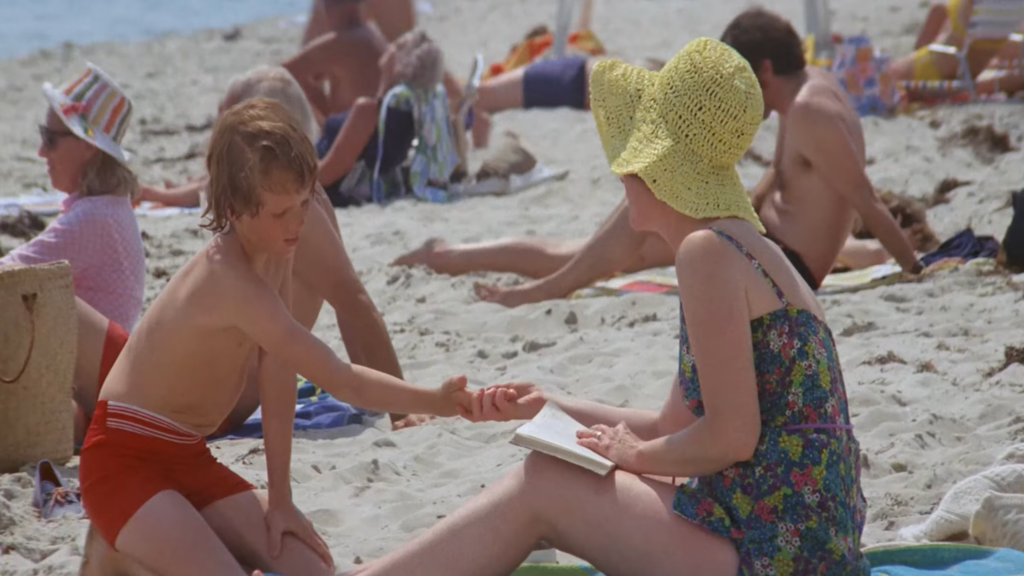
2. The ’70s Knew How to Do a Beach Day
Woven sun hats, short swim trunks, floral prints, and a paperback book were all part of the scene. Even the way people dressed and relaxed on the sand had a distinct personality in the 1970s. This frame captures those little details that make the era instantly recognizable, from the oversized hat to the simple pleasure of sitting by the water with a good book.
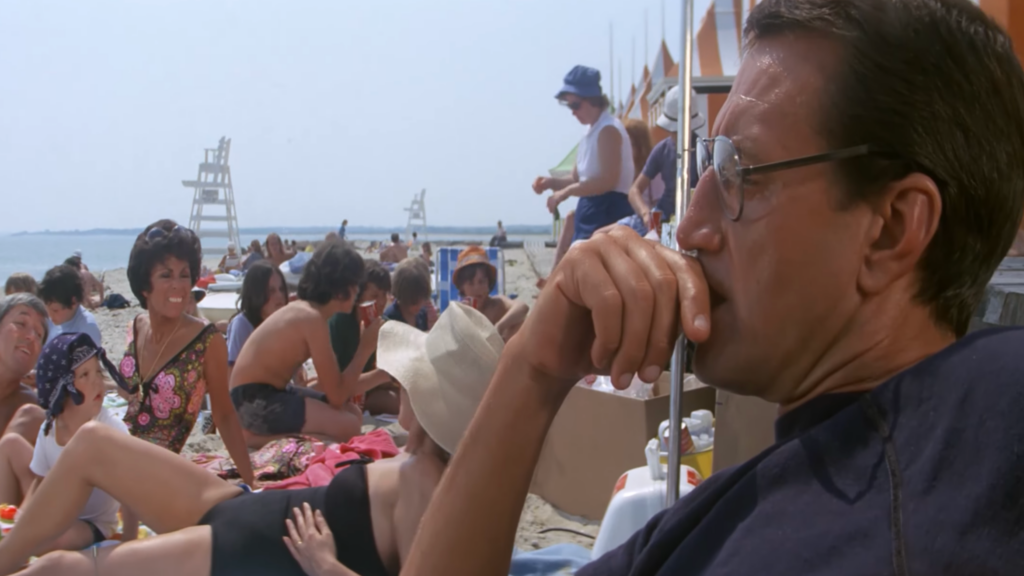
3. Families Everywhere, Not a Cell Phone in Sight
The beach is packed with families, colorful swimsuits, and plenty of personality. But what really stands out is where everyone is looking: at each other. No one is staring down at a phone. The smiles and conversations are directed toward the people beside them, while the real company is the family, the sunshine, and the waves.
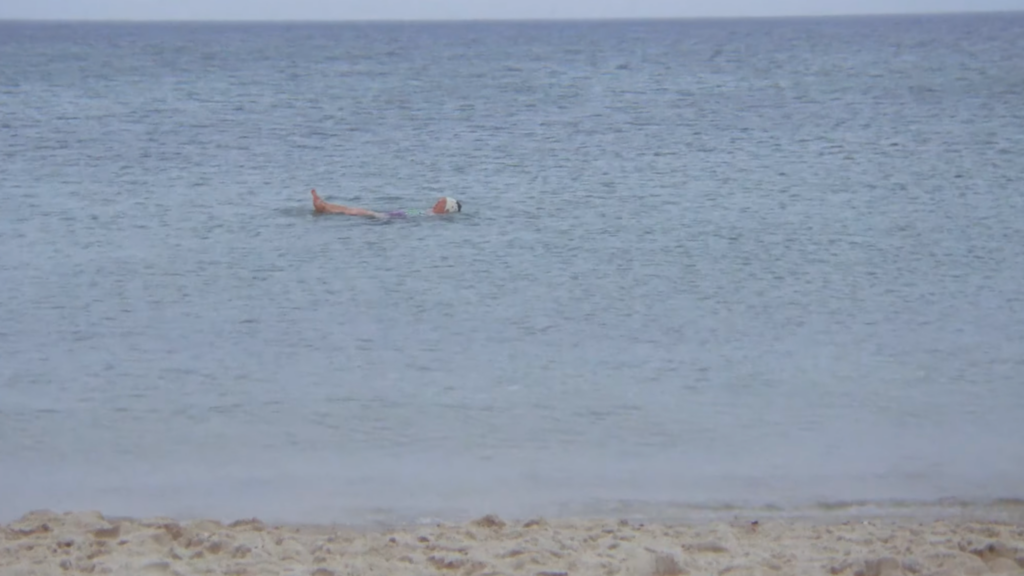
4. Mellow Was the Mood
Floating in the water and letting the sun warm you up was about as relaxed as a summer day could get. He is not rushing anywhere, just drifting with the waves and enjoying the moment. Mellow was the mood, and this kind of carefree beach life feels unmistakably ’70s.
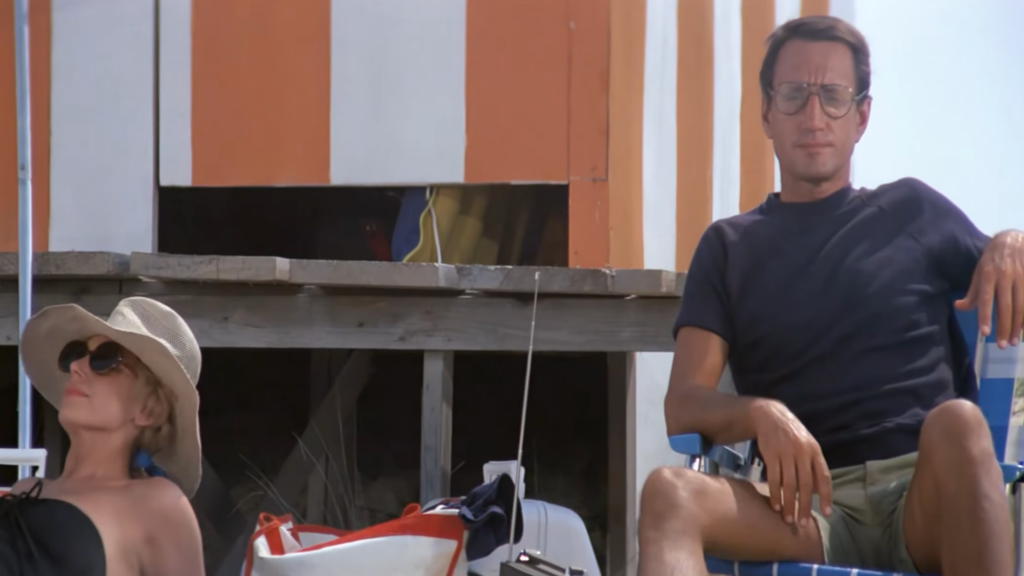
5. The Radio Was Everything
A blue beach chair, the sun overhead, and a radio sitting right beside it. There was something beautifully simple about that setup.
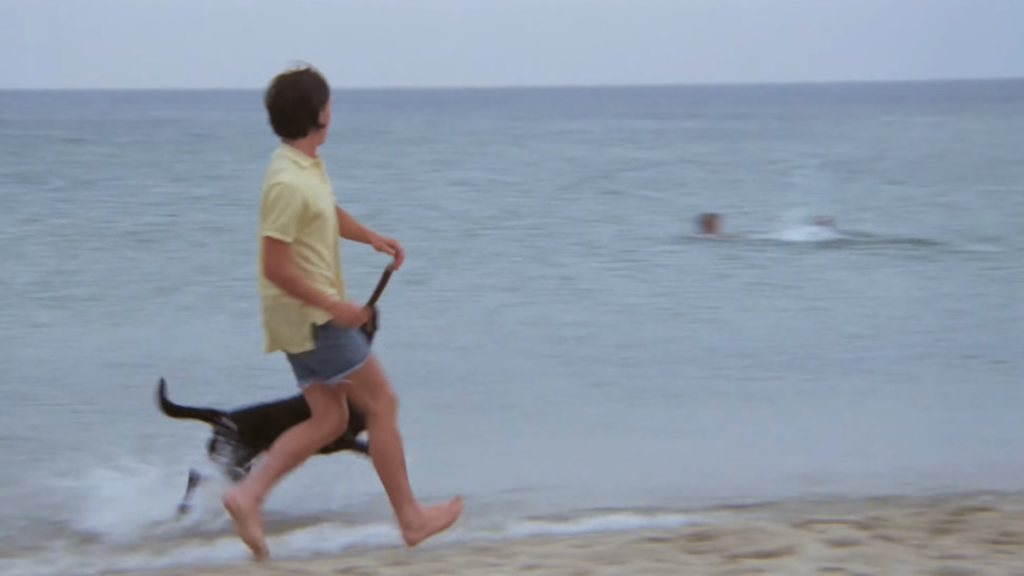
6. A Stick Was All the Fun You Needed
No fancy toys, no complicated games. A dog, a stick, and someone willing to throw it was enough to turn an ordinary beach day into entertainment. This little moment captures something wonderfully simple about summer life in the 1970s: sometimes the best way to have fun was the easiest one.
7. The Beach Cooler Was a Summer Essential
A cooler packed with cold drinks was part of the beach routine. In those days, going to the beach was often an all-day plan, so you had to arrive prepared. You brought your sodas, found a spot in the sand, and settled in for the afternoon.

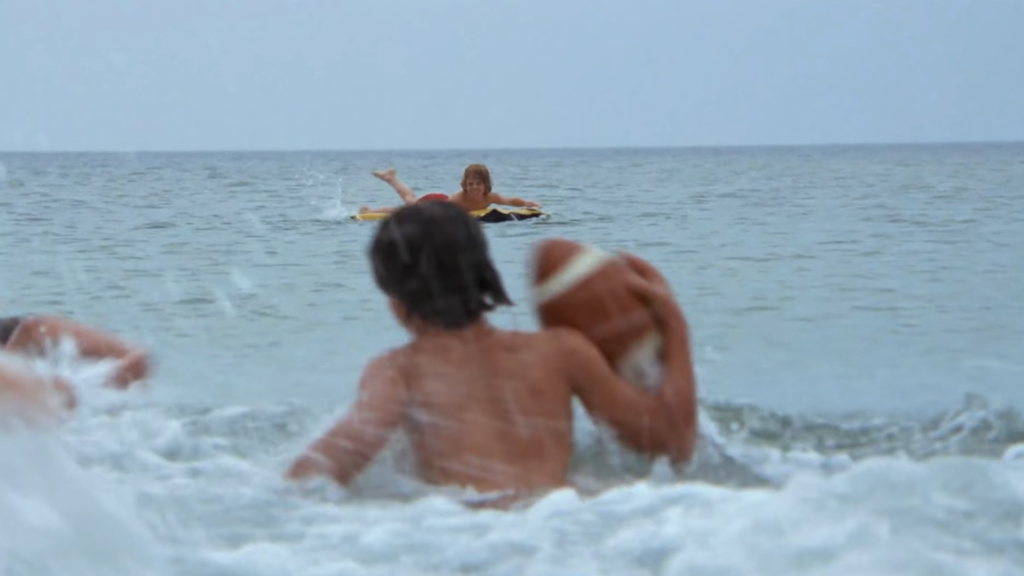
8. The Beach Was the Playground
The water was not just for swimming. Kids brought a football, jumped into the waves, and made up their own games with whoever was around. Scenes from the 1970s show how much of beach fun came down to simple, spontaneous activities like tossing a ball around in the water.
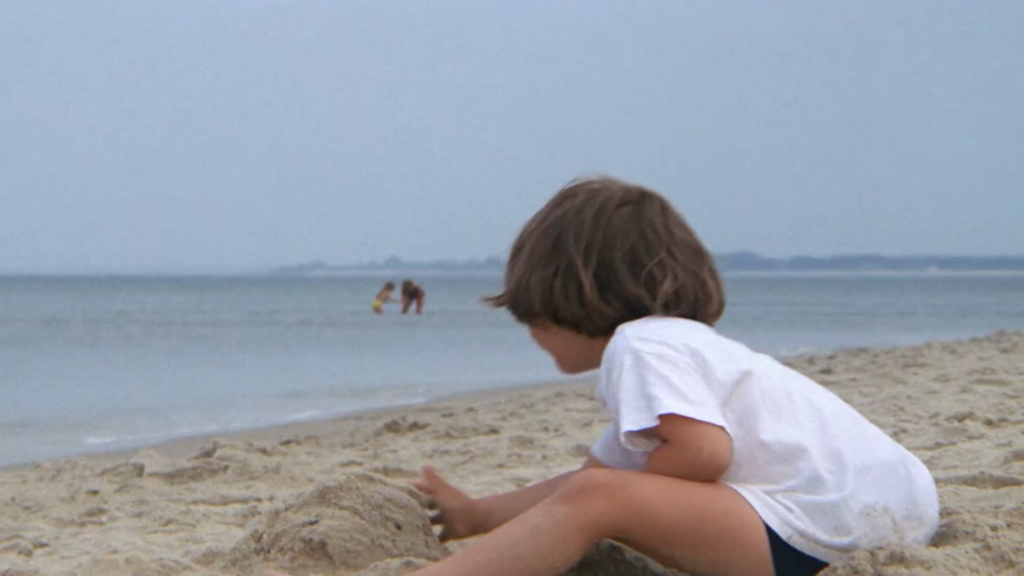
9. No iPad Kids
There were no iPads to keep kids entertained at the beach. Instead, a pile of sand could become a castle, a fort, or whatever their imagination came up with. For a generation that had to make its own fun, building in the sand was more than enough.
10. Beach Cabanas Were Part of the Experience
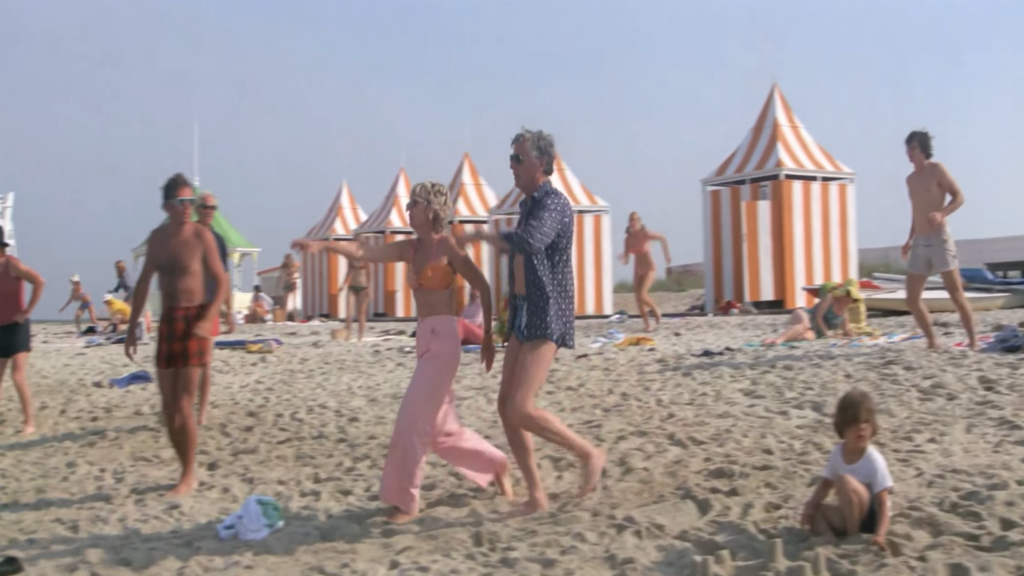
Those striped beach cabanas in the background are one of the details that immediately place this scene in another era. These colorful changing huts and sun shelters were once a familiar part of beach life, while the bold swimwear, sunglasses, and patterned clothes add even more to the unmistakable ’70s look. Even the architecture of the beach was different back then.