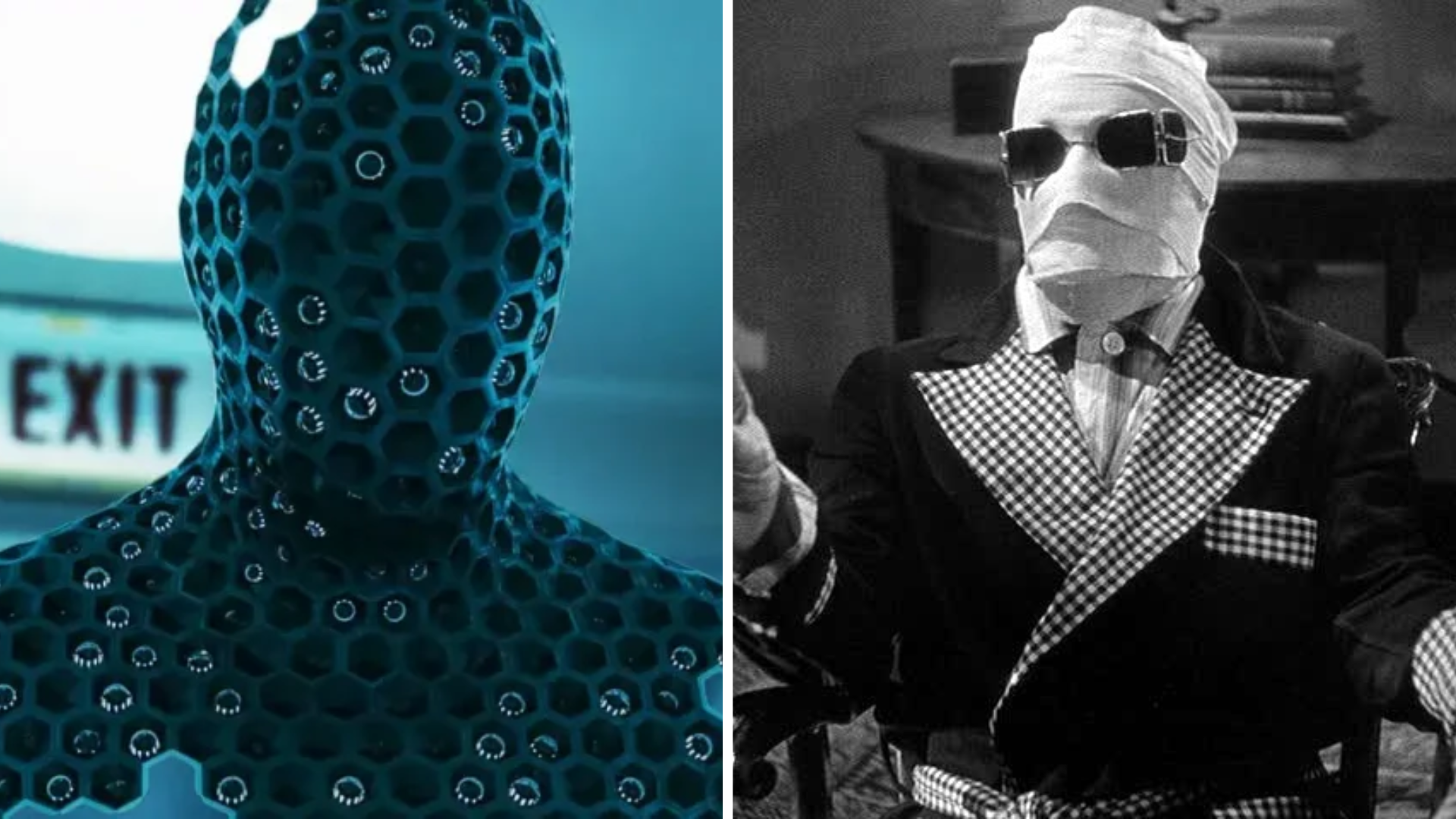
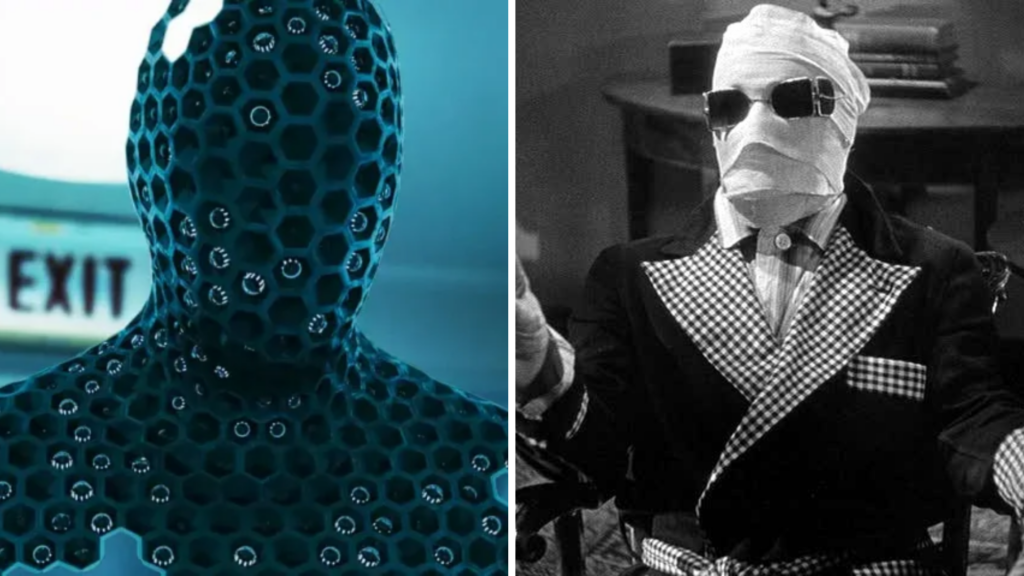
Universal’s Invisible Man has been around since 1933, and the character has never quite stayed still. From Claude Rains unwrapping his bandaged face in a village inn to Elisabeth Moss standing alone in a hallway, listening for something she cannot see, the monster has kept pace with what actually frightens people. These seven shifts trace how the studio took one of its oldest creatures and rebuilt it for a world that looks very different from the one H. G. Wells imagined in 1897.
1. From lab coat to optical-fiber suit
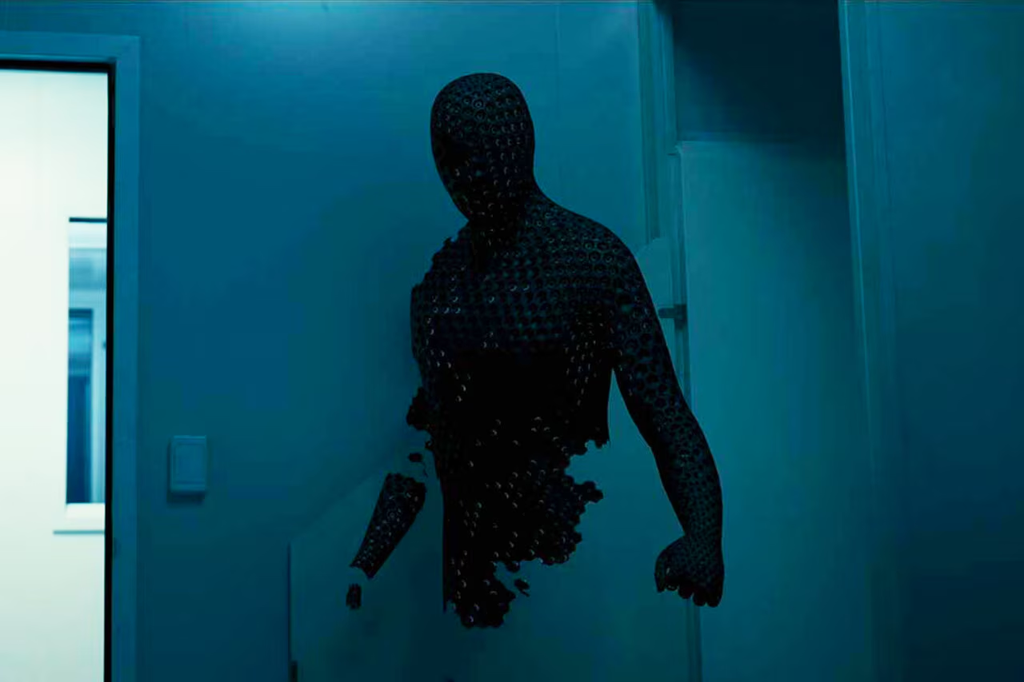
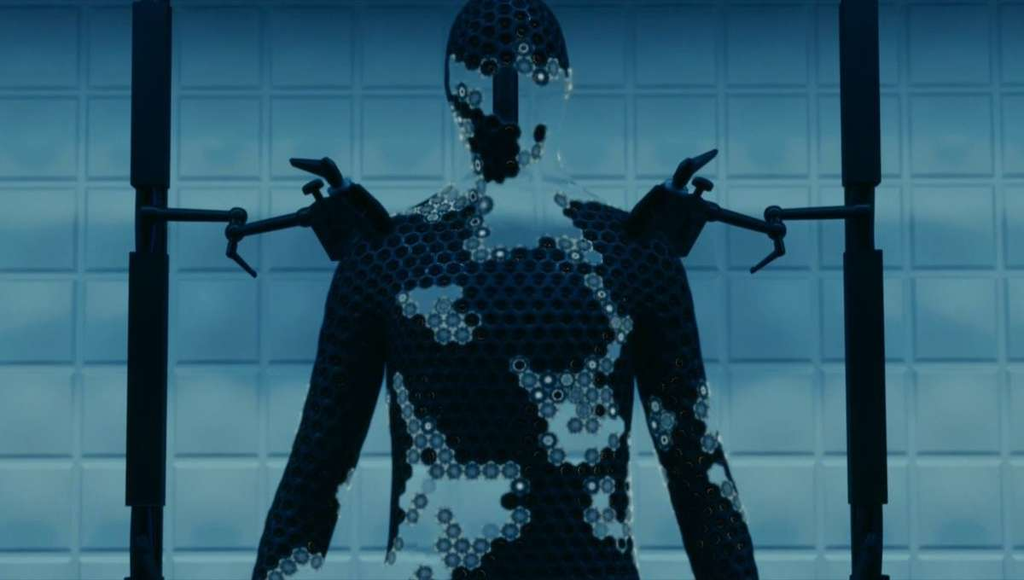
In the 1933 original, Dr. Jack Griffin drinks a drug of his own making and disappears. The science is vague by design: this is a man undone by ambition, not engineering. The 2020 film replaces that entirely. When Cecilia finds Adrian’s lab, she uncovers a high-tech optical-fiber suit, the kind of thing that feels one or two product cycles away from something real. That shift from potion to prototype changes everything: the monster is no longer a reckless scientist. He is a man with resources, planning, and a very specific target in mind.
2. From comedy relief to calculated gaslighter
The 1933 film lets Griffin have some fun. He terrorizes villagers, pulls pranks, and plays the chaos for dark laughs. The 2020 version has no interest in that. At a dinner table scene, Adrian uses his invisibility to make Cecilia look unstable in front of the people she trusts most. There is nothing playful about it. Every move is deliberate, designed to isolate her and discredit her before she can be believed. Leigh Whannell turned the Invisible Man from a figure of grotesque comedy into something more familiar and harder to laugh off.
3. From male protagonist to terrorized woman
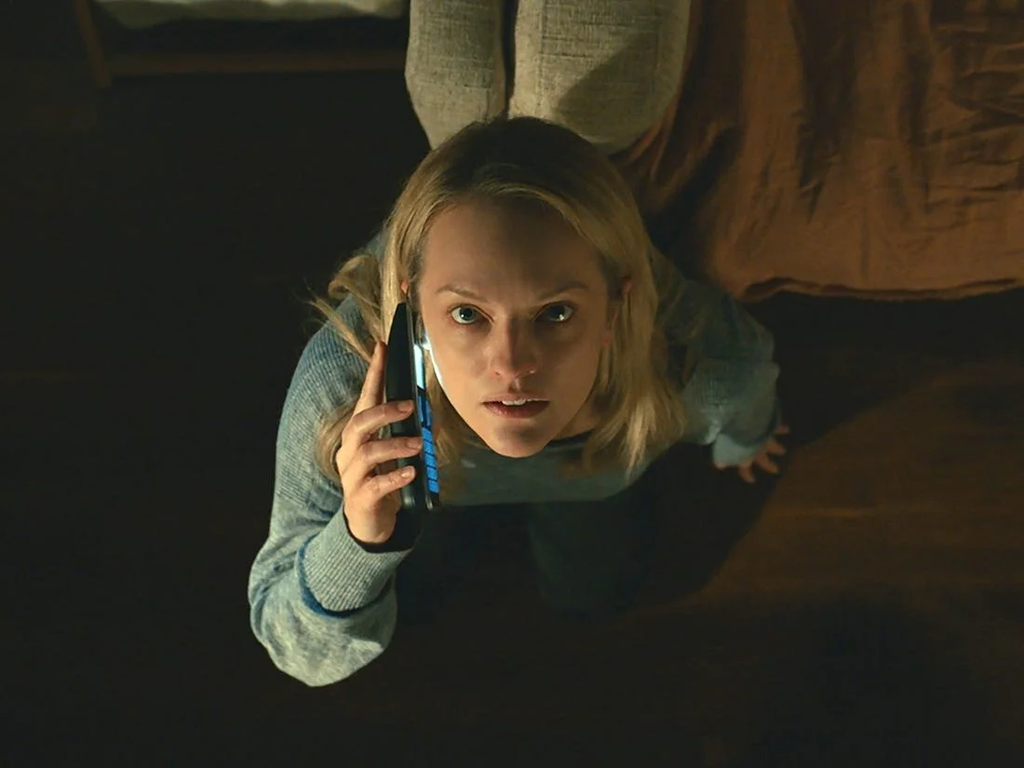
For more than eight decades, the Invisible Man was the story. Griffin’s descent, Griffin’s madness, Griffin’s end. The 2020 film reassigns the center of gravity completely. Cecilia is the one we follow, and the camera stays with her as she moves through a house she does not trust, stops at the top of a staircase, and listens to a hallway that looks empty. Elisabeth Moss carries almost every scene on her own, and the film earns its tension by making the audience feel what she feels: the certainty that something is there and the knowledge that no one will believe her.
4. From open streets to a locked-down house
The 1933 Invisible Man spreads his chaos across a village, a road, and a train. He is everywhere, and that is part of what makes him dangerous. The 2020 film does the opposite. Its opening sequence takes place almost entirely inside Adrian’s modernist cliff-side home, and the confinement is the point. Cecilia has to get out of that house quietly and carefully, without waking anyone. The architecture itself becomes a threat. Where the original used open spaces to show what an invisible man could do to the world, the remake uses a locked room to show what he has already done to one person.
5. From bandages and goggles to nothing visible at all
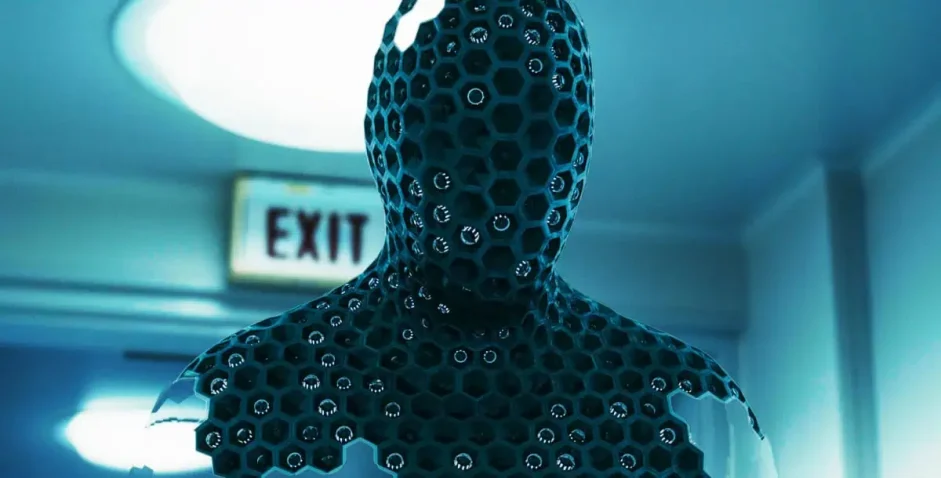
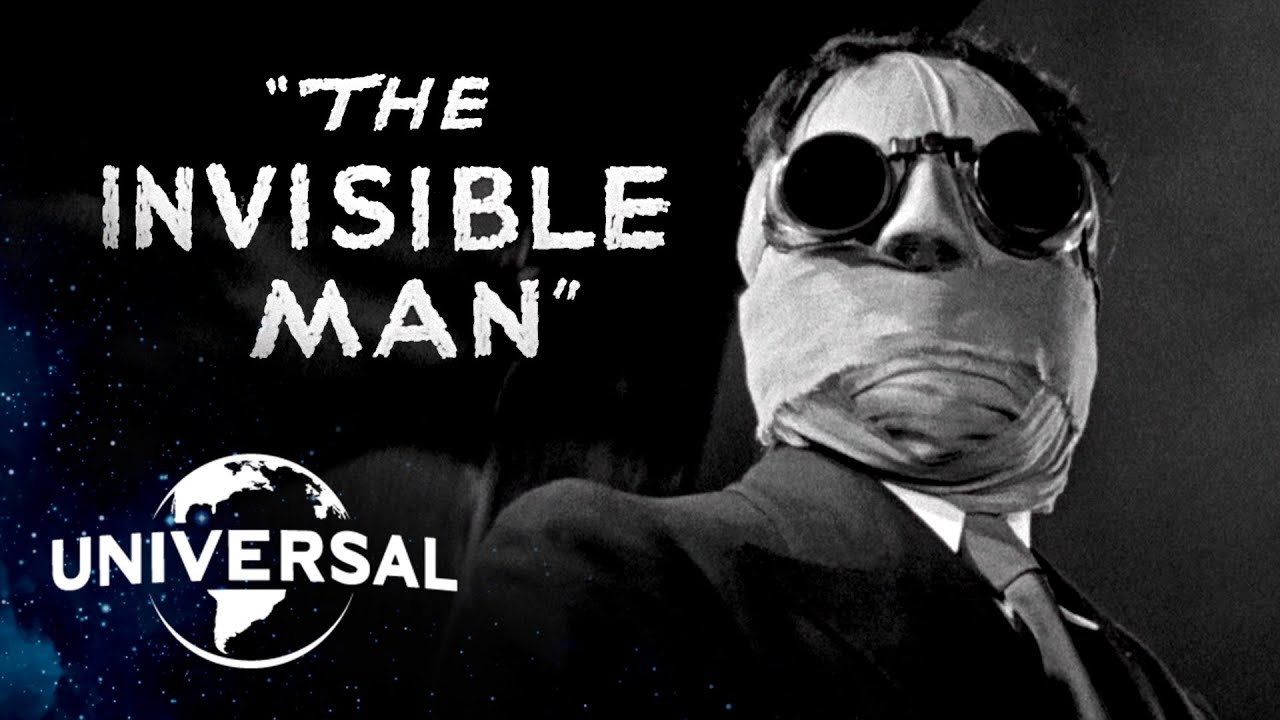
Claude Rains spent much of 1933 wrapped in bandages, wearing dark glasses and a coat, a figure that had to hide its invisibility behind layers of cloth. The image became one of Universal’s most recognizable monster looks. The 2020 film removes all of that. When Adrian is in the suit, there is simply nothing there. A chair moves on its own. A glass shifts. The air in a room feels wrong. The absence of any visible figure is harder to process than a bandaged face, because the audience’s eye keeps searching for something to land on and keeps finding nothing.
6. From creature feature to domestic abuse thriller
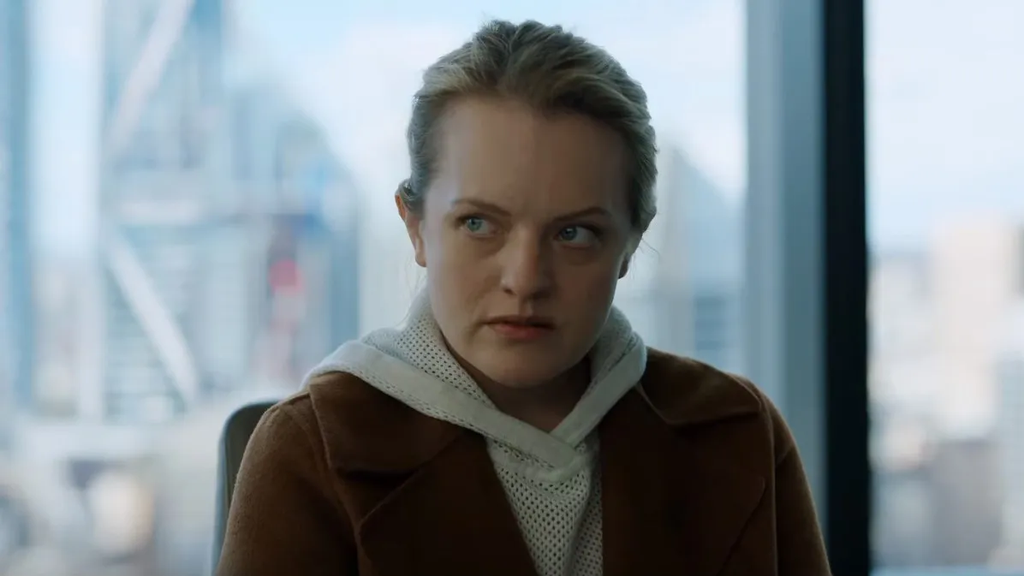
The 1933 film fits comfortably alongside Dracula and Frankenstein: a scientist crosses a line, the experiment goes wrong, and the consequences are monstrous. The 2020 version uses the same premise to tell a different kind of story. When Cecilia shows her sister the bruises and tries to explain what is happening to her, the scene is not about a monster in the classic sense. It is about a woman trying to be believed by people who cannot see what she sees. Whannell built the film around that specific experience, and the invisibility suit is less a sci-fi device than a way of making a familiar pattern of control visible to an audience.
7. From Universal monster marathon staple to streaming sensation
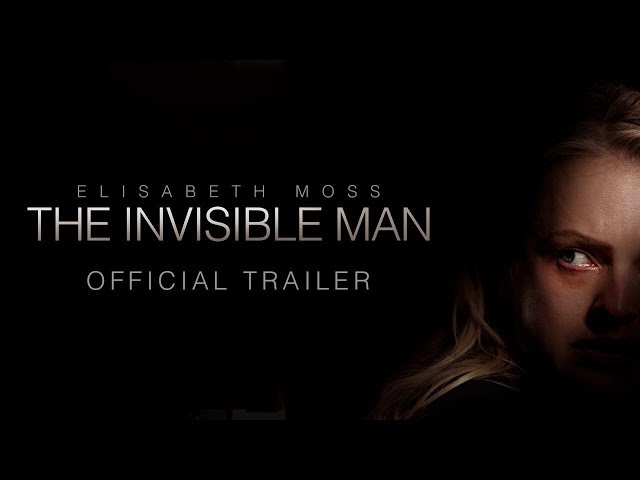
The 1933 film has spent decades doing exactly what a classic Universal monster movie is supposed to do: anchor late-October marathons, anchor box sets, and show up on cable at midnight. The 2020 version had a different path. It opened in theaters on February 28, 2020, and three weeks later was available for digital rental after the pandemic cut its theatrical run short. It still managed to gross $145 million worldwide against a $7 million budget. A monster that started in a Universal studio nearly ninety years ago found a new audience watching alone at home, which, given the subject matter, feels about right.
To watch or buy The Invisible Man (2020), click here: https://www.amazon.com.com/Invisible-Man-Elisabeth-Moss/dp/B084SDJ2ST