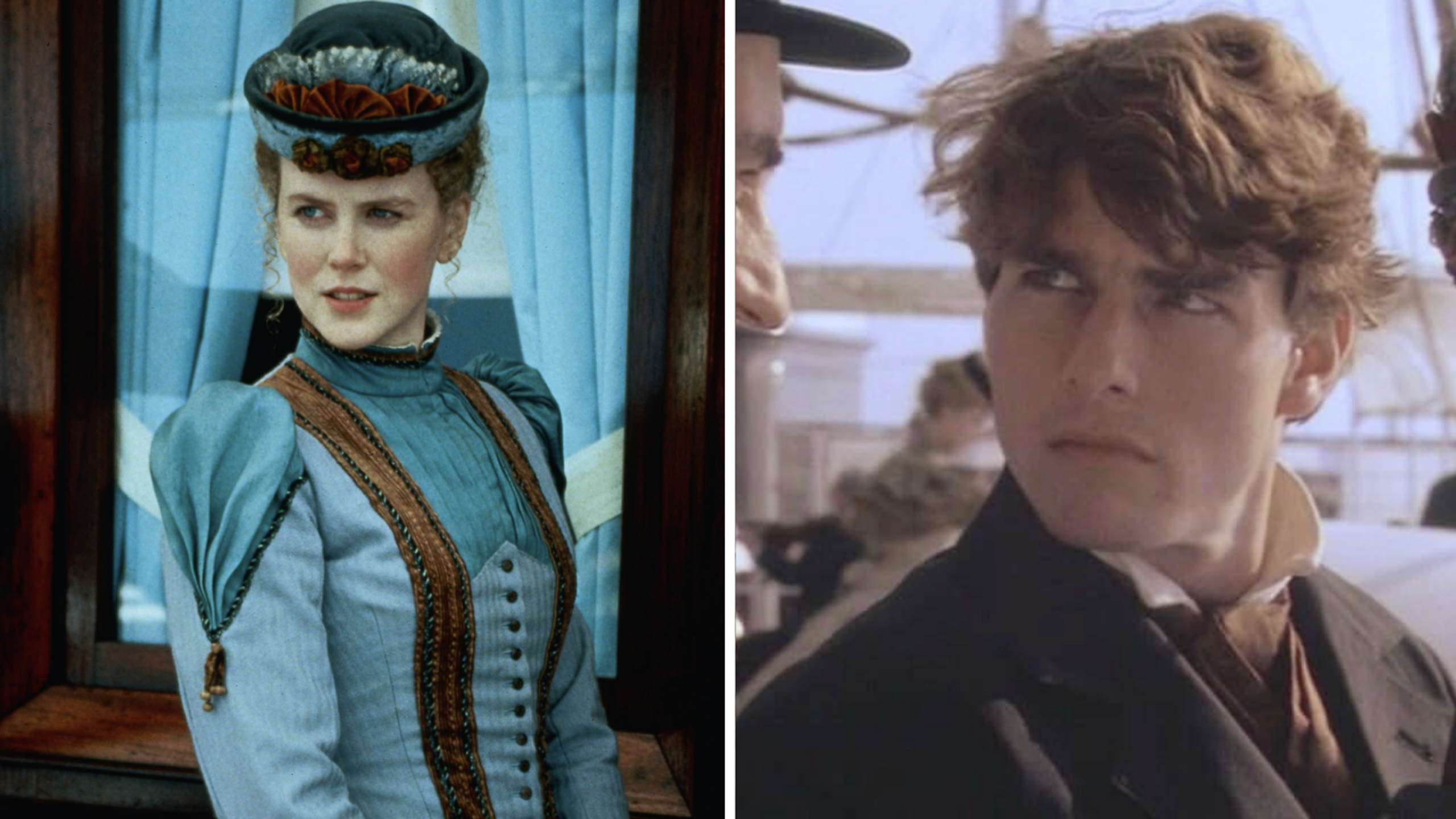
Far and Away (1992) follows two Irish immigrants across the Atlantic and halfway across America, chasing land they can actually call their own. Ron Howard set the story in the 1890s, and the details he put on screen do most of the work of placing you there. Here are six things you can see in the film that tell you exactly when this story is happening.
1. Tenement rooms shared by strangers for survival
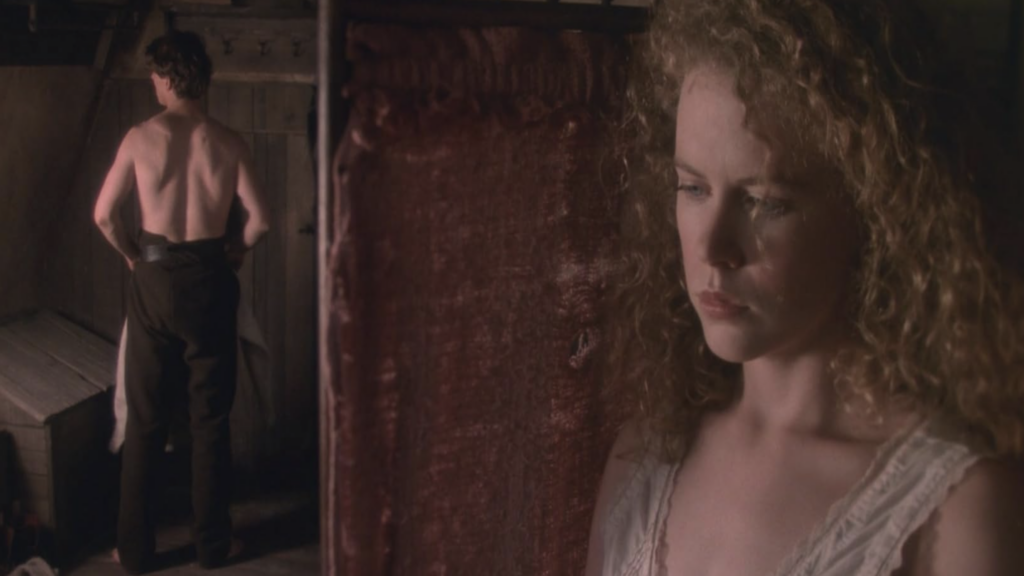
Early in the film, Joseph and Shannon end up sharing a cramped boarding-house room in Boston. That arrangement was not a screenwriter’s convenience. In 1890, journalist Jacob Riis documented New York tenements where a single small apartment could hold more than a dozen people, men and women in the same room, because that was what the rent allowed. The film does not explain any of this. It just shows two people from completely different backgrounds squeezed into the same space, which is all it needs to do.
2. A bare-knuckle fight as the only job available
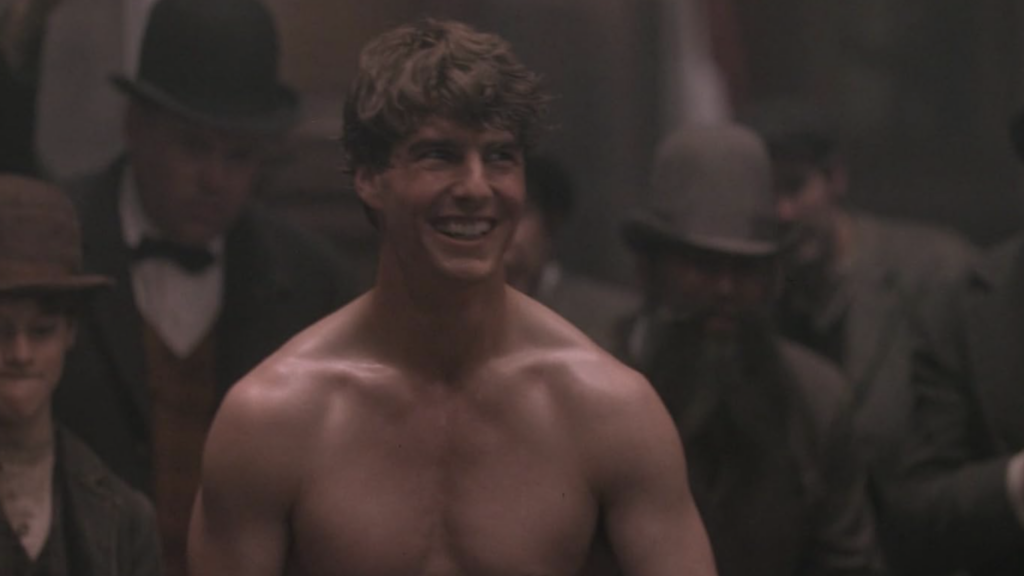
Joseph does not walk into a factory or an office. He walks into a Boston fight club and takes punches for rent money. The last major bare-knuckle heavyweight title fight on record happened in July 1889, between John L. Sullivan and Jake Kilrain, going 75 rounds. By the time Joseph arrives in America, bare-knuckle bouts were illegal in every state, which is exactly why they happened in back rooms and private clubs. The movie does not need a title card to tell you the year. The setup does it for you.
3. Shannon’s gloves mark her as the richer one
Shannon arrives in Boston in a full period dress, gloves included. Joseph shows up in a working-class coat. That gap between them is not just personal history; it is stitched into what they are wearing. In the 1890s, a woman’s gloves told people everything: the material, the fit, whether they were mended or replaced. Wealthy women bought new ones rather than repaired old ones because the whole point was to show that their hands did not do rough work. Shannon’s gloves say all of that before she opens her mouth.
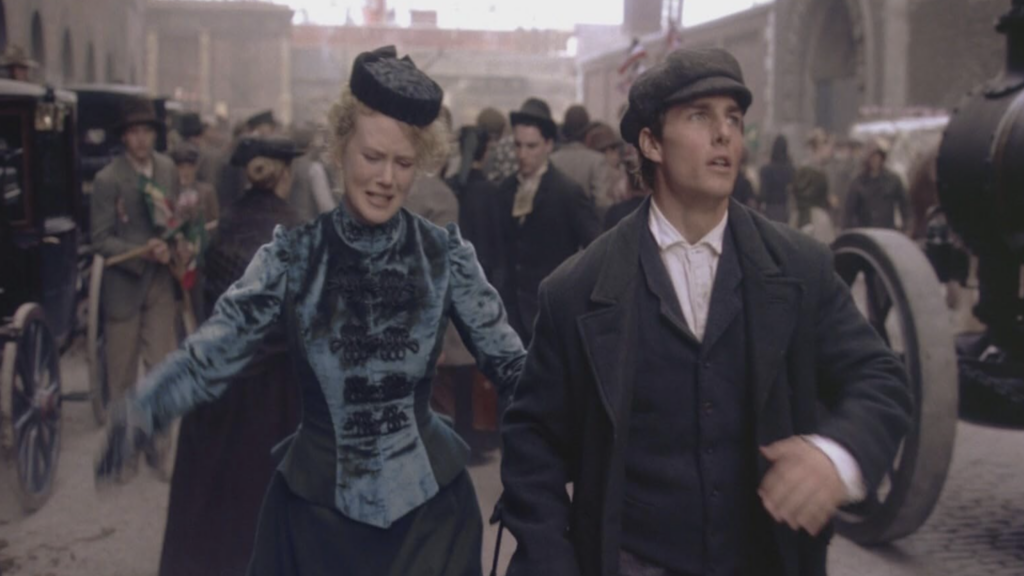
4. Horses as the only engine that matters in 1893
At the Oklahoma Land Run, the starting line is nothing but horses and riders as far as the camera can see. No automobiles, no machinery. That is historically accurate: in 1900, Manhattan alone had 130,000 working horses moving people and goods through the city. In 1893, the horse was not a romantic touch. It was the only practical option. Howard lines them up at that boundary and lets the shot speak for itself. The tension of the run works partly because everyone on that line is operating at exactly the same speed.
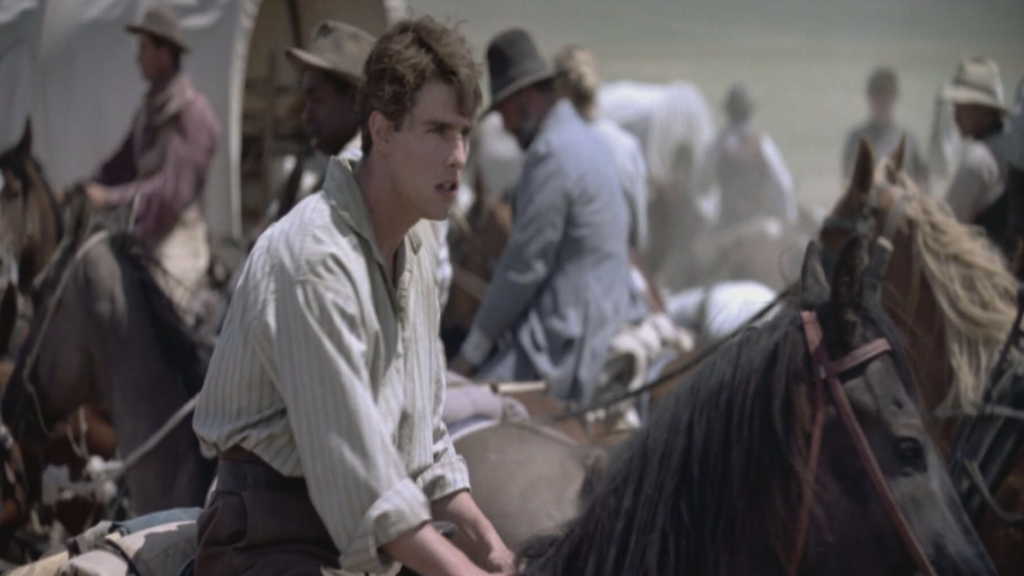
5. A wooden stake as a legal title deed
Joseph drives a stake into the Oklahoma ground, and that is his claim. No paperwork in hand, no deed signed yet. That is how it worked. During the Oklahoma Land Runs, settlers planted a stake with their name on it to hold a parcel, then raced to the land office to register it officially. A piece of sharpened wood was, for a brief window of time, the closest thing to legal ownership that existed. The film treats it with the weight it deserves: Joseph is not just planting a stick; he is planting himself.
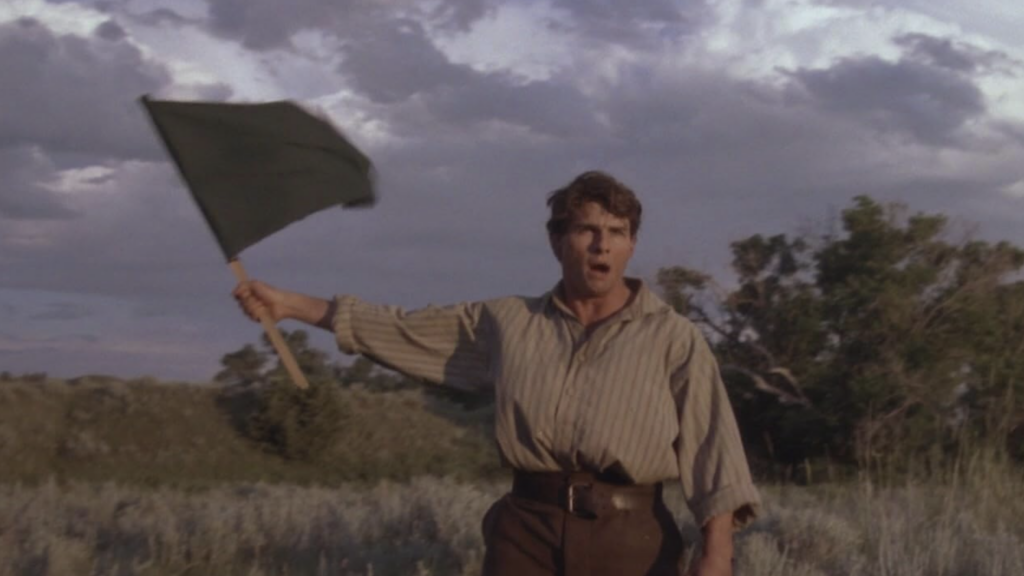
6. Open prairie with no fences because none exist yet
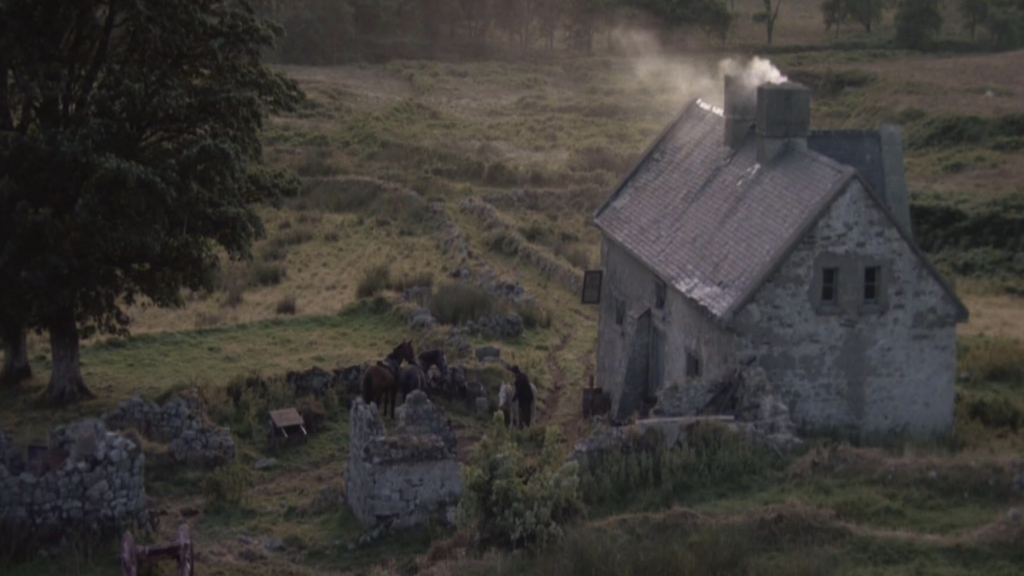
Before the run begins, Howard holds a wide shot of the Oklahoma plain stretching to the horizon. Nothing breaks it up. No fences, no structures, no roads. Government surveyors had divided roughly two million acres into 160-acre sections for the 1889 run, but dividing land on paper and actually marking it on the ground are two different things. What the camera shows is land that has not been touched yet. That emptiness is the whole point of the scene, and it is also a fairly accurate picture of what that territory looked like before the starting gun.