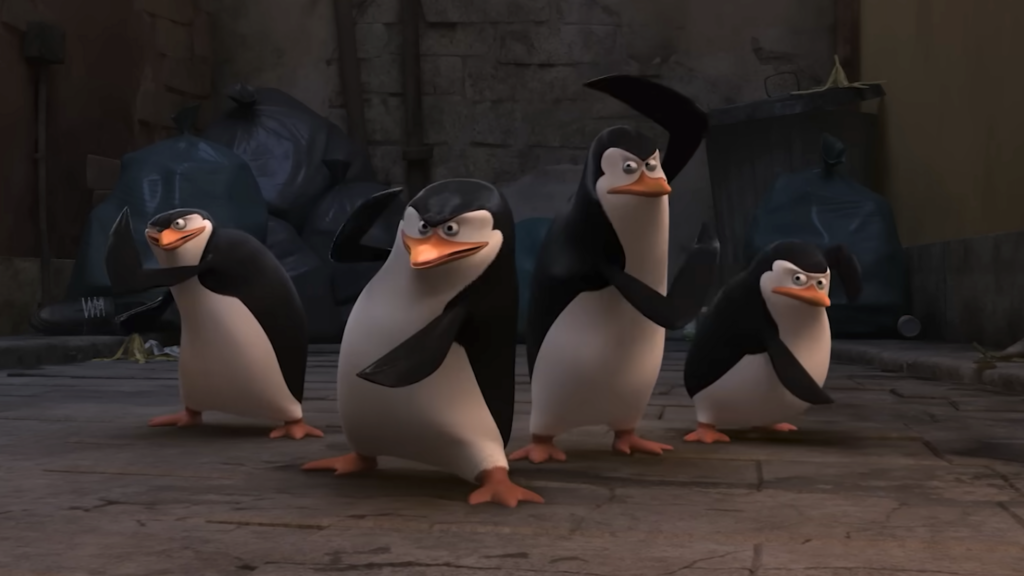
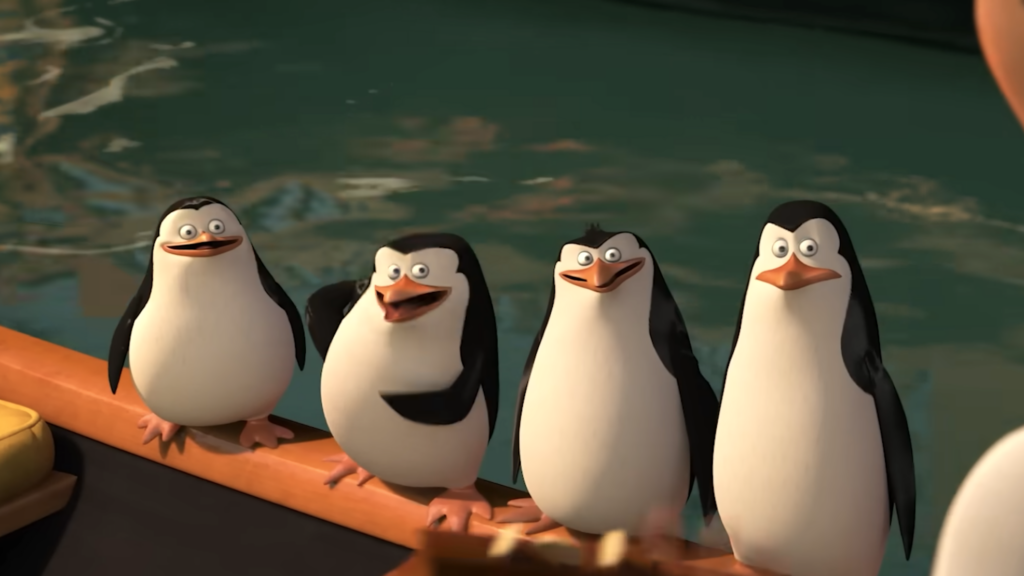
When Penguins of Madagascar hit theaters in 2014, Skipper, Kowalski, Rico, and Private completed an extraordinary rise from scene-stealing sidekicks to leading icons of their own standalone spin-off. First introduced in the original 2005 Madagascar, these military-style operatives proved so wildly popular that DreamWorks built a dedicated television series, holiday specials, and a feature film around their relentless tactical chaos. Examining their evolution reveals how four minor comedic characters transformed into the undeniable breakout stars of an entire animated universe.
1. Transforming Minor Sidekicks Into Feature Film Leads
Skipper, Kowalski, Rico, and Private originally served as brief comedic relief in the 2005 Madagascar film. Their sharp discipline and ridiculous covert operations quickly stood out, proving that minor secondary characters could carry an entire narrative arc on their own.
By gradually expanding their roles through shorts, television specials, and ultimately the 2014 feature film, DreamWorks successfully transitioned the group from supporting scene-stealers into franchise anchors capable of driving major theatrical releases.
2. Perfecting Military-Style Tactics Within Absurd Universes
The core humor of the Penguins stems from their deadpan execution of military operations in everyday scenarios. Treating simple tasks—like escaping a zoo enclosure or ordering snacks—as high-stakes covert ops gave their scenes a distinct comedic pacing.
This contrast between intense military professionalism and absolute absurdity allowed the characters to bring a unique narrative energy to the franchise that set them apart from traditional slapstick animated figures.
3. Creating Fast-Paced Physical Comedy for All Audiences
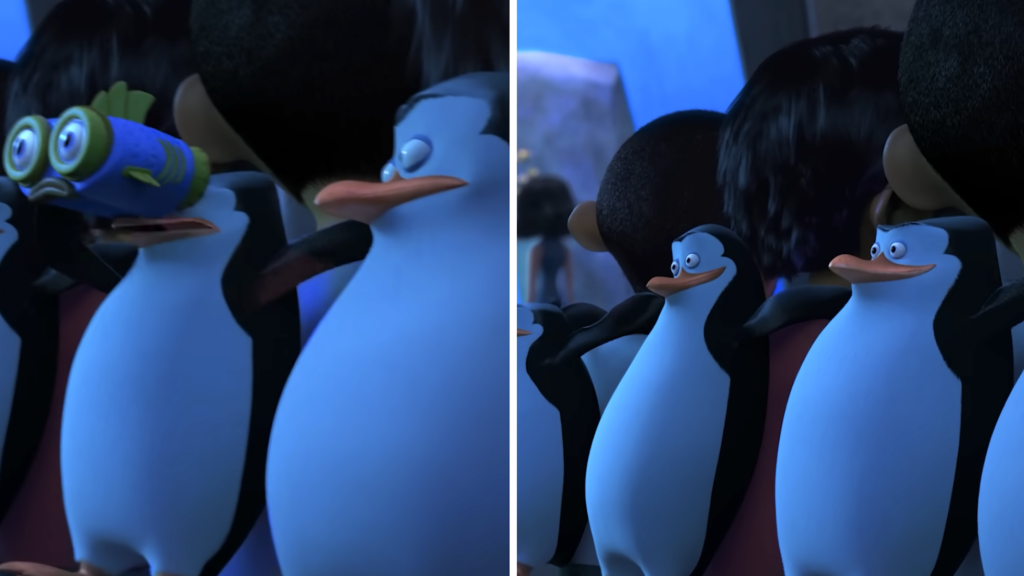
The comedy of the Penguins relies heavily on slapstick and rapid visual choreography. From synchronized stealth maneuvers to chaotic high-speed chases, their physical routines deliver instant visual appeal that transcends age groups.
Because their slapstick is grounded in clean animation and tight timing, the humor remains accessible to younger audiences while maintaining an elevated level of comedic precision that adult viewers appreciate.
4. Establishing Distinct Complementary Team Personalities
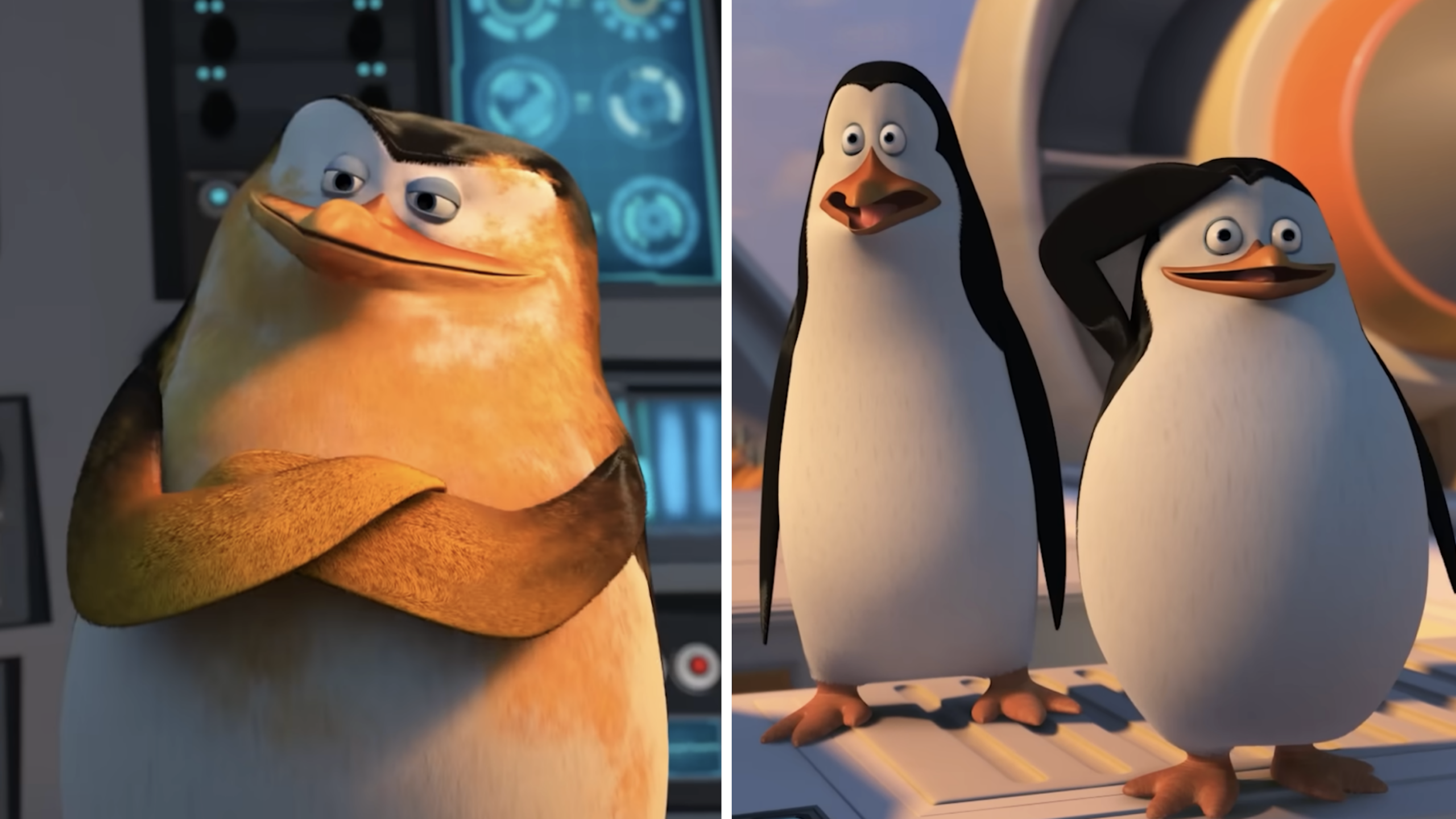
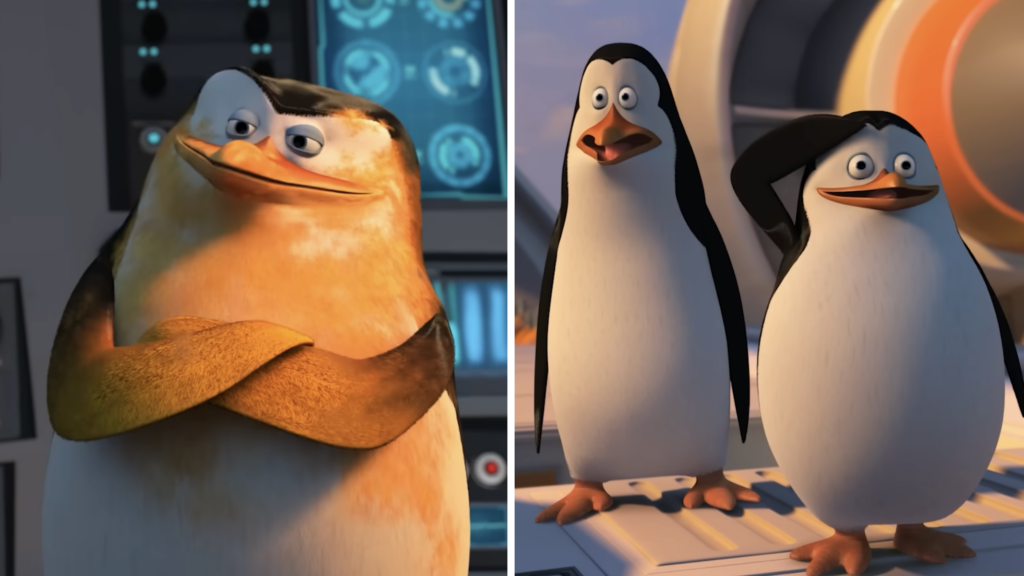
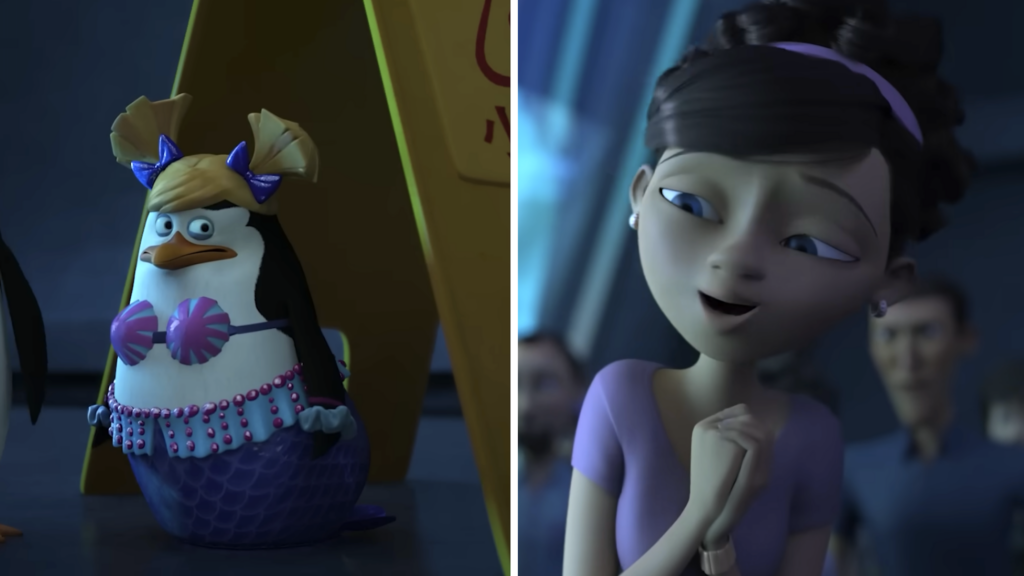
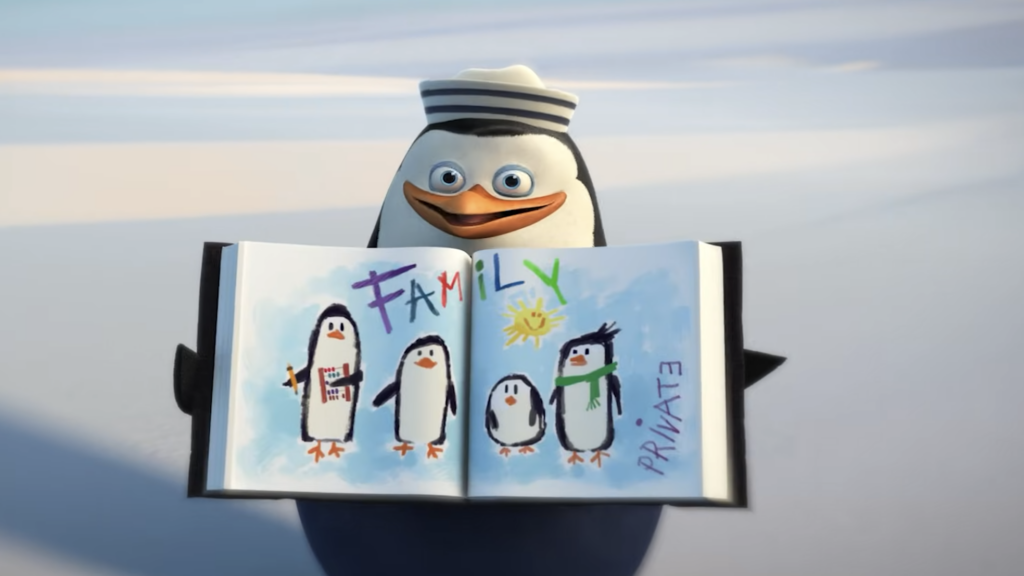
The group operates as a perfectly balanced unit where each member fulfills a specific dynamic. Skipper acts as the confident leader, Kowalski brings chaotic intellectual analysis, Rico provides unhinged tactical weapons deployment, and Private serves as the emotional heart.
These distinct traits prevent the characters from feeling interchangeable. Balancing four contrasting archetypes ensures that every interaction creates natural conflict and humor without slowing down the narrative.
5. Expanding Successfully Across Multiple Media Formats
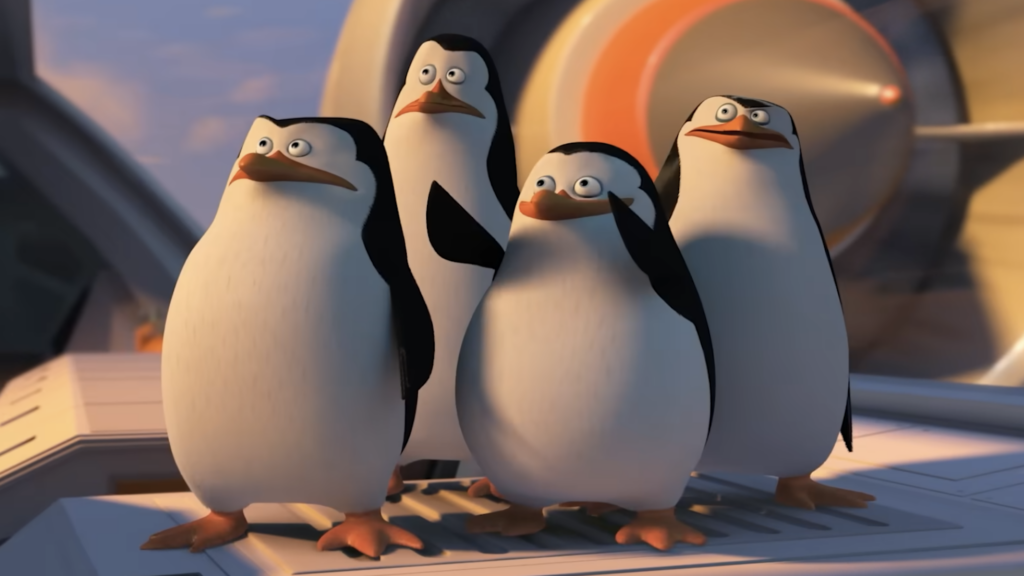
Unlike side characters whose popularity fades after a single movie, the Penguins demonstrated remarkable versatility across media formats. Their success spawned television spin-offs, short films, video games, and holiday specials.
This broad transmedia presence kept the characters active in pop culture between theatrical releases, cementing their status as reliable staples of the DreamWorks brand for over a decade.
6. Outshining Main Characters in Key Franchise Moments
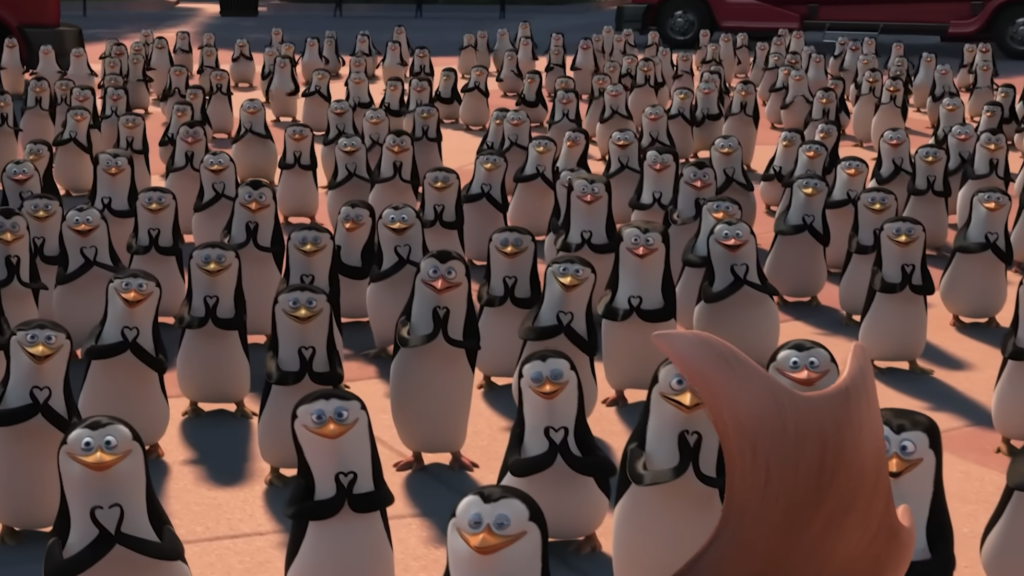
In the original Madagascar trilogy, the penguins frequently stole the show from the main zoo animals. Their high-energy escape plans and punchy dialogue often provided the most memorable sequences in each film.
By delivering maximum comedic value in minimal screen time, the characters built up immense fan goodwill, naturally prompting audiences to demand more screen time for the tactical bird unit.
7. Crafting Fast-Paced Jargon and Deadpan Dialogue
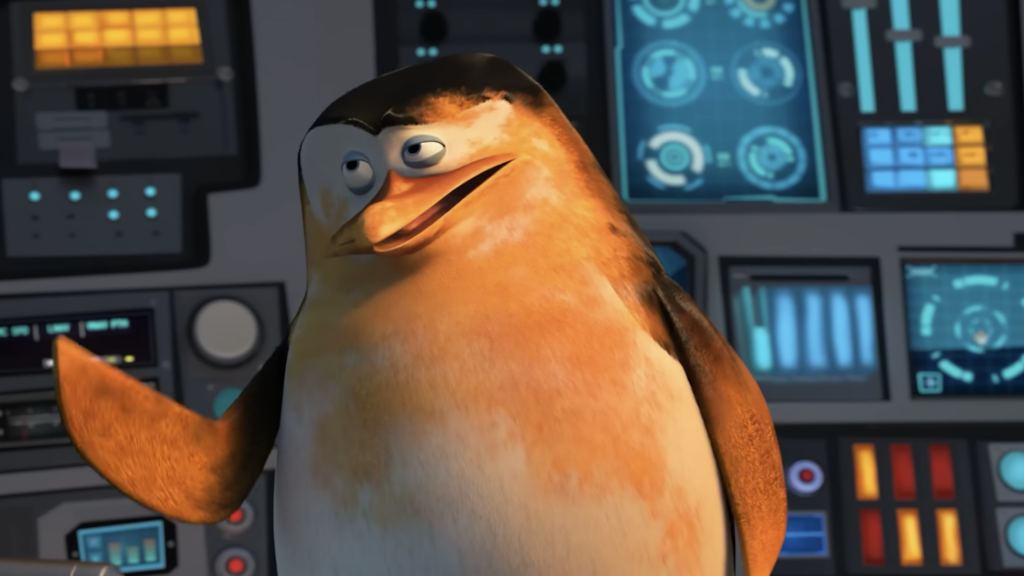
The writing for the Penguins heavily utilizes sharp, fast-paced dialogue filled with fictional military terminology and nonsensical tactical orders. Skipper’s firm delivery of absurd instructions creates an iconic verbal signature.
This sharp, deadpan banter gave the characters a recognizable voice within animated cinema, making their lines endlessly quotable and instantly identifiable to audiences worldwide.
8. Anchoring Chaotic Comedy With Genuine Team Loyalty
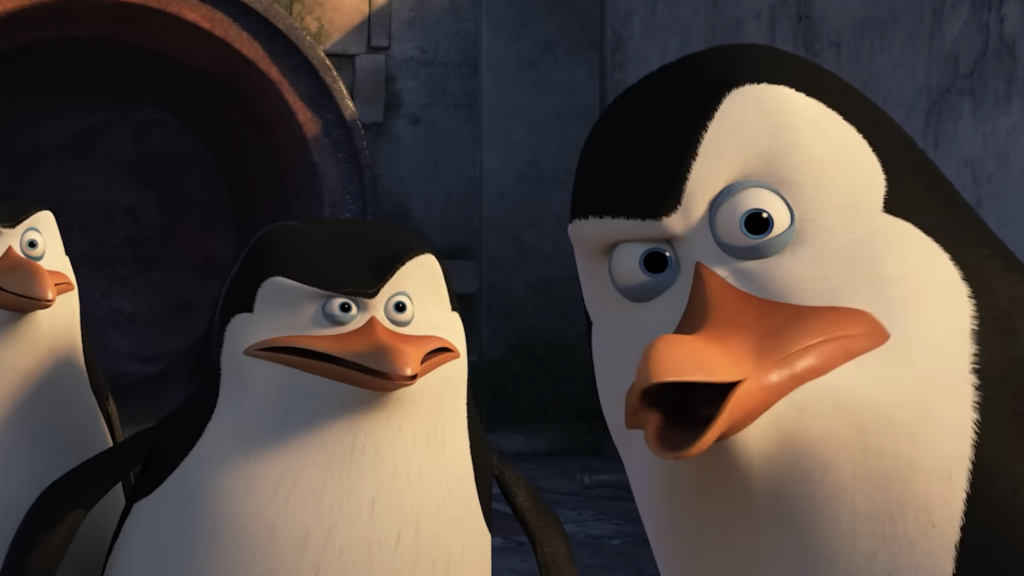
Behind all the explosion-heavy tactical operations lies a surprisingly sincere bond between the four brothers-in-arms. Their unwavering loyalty to one another gives their chaotic adventures a genuine emotional core.
This underlying warmth prevents their antics from feeling entirely cynical or chaotic, giving audiences a reason to care about their safety and survival during outrageous espionage missions.
9. Introducing Over-the-Top Villains That Highlight Their Skills
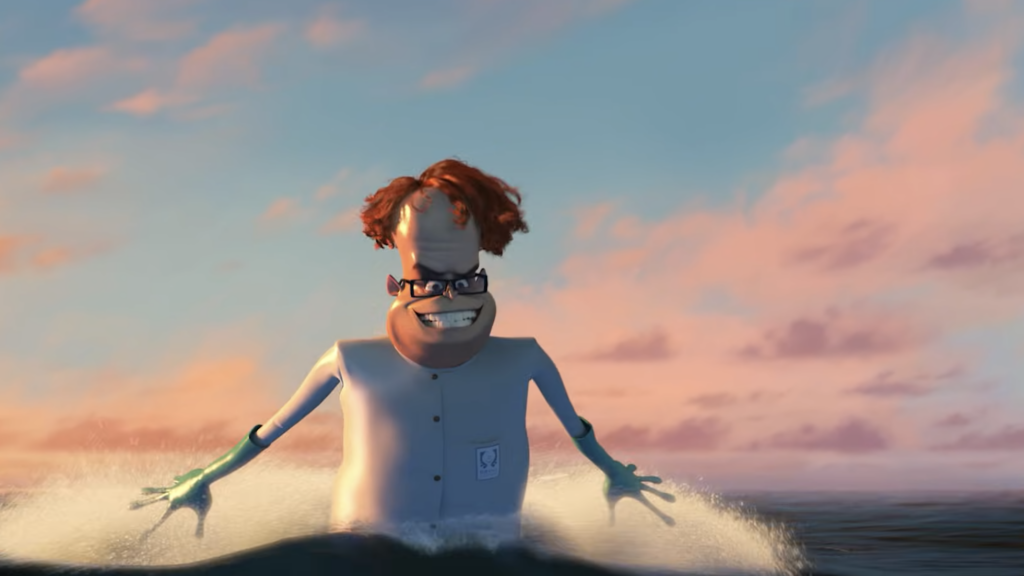
The 2014 spin-off film elevated the group’s espionage identity by introducing extravagant antagonists like Dave the Octopus (voiced by John Malkovich). Facing off against theatrical villains allowed the Penguins to fully embrace their secret-agent aesthetic.
These grand conflicts gave the animators an excuse to parody classic spy thriller tropes, turning the spin-off into a legitimate satire of the espionage genre.
10. Defining an Iconic Visual Aesthetic and Espionage Brand
The sleek design of the Penguins—contrasting smooth black-and-white bodies with sharp military movements—created a striking visual identity. Their signature combat stances and stealth glides became instantly recognizable trademarks.