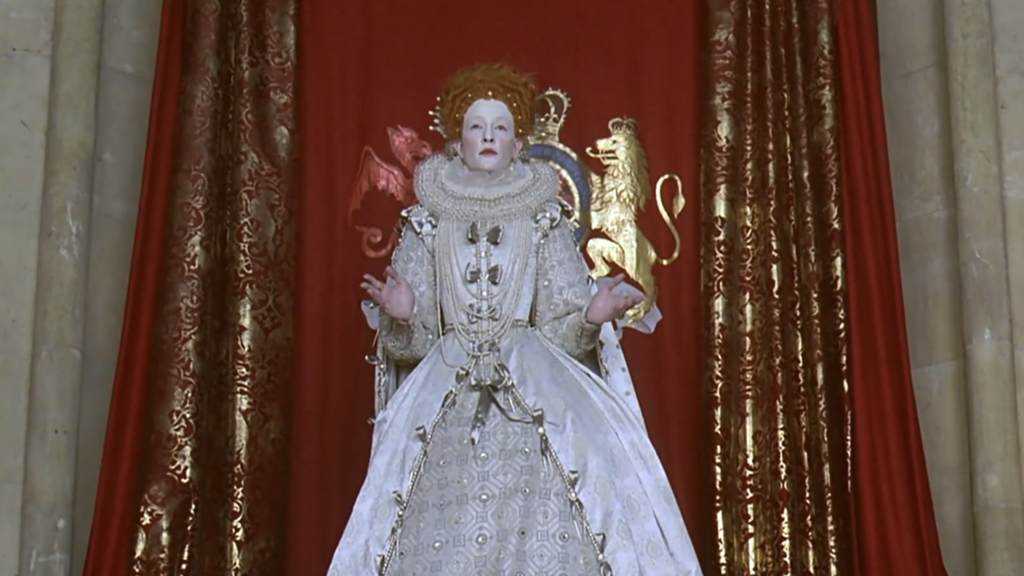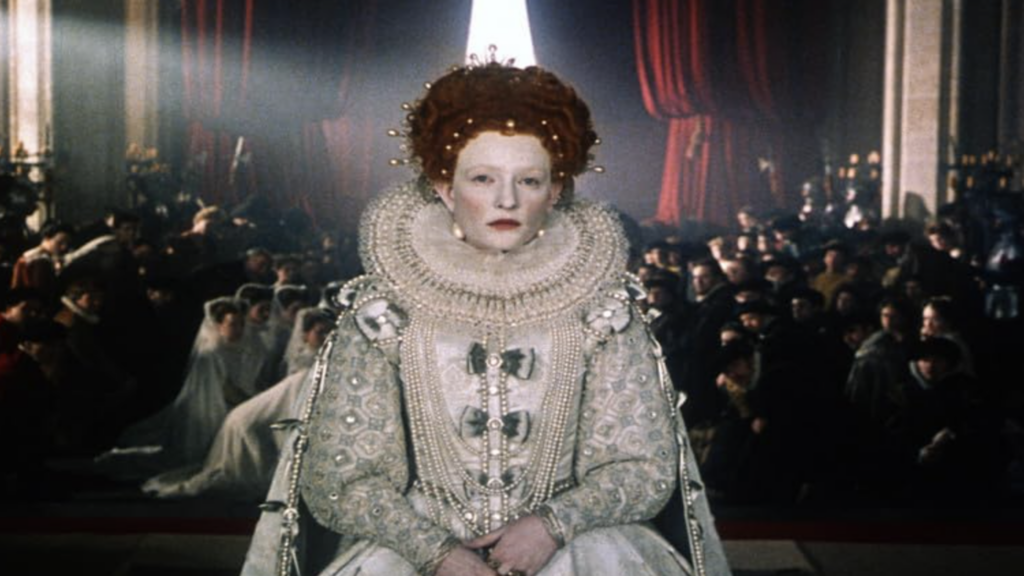
Ascending the English throne in 1558 during a period of violent religious turmoil and political instability, Queen Elizabeth I transformed into one of history’s most compelling rulers. Her turbulent path to power and long, influential reign have inspired endless historical analysis and acclaimed cinematic adaptations, most notably Shekhar Kapur’s 1998 masterpiece Elizabeth, starring the brilliant Cate Blanchett in a career-defining performance. Examining her real-life legacy alongside the production of her iconic film portrayal reveals seven fascinating facts about the famous monarch, her cultural impact, and her legendary screen depiction.
1. Ascending the Throne Following Her Sister’s Reign
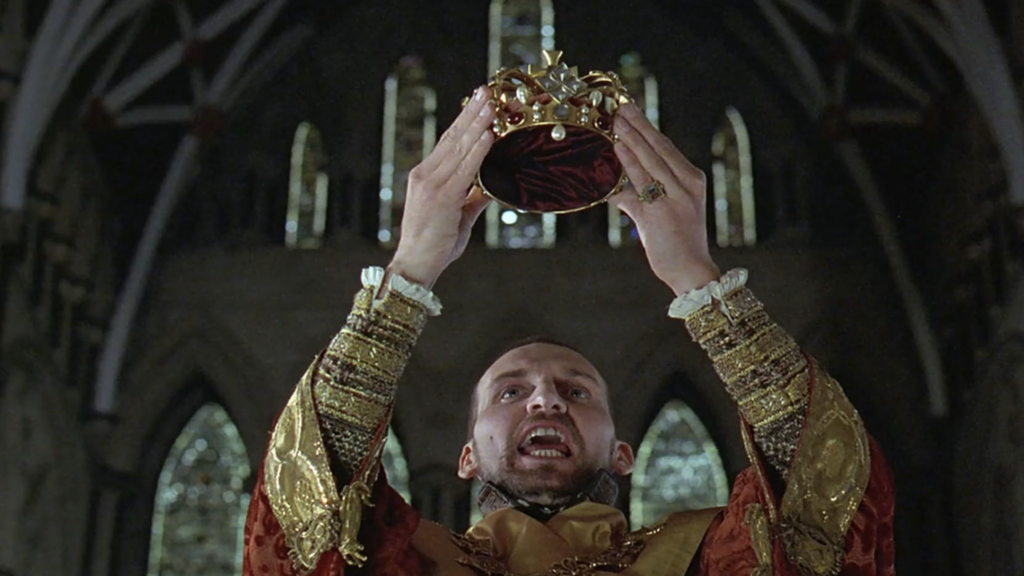
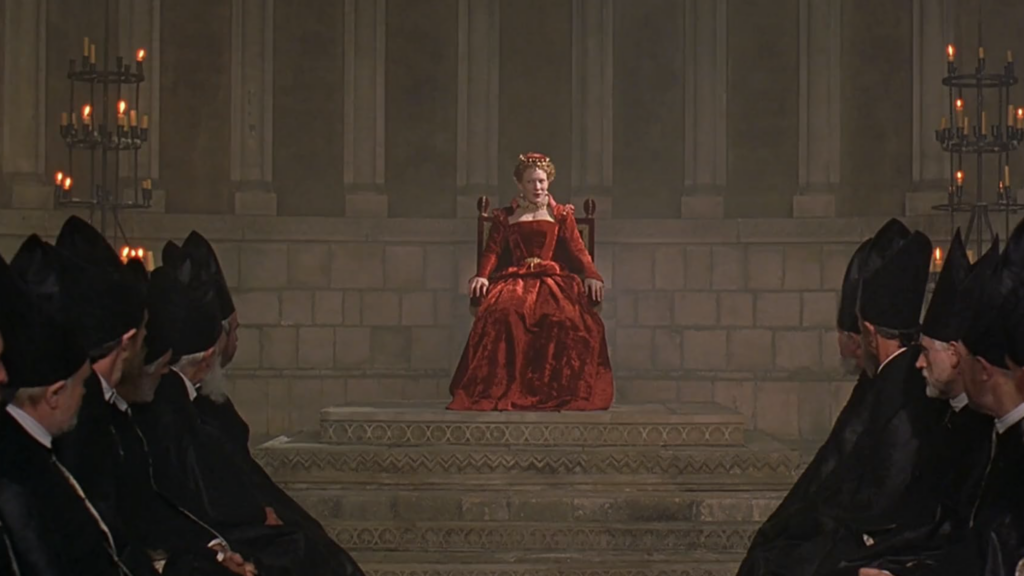
Elizabeth’s journey to the crown was marked by constant personal danger and political rivalry. During the reign of her Catholic half-sister, Queen Mary I—famously remembered as “Bloody Mary”—Elizabeth was viewed as a Protestant threat and spent months imprisoned in the Tower of London under suspicion of treason, but when Mary died in 1558 without an heir, the twenty-five-year-old princess inherited a bankrupt nation divided by religious conflict, a dramatic shift from dangerous imprisonment to absolute royal power that provides the core narrative tension for the 1998 film Elizabeth while highlighting the intense survival instincts required during her early reign.
2. Creating the Legendary Image of the Virgin Queen
Faced with relentless pressure from her Privy Council to marry a foreign prince or a domestic nobleman to secure an heir, Elizabeth made a radical political decision by choosing to remain single, recognizing that marriage to a foreigner would compromise English independence while a domestic union would spark civil unrest. She strategically cultivated the public persona of the “Virgin Queen,” claiming to be symbolically married to her kingdom and her subjects, a transformation that Shekhar Kapur’s film dramatically showcases in its climax as Cate Blanchett’s character cuts her hair, applies white face powder, and declares herself immune to personal vulnerabilities.
3. Championing the Golden Age of Elizabethan Theater and Shakespeare
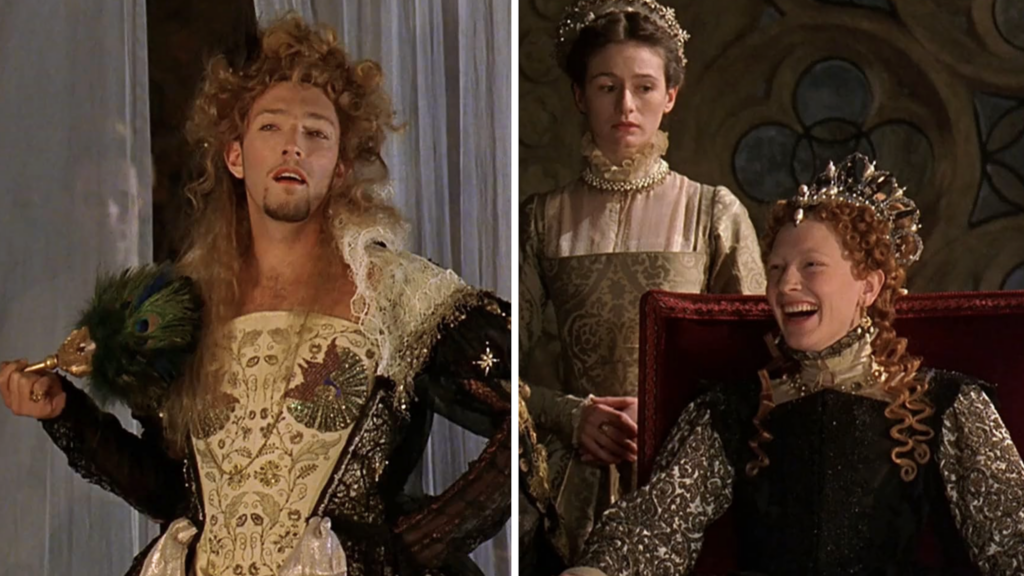
Elizabeth’s reign saw an extraordinary cultural renaissance, particularly in the realm of English drama, where despite fierce opposition from Puritan authorities who viewed public theater as immoral and disease-spreading, the Queen actively protected acting troupes by granting them royal patronage. Her direct support enabled acting companies—most notably the Lord Chamberlain’s Men, featuring William Shakespeare—to flourish in London, and Elizabeth frequently requested private performances at court during holiday seasons, securing the financial stability and artistic freedom that allowed legendary Elizabethan literature to survive.
4. Navigating the Deadly Intrigues of Walsingham’s Spy Network
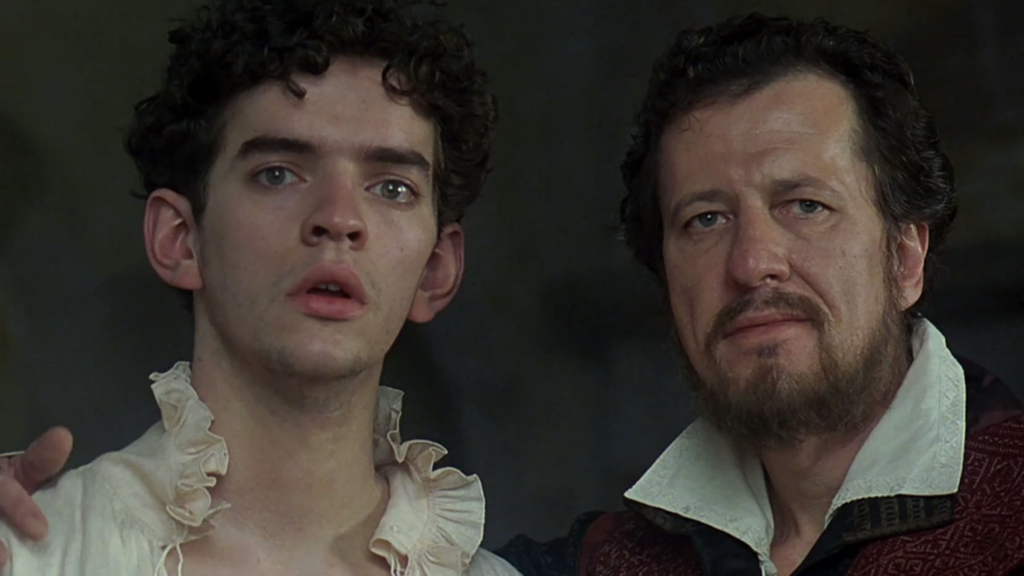
Maintaining power in 16th-century Europe required constant vigilance against internal coups and foreign assassination plots, leading Elizabeth to rely heavily on Sir Francis Walsingham, her principal secretary and spymaster, who created one of the earliest sophisticated state intelligence networks in European history. Walsingham utilized codebreakers, double agents, and secret informants to dismantle multiple Catholic conspiracies aiming to place Mary, Queen of Scots, on the English throne, a role captured in the film adaptation where Geoffrey Rush delivers a memorable performance portraying the spymaster as a ruthless, cold, calculating force operating in the shadows.
5. Catapulting Cate Blanchett to International Stardom
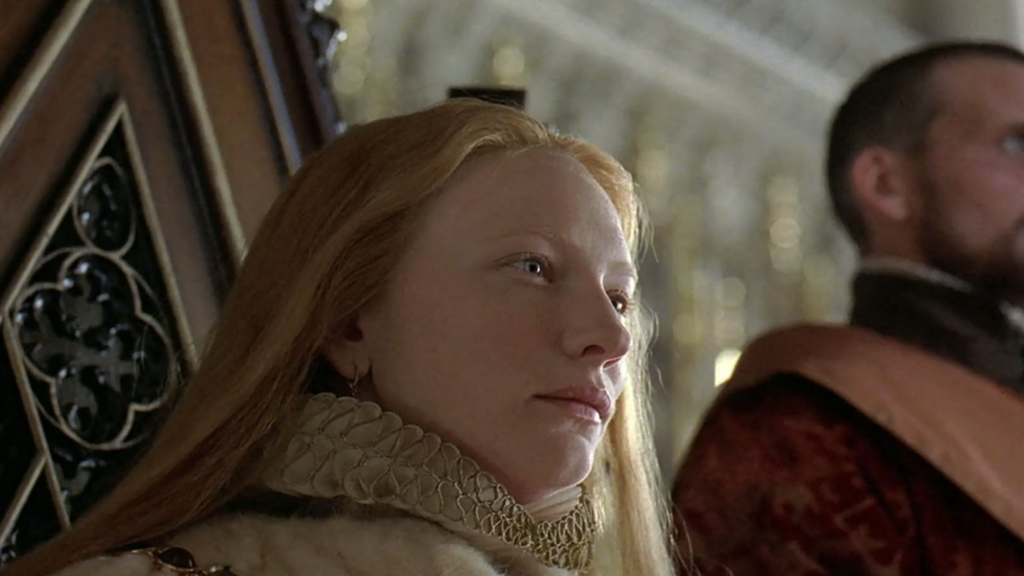
The 1998 biographical film served as the definitive Hollywood breakthrough for Australian actress Cate Blanchett, whose intense, highly nuanced performance capturing Elizabeth’s transition from a naive, romantic princess into a formidable, stoic monarch earned widespread critical acclaim. Blanchett won the Golden Globe Award and received her very first Academy Award nomination for Best Actress for the role, and nine years later she reprised the historical role in Elizabeth: The Golden Age (2007), joining a rare group of actors nominated for an Oscar for playing the exact same character in two separate films.
6. Balancing Cinematic Drama With Real Historical Timeline Shifts
While Elizabeth was celebrated for its breathtaking costume design, dramatic cinematography, and compelling performances, the screenplay took considerable artistic liberties with historical chronology by condensing events spanning over two decades into the queen’s first few years on the throne to create a tight, suspenseful political thriller. As a result, major historical occurrences—such as the execution of the Duke of Norfolk, Walsingham’s intelligence operations, and Elizabeth’s romantic distance from Lord Robert Dudley—happened gradually across her long reign rather than occurring in a single, rapid series of events as depicted on screen.
7. Transforming Personal Style into Ultimate Political Propaganda
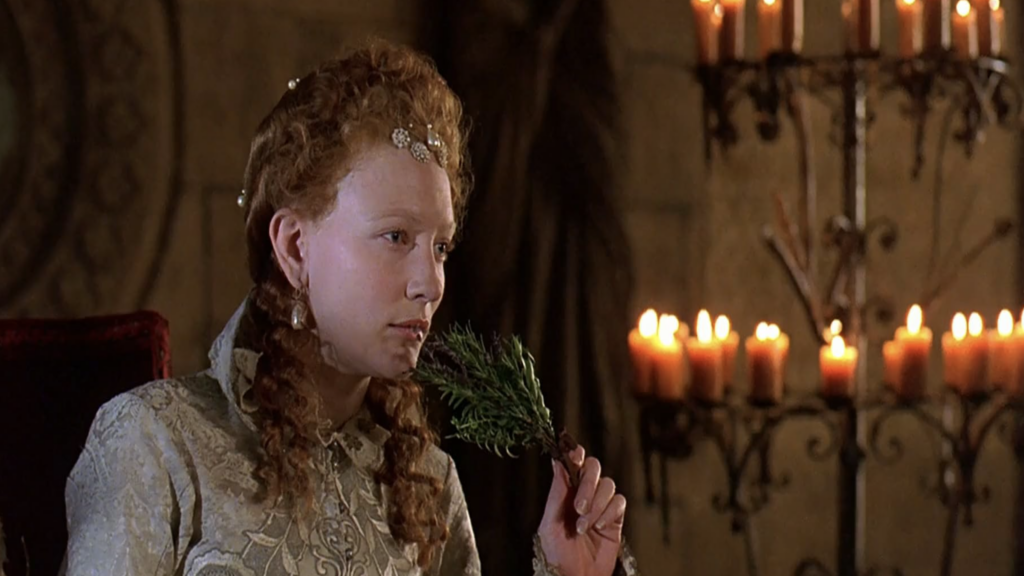
Elizabeth understood the visual psychology of leadership better than most monarchs of her era, using her elaborate wardrobe, pearl-encrusted gowns, and iconic stark white lead makeup (known as ceruse) as carefully crafted political propaganda designed to project eternal youth, divine authority, and unyielding power as she aged. The 1998 film meticulously recreates this visual evolution, demonstrating how royal fashion was weaponized to intimidate foreign ambassadors and domestic rivals alike, a stunning artistic dedication to period details that earned the movie the Academy Award for Best Makeup.