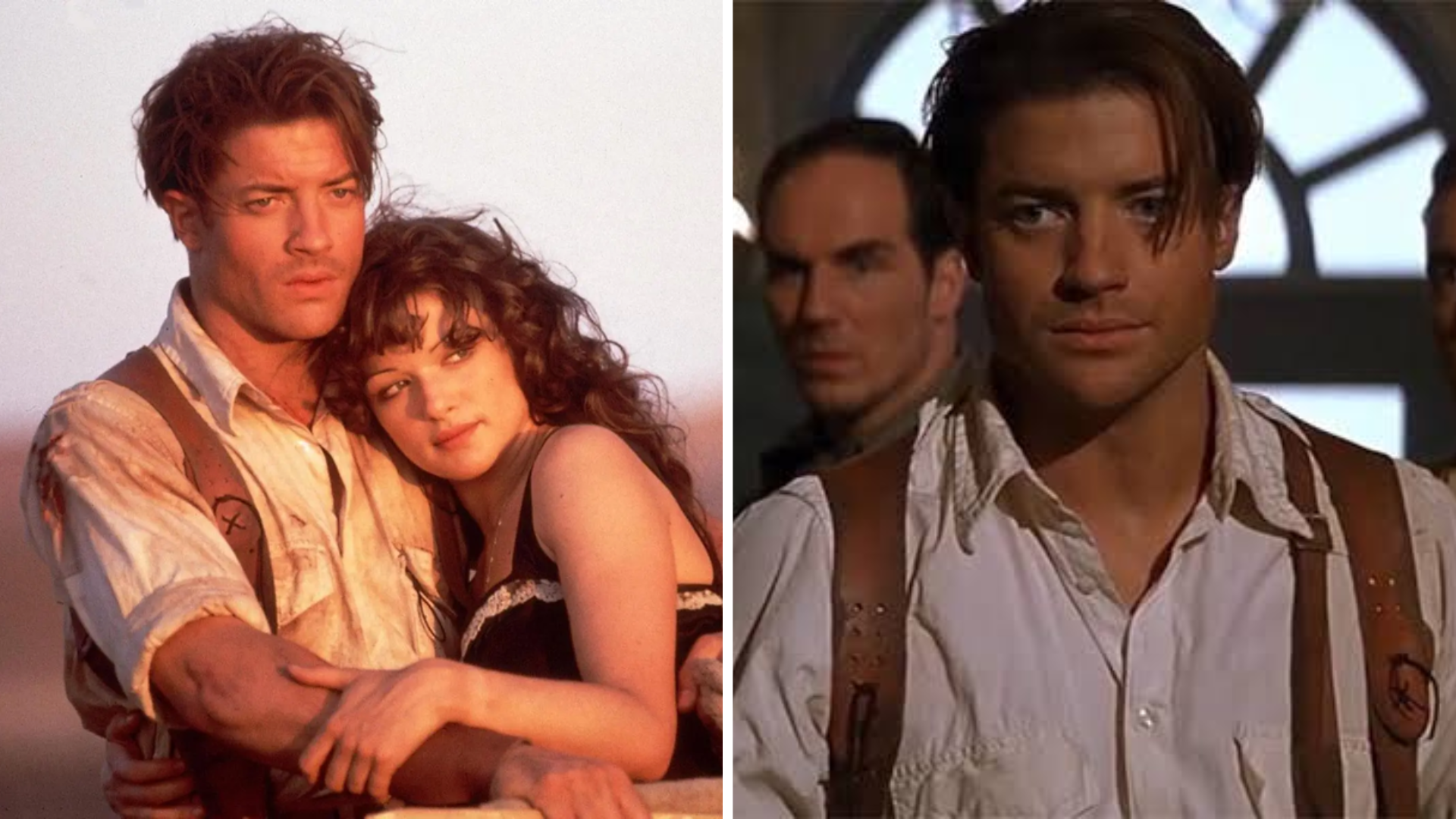
When The Mummy (1999) arrived, it turned an old Universal monster into the centerpiece of a fast, funny adventure built for the big screen. Stephen Sommers mixed desert ruins, supernatural threats, elaborate practical sets, early digital effects, romance, and comedy without letting any one ingredient take over. Brendan Fraser and Rachel Weisz gave the spectacle an easygoing center, while the supporting cast kept even the quieter stretches lively. More than two decades later, these 18 details still make the movie feel unmistakably like a late-1990s adventure blockbuster.
1. Rick O’Connell Is an Old-School Swashbuckler
Rick enters the story in the middle of a desert battle and rarely slows down afterward. Brendan Fraser plays him less like an invincible action hero than a throwback adventurer who survives through nerve, improvisation, and a well-timed joke.
2. Evelyn Is the Brain of the Expedition
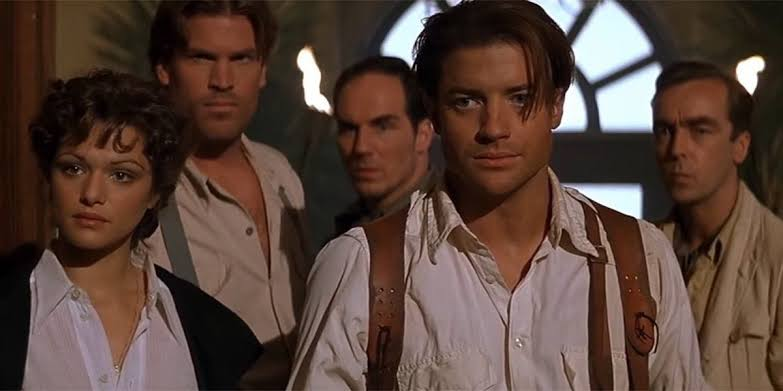
Evelyn’s knowledge of Egyptian history and hieroglyphics is essential to nearly everything the group discovers. Her academic confidence also contrasts nicely with the physical chaos surrounding her, from collapsing shelves to ancient curses.
3. Jonathan Is More Than Comic Relief
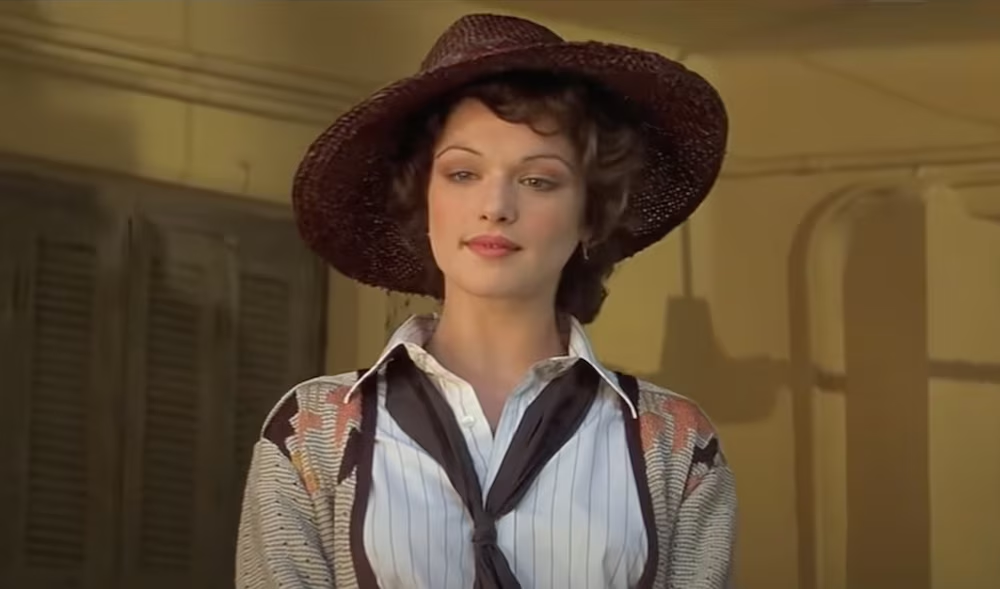
Jonathan spends plenty of time chasing treasure, avoiding responsibility, and looking for the easiest way out. Yet he keeps finding ways to contribute, giving John Hannah room to be funny without turning the character into dead weight.
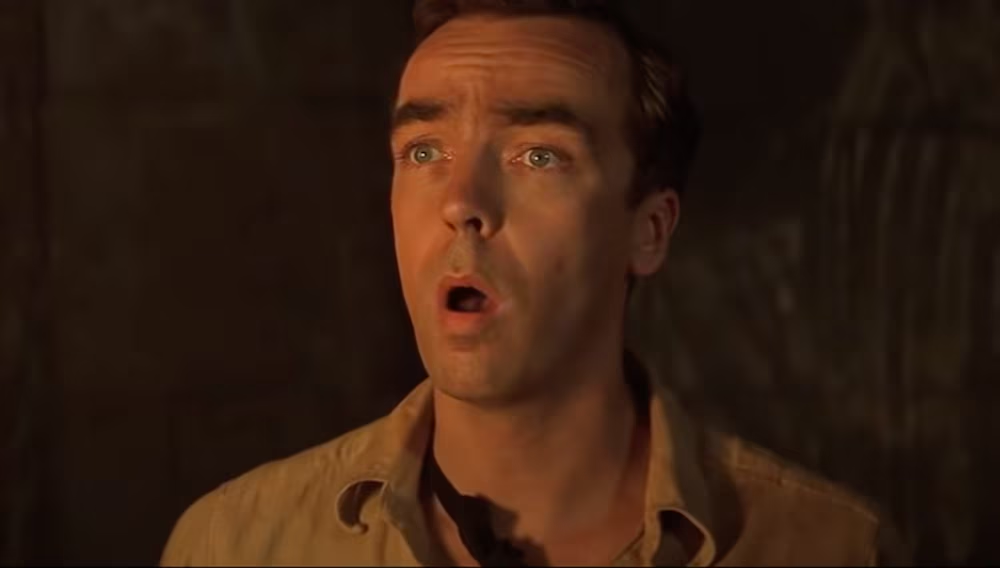
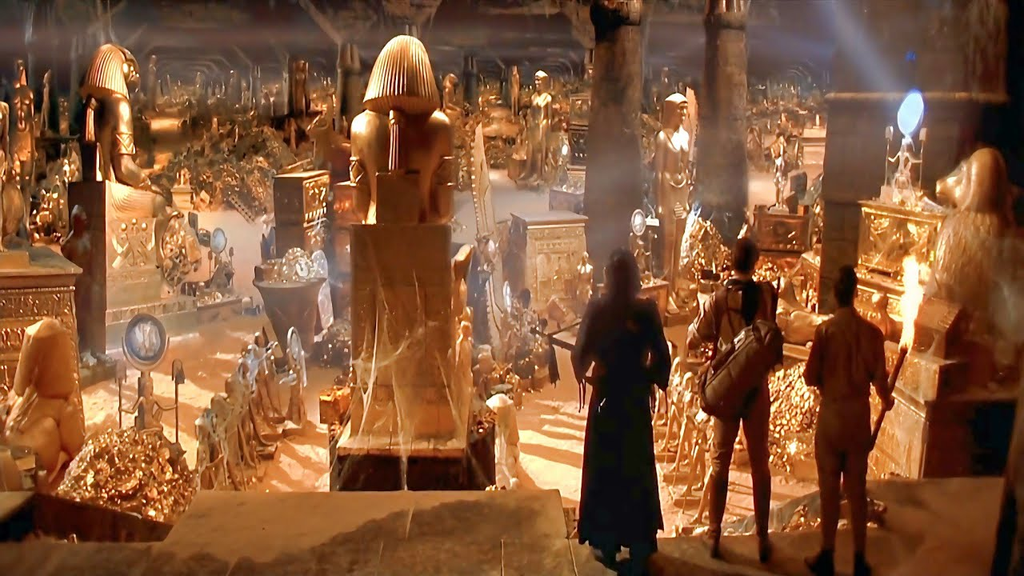
4. Hamunaptra Feels Like a Real Lost City
The City of the Dead has everything a pulp adventure needs: buried entrances, underground chambers, treasure, hidden passageways, and a history that sensible people should probably leave alone. Shooting around Morocco gives the location a scale that would have been difficult to fake entirely on a soundstage.
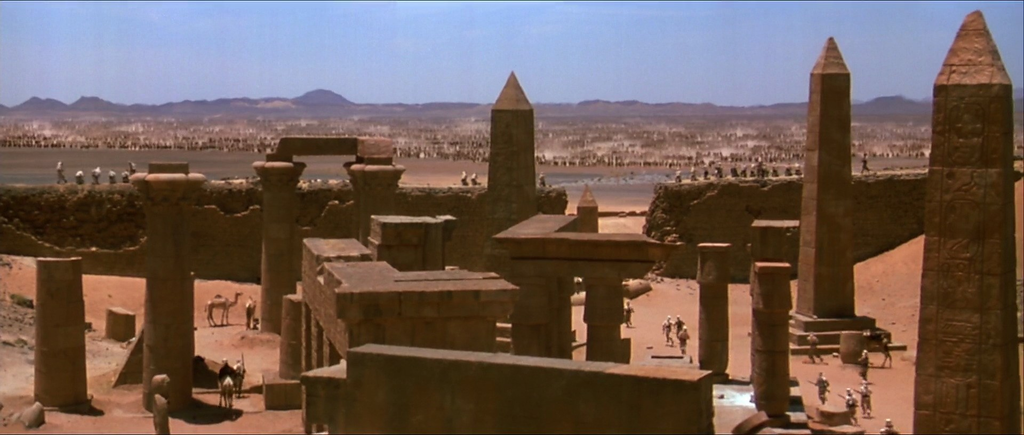
5. The Expedition Actually Looks Expensive
Camels, horses, tents, excavation equipment, large sets, period vehicles, and crowds fill the frame once the characters reach the desert. The production rarely feels like five actors standing around a carefully dressed corner of a studio.
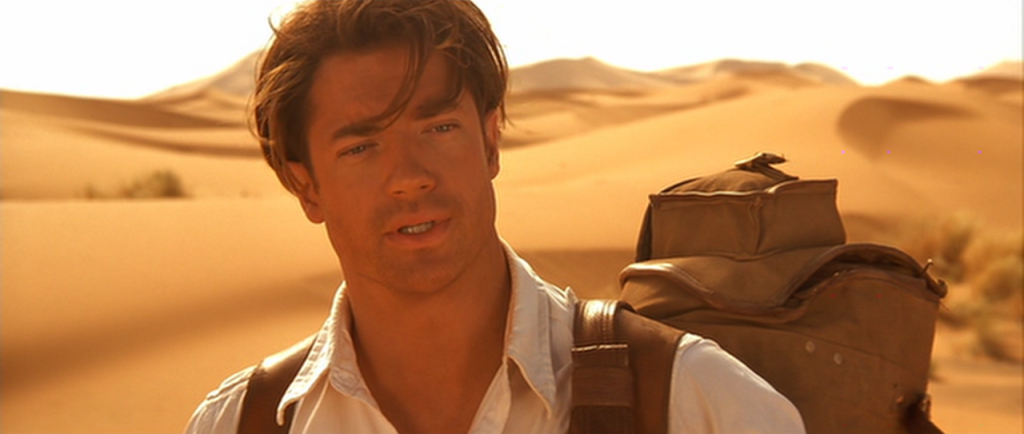
6. The Library Scene Uses a Huge Practical Gag
Evelyn’s attempt to put away one book ends with an entire row of towering shelves collapsing in sequence. It is an elaborate piece of physical comedy that also introduces her personality more effectively than another page of dialogue could have.
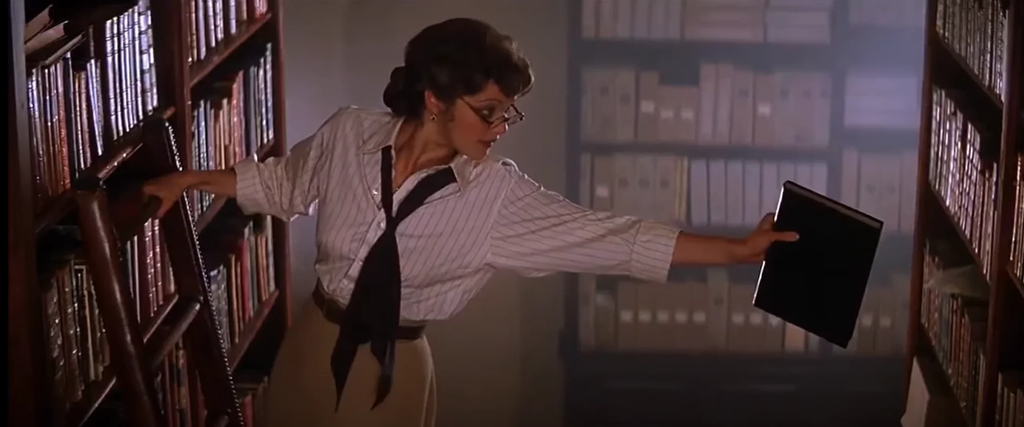
7. The Riverboat Sequence Keeps Escalating
What begins as a relatively peaceful trip toward Hamunaptra suddenly turns into a full action set piece aboard a burning ship. Gunfire, collapsing structures, attackers, and passengers diving overboard make the journey itself feel nearly as dangerous as the destination.
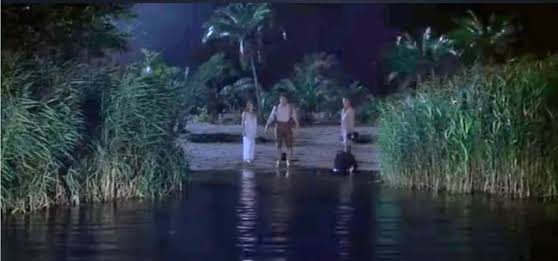
8. There Is Another Team Looking for the Treasure
Rick and Evelyn are not simply exploring an empty ruin at their own pace. The American treasure hunters create a competing expedition, bringing rivalry and urgency to the early Hamunaptra scenes before anyone realizes what has actually been awakened.
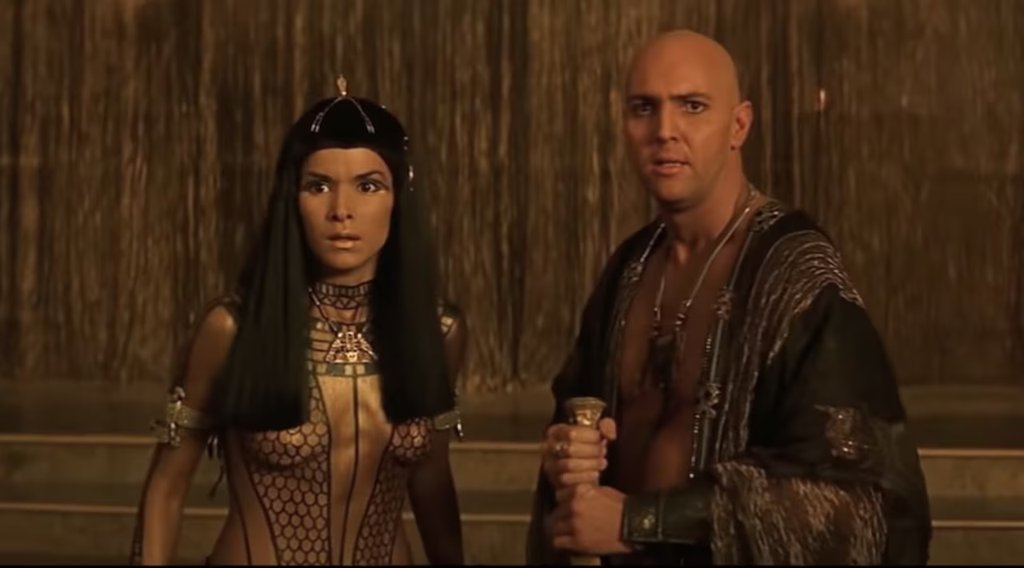
9. Imhotep Is Built Like a Blockbuster Villain
This mummy does not spend the entire movie slowly shuffling through corridors. Imhotep becomes stronger and more human as the story progresses, giving Arnold Vosloo a chance to play an intelligent antagonist with a clear purpose rather than just a creature to escape.
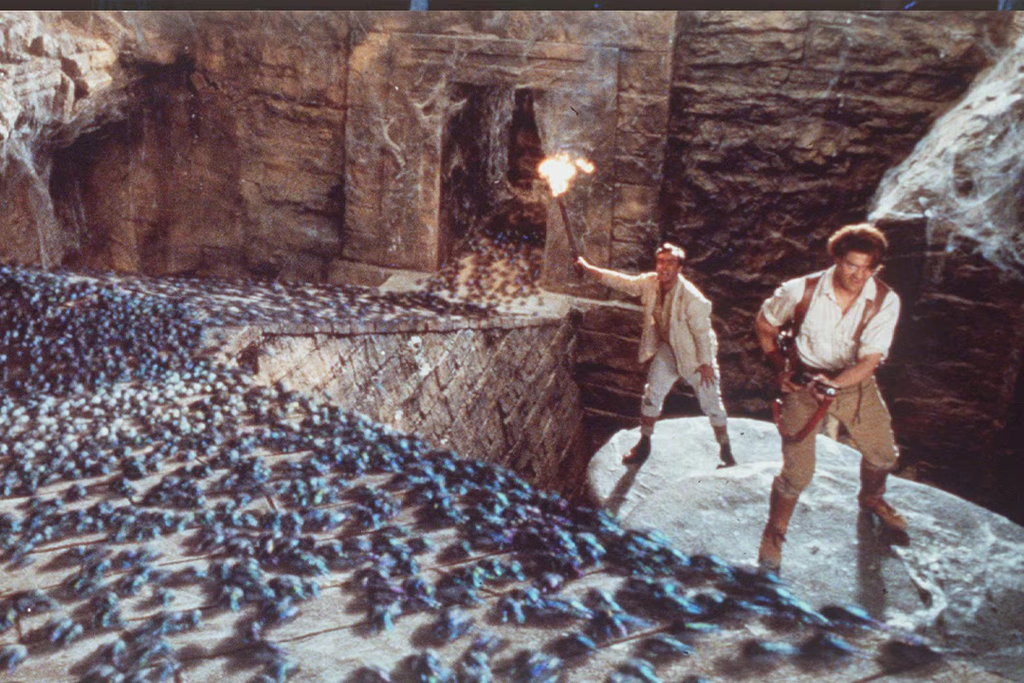
10. The Scarabs Add a Different Kind of Threat
Hamunaptra would already be dangerous enough with collapsing ruins and Imhotep wandering around. The scarabs add another unpredictable problem, making even the walls and floors of the tomb feel unsafe.
11. Practical Sets and Digital Effects Share the Screen
The movie arrived during a fascinating period when large physical sets were still expected while digital creatures were becoming increasingly ambitious. That combination gives The Mummy a look that sits neatly between older adventure filmmaking and the effects-heavy blockbusters that followed.
12. The Sandstorm Face Goes for Spectacle
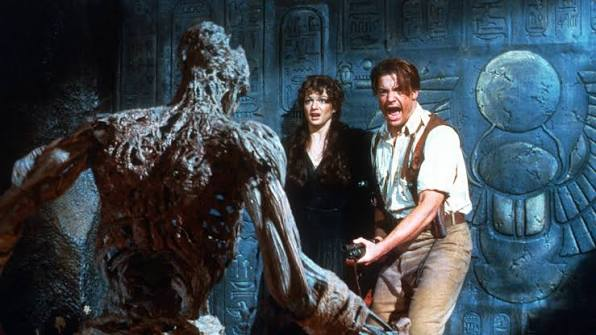
Imhotep forming his face out of an enormous wall of sand is not interested in restraint. It is exactly the sort of oversized visual-effects moment late-1990s audiences were paying to see on a theater screen.
13. Ancient Objects Keep the Story Moving
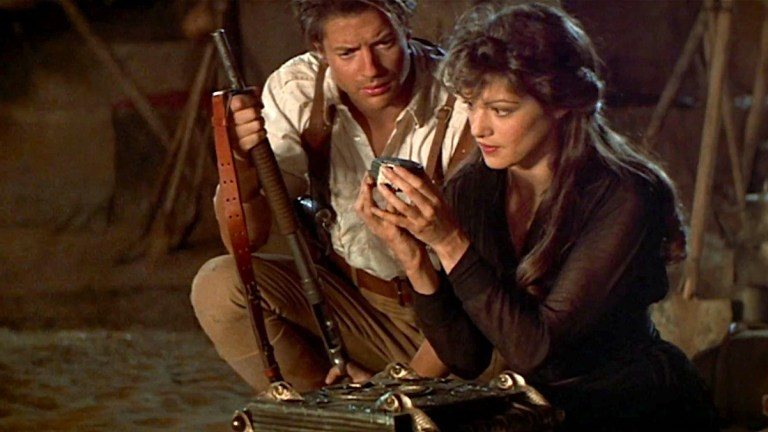
Maps, keys, sarcophagi, inscriptions, and the two ancient books are constantly changing hands. Instead of functioning as background decoration, the archaeological objects actually determine where the characters go and what happens next.
14. Ardeth Bay Expands the World Beyond the Heroes
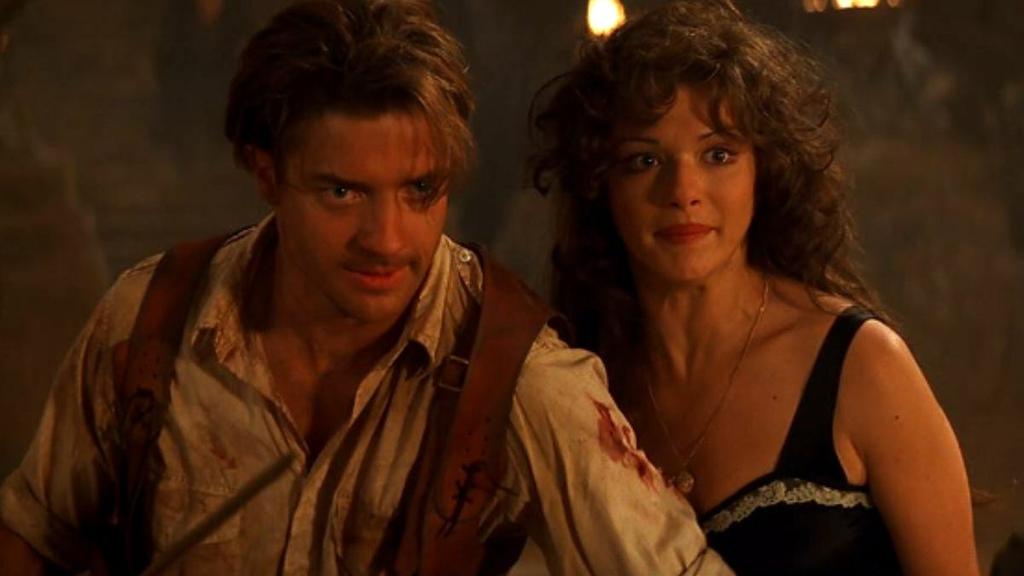
Ardeth initially seems like another obstacle standing between the expedition and Hamunaptra. Learning that the Medjai have guarded the site for generations makes the story feel much larger than one unlucky group of treasure hunters.
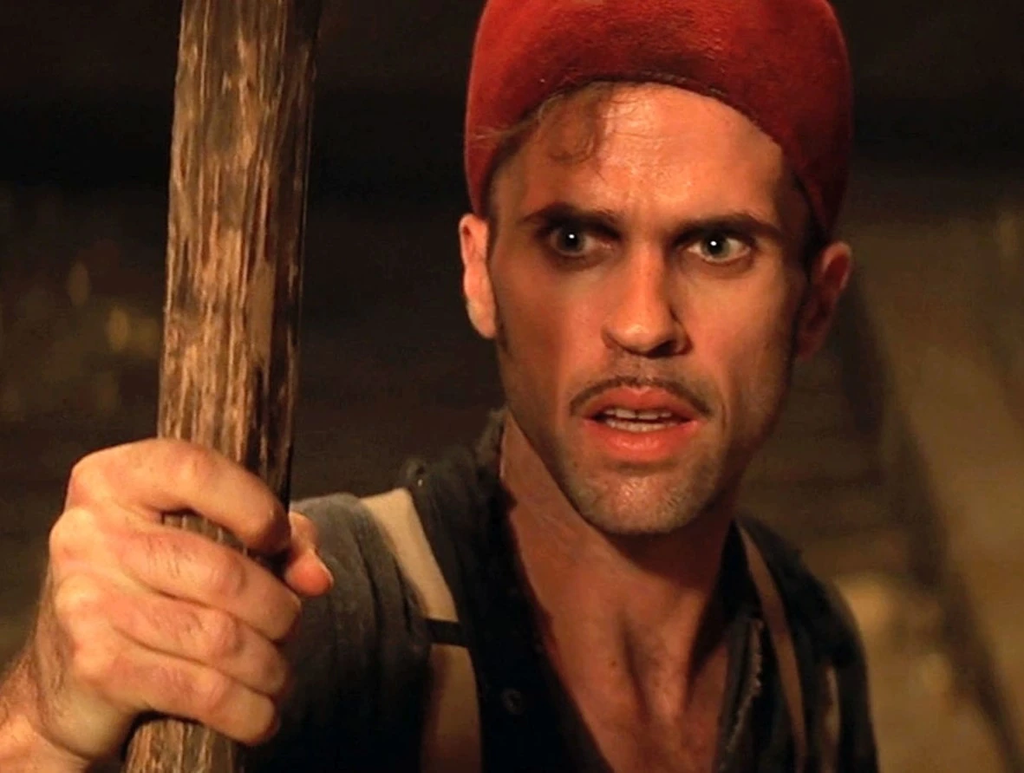
15. Beni Is Rick’s Perfect Opposite
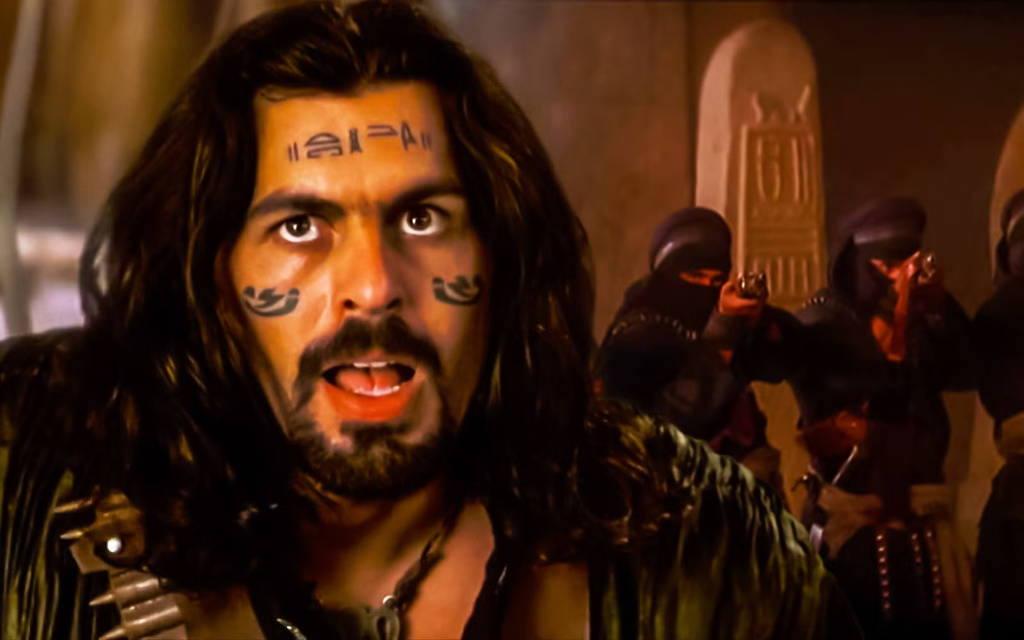
Rick responds to trouble by charging toward it; Beni survives by hiding, bargaining, switching loyalties, and finding somebody stronger to stand behind. Their shared past makes every confrontation funnier because Rick already knows exactly how Beni operates.
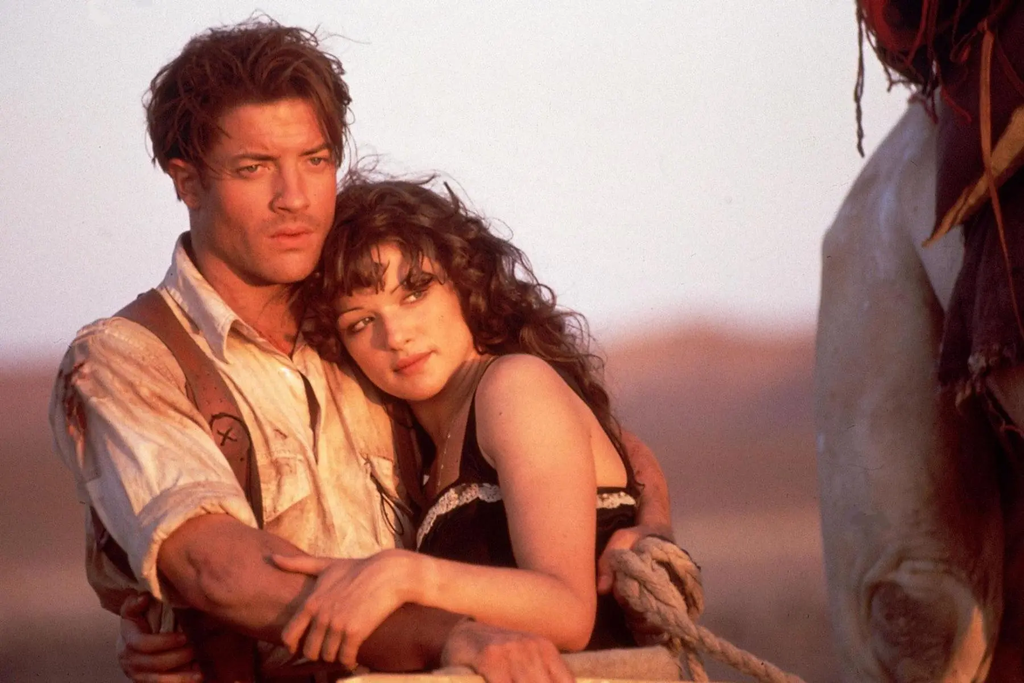
16. Rick and Evelyn Get to Flirt While Things Go Wrong
Their romance develops through arguments, teasing, drunken honesty, narrow escapes, and obvious mutual attraction rather than long dramatic speeches. The movie lets the relationship grow inside the adventure instead of stopping everything else to make room for it.
17. Jerry Goldsmith Treats It Like a Huge Adventure
Goldsmith’s orchestral score gives desert crossings, discoveries, escapes, and supernatural encounters the scale of an older Hollywood epic. Even relatively simple movement across the landscape can suddenly feel like the beginning of something enormous.
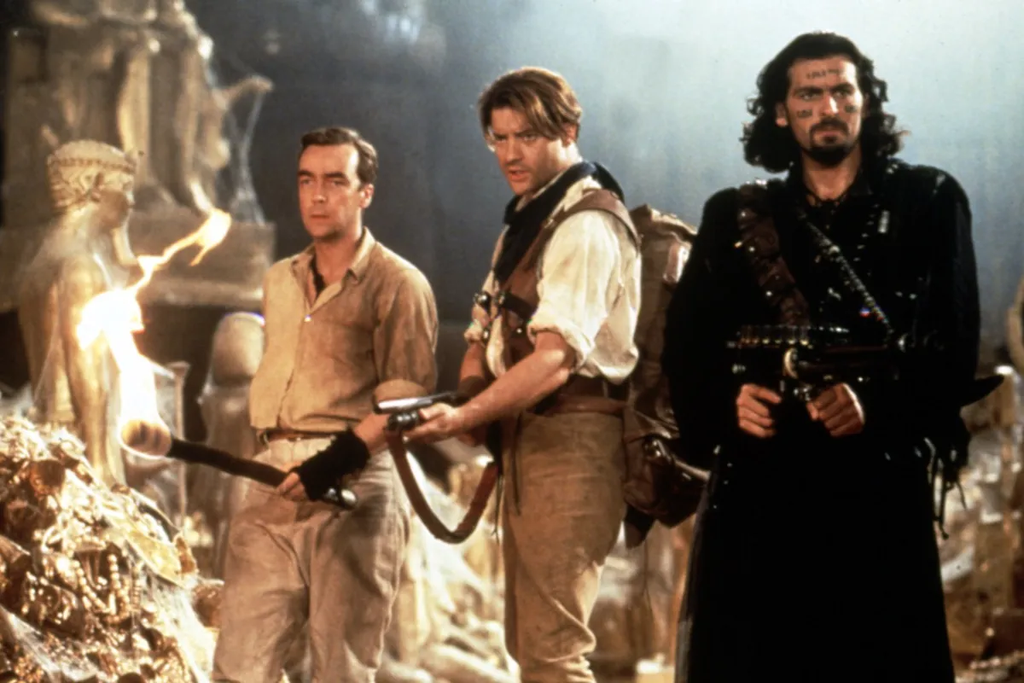
18. It Refuses to Stick to One Genre
Action, comedy, romance, supernatural fantasy, and old-fashioned adventure can all appear within a few minutes of one another. Instead of smoothing those differences away, The Mummy embraces them, which is a big part of why it still feels like such a distinctive late-1990s crowd-pleaser.
To watch or buy The Mummy (1999), click here: https://www.amazon.com/Mummy-Boris-Karloff/dp/B002L5CN3E