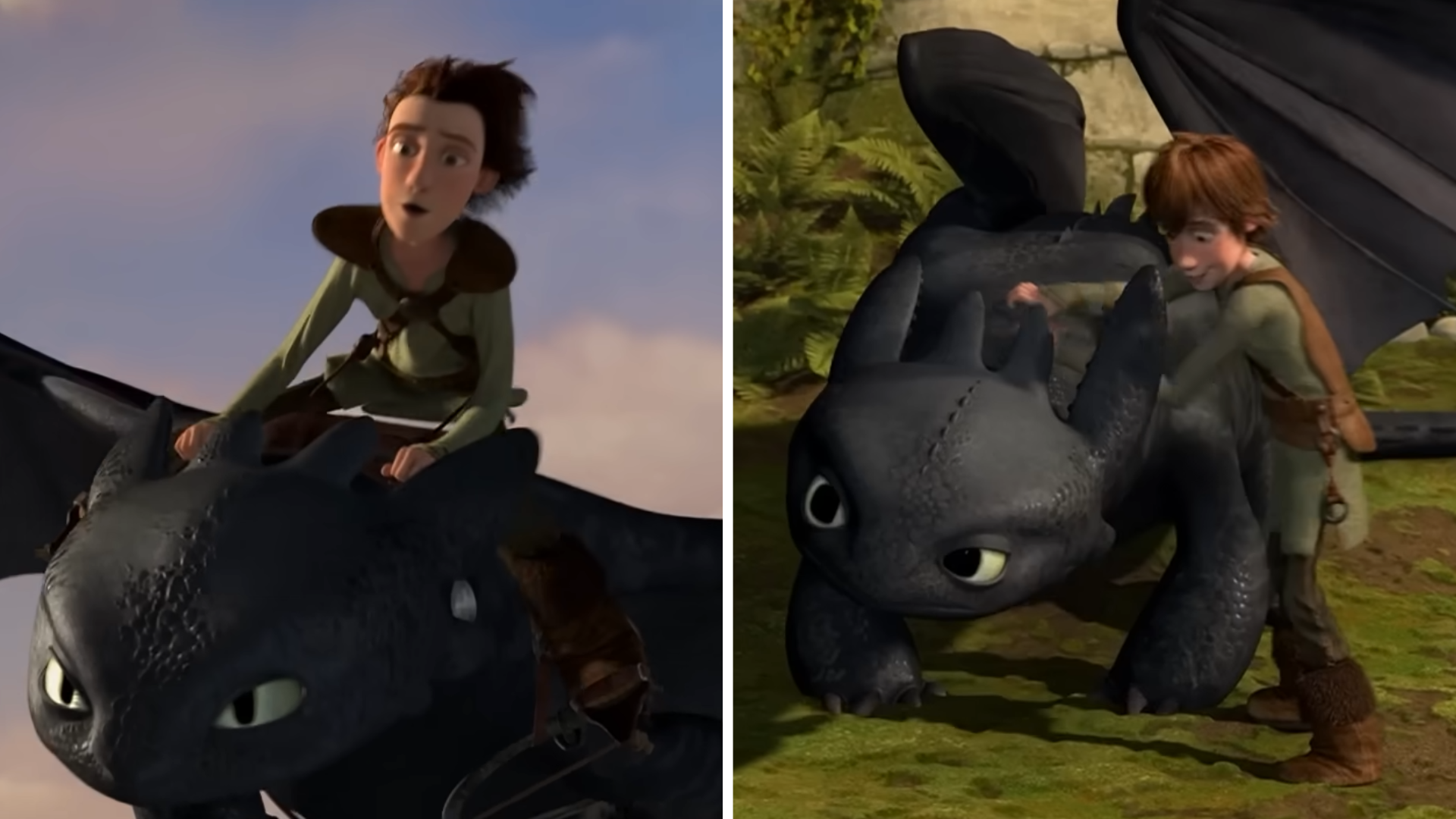
How to Train Your Dragon (2010) begins with Hiccup and Toothless on opposite sides of everything Berk believes about dragons. Hiccup is an undersized Viking who relies on inventions instead of strength, while Toothless is the mysterious Night Fury everyone fears but barely understands. Once they meet, each starts giving the other something he was missing.
Their partnership develops through observation, experimentation, and eventually complete trust. Hiccup learns more from Toothless than he ever does in formal dragon training, while his engineering gives Toothless a way to fly again. By the final battle, they operate almost instinctively together, and their friendship ends up changing far more than either of them.
1. Hiccup succeeds by thinking differently from every other Viking
The opening dragon attack establishes Hiccup as an outsider before Toothless even enters his life. While the other Vikings depend on size and physical power, Hiccup builds devices and looks for mechanical solutions. His inventions do not always go according to plan, but that instinct becomes essential later. He approaches Toothless as a problem to understand rather than an enemy to overpower, giving their friendship somewhere to begin.
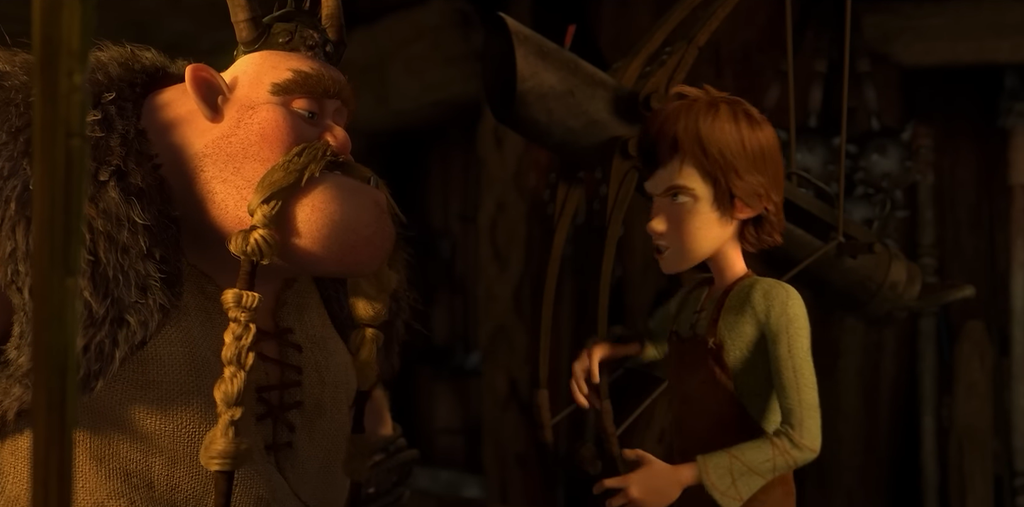
2. Toothless becomes Hiccup’s real dragon teacher
Formal training teaches Hiccup what Vikings believe about dragons, but Toothless shows him how dragons actually behave. Hiccup watches how the Night Fury reacts to touch, food, movement, and unfamiliar objects, gradually replacing fear with observation. Those quiet discoveries matter because Hiccup does not keep them confined to Toothless. He starts realizing that dragon behavior has patterns, and that understanding those patterns can accomplish things brute force cannot.
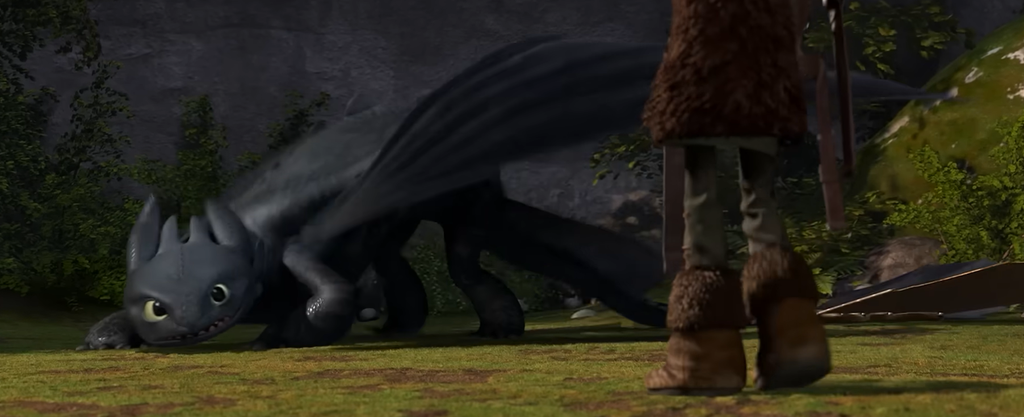
3. Hiccup turns those lessons into a completely new method
The training montage shows just how quickly Hiccup begins applying what Toothless has taught him. Instead of confronting each dragon the way the other trainees do, he experiments with calming, distracting, or gaining its trust. His classmates see an increasingly gifted dragon trainer, but the audience knows his advantage comes from spending time with Toothless. Their friendship is quietly rewriting everything Berk has taught him about how dragons should be handled.
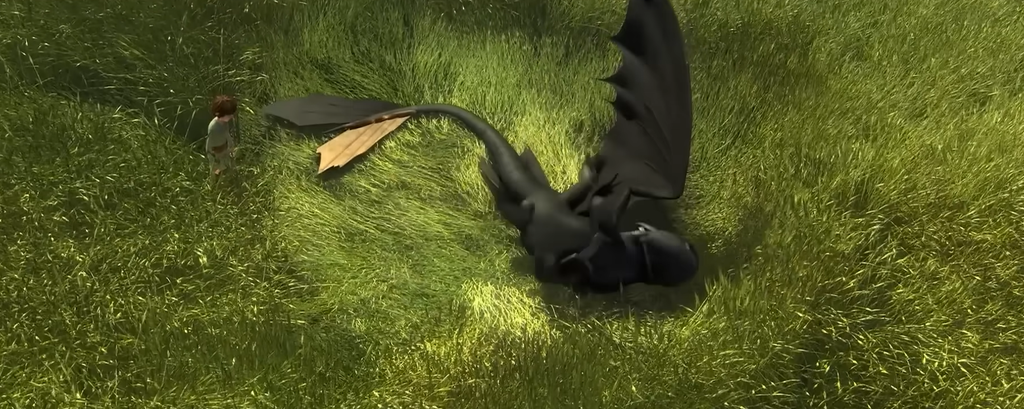
4. The artificial tail makes them depend on each other
Hiccup’s greatest invention does not simply repair Toothless. The replacement tail fin restores his ability to fly, but its control system means Hiccup has to operate it from the saddle. Toothless supplies the speed and strength Hiccup lacks, while Hiccup provides the engineering that lets Toothless return to the sky. Their most exciting ability therefore exists only when they work together, making cooperation part of the mechanics of every flight.
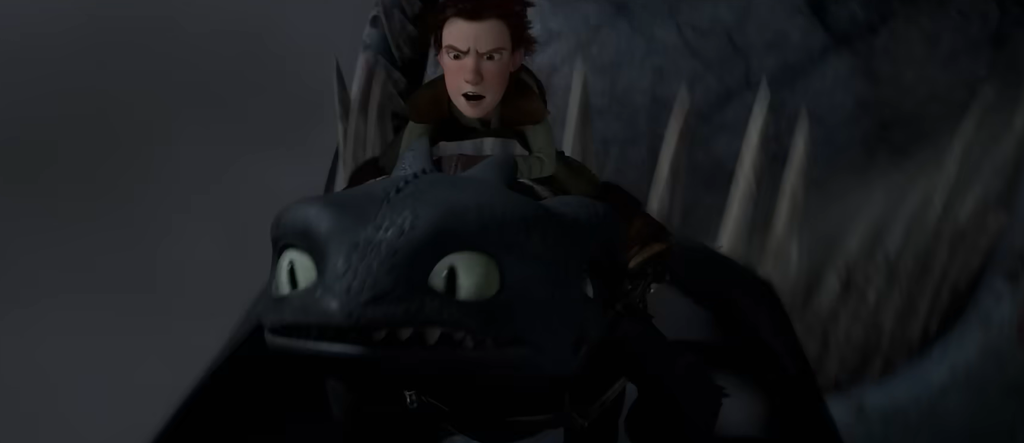
5. They learn to communicate without constantly explaining themselves
Early flights involve mistakes, frantic adjustments, and Hiccup struggling to understand what Toothless needs. By the Red Death battle, that uncertainty has largely disappeared. Hiccup can respond to a change in movement almost immediately, while Toothless reacts to his rider without lengthy commands. Their coordination feels convincing because the movie has spent so much time showing them practice. What once required experimentation has become a shared rhythm neither needs to explain.
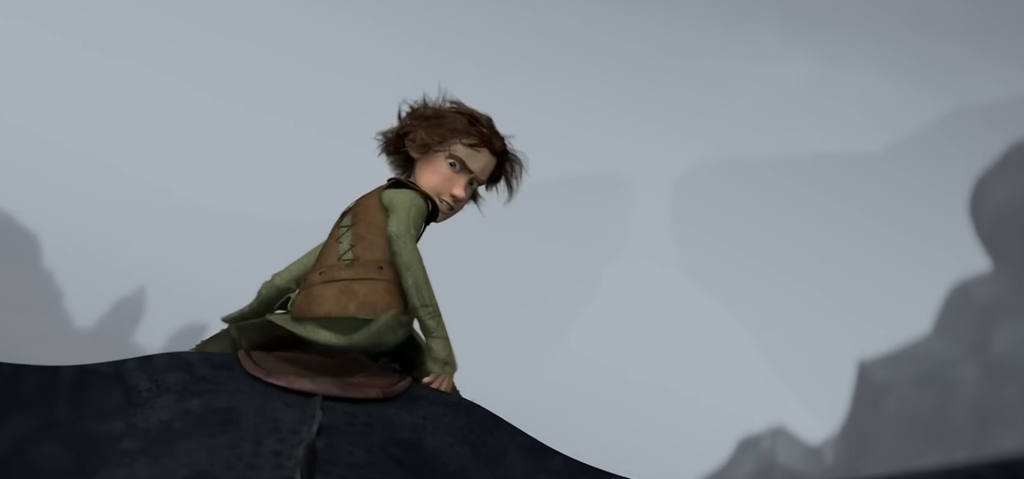
6. Hiccup provides the plan while Toothless makes it possible
The Red Death is so much larger than Toothless that matching it through strength would make little sense. Hiccup instead treats the battle like another problem that needs solving, looking for weaknesses and using Toothless’s speed to exploit them. Toothless can go places Hiccup never could on his own, while Hiccup can recognize opportunities that raw power would miss. Their different strengths make the partnership effective rather than redundant.
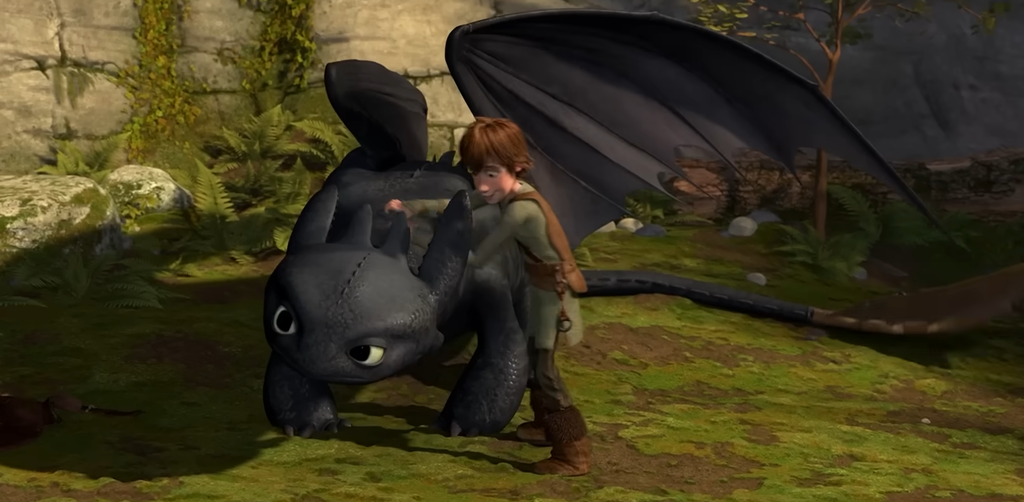
7. Their teamwork keeps working when the plan starts falling apart
The final battle becomes increasingly chaotic, and that is where the pair’s trust matters most. Hiccup cannot simply give Toothless a sequence of instructions and expect everything to happen perfectly. He has to adjust constantly as Toothless dives, climbs, and changes direction, while Toothless depends on Hiccup to manage the damaged tail. Their flight feels collaborative because both are reacting to the same danger instead of one merely controlling the other.
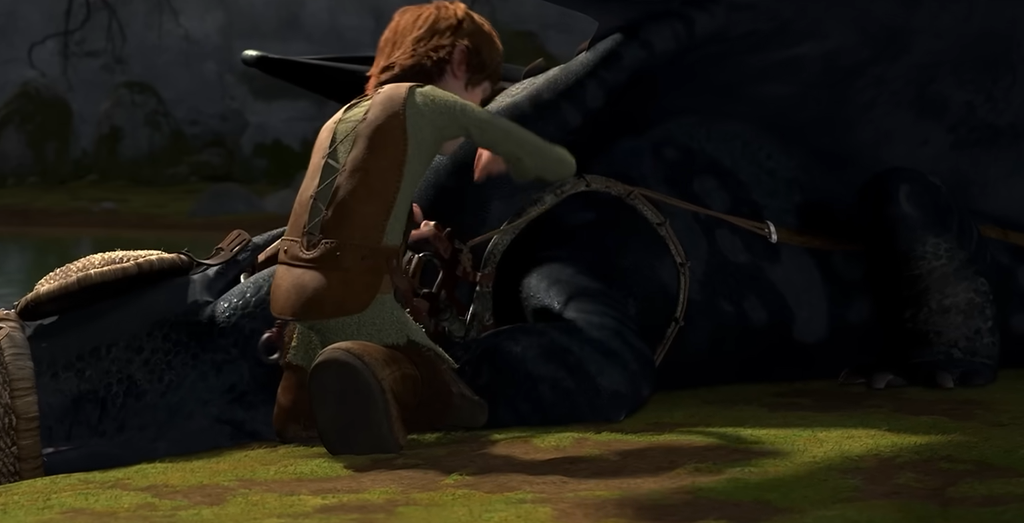
8. Toothless protects Hiccup when Hiccup cannot protect himself
Hiccup spends much of the movie helping Toothless recover something he lost, but the final battle allows Toothless to return that care in a much more immediate way. When Hiccup is no longer able to save himself, Toothless reaches him and shields him from the aftermath. It completes an important shift in their relationship. What started as cautious curiosity has become the kind of trust where each instinctively risks himself for the other.
9. The ending gives them matching physical limitations
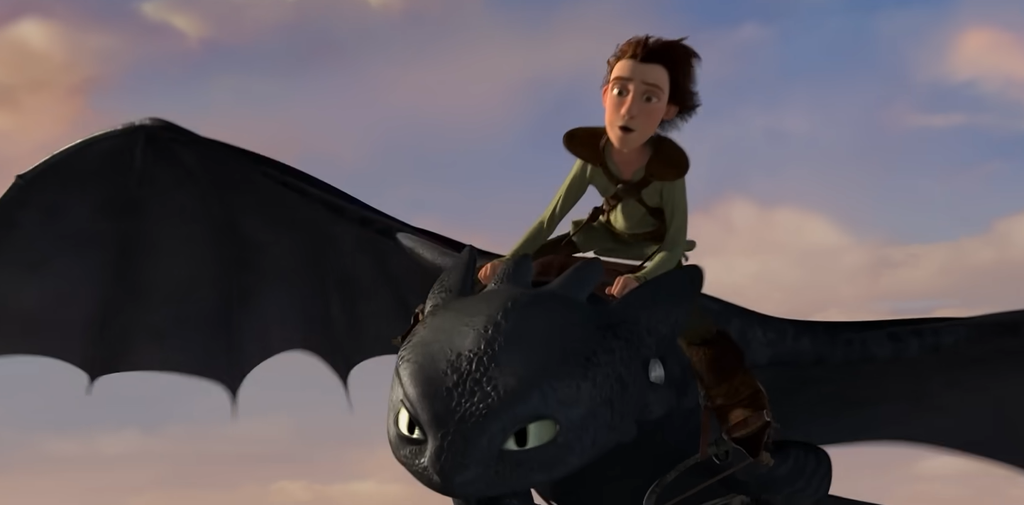
When Hiccup wakes after the battle, he discovers that he now uses a prosthetic leg, while Toothless still relies on the artificial replacement for his missing tail fin. The parallel quietly makes their partnership even more balanced. Hiccup once saw Toothless as an injured creature he could help; now they both live with permanent physical changes and mechanical assistance. Their connection is no longer just emotional or practical but visibly reflected in their bodies.
10. Their friendship changes Berk instead of changing them
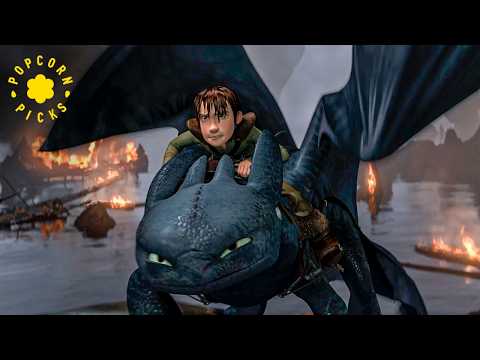
The biggest sign of how successful Hiccup and Toothless have become is waiting outside Hiccup’s house. Berk, once organized around defending itself from dragons, is now filled with Vikings living alongside them. Hiccup never had to become the traditional Viking everyone expected, and Toothless never had to become an obedient version of a dragon. Their partnership instead convinces the entire community that its assumptions were wrong, creating a new way of life around them.
To Watch or Buy How to Train Your Dragon (2010), click here: https://www.amazon.com/Train-Your-Dragon-Dean-Deblois/dp/B0FWYWRBNR