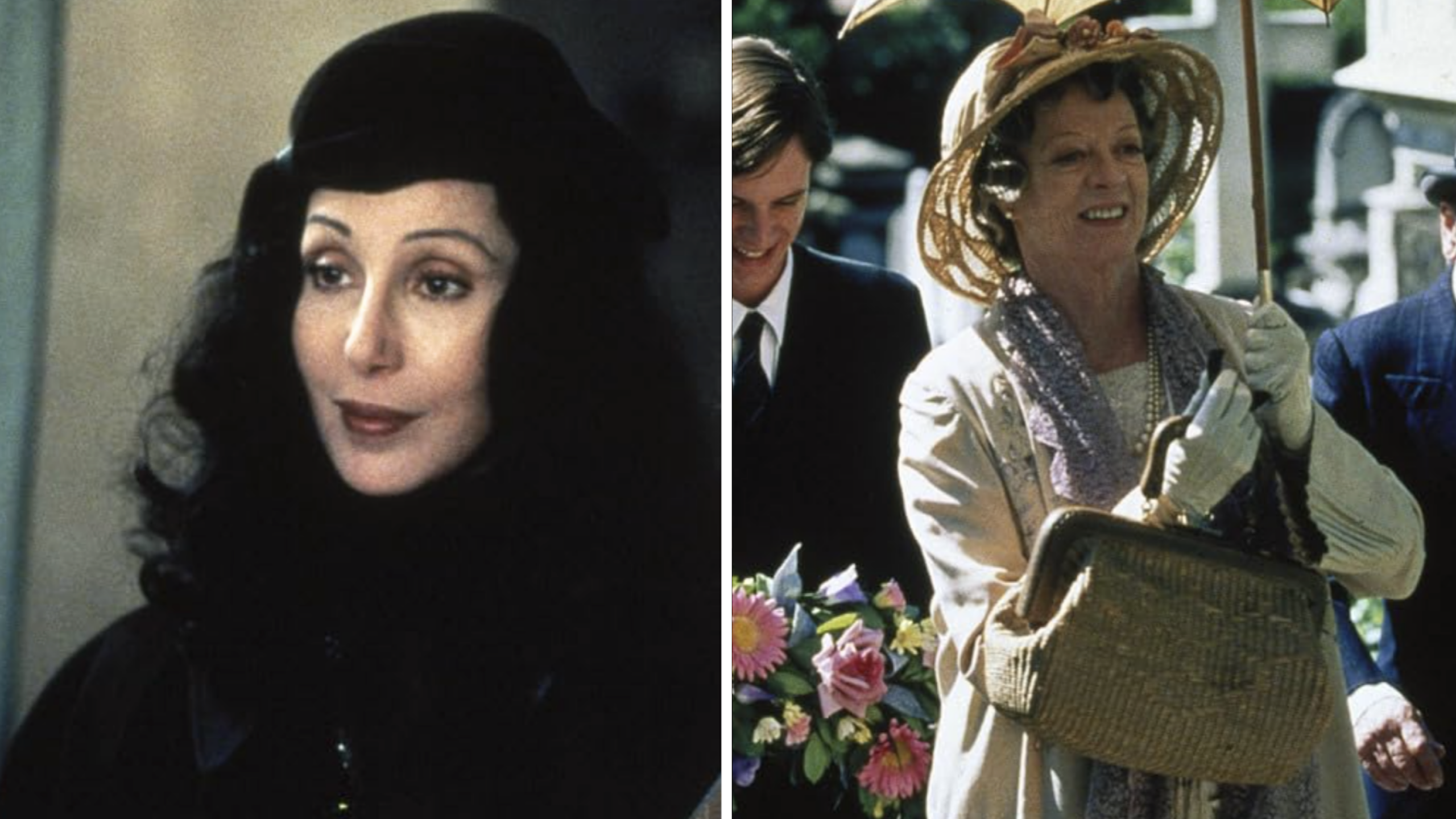
Tea with Mussolini (1999) puts two very different screen icons in the same Florentine drawing room and lets the sparks fly. Directed by Franco Zeffirelli and inspired by his own childhood in 1930s Florence, the film follows a group of English ladies who help raise a young Italian boy named Luca as Europe edges toward war. Leading the group is Lady Hester Random (Maggie Smith), the proud widow of a British ambassador. Then there’s Elsa (Cher), a rich, flamboyant American who sweeps into town with furs, jewels, and absolutely no interest in anyone’s rules. Smith brought decades of stage-trained precision, and Cher brought the confidence of an Oscar winner who had already conquered music, television, and film. Put them together, and every scene they share feels like a match point. Here are seven ways Maggie Smith and Cher clashed in Tea with Mussolini.
1. Old Money Meets New Money
Lady Hester believes in titles, manners, and knowing your place. Elsa believes in spending her fortune however she likes. From their first encounter, Hester treats the American as a loud intruder in her carefully ordered world, while Elsa seems almost amused by all the disapproval. Their rivalry starts as a class war in miniature, played out over teacups instead of battlefields.
2. Tweed Versus Glamour
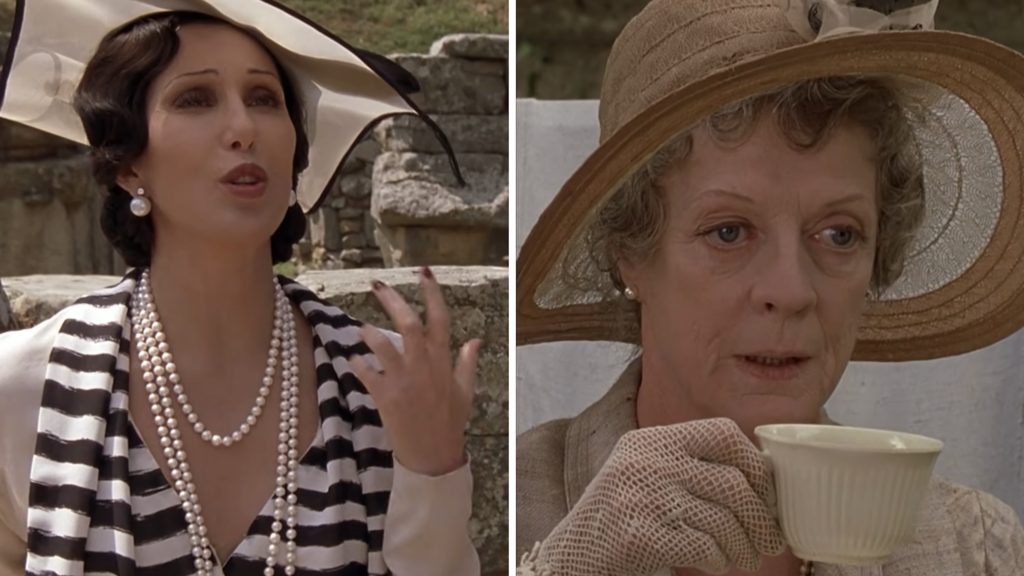
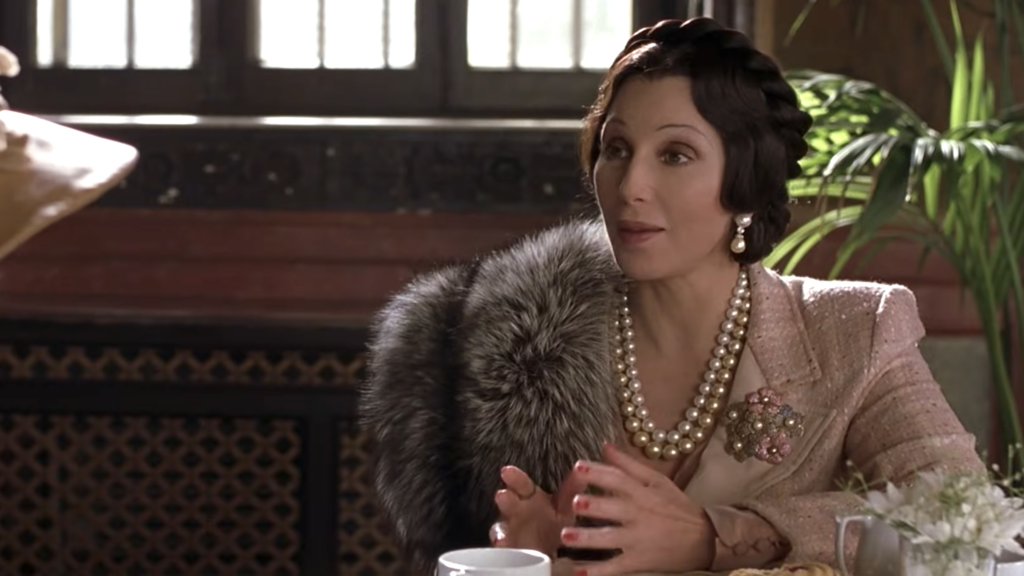
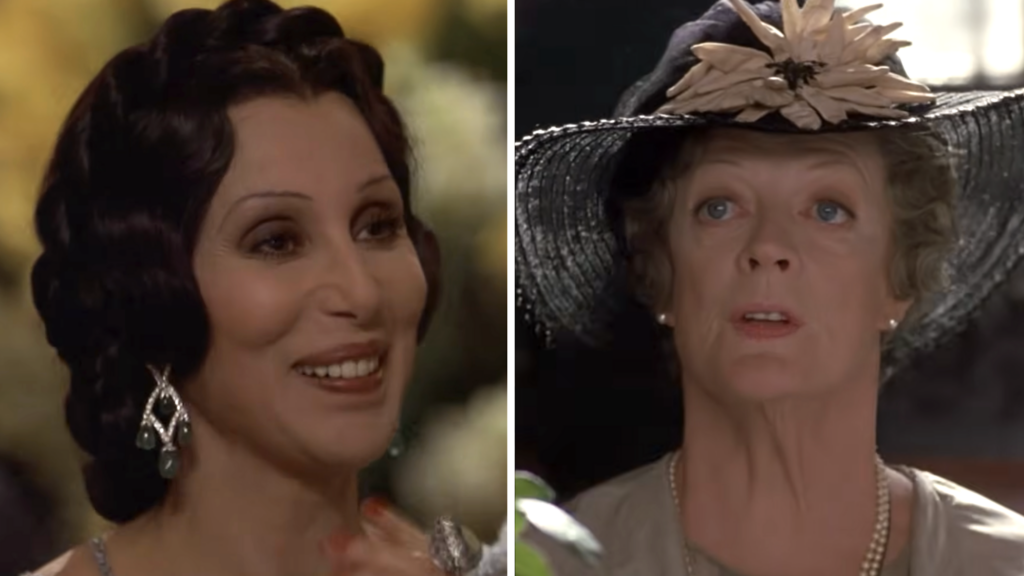
You can tell these two women apart from across the room. Hester dresses like a woman who still expects to be received at court, all tailored suits, neat hats, and buttoned-up elegance. Elsa arrives looking like a Hollywood star on holiday, draped in furs and dazzling jewelry. The costumes do half the storytelling, and every time they stand side by side, the contrast becomes its own quiet argument.
3. Two Stars, Two Styles of Acting
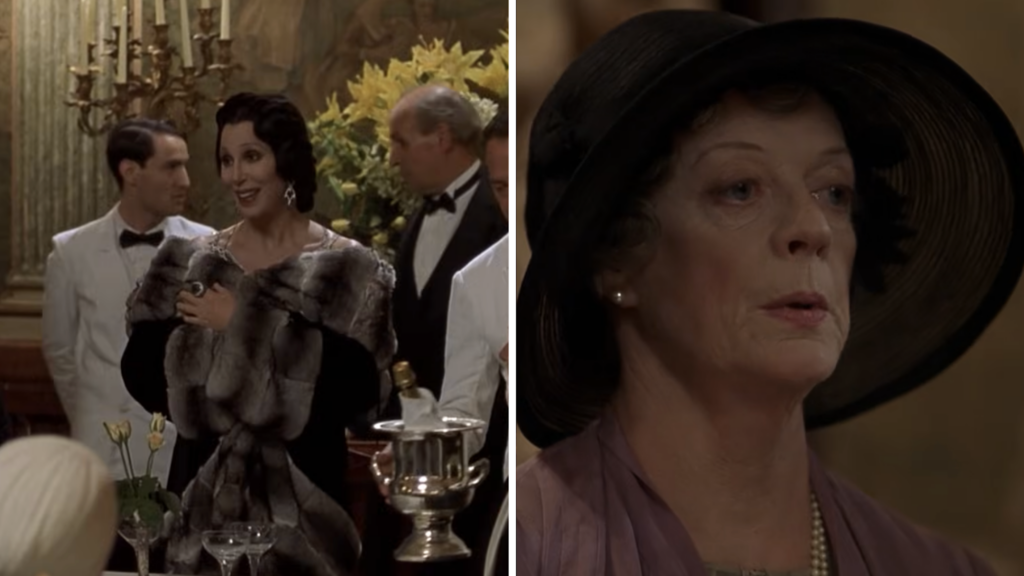
The clash goes beyond the characters. Maggie Smith, already a two-time Oscar winner, delivers every line with razor-sharp timing, often saying more with one raised eyebrow than most actors say in a speech. Cher, who won her own Oscar for Moonstruck (1987), plays Elsa with warmth, swagger, and a wink. Watching their very different approaches collide is part of what makes the film such a treat.
4. Trust in the Wrong Man
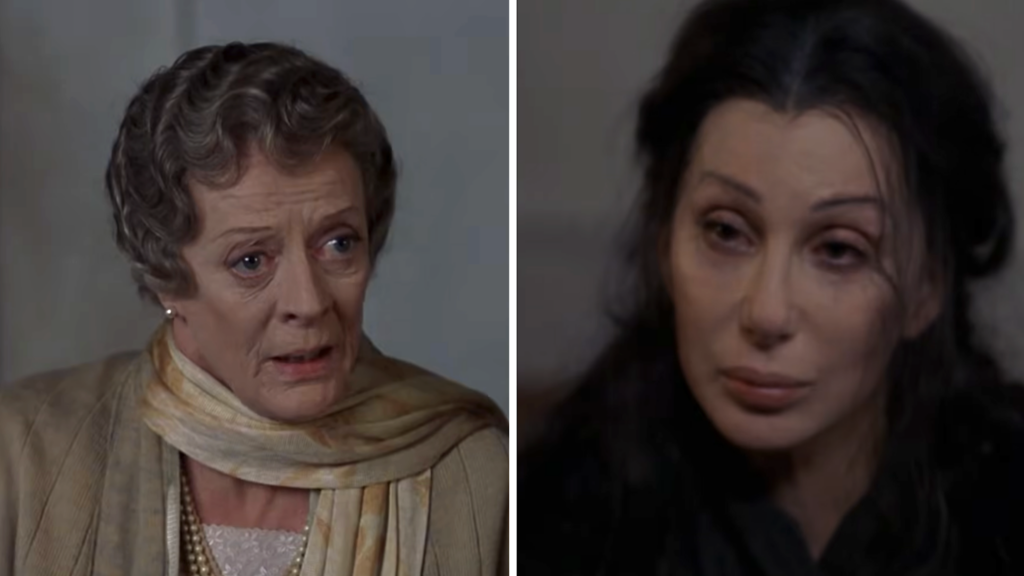
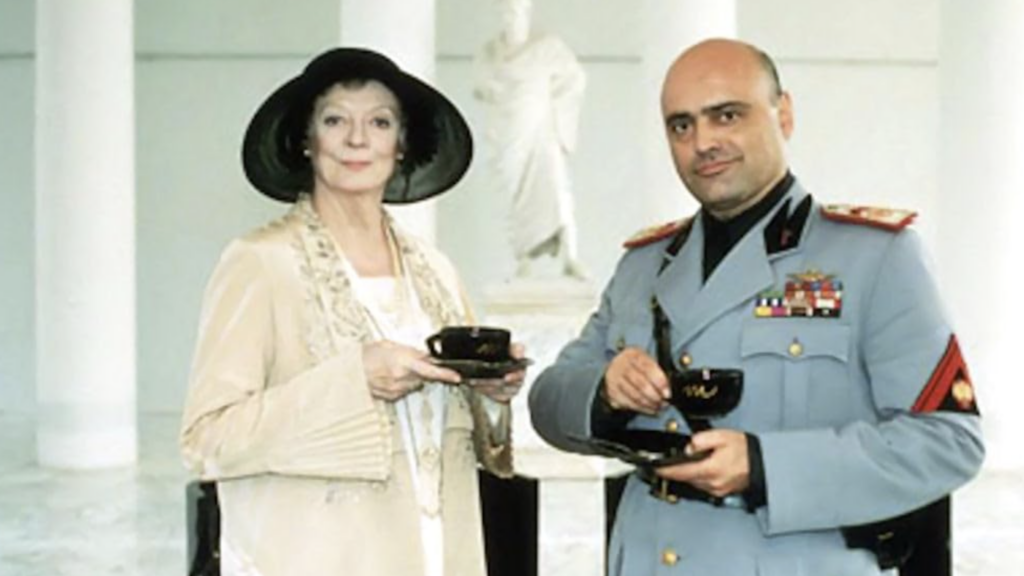
Hester’s proudest moment is the tea that gives the film its title. She travels to Rome, meets Mussolini, and walks away convinced that he will protect the English ladies of Florence. Elsa has far less reason to trust anyone in power, especially as the political climate darkens. While Hester clings to promises, Elsa sees the danger more clearly, and that difference shapes everything that follows.
5. Competing for Luca’s Future
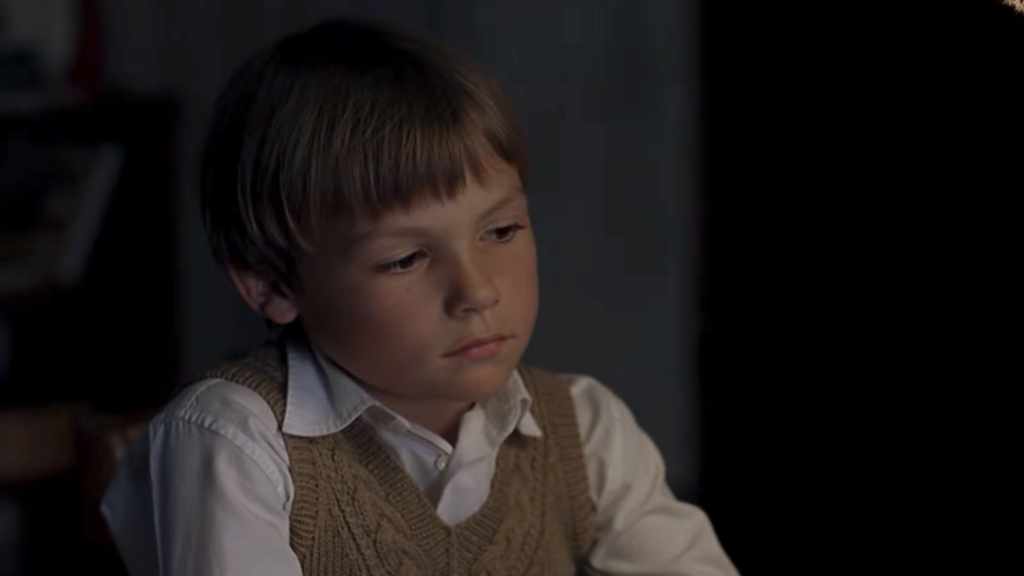
Both women care about Luca, but in completely different ways. Hester and the other English ladies want to give him culture, language, and proper British manners. Elsa offers something more practical: money, opportunity, and a future beyond Florence. Their tug-of-war over the boy’s upbringing reveals what each woman values most, and it gives their rivalry real emotional stakes.
6. The Secret Behind the Comfortable Hotel
When war arrives, the English ladies are moved away from Florence and end up in surprisingly pleasant lodgings. Hester assumes her famous tea has paid off and that Mussolini is looking after them. The truth is far more humbling. The one making their stay comfortable is the very woman Hester has looked down on from the start. It’s the film’s sharpest twist, and it lands squarely on Hester’s pride.
7. From Rivals to Something Like Respect
By the end, the battle lines have blurred. Hester has to confront how wrong she was about Elsa, and Elsa has shown a generosity that the snobbish Englishwoman never expected. They never become best friends, and the film is better for it. Instead, they reach a hard-won understanding that feels earned, proving that the most satisfying rivalries are the ones that change both people.
Leave a Reply