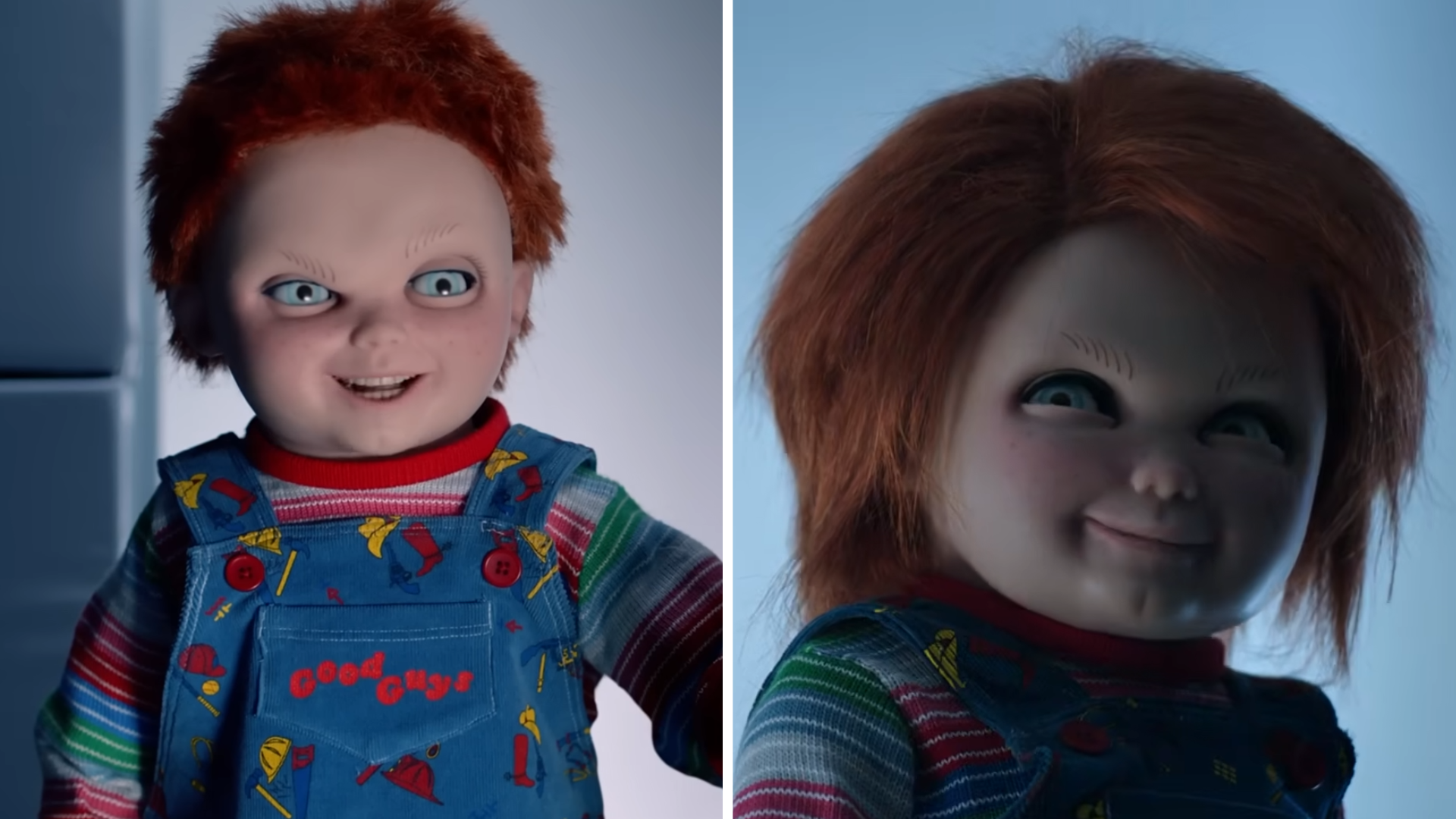
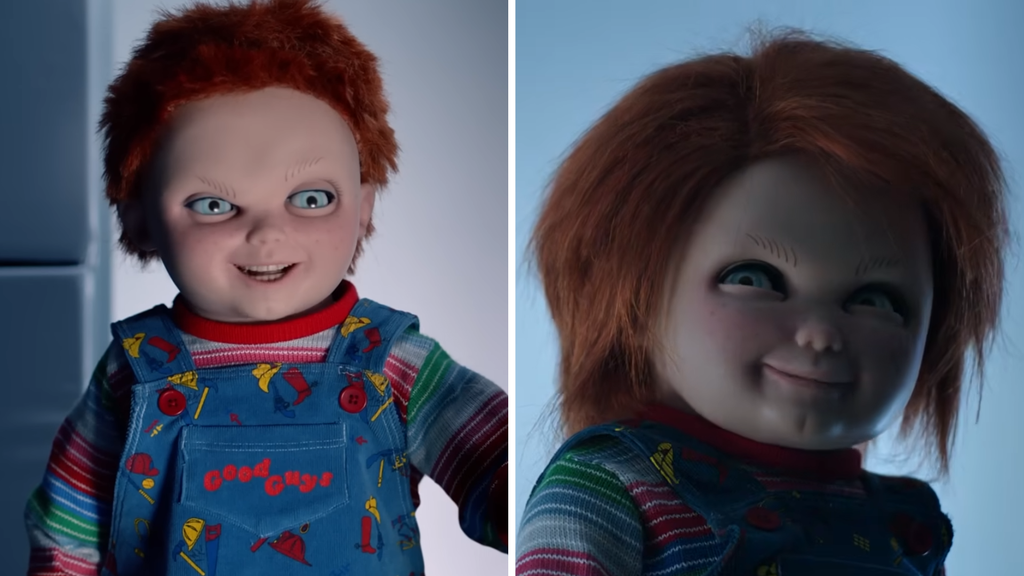
By the time Cult of Chucky (2017) arrived, Chucky had already survived nearly three decades of sequels, transformations, and increasingly complicated supernatural rules. Rather than ignoring all that history, writer-director Don Mancini used the seventh movie to start dismantling some of the assumptions audiences had carried since the original Child’s Play.
The result changes far more than Chucky’s latest hiding place. One possessed doll becomes several, an old target returns as an adult, and Charles Lee Ray finally finds a completely different route back into a human body. Mancini later described the multiple-Chucky idea as a way to push a decades-old franchise into unexplored territory.
1. One Chucky suddenly becomes several
For most of the series, finding Chucky meant finding the body currently carrying Charles Lee Ray. Cult breaks that assumption by revealing that several Good Guy dolls can contain pieces of him simultaneously. Mancini had wanted to explore multiple Chuckys for years and felt a franchise entering its fourth decade needed genuinely new territory. Instead of introducing another replacement villain, he found a way to turn Chucky himself into an expanding threat.
2. Soul transfer becomes soul splitting
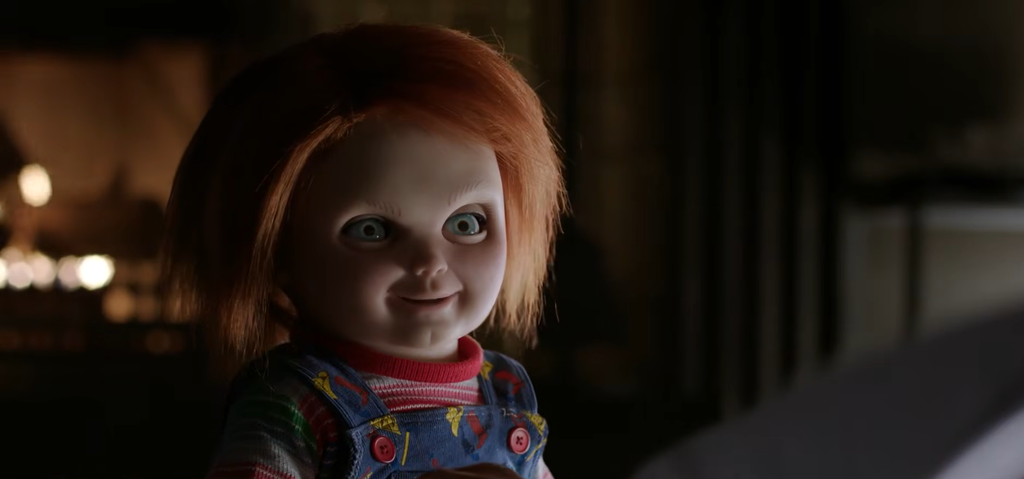
The original supernatural setup was restrictive: Charles Lee Ray wanted to leave the doll and transfer himself into another person. Cult introduces a much more useful trick. Chucky can divide his soul rather than simply move it, leaving one version behind while creating another somewhere else. Mancini eventually used that expansion as a foundation for the television series, explaining that Cult’s ending was deliberately designed to open Charles Lee Ray up across multiple bodies.
3. The different Chuckys are not simply identical copies
Several Chuckys could easily have functioned like interchangeable pieces of one consciousness, but Mancini was more interested in giving them individual personalities. While developing their group scenes, he began thinking of the dolls as brothers with a strange affection for one another. He later clarified that the different versions do not operate as a hive mind, which also gave Brad Dourif opportunities to play subtle variations on a character he had voiced since 1988.
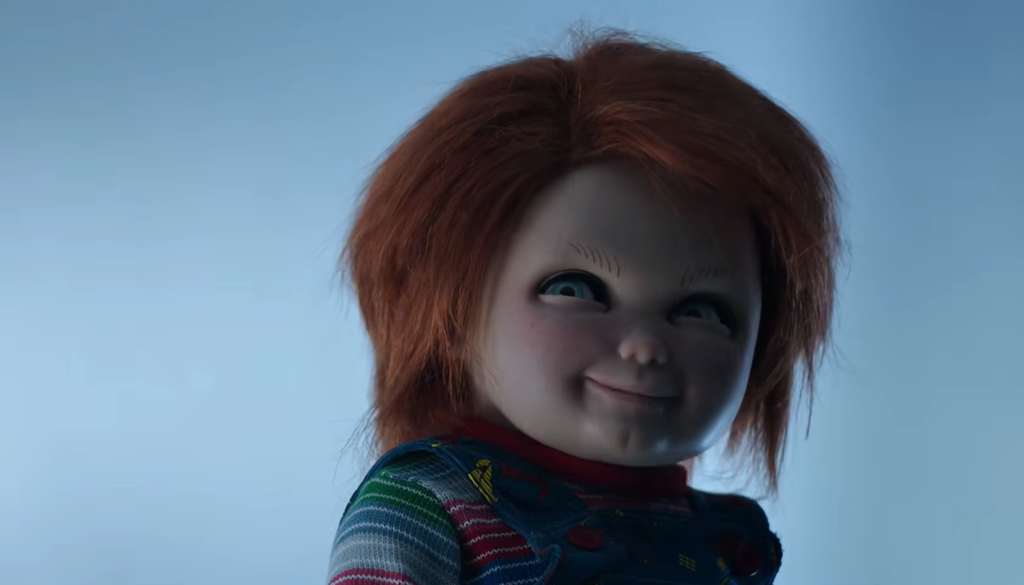
4. Destroying one Chucky no longer ends the problem
That new rule quietly changes how every confrontation works. Earlier movies could build toward stopping the one body Chucky currently occupied, but Cult makes an individual victory much less reassuring. Andy can confront one Chucky and seemingly have the situation under control while another version remains elsewhere. Chucky has effectively solved one of his oldest weaknesses: his survival no longer depends on keeping a single small body intact.
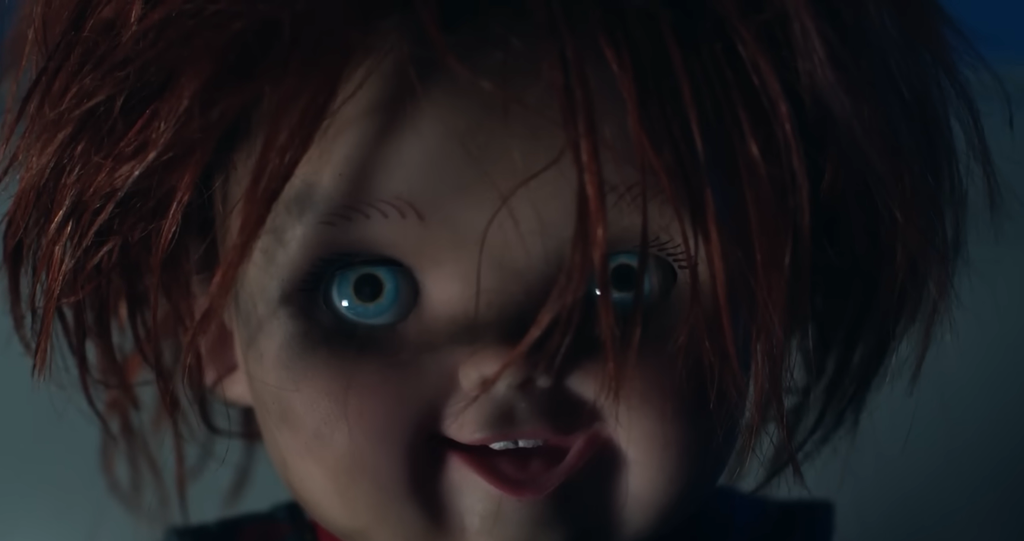
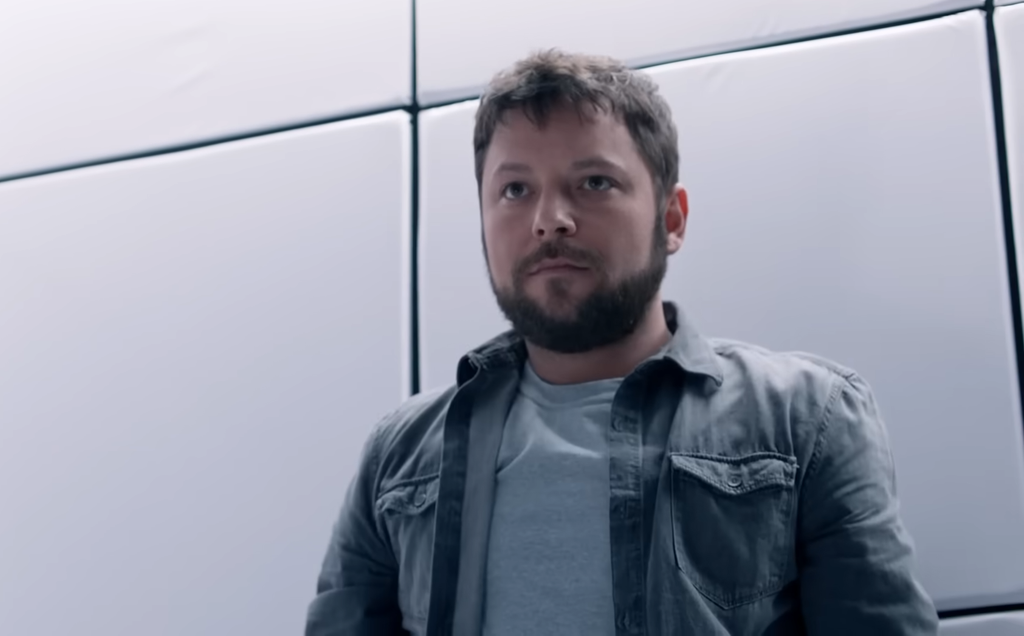
5. Andy Barclay has gone from intended host to Chucky hunter
Andy entered Child’s Play as a six-year-old whom Chucky wanted to use in his attempt to regain human form. Cult brings Alex Vincent back and asks what living with that experience might turn Andy into decades later. Mancini specifically wondered what adult Andy would be like after spending his life carrying that history. He returns knowing Chucky is real, understanding his tricks and actively seeking him out rather than pleading to be believed.
6. Chucky finally gets a human body, just not the one he expected
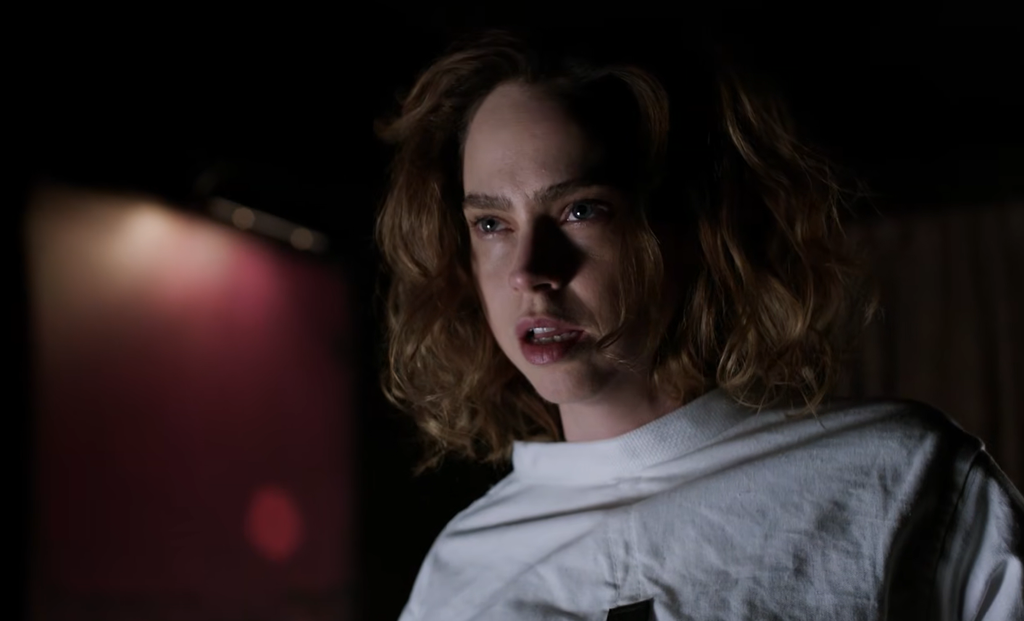
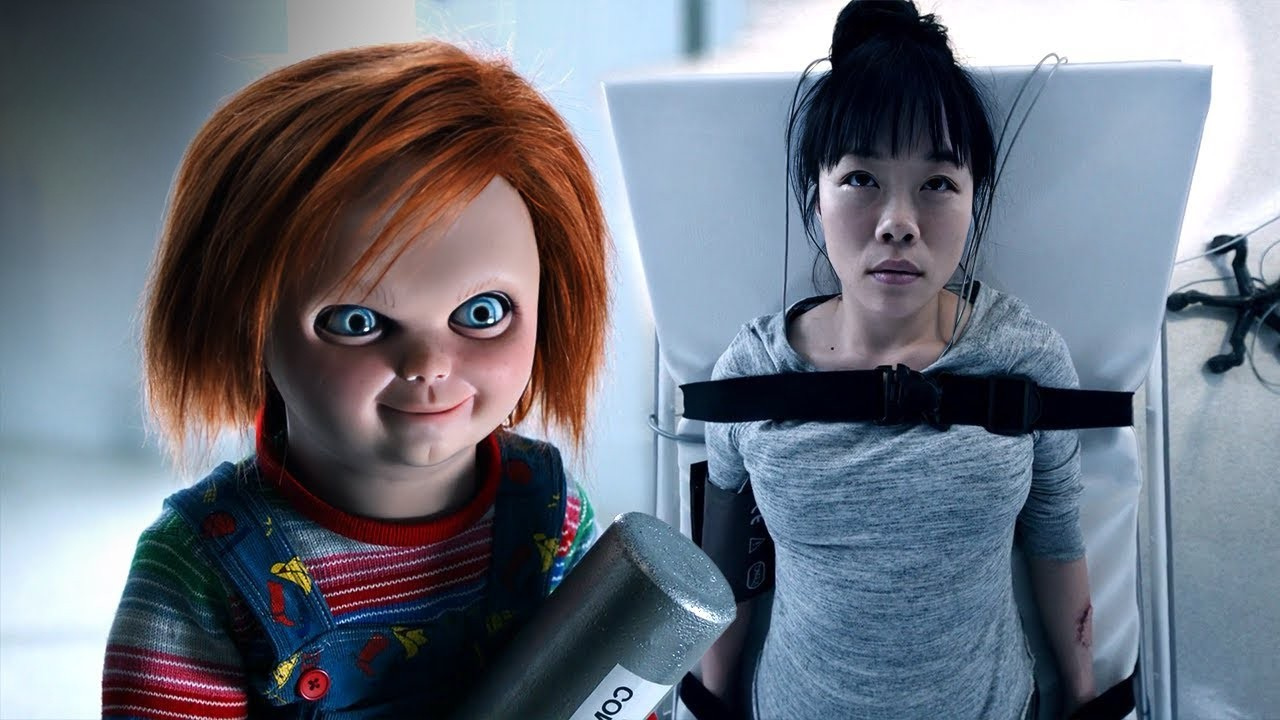
Regaining a human form was built into Chucky’s motivation from the beginning, but his plans repeatedly failed. Cult finally delivers a version of that victory when part of Charles Lee Ray takes over Nica. The twist is especially effective because Andy, once central to Chucky’s plans, has nothing to do with the successful transfer. Mancini takes an objective established in the original movie and fulfills it through a character introduced decades later.
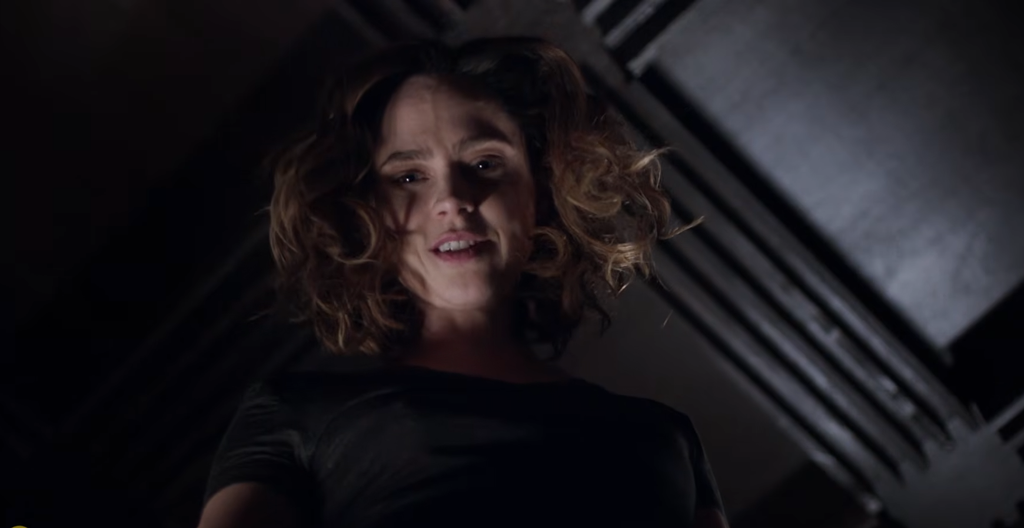
7. Nica’s possession adds another supernatural wrinkle
Nica’s transformation does more than give Chucky a human face. Although Nica normally cannot walk, the possessed version of her is suddenly able to stand and move independently. Cult does not stop to provide a scientific explanation because the change is supernatural, but it adds another unexpected layer to possession: Chucky appears capable of accessing his host differently than Nica herself can, an idea the later television continuation would explore further.

8. The mystery is no longer whether Chucky is alive
The original Child’s Play gets enormous mileage from adults refusing to believe that an innocent-looking toy could possibly be responsible for what Andy describes. Cult knows its audience is long past that question. Instead, several nearly identical dolls turn the mystery into a shell game: viewers know Chucky exists but cannot always know which Chucky is active. Mancini used that confusion to put the audience closer to Nica’s uncertain perspective.
9. Different eras of the franchise finally collide
Cult does not treat the earlier movies as inconvenient baggage. Andy represents the original Child’s Play era, Nica carries forward the darker story begun in Curse of Chucky, and Tiffany connects everything back to the more openly comic mythology introduced in Bride of Chucky. Mancini had specifically become interested in bringing Andy back, allowing characters separated by decades of franchise history to finally occupy the same continuing story.
10. Chucky finally embraces being an artifact from the ’80s
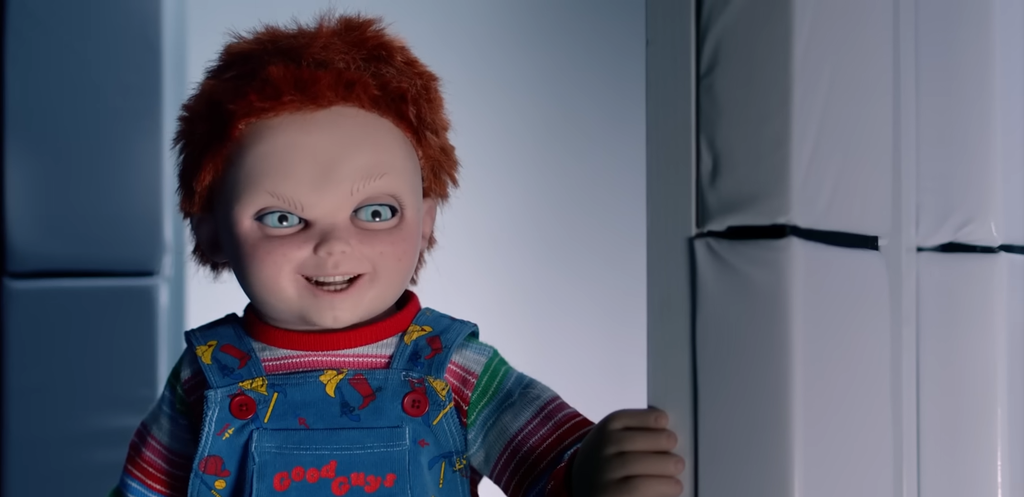
When Chucky jokes about being a toy from the 1980s, the franchise is acknowledging something most long-running horror series eventually have to confront: its monster has become a piece of pop-culture history. Cult does not reboot Chucky or pretend the Good Guy craze happened recently. It lets him carry nearly 30 years of continuity forward, turning his age into part of both the comedy and the mythology rather than something the series needs to hide.
To Watch or Buy Cult of Chucky click here: https://www.amazon.com/Cult-Chucky-Fiona-Dourif/dp/B075ZD8KCW