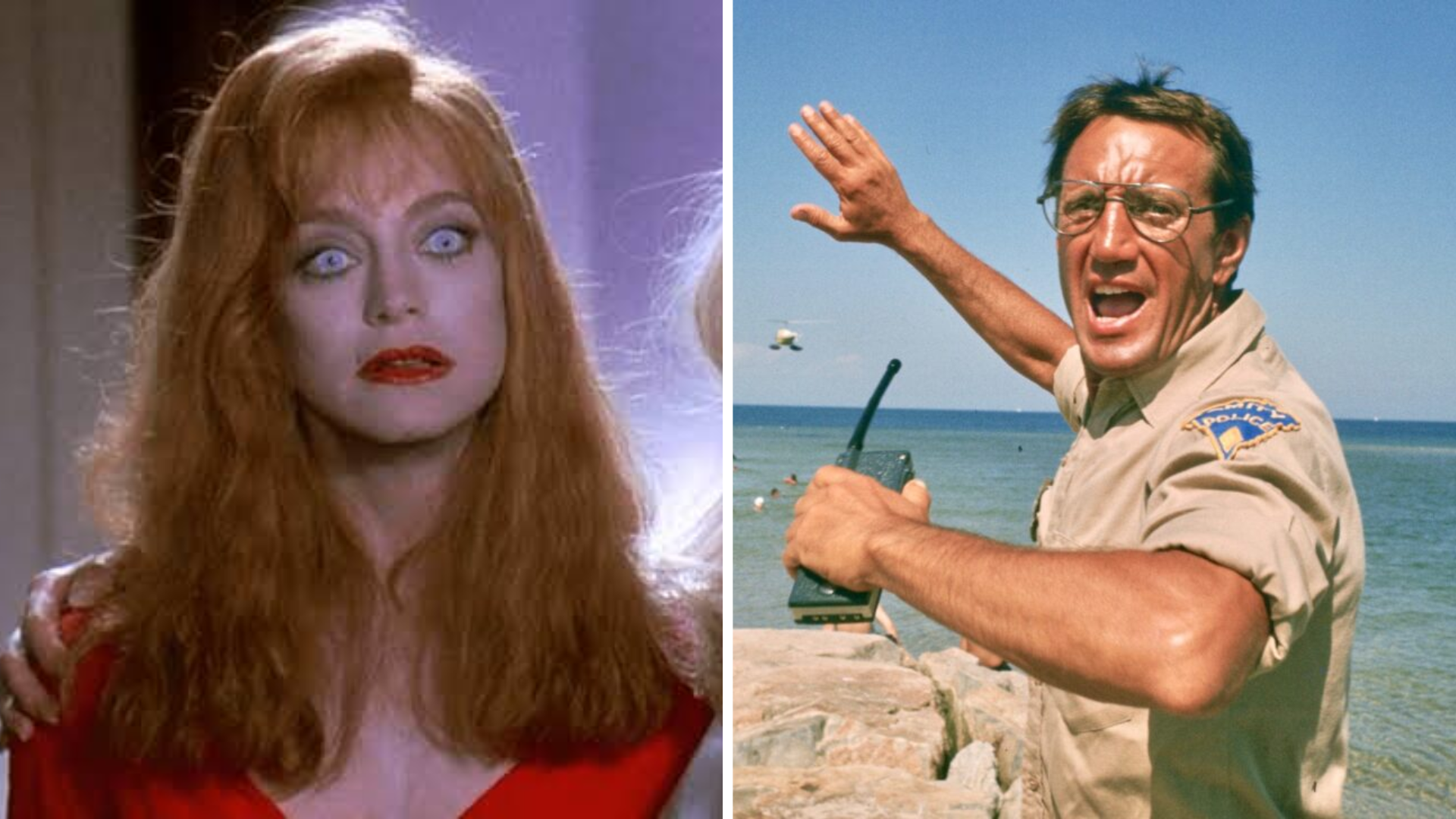
Horror movies work best when they tap into fears that already exist outside the theater. Sometimes the connection is obvious, like The Birds turning an everyday animal into a threat. Other movies reach deeper, using darkness, enclosed spaces, contamination, or the feeling of being watched to make familiar situations suddenly uncomfortable.
A clinical phobia is more intense and persistent than simply being scared of something, often leading to significant anxiety or avoidance. These 10 movies happen to line up especially well with fears people can experience in real life.
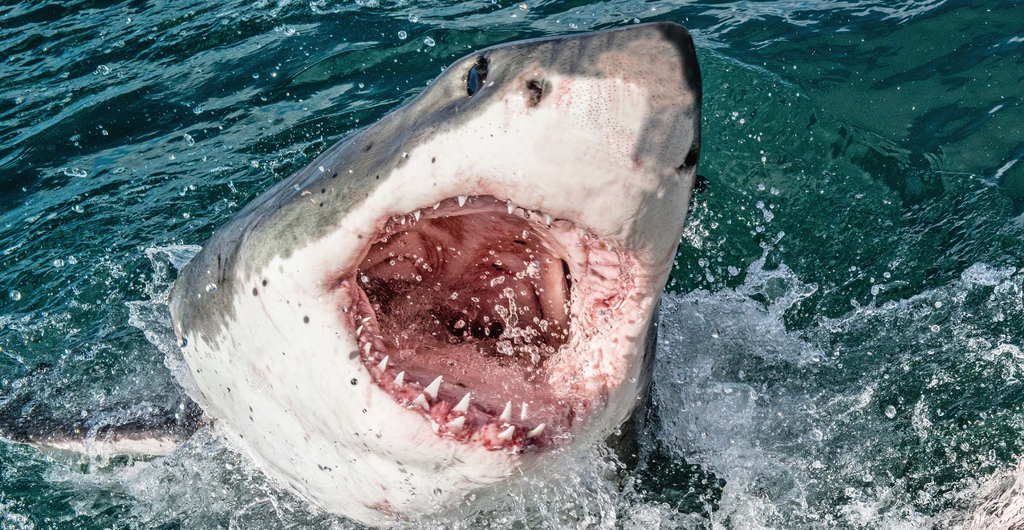
1. Jaws taps into thalassophobia
Thalassophobia is an intense fear associated with large, deep bodies of water. Jaws makes brilliant use of everything that can make the ocean unsettling: its enormous size, limited visibility, and the impossibility of knowing what might be beneath you. The shark provides a specific threat, but some of the movie’s most effective moments only need a swimmer surrounded by seemingly endless water.
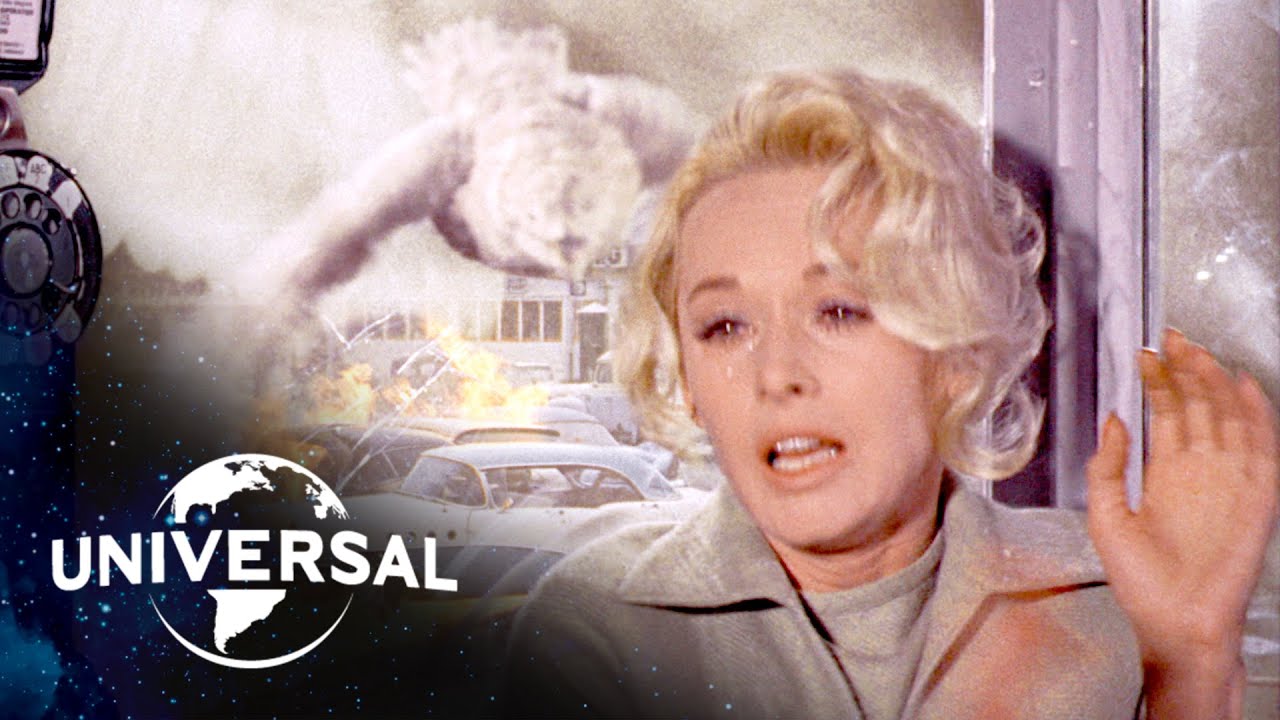
2. The Birds brings ornithophobia to life
Ornithophobia is an extreme fear of birds, whether that means certain species or birds more generally. The Birds takes animals people normally encounter without concern and gradually makes their presence overwhelming. One bird might be harmless, but hundreds gathering silently behind Melanie create a completely different feeling. Hitchcock turns their familiarity into an advantage because there is almost nowhere the characters can go without encountering them.
3. Child’s Play 2 plays with pediophobia
Pediophobia is an intense fear of dolls, making Chucky an almost perfect horror-movie expression of it. Dolls already imitate human faces while remaining obviously artificial, and Child’s Play 2 makes that uncertainty worse by allowing one to move, speak, and attack. The Good Guy factory adds another layer by surrounding Chucky with identical dolls, making the dangerous one nearly impossible to distinguish from harmless toys.
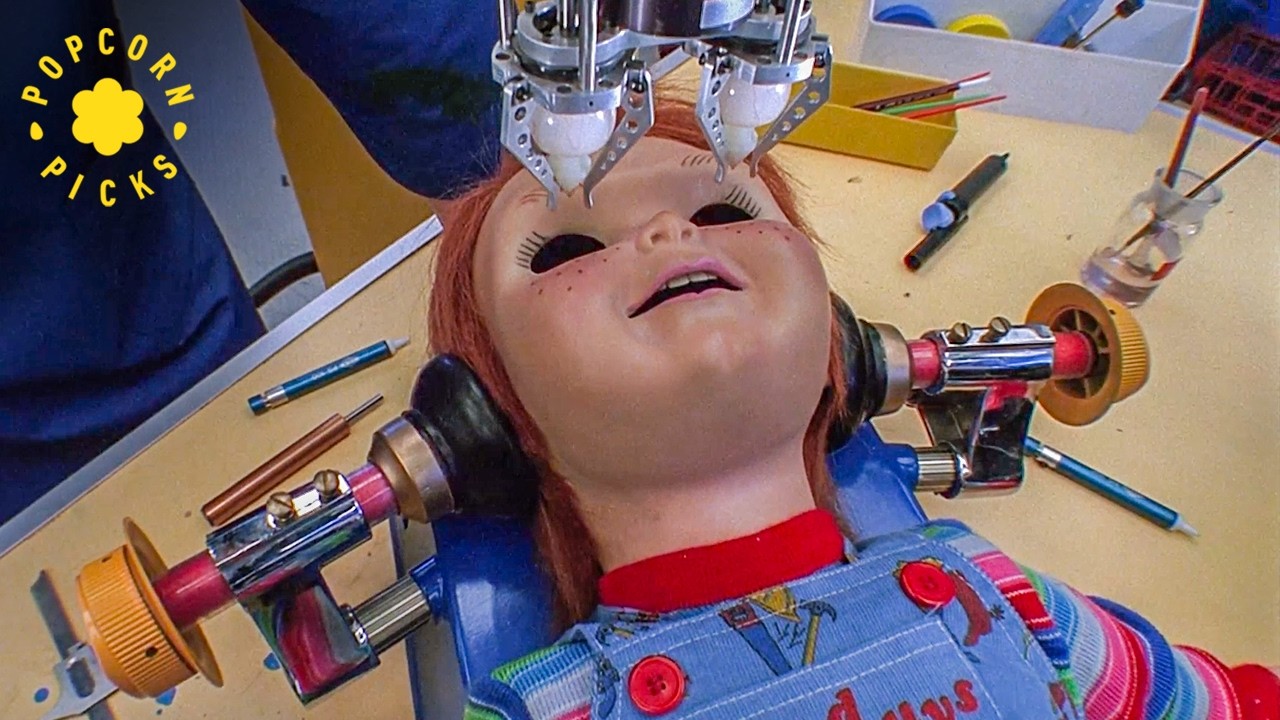
4. The Mummy turns entomophobia into a swarm
Entomophobia involves an extreme fear of insects, sometimes including anxiety about bites, infestations, or simply encountering bugs. The Mummy takes those concerns and exaggerates them through its fictional scarabs. One creepy insect would already be unpleasant for many viewers; thousands moving together become something far more overwhelming. Their ability to spread rapidly through enclosed spaces also removes one of the easiest responses to insects: simply getting away.
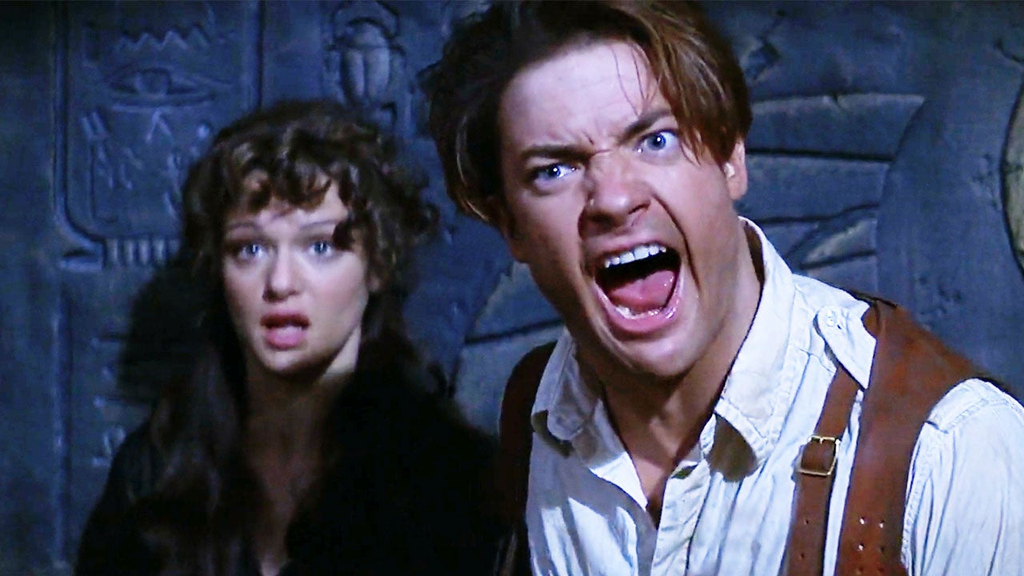
5. Pitch Black builds its world around nyctophobia
Nyctophobia is an intense fear of darkness, and Pitch Black turns that fear into an actual survival rule. Darkness is not merely uncomfortable on the planet where the characters are stranded; it is when the predators emerge. Light becomes temporary safety, while everything beyond its reach could contain something dangerous. The movie makes one of childhood’s most familiar fears feel completely rational by giving the darkness teeth.
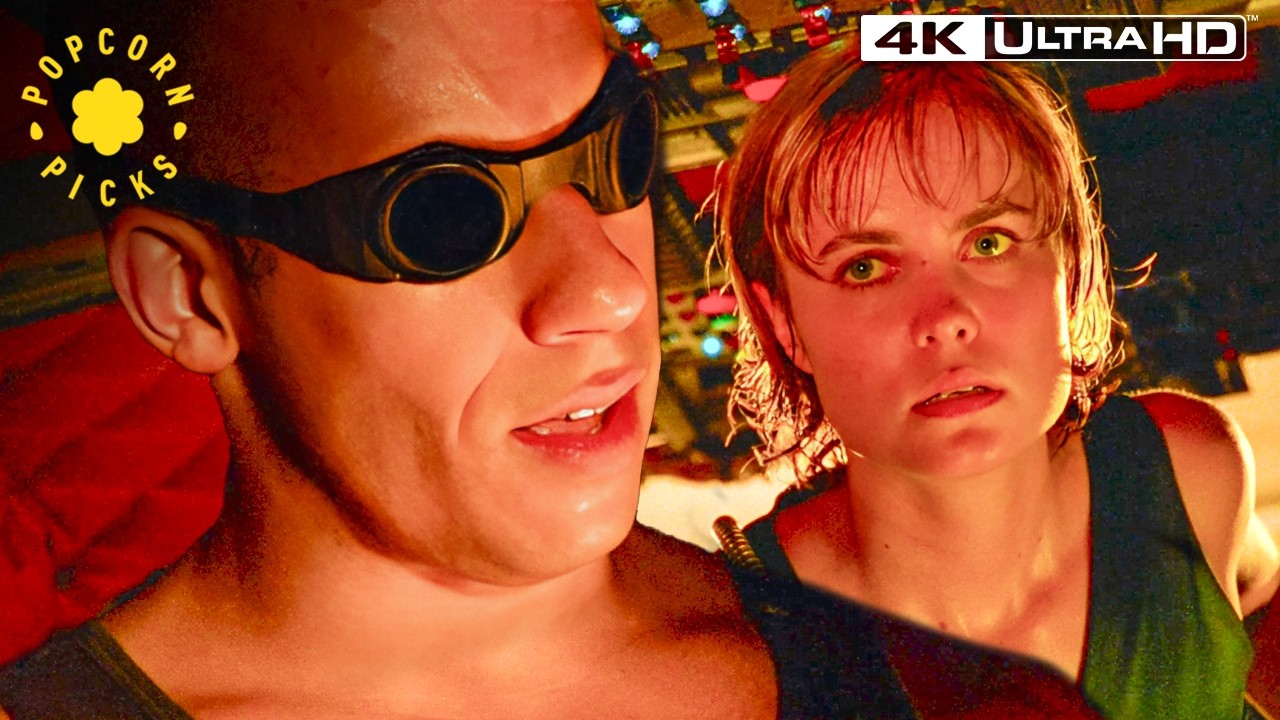
6. The Black Phone traps viewers inside claustrophobia
Claustrophobia is an intense fear of confined or enclosed spaces, with common triggers including elevators, tunnels, and small rooms. The Black Phone places Finney inside a basement where nearly every important feature reinforces confinement: the locked door, bare walls, small mattress, and limited connection to the outside world. Even before anything supernatural happens, knowing he cannot simply leave gives the setting much of its power.
7. The Invisible Man exploits the fear of being watched
Scopophobia involves an excessive fear of being watched or stared at. The Invisible Man finds an especially cruel way to use that anxiety because Cecilia cannot even confirm when someone is observing her. Empty hallways, chairs, and corners become suspicious simply because an invisible person could be standing there. The movie turns absence into a threat, making viewers study apparently empty spaces for someone they cannot see.
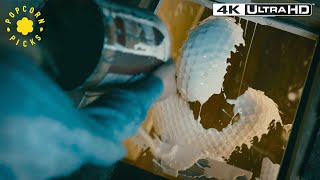
8. The Thing turns contamination fear into paranoia
Mysophobia involves extreme fear of germs or contamination, and The Thing taps into a related nightmare on a much larger scale. Its alien organism can assimilate another living thing and imitate it perfectly, making ordinary contact suddenly suspicious. Nobody knows who may have been compromised or when it happened. The fear spreads through the station long before anyone can prove where the actual creature is hiding.
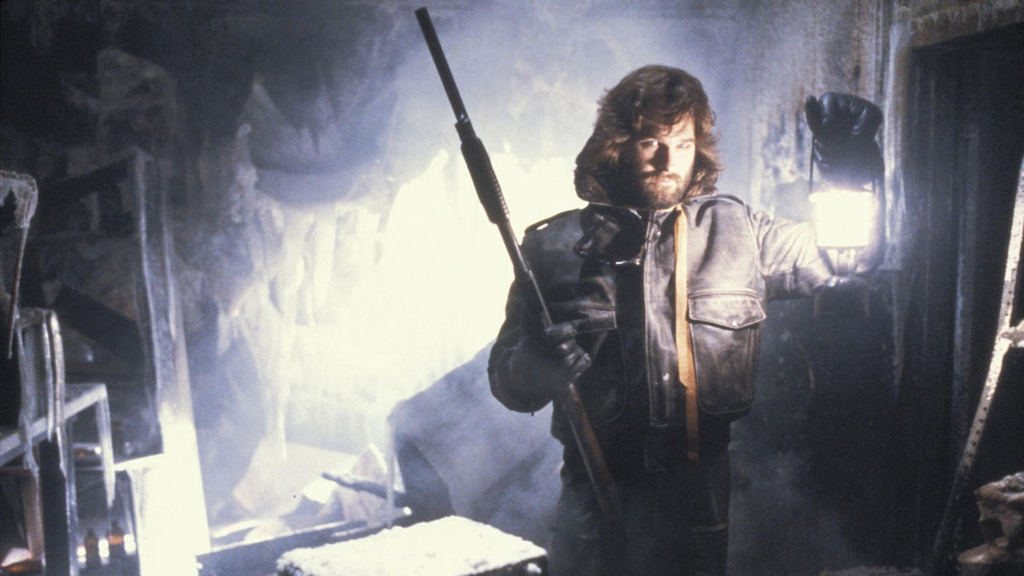
9. Dracula makes blood itself part of the threat
Blood phobia, sometimes called hemophobia, involves intense fear or distress around seeing blood or situations where it might appear. Dracula builds his entire existence around something that can already trigger a strong physical response in some people. Blood becomes food, evidence of an attack, and proof that a victim has been made vulnerable. Even scenes without visible blood carry the anticipation that Dracula is about to take it.
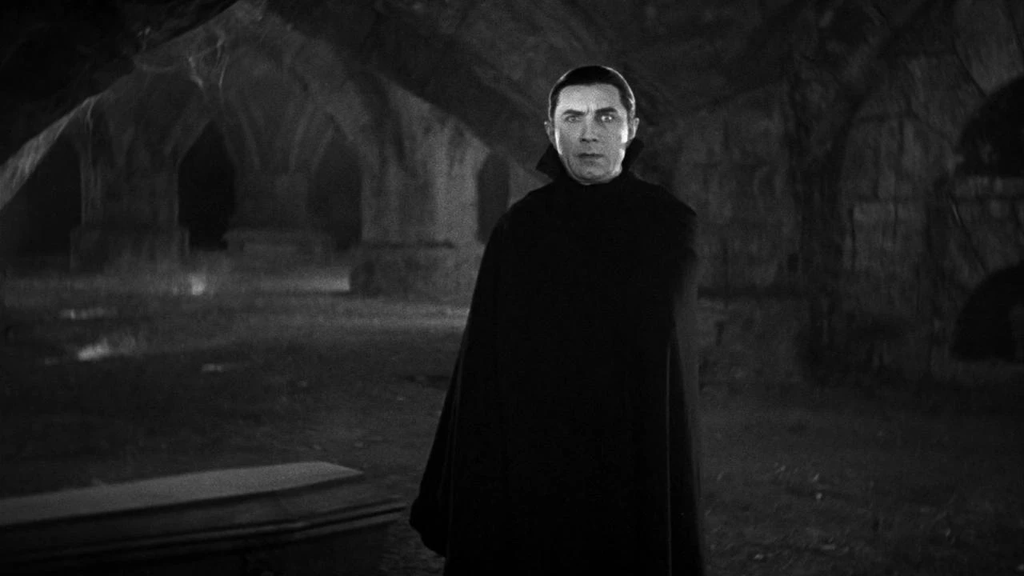
10. Death Becomes Her exaggerates thanatophobia
Thanatophobia is an intense fear of death or dying, and Death Becomes Her turns that anxiety into dark comedy. Madeline and Helen are so unwilling to accept aging and mortality that immortality becomes irresistible, even when its consequences become increasingly absurd. Beneath the elaborate effects and jokes is a very recognizable fear: wanting to preserve youth indefinitely while avoiding the one outcome nobody can permanently escape.
To watch or buy these movies, click here: