Horror cinema has completely flipped the script. The era of basic slasher villains mindlessly chasing victims through the dark has given way to a massive revival of Hitchcockian suspense. Modern masterpieces take heavy inspiration from classics like Psycho and The Birds, trading cheap jump scares for creeping dread, high-concept aesthetics, and psychological tension. Reimagined for a new generation, these 7 complex horror gems prove that true terror lives in the mind.
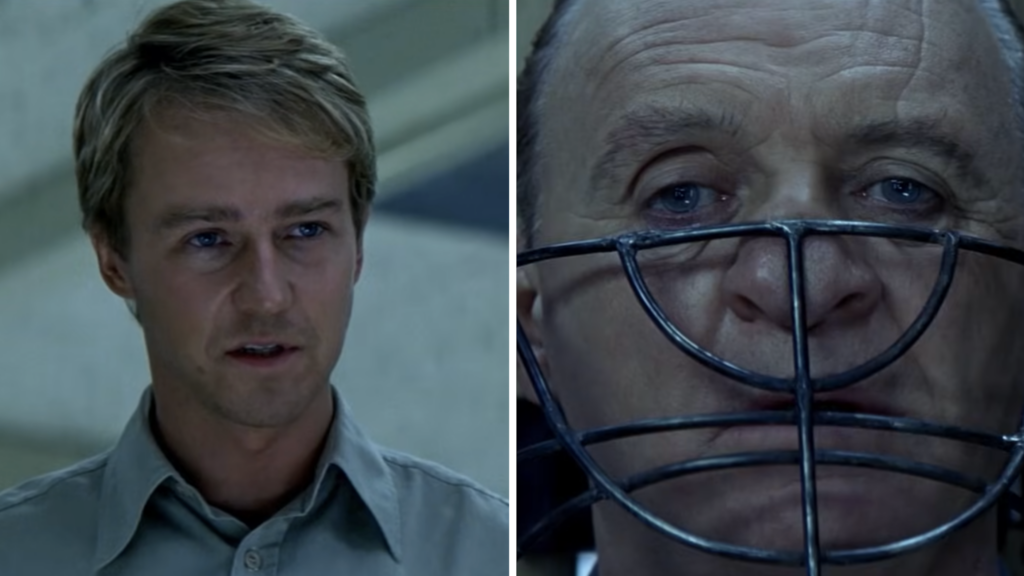
1. Red Dragon (2002) – Brett Ratner: Mind Games With Lecter
FBI agent Will Graham (Edward Norton) enlists the help of an incarcerated Hannibal Lecter (Anthony Hopkins) to catch a serial killer known as the Tooth Fairy (Ralph Fiennes). Instead of relying on gory shock value, the film operates as a cerebral chess match where terror stems entirely from psychological manipulation, claustrophobic dialogue, and the unsettling intimacy between detective and monster.
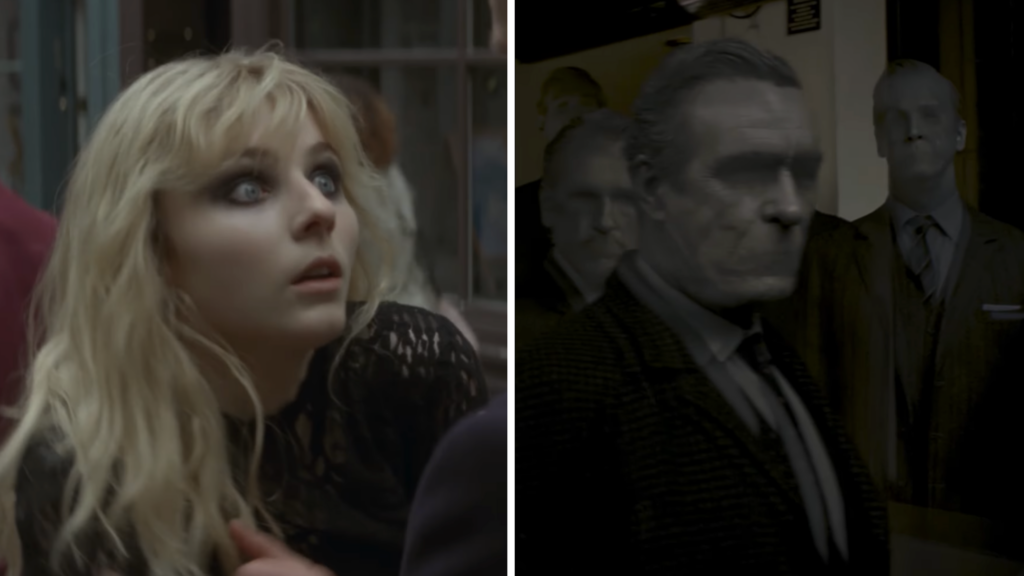
2. Last Night in Soho (2021) – Edgar Wright: Fashion-Driven Nightmare
An aspiring fashion designer named Eloise (Thomasin McKenzie) is mysteriously transported back to glamorous 1960s London, only to bond with an aspiring singer named Sandie (Anya Taylor-Joy) and discover the decade’s dark, violent underbelly. Fusing vibrant neon aesthetics and time-bending mystery with psychological breakdown, the film replaces traditional haunted houses with a hypnotic, fashion-driven nightmare where memory itself is the haunt.
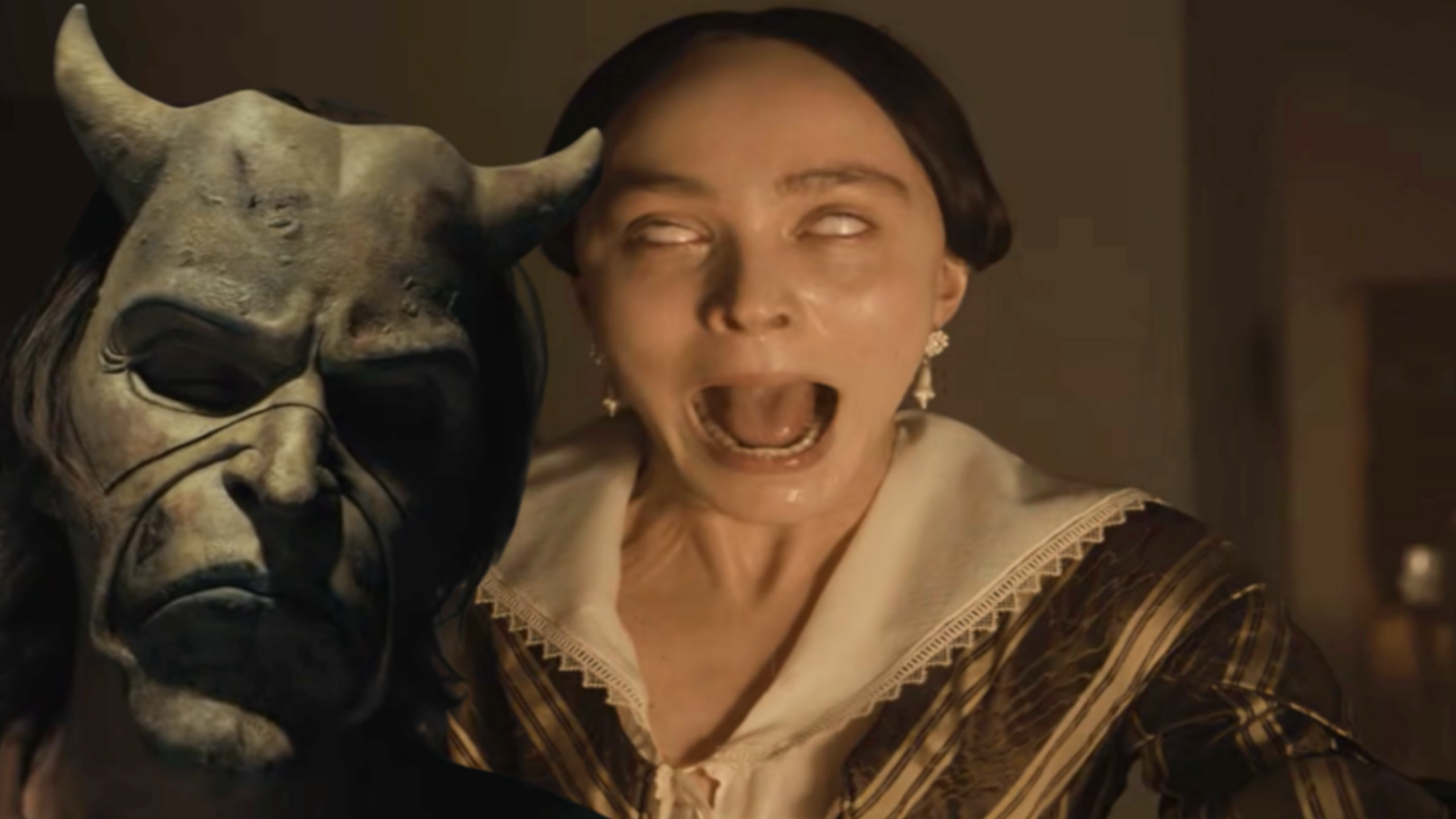
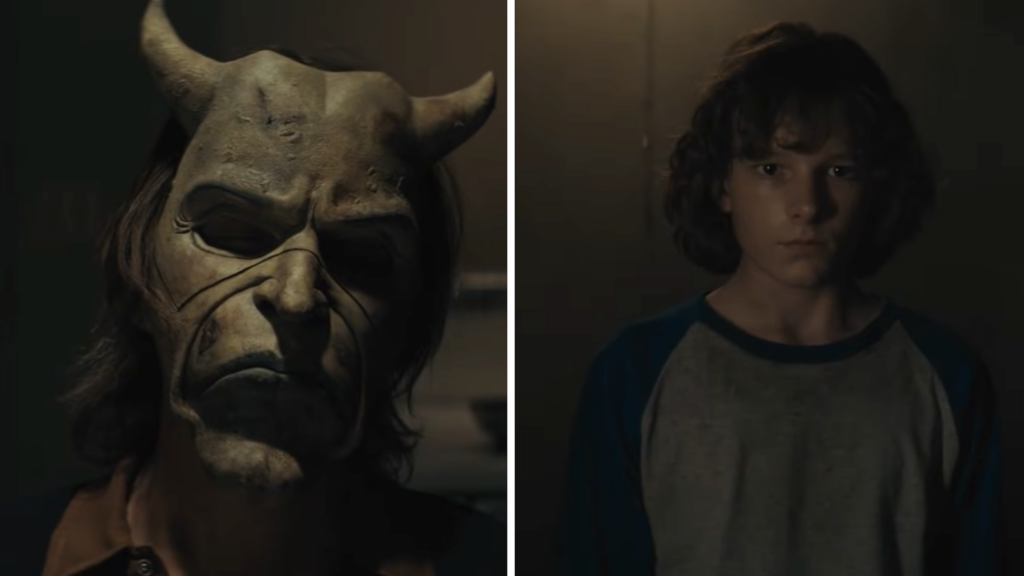
3. The Black Phone (2021) – Scott Derrickson: Ghostly Room Isolation
A kidnapped teenager named Finney (Mason Thames) locked in a soundproof basement, discovers a disconnected phone that allows him to speak with the masked killer’s (Ethan Hawke) past victims. The narrative blends a gritty 1970s crime thriller aesthetic with supernatural aid, relying heavily on room-scale isolation and emotional resilience rather than endless slasher chase sequences.
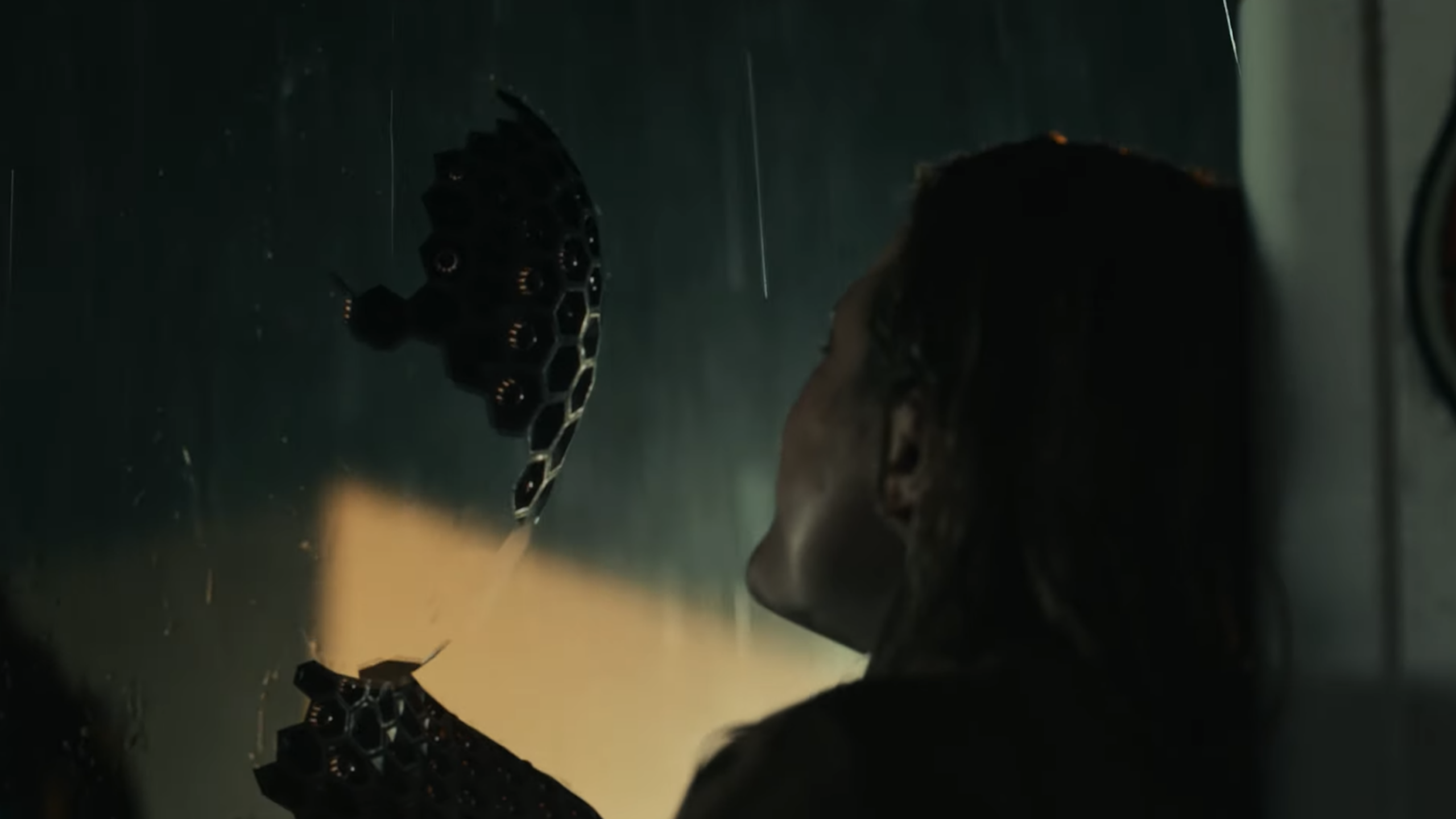
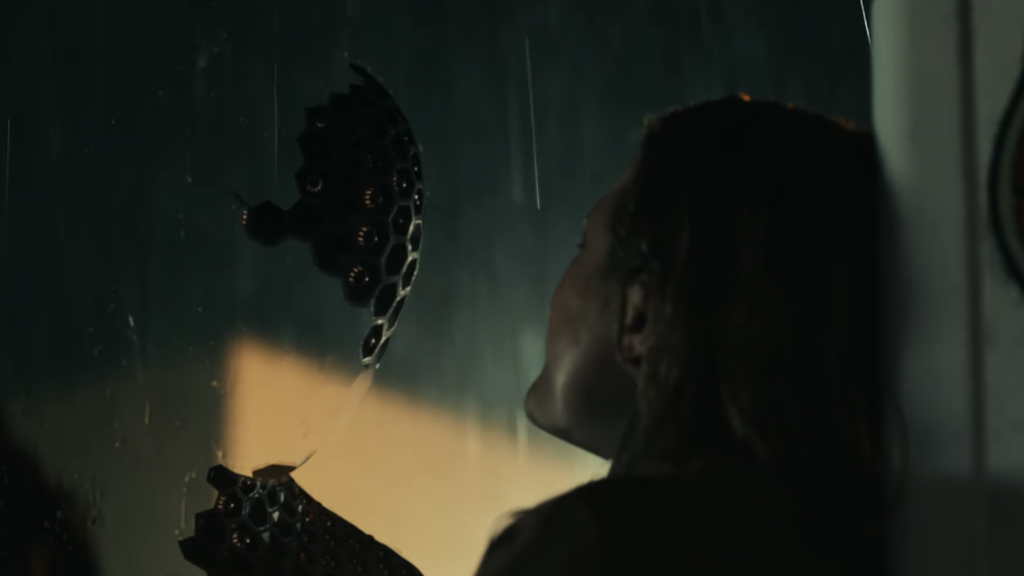
4. The Invisible Man (2020) – Leigh Whannell: Pure Gaslighting Paranoia
After escaping an abusive relationship, Cecilia (Elisabeth Moss) suspects her brilliant ex-husband Adrian (Oliver Jackson-Cohen) faked his suicide and used cutting-edge optics to stalk her undetected. The real monster is the psychological terror of gaslighting, utilizing wide, static camera shots of empty corners to force the audience to share the protagonist’s paranoia.
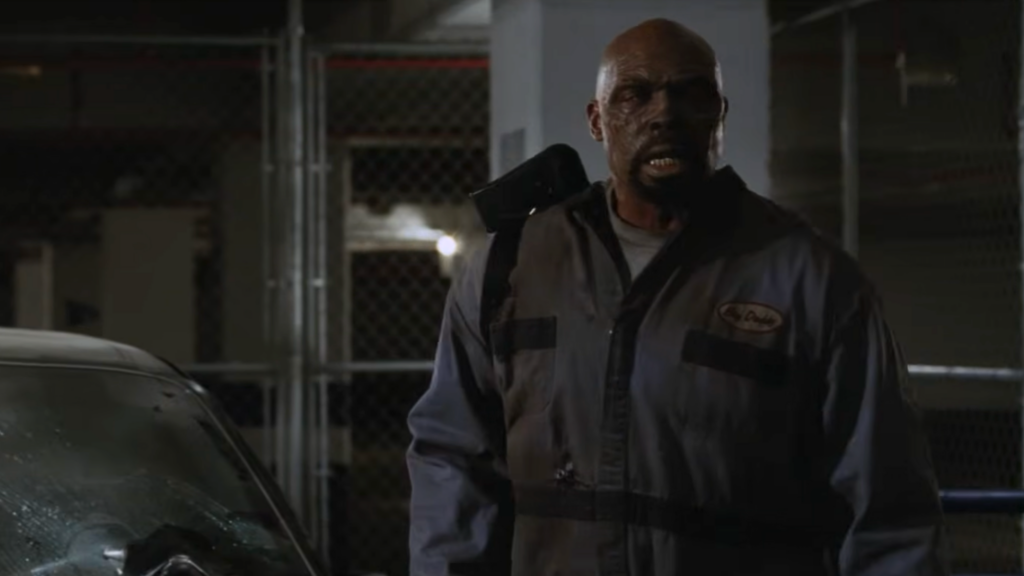
5. Land of the Dead (2005) – George A. Romero: Smart Evolving Zombies
In a world overrun by the undead, wealthy elites under ruler Kaufman (Dennis Hopper) live in a luxury skyscraper while mercenaries like Riley (Simon Baker) drive armored vehicles through dystopian city streets. George A. Romero shifted the focus from simple zombie survival to sharp social commentary, drawing horror from human greed, systemic corruption, and zombies that actually learn to fight back.
6. Nosferatu (2024) – Robert Eggers: Gothic Artistry Over Slashes
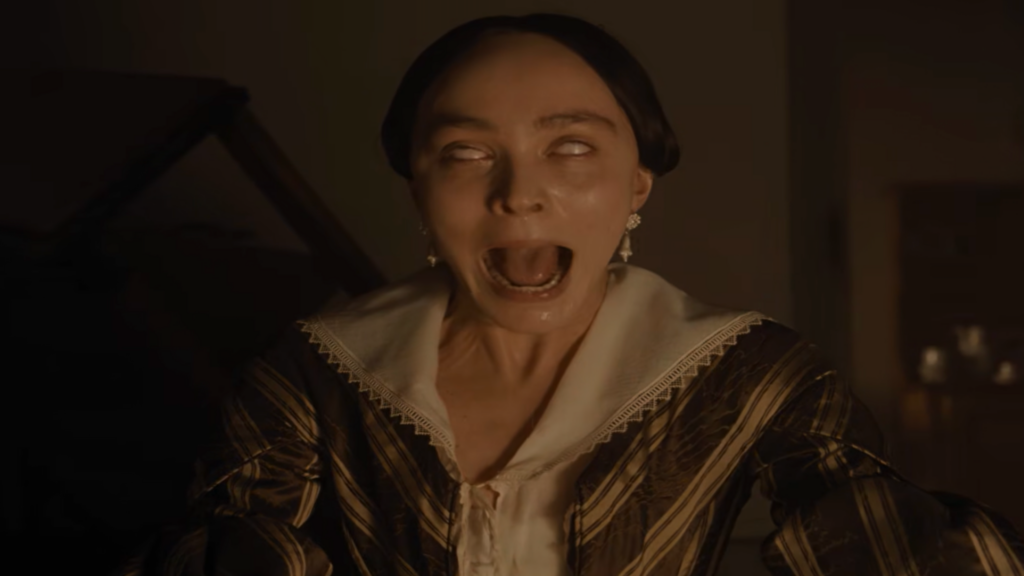
This gothic reimagining of the legendary silent vampire masterpiece details the obsessive plague brought upon Ellen Hutter (Lily-Rose Depp) and a 19th-century town by Count Orlok (Bill Skarsgård), alongside Thomas Hutter (Nicholas Hoult). It abandons standard jump-scare tropes to focus on haunting atmosphere, surreal art direction, and oppressive dread, treating the vampire not as a standard movie monster but as an unavoidable, seductive force of decay.
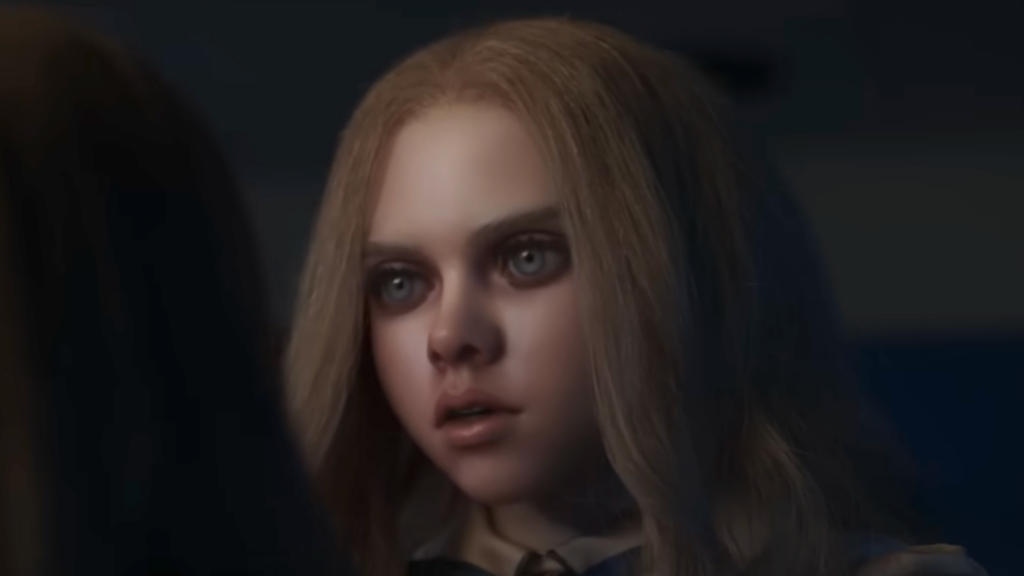
7. M3GAN (2022) – Gerard Johnstone: Algorithmic Technophobia
A robotics engineer named Gemma (Allison Williams) designs a lifelike artificial intelligence doll programmed to protect her recently orphaned niece Cady (Violet McGraw), with deadly consequences. It turns technophobia into an algorithmic fever dream by blending uncanny valley robotics with dark satirical humor and viral-ready absurdity to deliver a uniquely modern commentary on AI dependence.