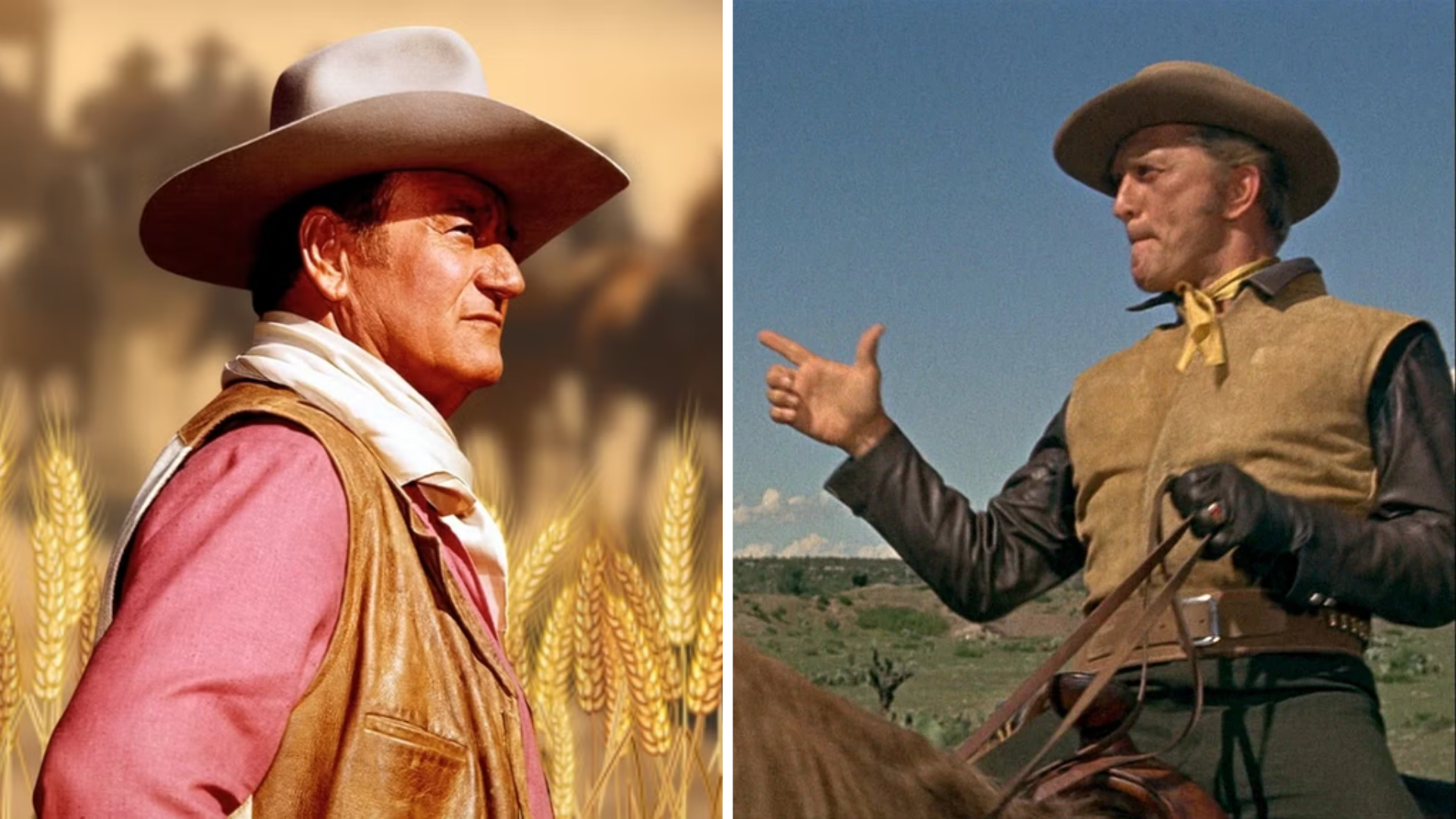
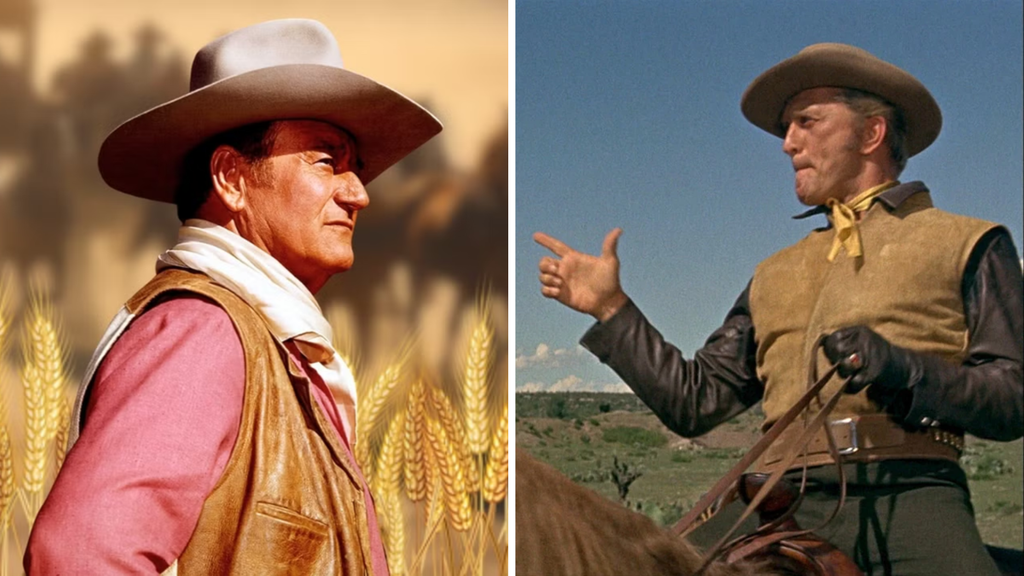
The War Wagon (1967) pairs John Wayne and Kirk Douglas in a film that works less like a traditional shoot-’em-up and more like a heist picture dressed in spurs and trail dust. Director Burt Kennedy keeps the mechanics of the robbery front and center: the target, the guards, the crew, the tools, and the terrain all get their moment before the plan finally moves. These seven details show how the film builds its caper one piece at a time.
1. The armored wagon announces the heist stakes early
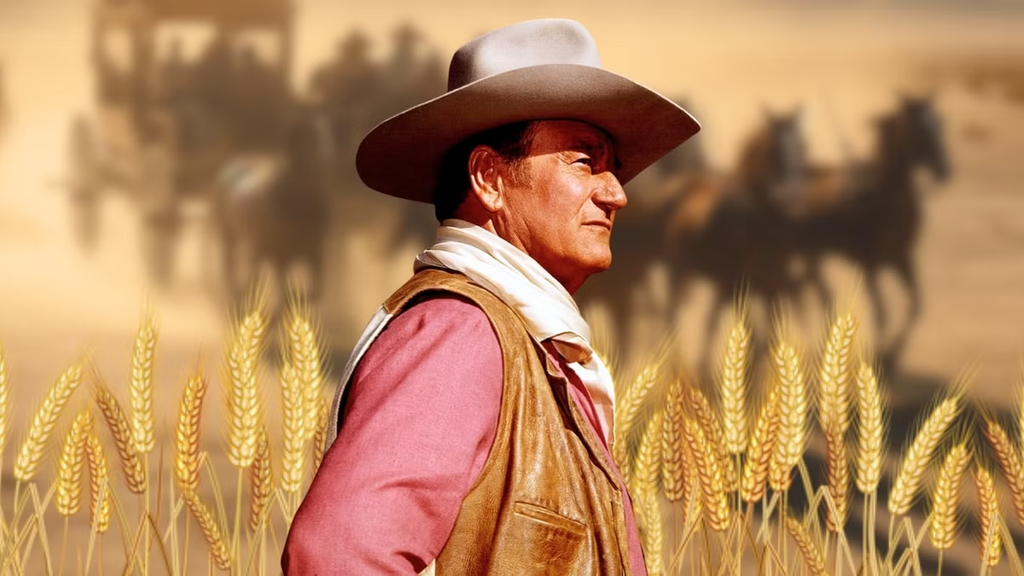
The first clear look at the war wagon tells you everything you need to know about what Taw Jackson is up against. Iron plating covers the sides, the whole rig rolls under close guard, and it is plainly not something two men with pistols are going to stop on a dusty road. The wagon belongs to corrupt cattle baron Frank Pierce, who uses it to move gold from his mining operation, and the film makes sure the audience understands the scale of the problem before anyone starts making plans. It is a practical way to set the stakes without a word of explanation.
2. Armed outriders circle the wagon like a moving fortress
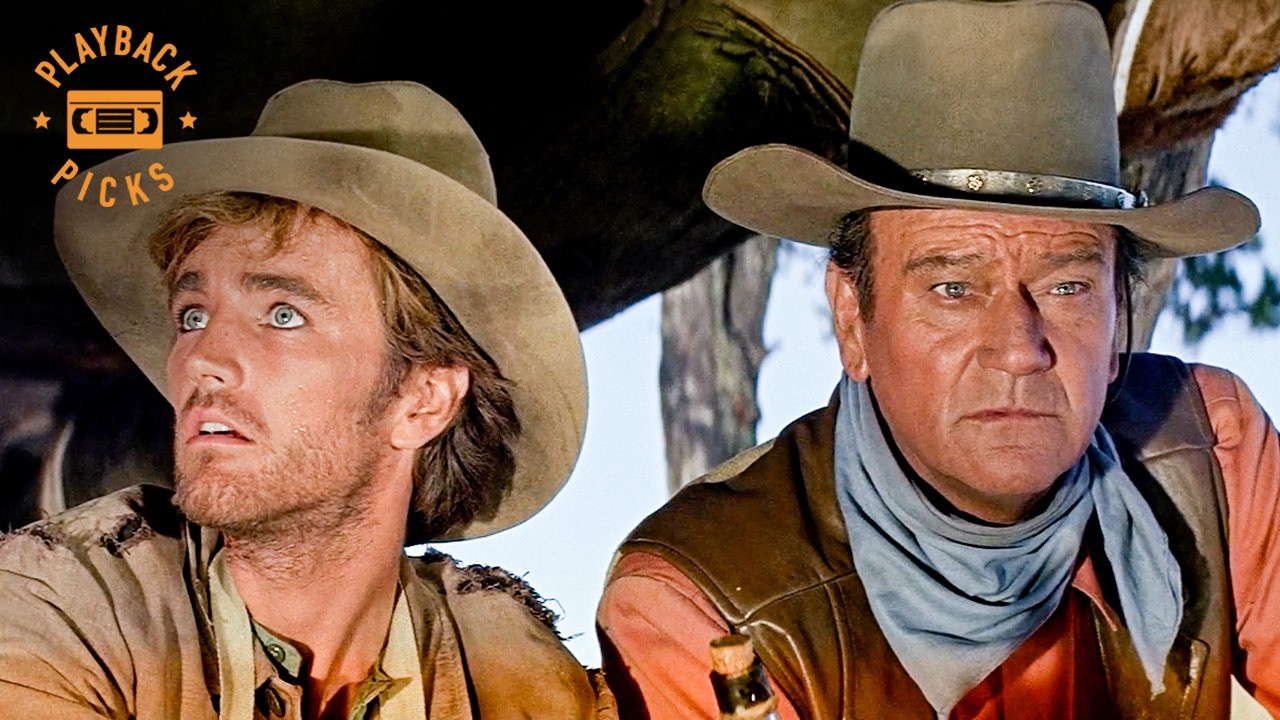
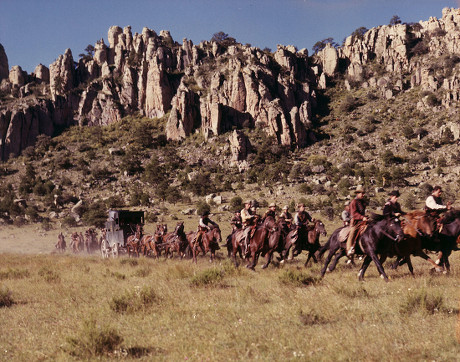
Even if someone got past the armor, Pierce’s riders would still be there. Guards on horseback flank the wagon across open ground, keeping a perimeter that turns the whole convoy into a moving problem. The film holds on this formation long enough for the audience to count the obstacles. There is no soft spot in the coverage, no moment when the wagon rolls unattended. Kennedy frames it almost like a military escort, which raises an obvious question: how does a small crew of misfits crack something that well-defended? That question is what carries the next hour.
3. Taw’s crew assembles one misfit at a time
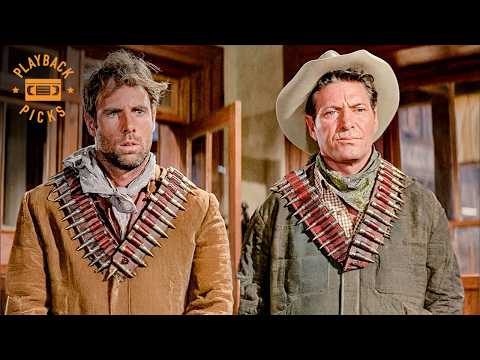
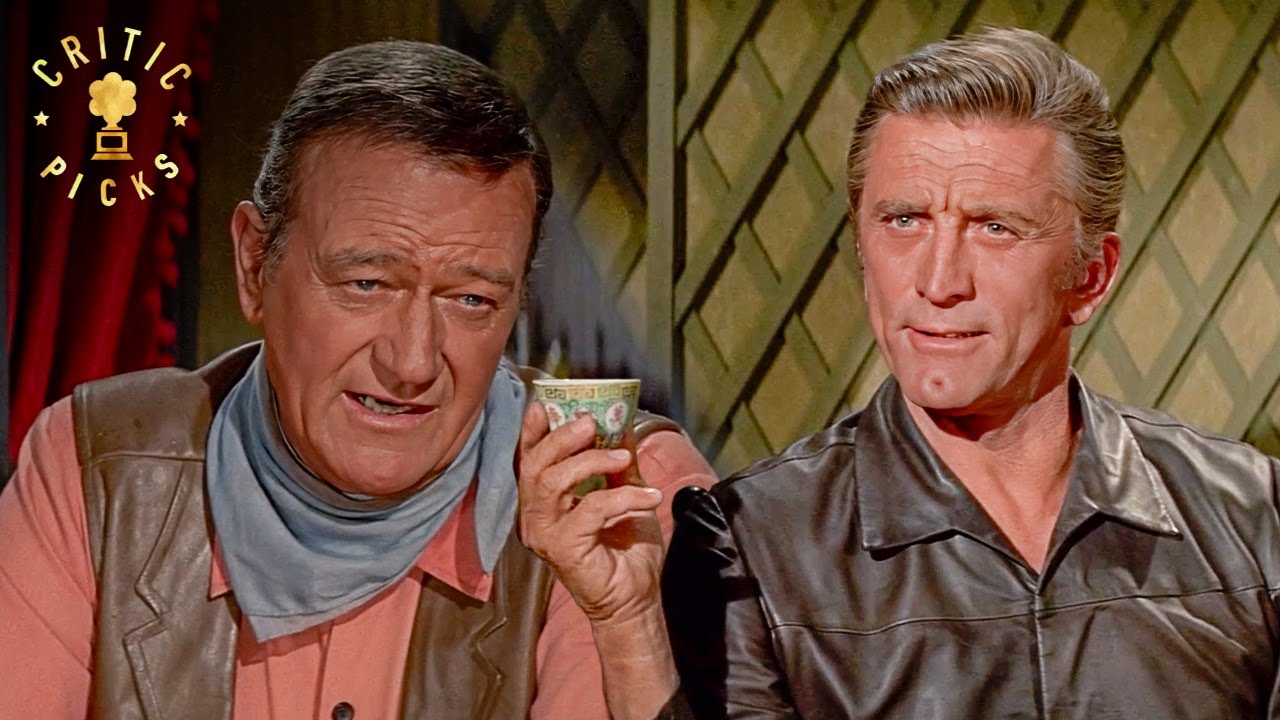
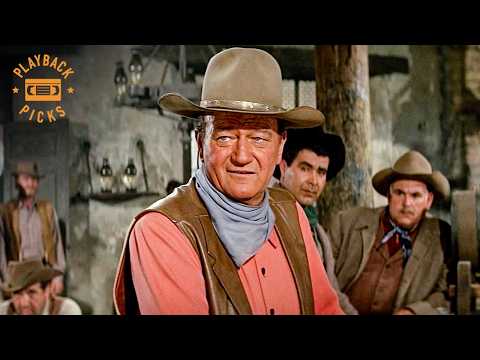
Wayne’s Taw Jackson does not walk into a room and hire a team. He finds each man separately, and the film takes its time with each recruitment. Lomax, played by Kirk Douglas, is the one Taw probably trusts least, which makes their partnership the most interesting thing in the movie. The rest of the crew fills out from there: an explosives man, a Native American warrior, and someone who drinks too much. None of them would be your first call, and the film knows it. The assembly scenes give the heist its character before the action starts.
4. Dynamite replaces the safe-cracker’s stethoscope
There is no quiet, careful approach to the war wagon. The crew’s plan runs on nitroglycerin, handled by Billy Hyatt, played by Robert Walker Jr., the young explosives specialist Taw brings in for exactly this reason. It shifts the whole tone of the heist from precision to controlled chaos. A stethoscope and a set of picks would be useless against iron plating, so the film skips that genre convention entirely and goes straight to the loud solution. Watching the crew prep the nitro, knowing what it can do if something goes wrong, gives those scenes a low-level tension that does not need much help from the score.
5. Mexico’s Sierra de Órganos stands in for the frontier
The rock formations of Sierra de Órganos National Park, near Sombrerete in Zacatecas, give the film a landscape that no studio backlot could fake. The columns of volcanic rock rise out of the high desert in shapes that look almost deliberate, and Kennedy uses them to make the terrain feel genuinely remote. When the wagon rolls through that country, the isolation is not a set dressing choice; it is the actual location. Director Kennedy later called the production a big success, and the landscape is part of why the film holds up visually. It looks like a place where things could go wrong with no one around to help.
6. Period Gatling gun mounted on the wagon roof
A Gatling gun on the roof turns the war wagon from a hard target into something closer to a small fort on wheels. The film gives the weapon a proper close-up, and it earns one. In the context of the period, a hand-cranked repeating gun covering the top of an armored coach means the crew cannot simply ride up alongside and climb aboard. It forces the heist plan to account for firepower that most Western robberies never had to consider. That one detail is probably the clearest signal that The War Wagon is not playing by the usual rules of the genre.
7. The gold shipment that makes every alliance temporary
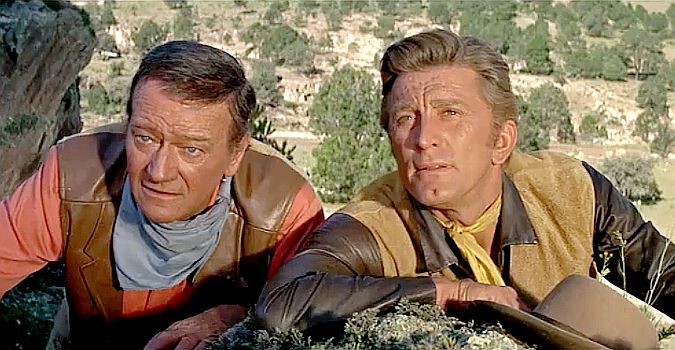
Half a million dollars in gold dust is enough to make any partnership complicated, and The War Wagon does not pretend otherwise. Once the gold comes into view, the camera lingers on it just long enough to remind you that every man in that crew has his own arithmetic running. Taw and Lomax are working together, but Douglas plays Lomax as someone who never fully closes the door on his own interests. The film does not force a resolution that feels false. It lets the gold do what gold does in Westerns, which is remind everyone in the room that trust only goes so far.
To watch or buy The War Wagon, click here: https://www.amazon.com.com/War-Wagon-John-Wayne/dp/B01MRCCOJE