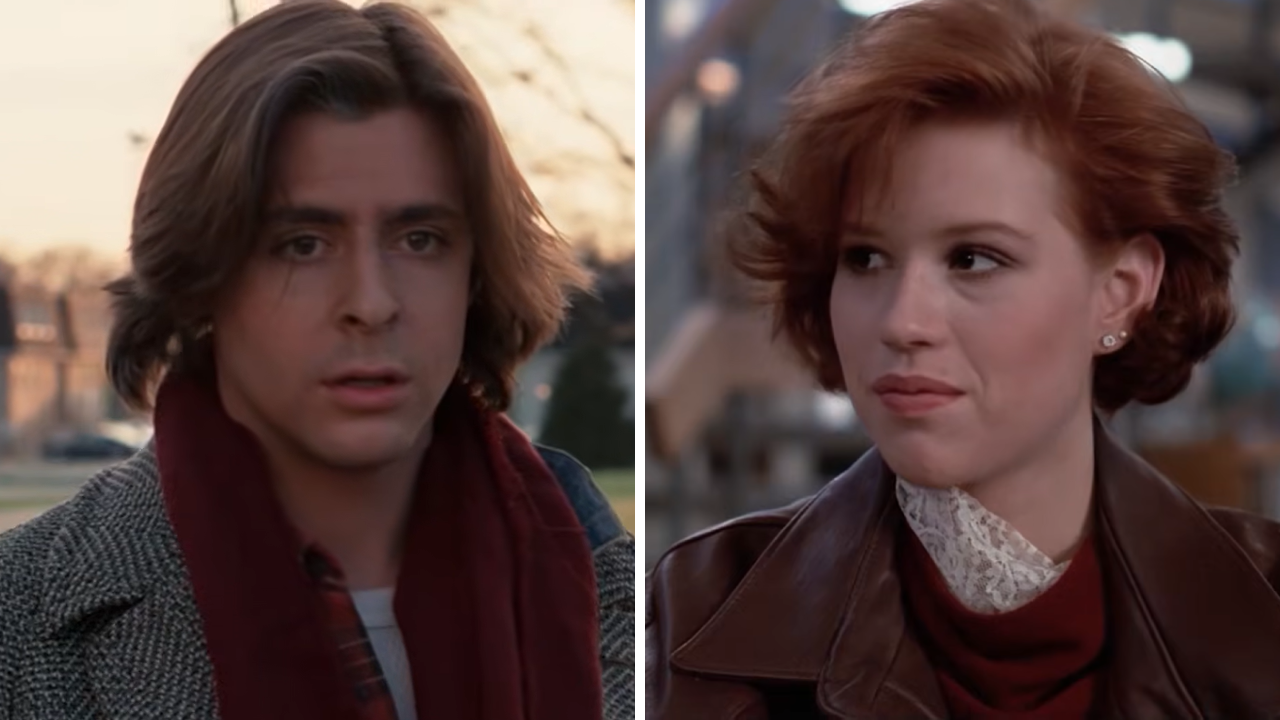
The Breakfast Club (1985) is remembered for its characters and conversations, but watching it now also means spending nearly two hours inside a very specific version of teenage life. The clothes, music, school interiors, and even the way five bored students kill time all feel unmistakably mid-1980s.
That quality is especially strong because John Hughes keeps almost the entire movie inside one school. There are few distractions from the little details around the characters, so Shermer High ends up preserving much more of the era than the story actually needs.
1. Saturday detention takes over an entire day
There is something wonderfully severe about the basic setup: five teenagers arrive early on a Saturday and are expected to spend the day sitting in a library under Mr. Vernon’s supervision. Nobody is logging into a remote assignment or checking an online school portal. Punishment means physically giving up your weekend and sitting there until an adult says you can leave.
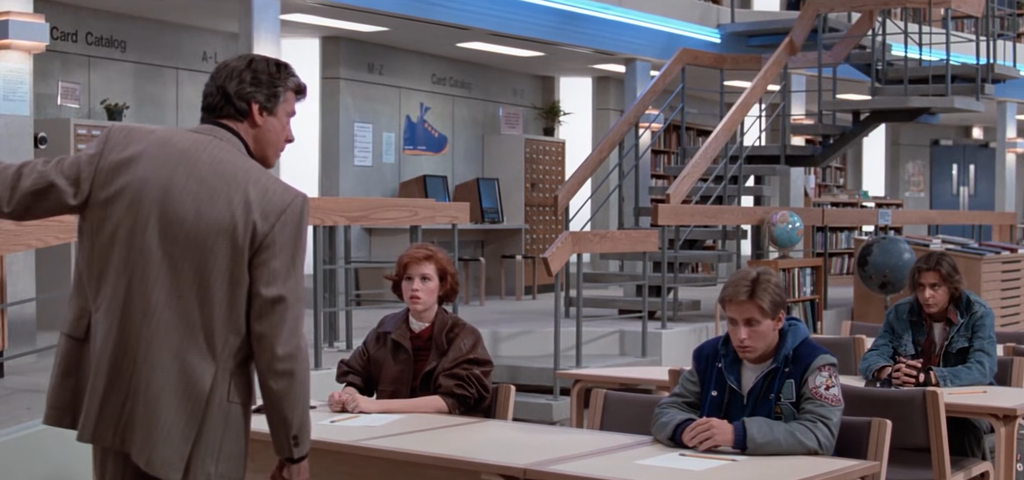
2. The library is completely analog
Nearly everything surrounding the group is physical: books, notebooks, paper, pencils, shelves, and enormous wooden tables. Personal screens are nowhere to be found, which is important to the story as much as it is to the period atmosphere. The students eventually have to entertain one another because there simply isn’t much else to do. The room itself was actually a set built inside the gymnasium of the closed Maine North High School.

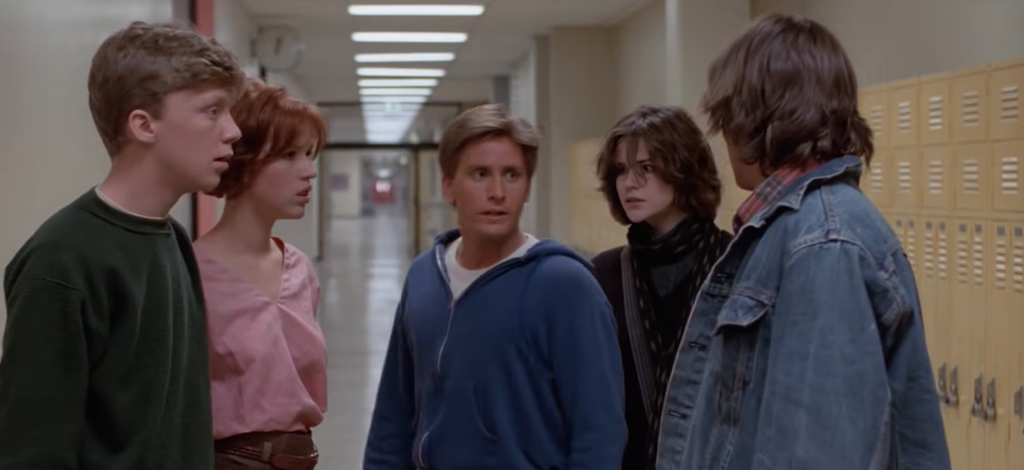
3. The hallways preserve a pre-digital high school
When Bender leads everyone out of the library, Shermer High suddenly becomes a little museum of mid-1980s school design. Long rows of lockers, institutional signs, plain corridors, and almost empty common areas fill the frame. Much of this was photographed inside the real Maine North building, which had already closed by the time production arrived in 1984.
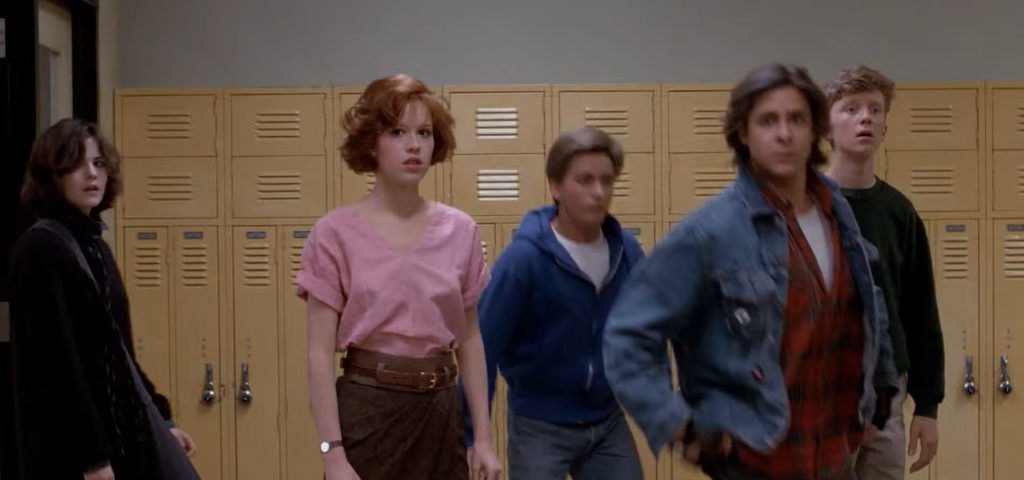
4. Their clothes tell you who they are before they speak
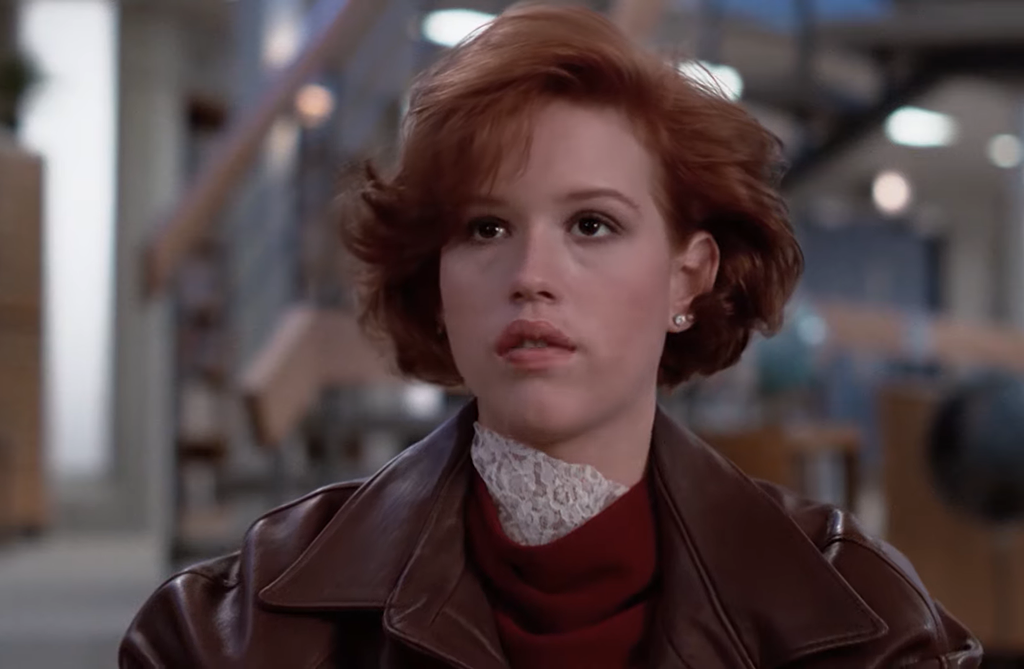
Hughes introduces the five students as stereotypes, and their wardrobes make those labels instantly readable. Claire is polished and expensive-looking, Andrew dresses like an athlete, Brian looks deliberately neat, Allison hides inside oversized dark layers, and Bender stacks denim, flannel, and workwear together. By the ending, seeing those five completely different looks walking out of school together is part of the point.
5. Andrew’s athletic clothes are a status symbol
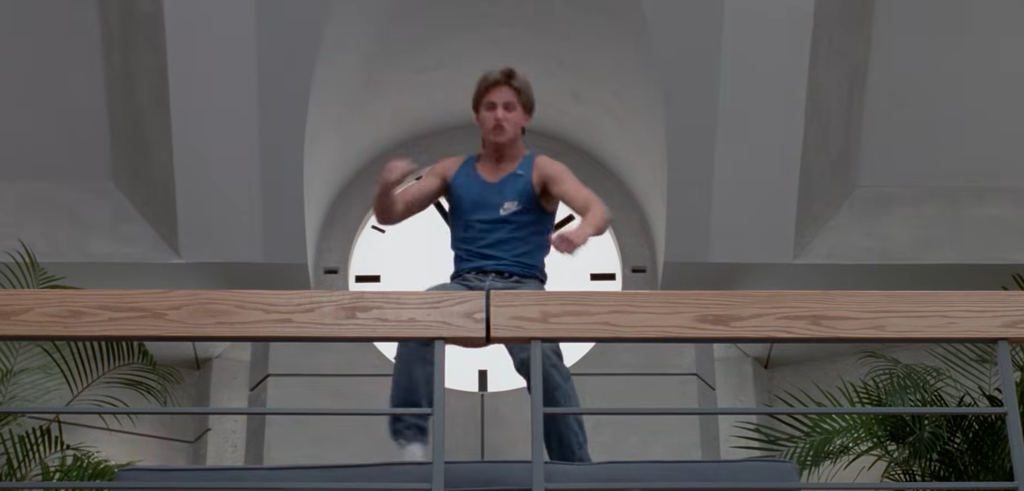
Andrew rarely needs to remind anyone that he is the athlete because his appearance is already doing it for him. His sportswear connects him immediately to school athletics and the social expectations that come with them. That becomes more interesting as the movie goes on and he admits how much pressure sits underneath an identity that initially looks so straightforward.

6. Claire’s earring carries more meaning than its size suggests
Claire’s clothes and accessories establish her as the wealthiest member of the group, so giving Bender one of her diamond earrings at the end is more than a romantic gesture. She leaves him with a small piece of the polished world he spent the day mocking, and he actually puts it on. The final sequence explicitly shows Claire giving him the earring before the characters separate.
7. Bender looks like a snapshot of mid-’80s rebellion
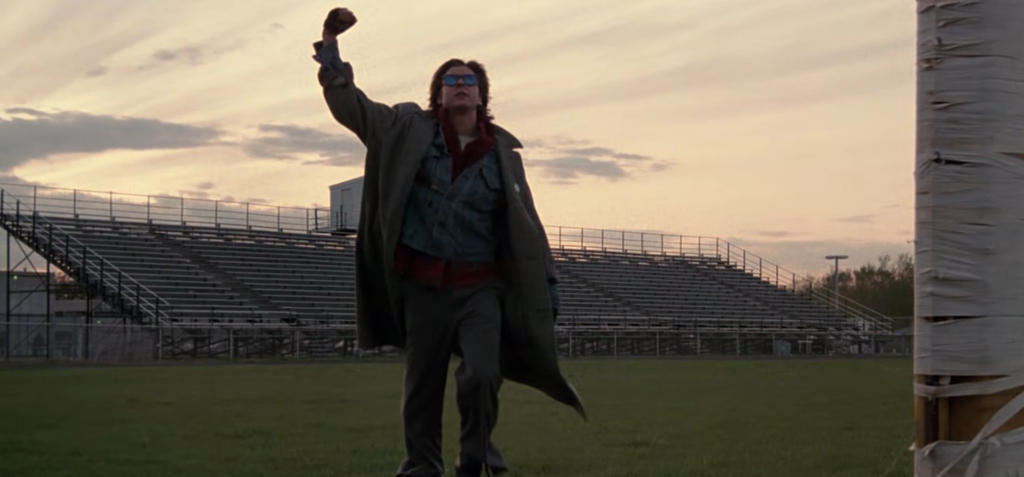
Bender’s layered outfit feels almost engineered to annoy an authority figure. Denim, flannel, boots, gloves, and a long coat put him visually at the opposite end of the room from Claire and Brian. The clothes also do something useful for the movie: even before Judd Nelson starts pushing Vernon’s buttons, Bender already looks like someone who has arrived expecting a confrontation.

8. The dance sequence suddenly feels like an ’80s music video
Once Andrew starts moving around the library, the movie briefly abandons the controlled detention-room rhythm and lets everyone cut loose. Big gestures, quick edits, and music transform the same dull room into something much closer to an MTV-era montage. The group eventually dances to Karla DeVito’s “We Are Not Alone,” giving the sequence an especially concentrated dose of 1985 pop energy.
9. Brian leaves behind an essay on paper
The assignment hanging over the entire detention ends with something wonderfully tangible: Brian writes the group’s response and leaves it behind for Vernon to read. There is no message sent afterward and no digital submission waiting for the principal. Their whole day is reduced to a physical page sitting in an otherwise empty school, with Brian’s words carrying into the final montage.

10. Simple Minds owns the final few minutes
Few details lock The Breakfast Club to its era more firmly than “Don’t You (Forget About Me).” The Simple Minds song takes over as the students walk away from detention, eventually carrying Bender across the empty school field before he raises his fist and the image freezes. The song was written for the film, and the combination became so closely associated with the movie that separating one from the other is difficult even decades later.
To Watch or Buy The Breakfast Club click here: https://www.amazon.com/Breakfast-Club-Molly-Ringwald/dp/B001BR3P0S