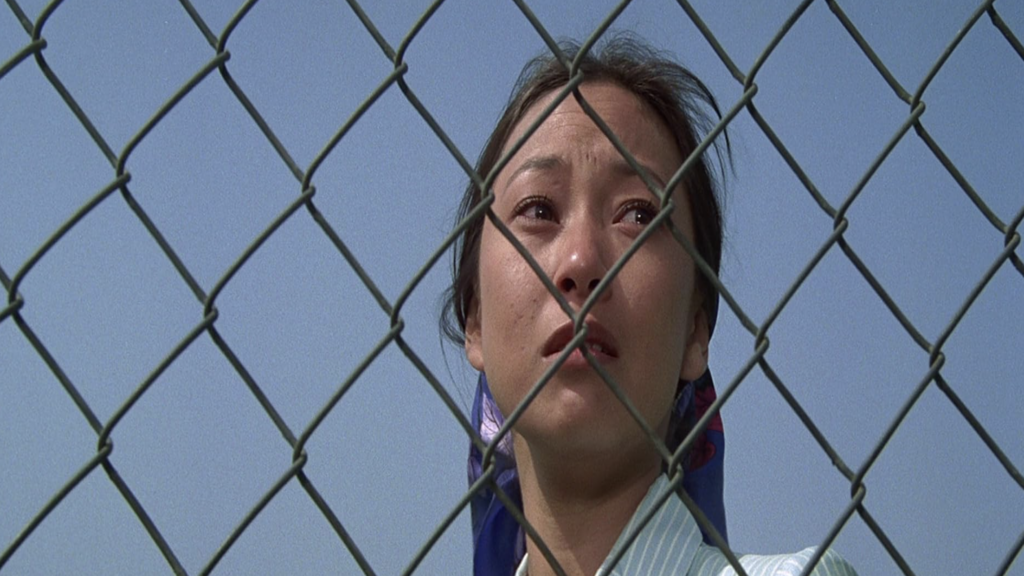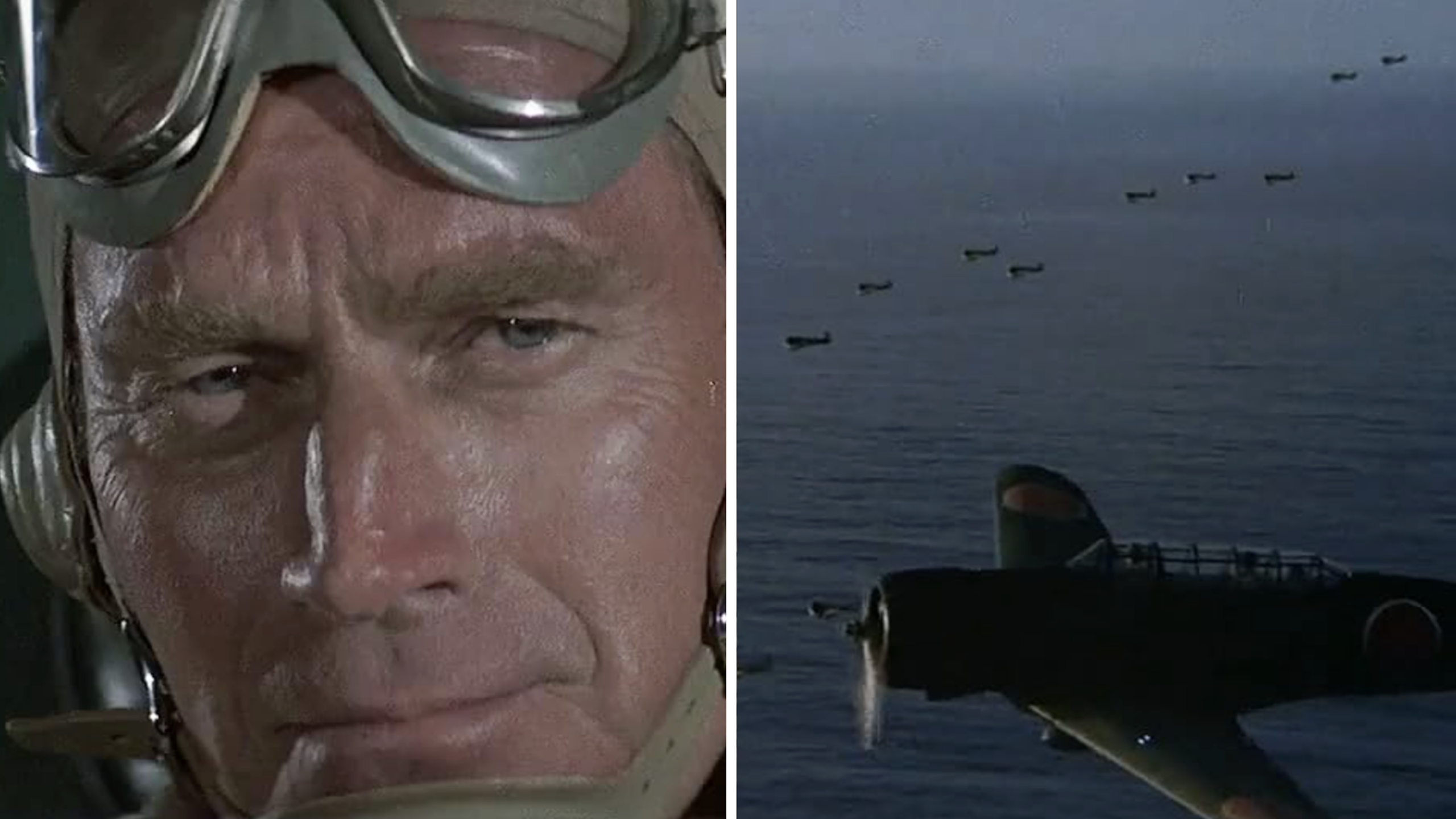
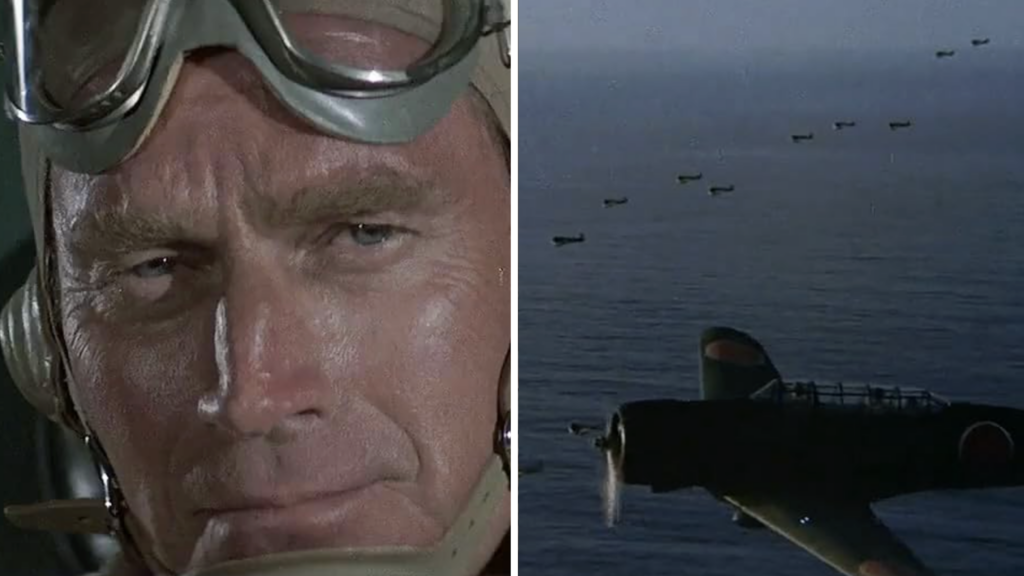
Midway (1976) opens like a history lecture and earns it. The battle it covers, four days in June 1942, reshaped the entire Pacific War and, by most accounts, changed the direction of World War II. The film brings together Charlton Heston, Henry Fonda, and Toshiro Mifune to walk through how it happened, from the planning rooms in Tokyo to the burning flight decks in the Central Pacific. These 8 points trace the real story the movie is telling, one piece at a time.
1. Japan’s plan to finish what Pearl Harbor started
The U.S. Pacific Fleet’s aircraft carriers had been at sea during the Pearl Harbor attack and survived intact. That left unfinished business. The film opens with Japanese admirals gathered around charts and maps, laying out a plan to fix that. The goal was to draw those carriers into a decisive engagement and destroy them while also pushing Japan’s defensive perimeter further east into the Central Pacific. It was an ambitious strategy, and, as the film makes clear from the start, one that depended on everything going exactly right.
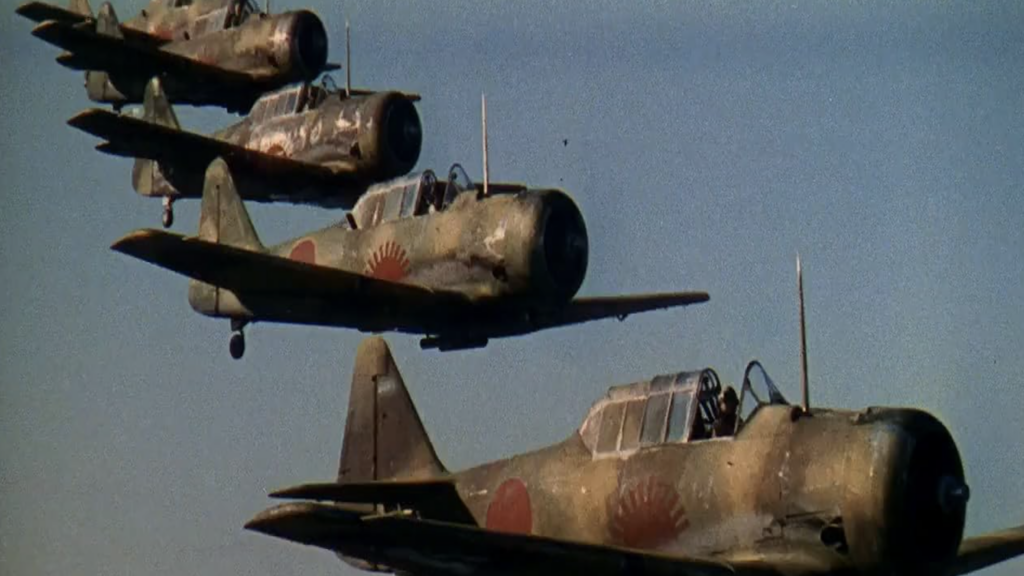
2. A tiny atoll that both sides had to have
Midway Atoll sits roughly 1,300 miles northwest of Pearl Harbor, close enough to matter, remote enough that most Americans had never heard of it. The film establishes the island through aerial and ground shots that make its small size plain. What made it worth fighting over was its position: a refueling stop for transpacific flights, a base for long-range patrol aircraft, and a potential launching point for strikes on Pearl Harbor itself. Japan wanted it to extend its reach. The United States needed to hold it to keep the Japanese from getting any closer to the West Coast.
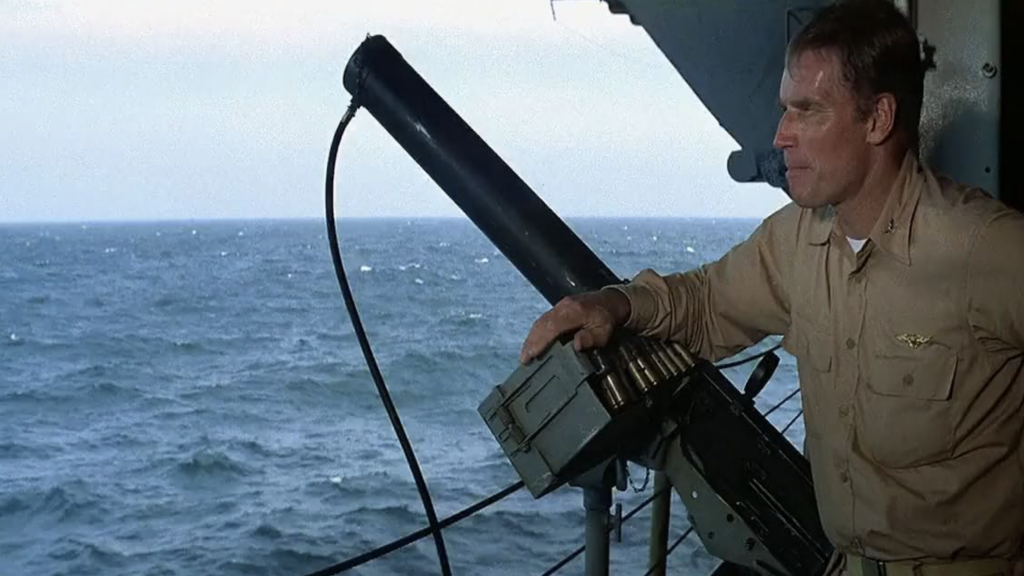
3. The codebreakers who read Japan’s mail
Before a single plane left the deck, the United States already knew Japan was coming. U.S. Navy cryptanalysts, led by Commander Joseph Rochefort, had broken the Japanese naval code JN-25b. Intercepted messages pointed to an attack on a location the Japanese referred to only as “AF.” To confirm it was Midway, the Americans had the island send an unencrypted message reporting a water shortage. When Japanese communications repeated the detail, the question was settled. In the film, Hal Holbrook’s intelligence officer lays all of this out for the commanders: decoded fleet movements, probable timing, and probable target, giving Nimitz something rare in wartime: advance notice.
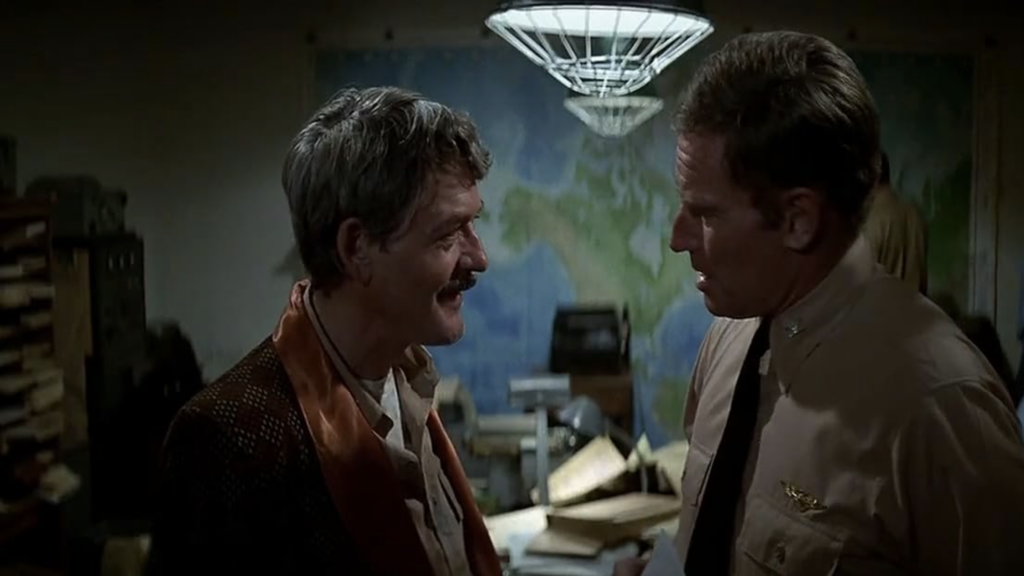
4. Outnumbered American carriers waiting in ambush
Japan committed four fleet carriers to the Midway operation: Akagi, Kaga, Soryu, and Hiryu. The United States could answer with three: USS Enterprise, USS Hornet, and USS Yorktown, the last of which had been badly damaged at the Coral Sea and repaired under emergency conditions. Henry Fonda’s Admiral Nimitz orders the fleet to a precise grid position northeast of Midway, outside Japanese reconnaissance range. It was a calculated gamble: accept the numerical disadvantage, use the intelligence advantage, and wait. The film gives Fonda very little room for speeches here, which is exactly right. The decision speaks for itself.
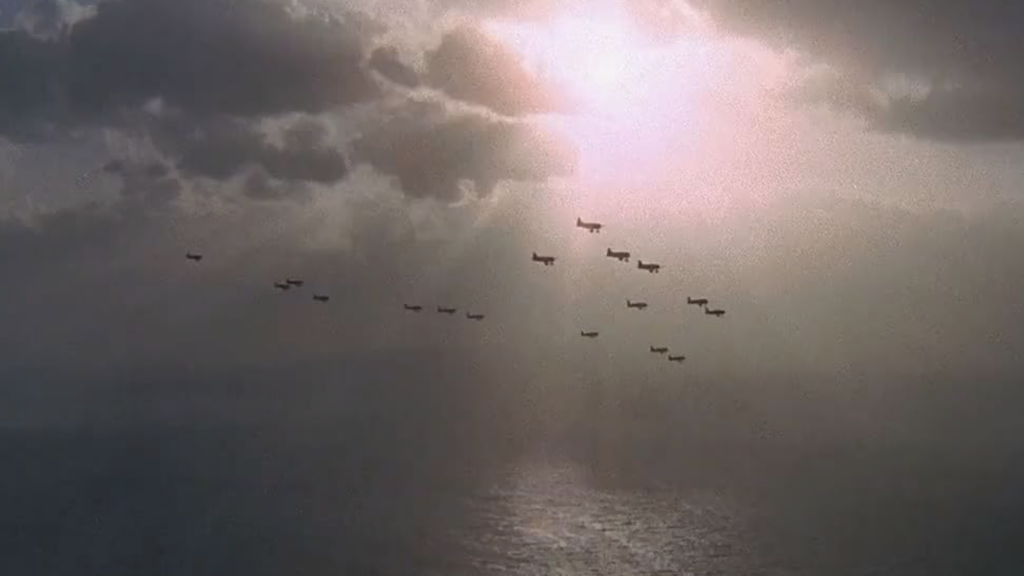
5. Torpedo bombers sacrificed to open the sky
The torpedo plane attacks on the Japanese fleet are among the most painful sequences in the film. Flying low and slow without fighter cover, American torpedo squadrons went in against the full weight of Japan’s combat air patrol. Of the 41 Douglas TBD Devastator torpedo bombers that launched from three carriers, 35 were shot down. Torpedo Squadron 8, flying from USS Hornet, lost all 15 of its planes, with only one crew member surviving. They scored no hits. What they did do, and the film shows this clearly, was drag every Japanese Zero fighter down to sea level, leaving the carriers above undefended. The dive bombers arrived minutes later in an open sky.
6. Four carriers lost in one devastating morning
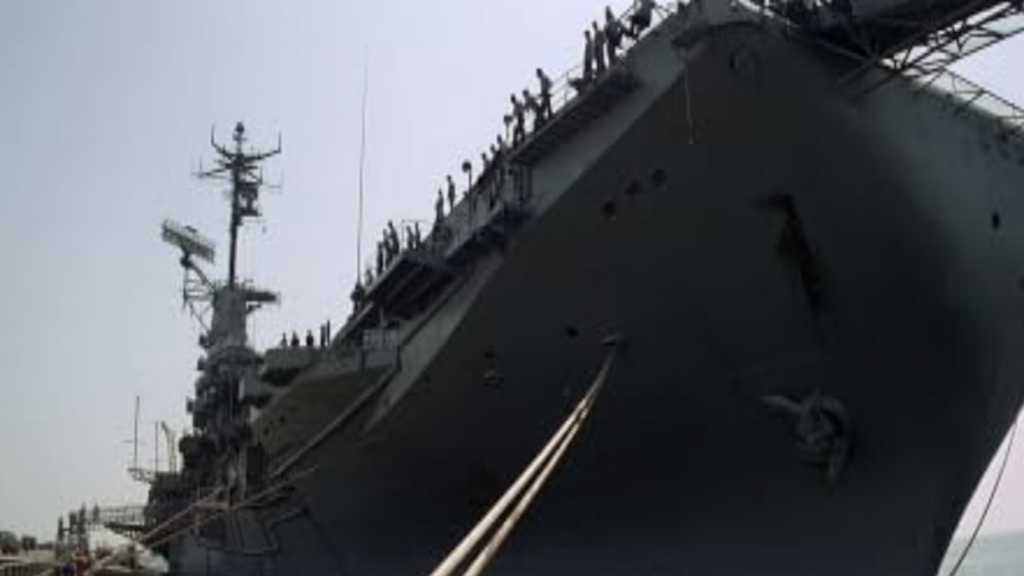
American dive bombers caught the Japanese carriers at the worst possible moment on June 4, 1942, rearming and refueling on deck, fuel lines exposed, ordnance stacked in the open. Akagi, Kaga, and Soryu were hit and burning within minutes, struck by aircraft from Enterprise and Yorktown. The film renders this in a sequence of dive-bomber strikes hitting flight decks one after another, each carrier going up in a chain of explosions. Hiryu, the fourth carrier, survived long enough to launch a counterattack before American bombers found her later that same day. Four fleet carriers, gone in a matter of hours.
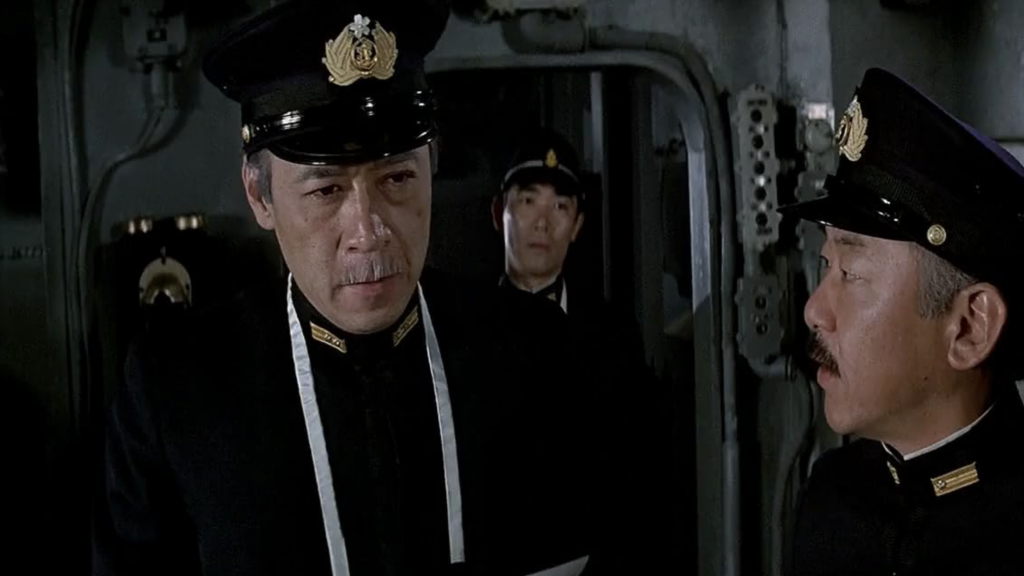
7. Toshiro Mifune and the enemy’s side of the disaster
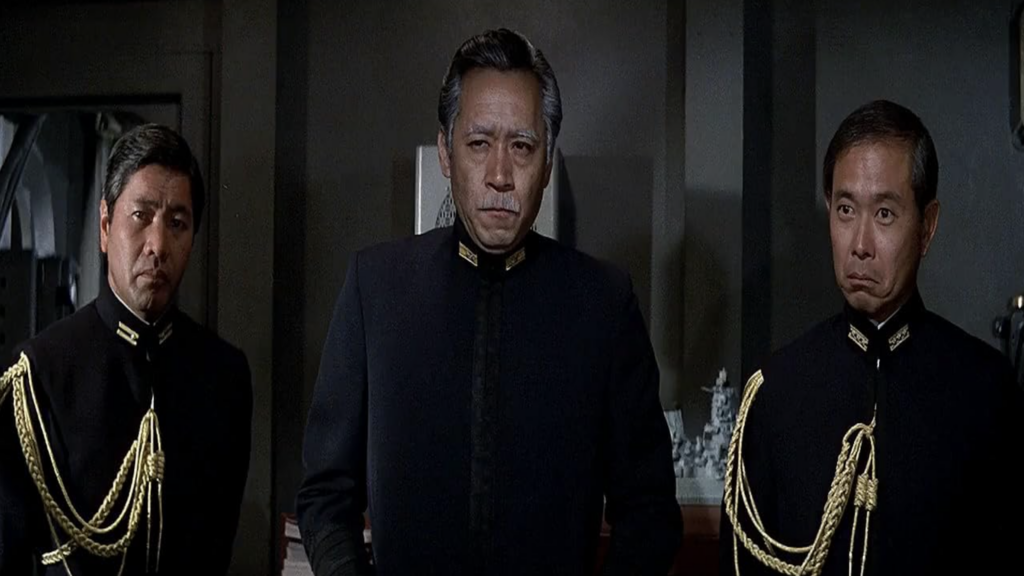
Most American war pictures of that era did not bother giving the opposing side real screen time. This one does. Toshiro Mifune plays Admiral Yamamoto aboard his flagship, and the scene where he receives word of the fleet’s losses is quiet and controlled in a way that makes it hit harder. Yamamoto’s plan had been complex, spreading his forces across multiple objectives, and that dispersion contributed to the defeat. Mifune plays the moment without melodrama: a man absorbing the weight of what has just been lost, on a bridge where there is nothing left to order.
8. Why no Pacific battle after Midway was the same
The final scenes of Midway (1976) show the American fleet intact as the Japanese withdraw. That image carries more weight than it might seem. After the battle, Japan had lost four fleet carriers and a generation of experienced aircrews that could not be quickly replaced. The Imperial Japanese Navy was never again able to mount a major offensive operation in the Pacific; from that point forward, it fought a defensive war. The United States, by contrast, was building carriers faster than Japan could sink them. Midway did not end the Pacific War; three more years of brutal fighting remained, but it determined, fairly clearly, who was going to win it.