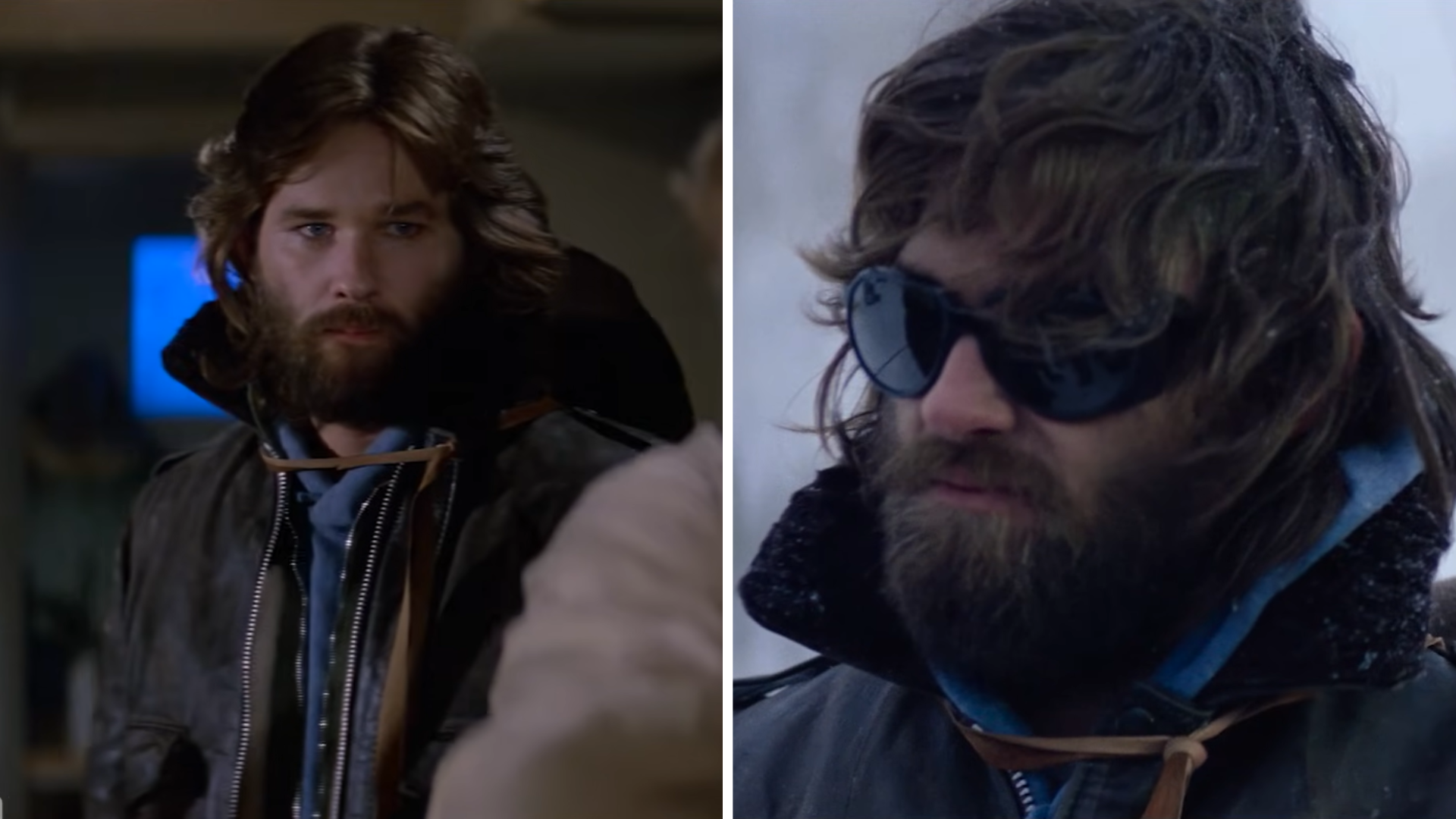
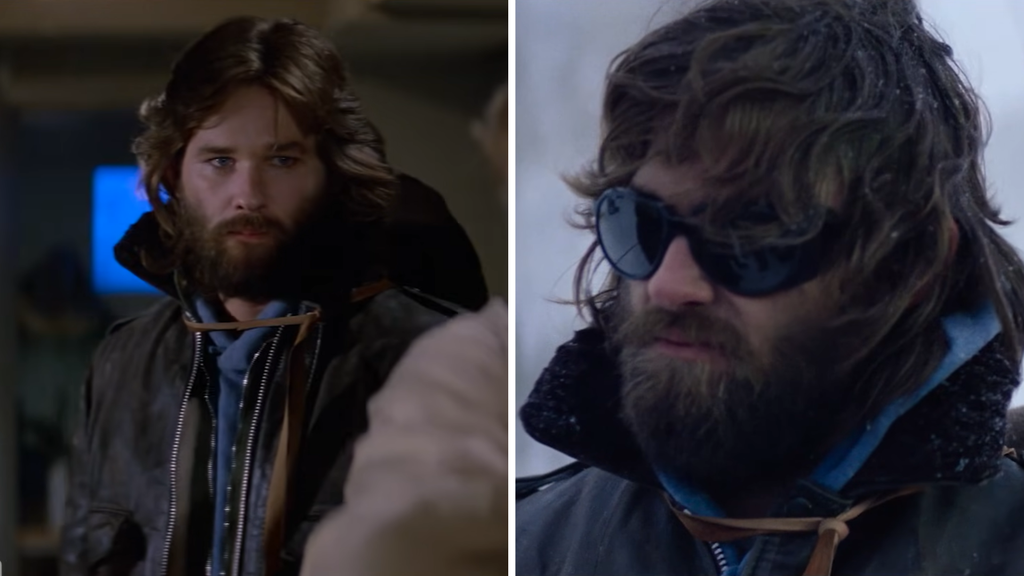
By the middle of The Thing (1982), the men at Outpost 31 already know they are dealing with something that can imitate another living being. What they still lack is a reliable way to tell who is human, and John Carpenter spends this stretch of the movie steadily taking away every source of security they might have used to find out.
The escalation is almost entirely driven by the characters themselves. Blair cuts off their escape, MacReady realizes waiting for rescue could make things worse, a promising medical test is sabotaged, and the search for whoever had access to the stored samples turns colleagues against one another. By the end, even deciding who should be in charge has become another reason to argue.
1. Blair destroys their easiest way out
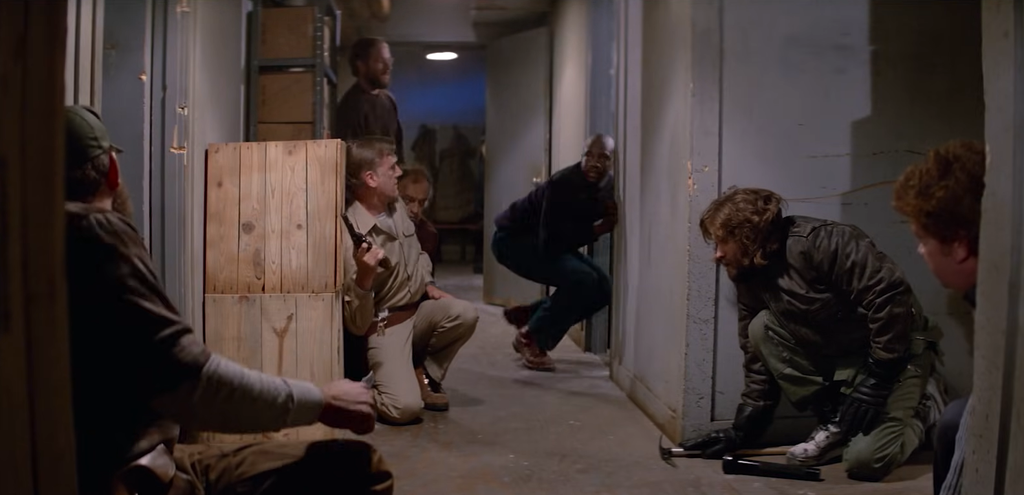
Blair’s rampage changes the situation before the group has even settled on a plan. The helicopter and tractor have been damaged, the remaining dogs are gone, and MacReady immediately orders everyone to make sure nobody can leave the station. Blair may look like the unstable one at this point, but his actions force the others into exactly the kind of isolation that makes suspicion harder to escape. Nobody can simply head for another base and sort things out somewhere safer.
2. Blair explains why one creature is not the real problem
Once Blair starts talking about what the organism wants, the danger becomes much harder to contain mentally. His point is that it does not need to remain one recognizable creature; it can imitate other life and eventually pass unnoticed among people. That idea changes the way everyone in the station has to look at one another, because the threat no longer needs to be somewhere outside the room. It could already be sitting beside them.
3. Blair sounds calmer once he is isolated, but not more reassuring
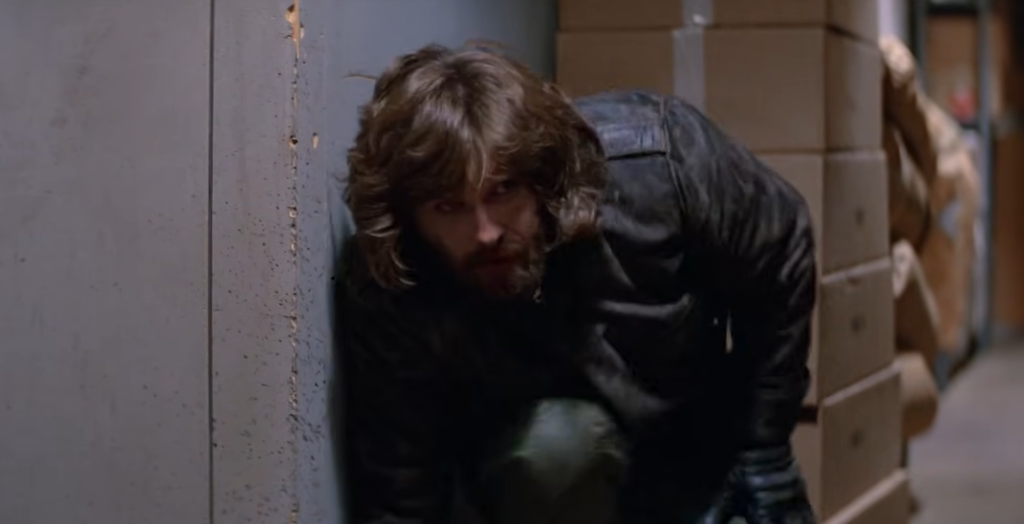
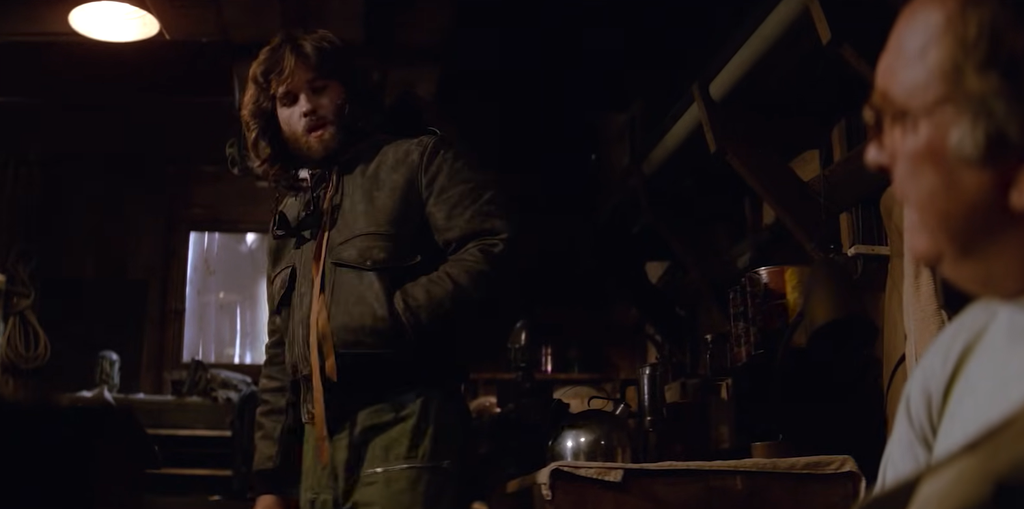
After MacReady locks Blair in the tool shed, their conversation becomes strangely quiet compared with the chaos that came before it. Blair admits that he no longer knows who to trust, and MacReady answers that trust has become difficult for everyone. The calmer tone almost makes the exchange more unsettling, because Blair’s suspicion no longer sounds like something that can be dismissed as part of his earlier breakdown.
4. Losing contact with the outside world removes another safety net
Back inside the station, the men confirm that the radio is gone and their transportation is unusable. Waiting until spring initially sounds like the sensible option, but MacReady immediately points out the flaw: if even one person has already been imitated, months of isolation could give the organism enough time to replace the entire group. Carpenter turns the rescue timetable into another source of pressure rather than a reason to relax.
5. MacReady asks a question nobody can answer by looking
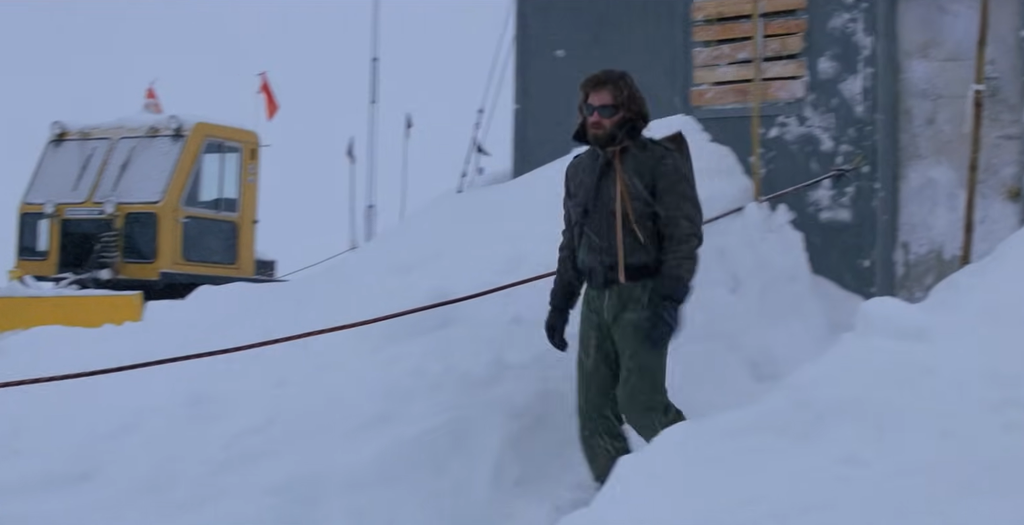
The scene reaches its central problem when MacReady asks how anyone could identify a perfect imitation. There is no obvious physical clue the men can rely on, which means familiarity suddenly becomes useless. Friends, coworkers, and people they have lived beside for months can no longer be trusted simply because they still look and sound the same. Kurt Russell delivers the question practically rather than dramatically, which makes the lack of an answer feel even worse.
6. Copper briefly gives the group something objective to trust
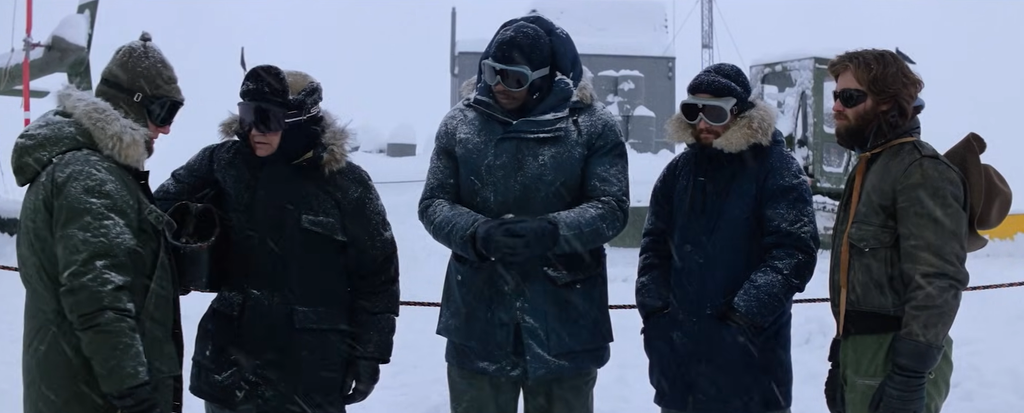
Copper’s proposed serum test is the first idea that seems capable of replacing guesswork with evidence. Instead of watching expressions or deciding who has been acting strangely, the men could test samples from everyone and look for a reaction. For a short stretch, the scene offers the possibility that science might restore some order to the station, and that small amount of hope makes what happens next much more damaging.
7. The sabotaged samples prove somebody is working against them
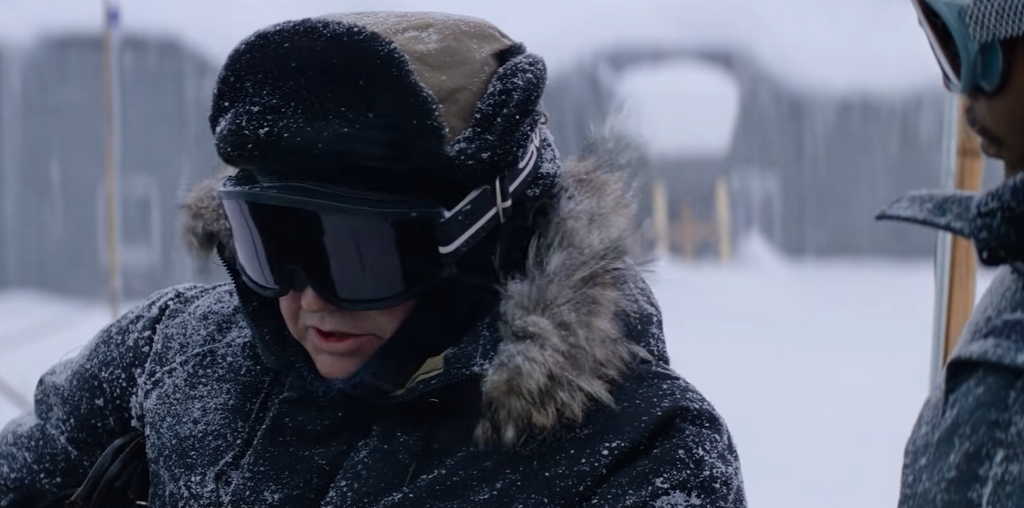
When the group discovers that the stored material needed for the test has been ruined, the plan collapses before they can even try it. More importantly, the sabotage suggests intention. Someone understood what the test might accomplish and acted quickly enough to prevent it, so the men now have evidence that the danger inside the station may be able to anticipate what they are doing. A possible solution has become another reason to distrust the people standing nearby.
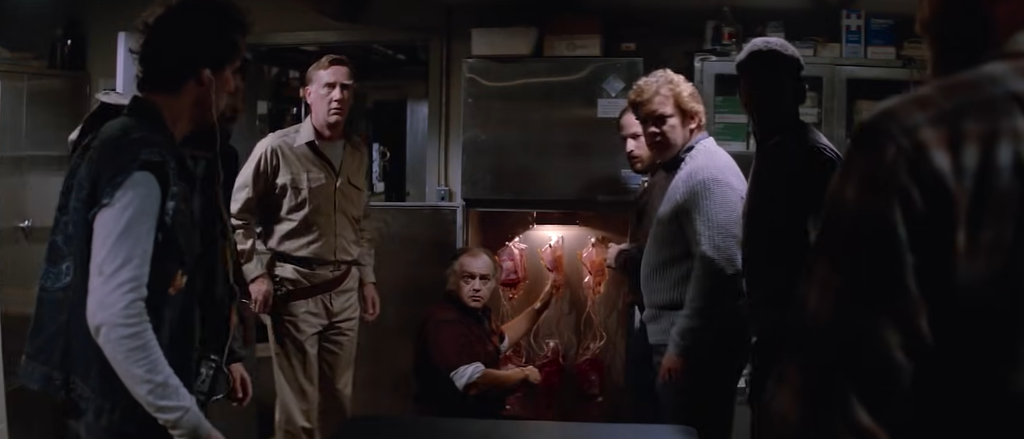
8. The locked storage area makes Garry and Copper immediate suspects
The fact that the storage area was still locked should make the investigation easier, but it does the opposite. Garry says he has the only key and normally lends it to Copper, while Copper has no convincing explanation for how somebody else could have taken it. Suddenly two men who should be helping establish order are under suspicion simply because their jobs gave them legitimate access, and every explanation only creates another question.

9. Fear turns an argument into a dangerous standoff
As the accusations build, Garry’s frustration finally pushes the group beyond verbal suspicion. The important shift is that the men are no longer threatened only by whatever may be hiding among them; they also have to worry about what frightened people might do when they believe somebody else could be an imitation. MacReady manages to bring the confrontation back under control, but the damage to Garry’s authority is already obvious.
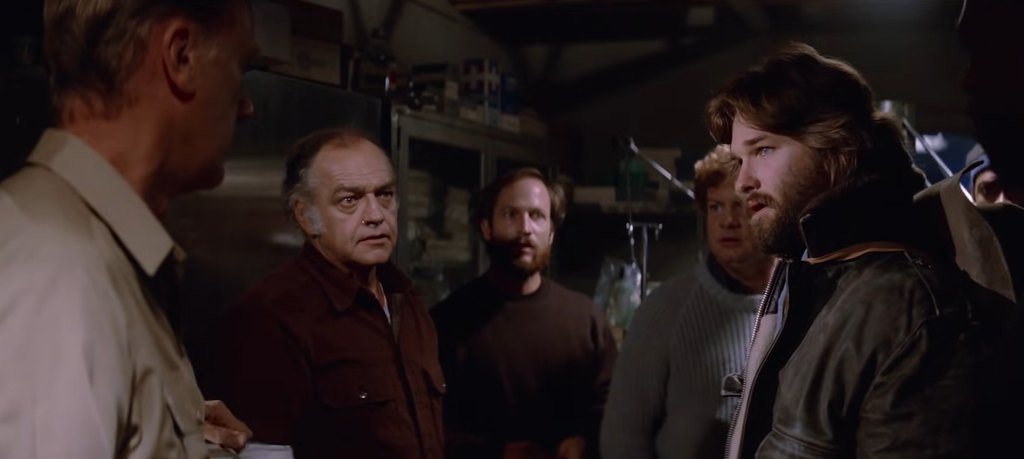
10. Choosing a new leader creates one more disagreement
Garry eventually offers to step aside, yet even that fails to give the group a clear way forward. Norris declines the responsibility, MacReady is willing to take over, and Childs immediately objects. By this point the station has lost transportation, communication, its first medical test, and confidence in its existing chain of command. Carpenter does not need another creature reveal to keep the tension rising; the men have reached a point where almost any decision can be interpreted as another reason for suspicion.
To Watch or Buy The Thing, click here: https://www.amazon.com/Thing-Kurt-Russell/dp/B000I9WWK4