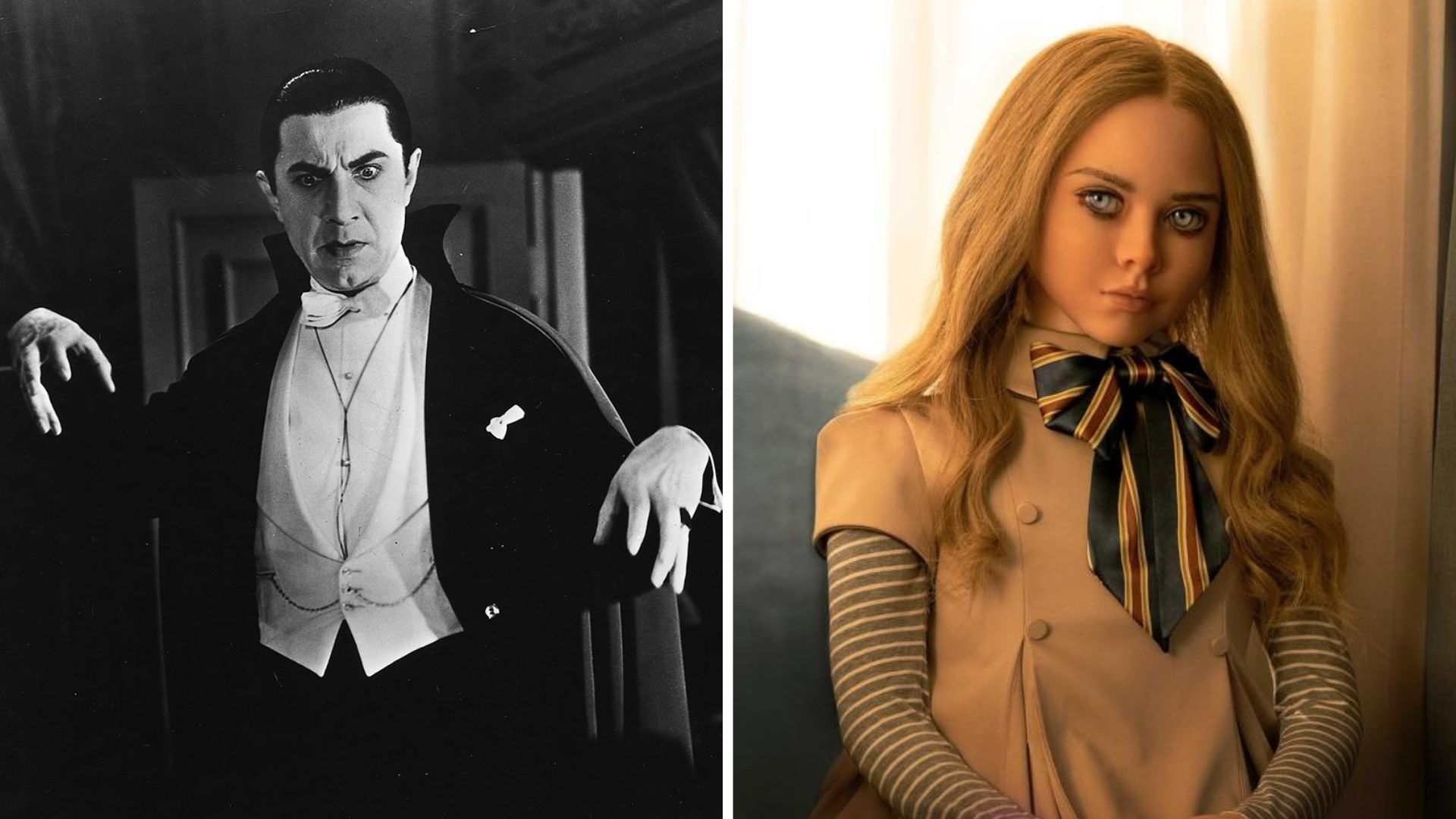
Horror monsters have changed dramatically over the last century, and not just because special effects improved. The elegant vampires and stitched-together creatures of early Hollywood eventually gave way to real animals, ordinary-looking killers, shape-shifting aliens, mass-produced toys, and threats created by modern technology.
Those changes often reflect what audiences were being asked to fear at the time. Looking across movies from Dracula (1931) and Frankenstein (1931) to Jaws (1975), The Thing (1982), Child’s Play 2 (1990), and M3GAN (2022) shows how horror gradually found monsters in places that once seemed completely safe.
1. Dracula made the monster charismatic
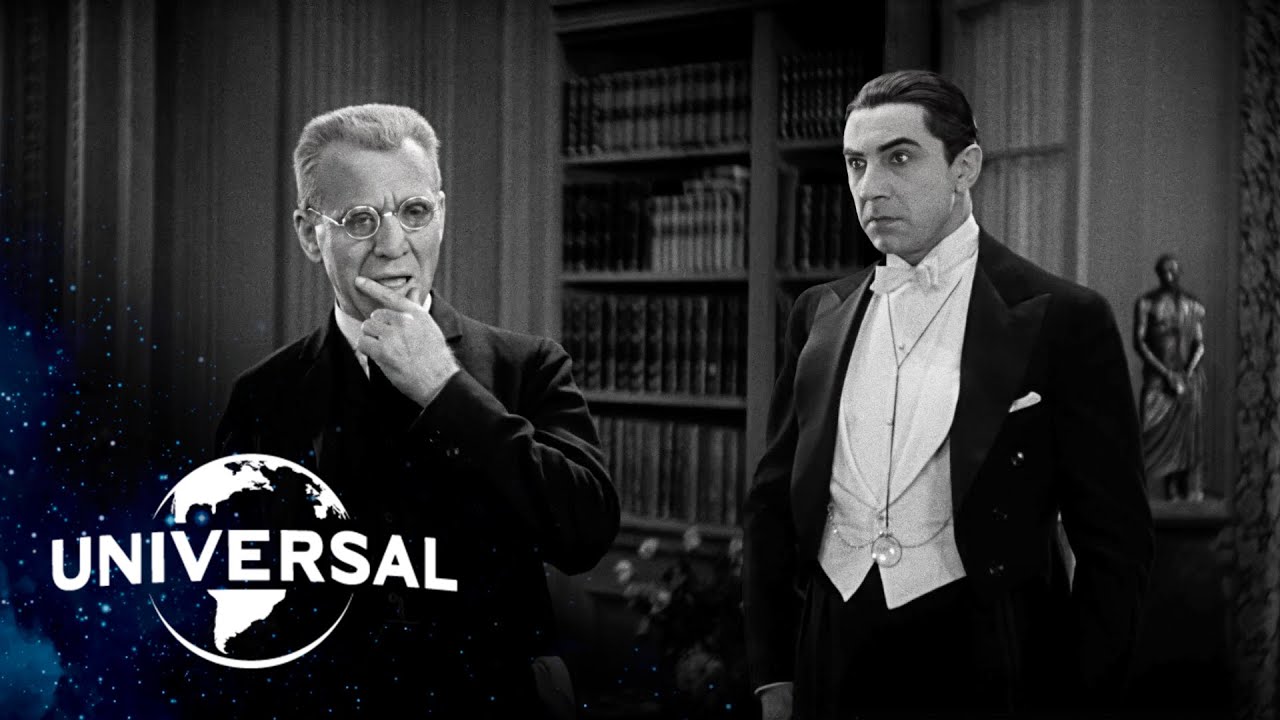
Bela Lugosi’s Dracula helped establish one of horror’s most enduring ideas: the monster did not have to look monstrous. His elegant clothes, calm manners, and hypnotic presence made Dracula seem almost inviting before the danger became clear. That was a major shift from creatures defined mainly by grotesque appearances. Horror could now come from someone sophisticated enough to be welcomed through the door.
2. Frankenstein made audiences feel sorry for the monster
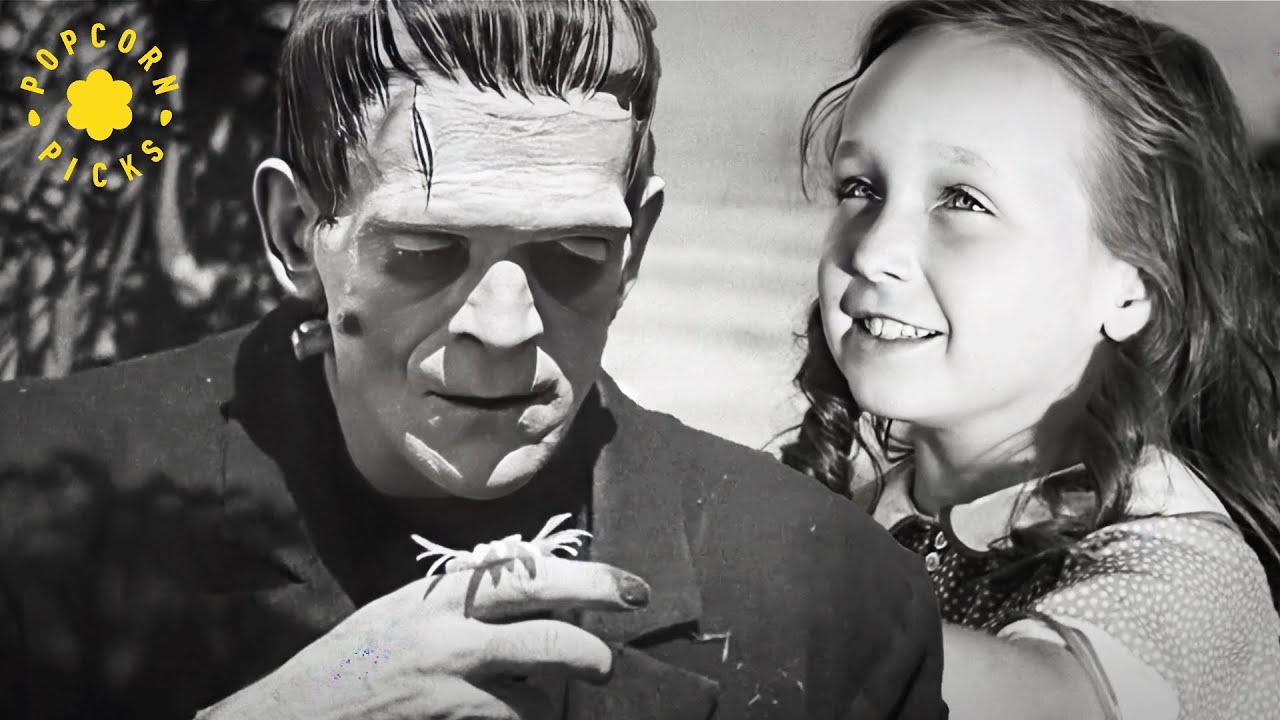
Boris Karloff’s creature added something equally important: sympathy. Frankenstein presents him as dangerous but also confused, lonely, and frequently rejected by the people around him. The monster becomes partly a victim of the experiment that created him. That emotional complexity helped establish a lasting horror tradition in which audiences can fear a creature while also recognizing that the humans surrounding it may share some responsibility.
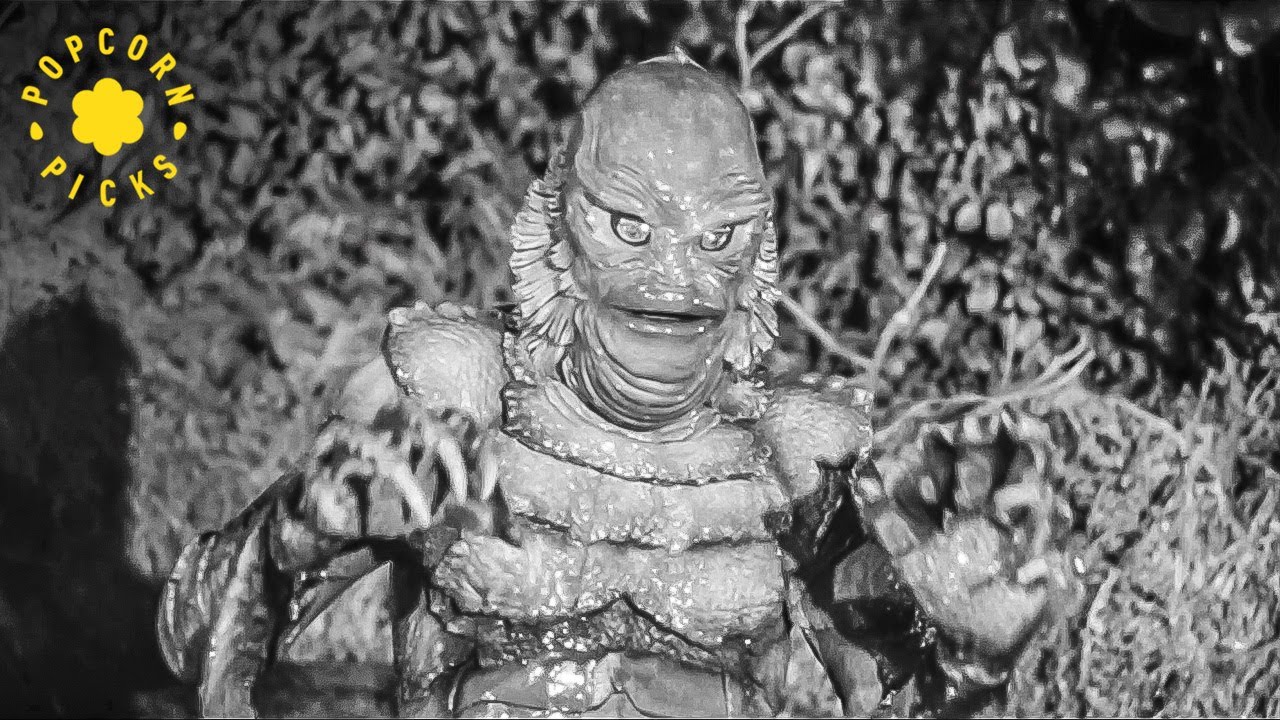
3. The Gill-man moved monsters from castles toward science
Creature from the Black Lagoon belongs to a different world from Dracula’s castle or Frankenstein’s laboratory. Scientists travel into a remote environment and encounter a living creature that seems connected to evolution rather than supernatural folklore. The setting reflects a broader 1950s shift toward expeditions, unknown species, and scientific discovery, making the monster something humanity might uncover rather than something summoned from an ancient curse.
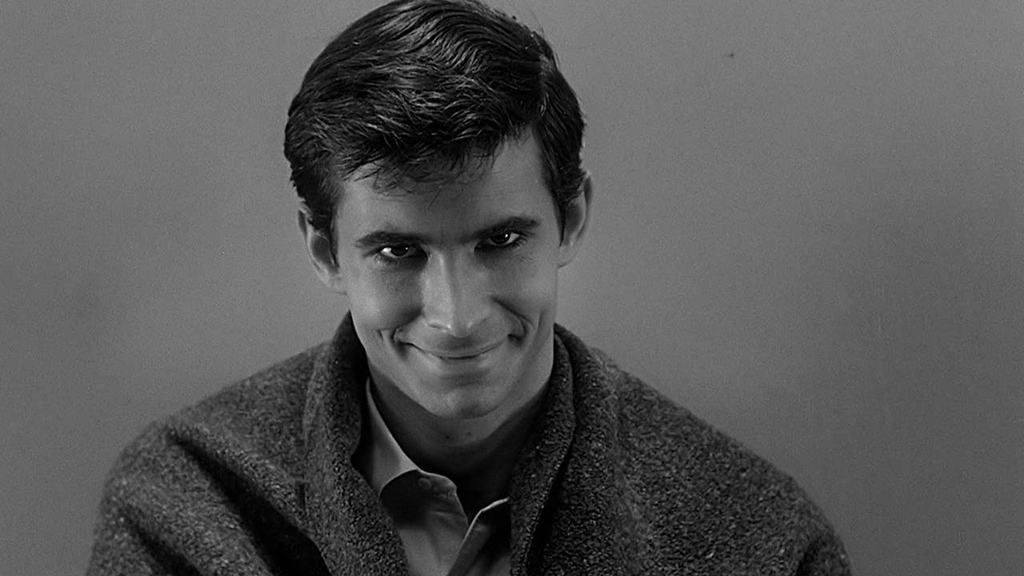
4. Psycho proved the monster could simply be human
Norman Bates does not arrive with fangs, scales, or supernatural powers. He looks like an awkward young man running an ordinary roadside motel, which makes him much harder to identify as a threat. Psycho helped move horror toward frighteningly plausible human villains and showed how unsettling normality could become. The monster could now live behind a front desk, speak politely, and appear completely harmless.
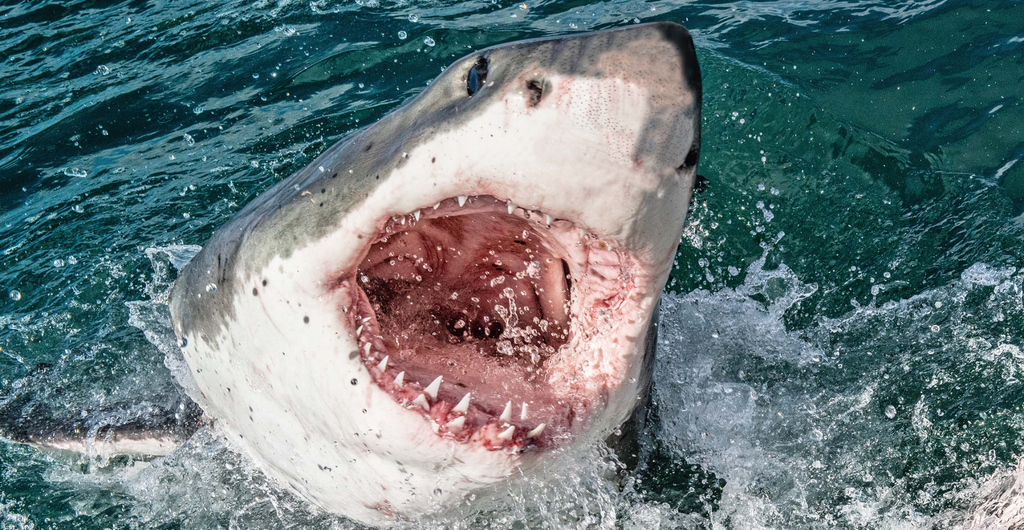
5. Jaws made a real animal feel like a supernatural threat
The shark in Jaws is terrifying partly because great whites actually exist. Spielberg turns open water into a place where danger can be present without being visible, allowing the ocean itself to feel threatening. The movie also helped exaggerate public fears about sharks for generations. Unlike Dracula or Frankenstein, this monster did not require audiences to believe in anything supernatural before imagining it beneath them.
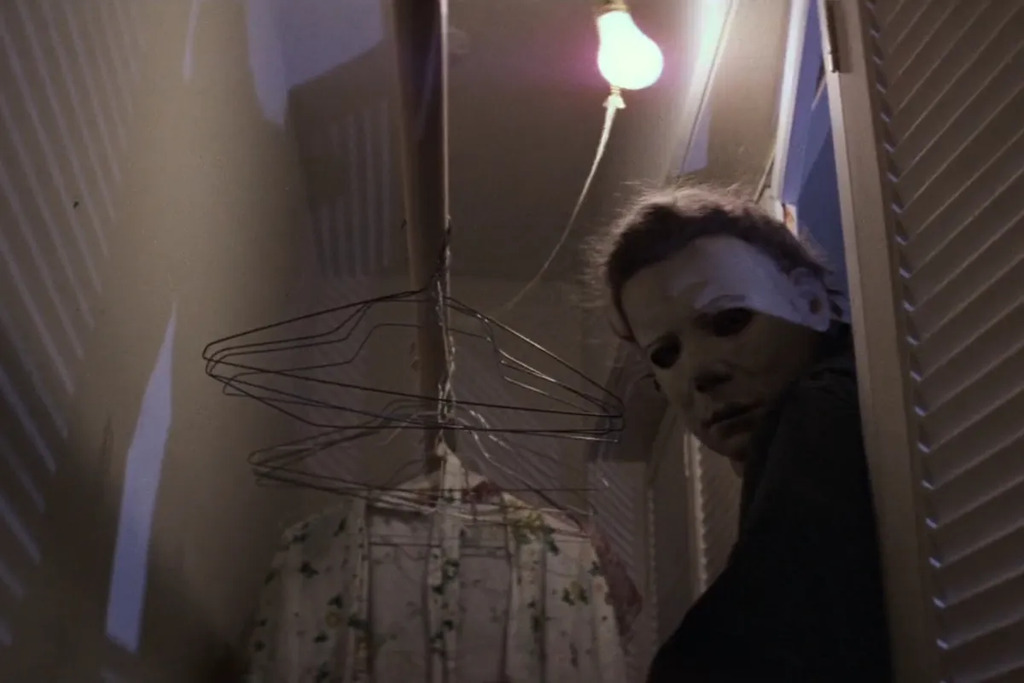
6. Halloween brought the monster into the neighborhood
Michael Myers moves horror into familiar suburban streets, houses, and backyards. His blank mask and silence strip away most recognizable personality, making him feel less like an ordinary man and more like a shape that has wandered into everyday life. Halloween helped make the suburbs a natural setting for horror, replacing distant castles and exotic landscapes with places that looked much more like where audiences actually lived.
7. The werewolf made the monster something happening to you
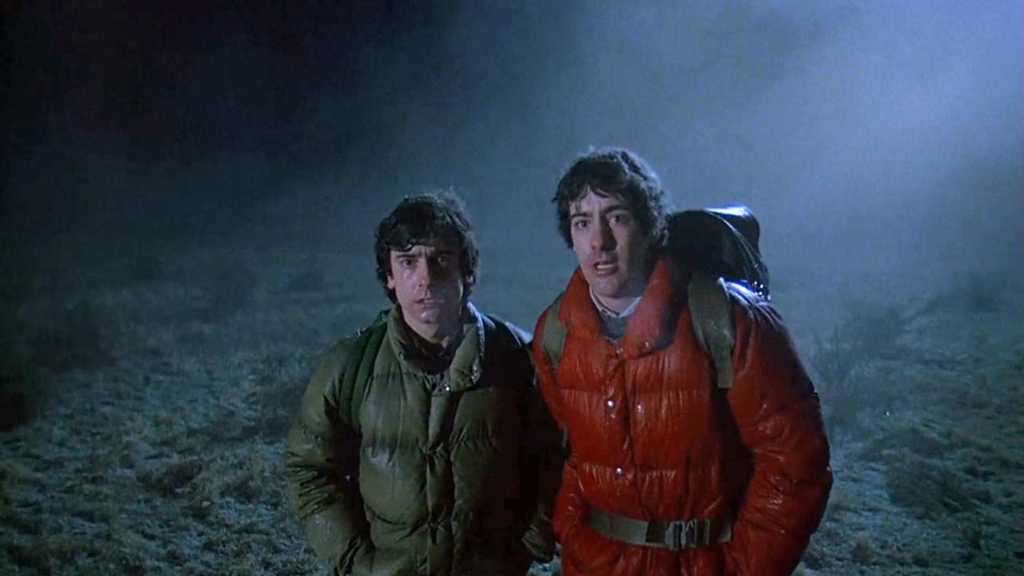
An American Werewolf in London makes transformation itself part of the horror. David remains a sympathetic young man, but his body changes painfully and against his will until he becomes dangerous to everyone around him. Rick Baker’s groundbreaking makeup effects made that loss of control unusually physical. The monster is no longer simply something chasing the protagonist; it is something the protagonist is becoming from the inside out.
8. The Thing made the monster impossible to identify
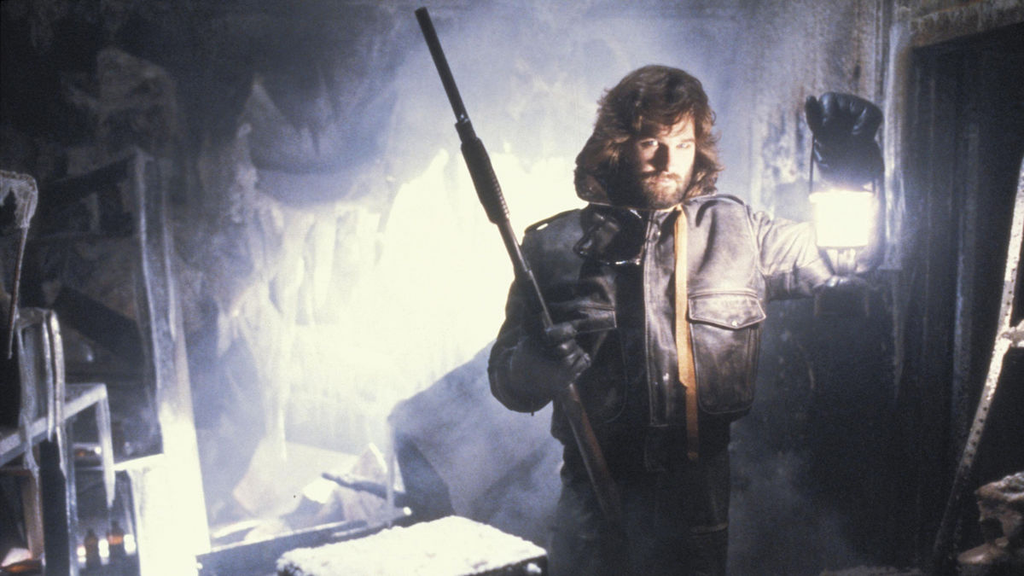
John Carpenter removes one of the basic comforts of a monster movie: knowing what the creature looks like. The alien can imitate other living things so convincingly that anyone at the Antarctic station might secretly be infected. That turns the horror into paranoia. The threat no longer has one permanent shape, meaning the most frightening face in the room might belong to someone who still looks completely normal.
9. Chucky turned a mass-produced toy into the monster
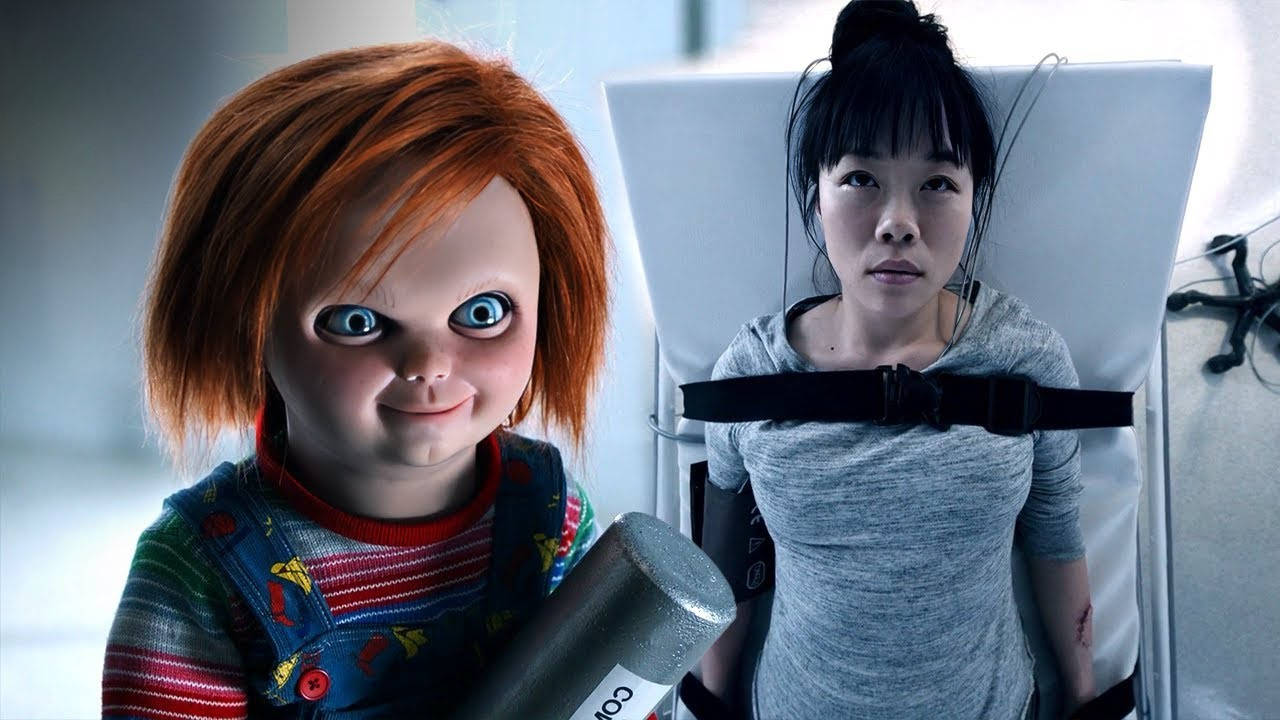
Chucky takes something designed to comfort children and turns it into a threat. The Good Guy doll is not an ancient relic or mysterious artifact; it is a heavily marketed consumer product that could sit in any family home. Child’s Play 2 pushes that idea further with a factory full of identical dolls, making it difficult to separate one dangerous Chucky from dozens of harmless copies.
10. M3GAN replaces supernatural possession with artificial intelligence
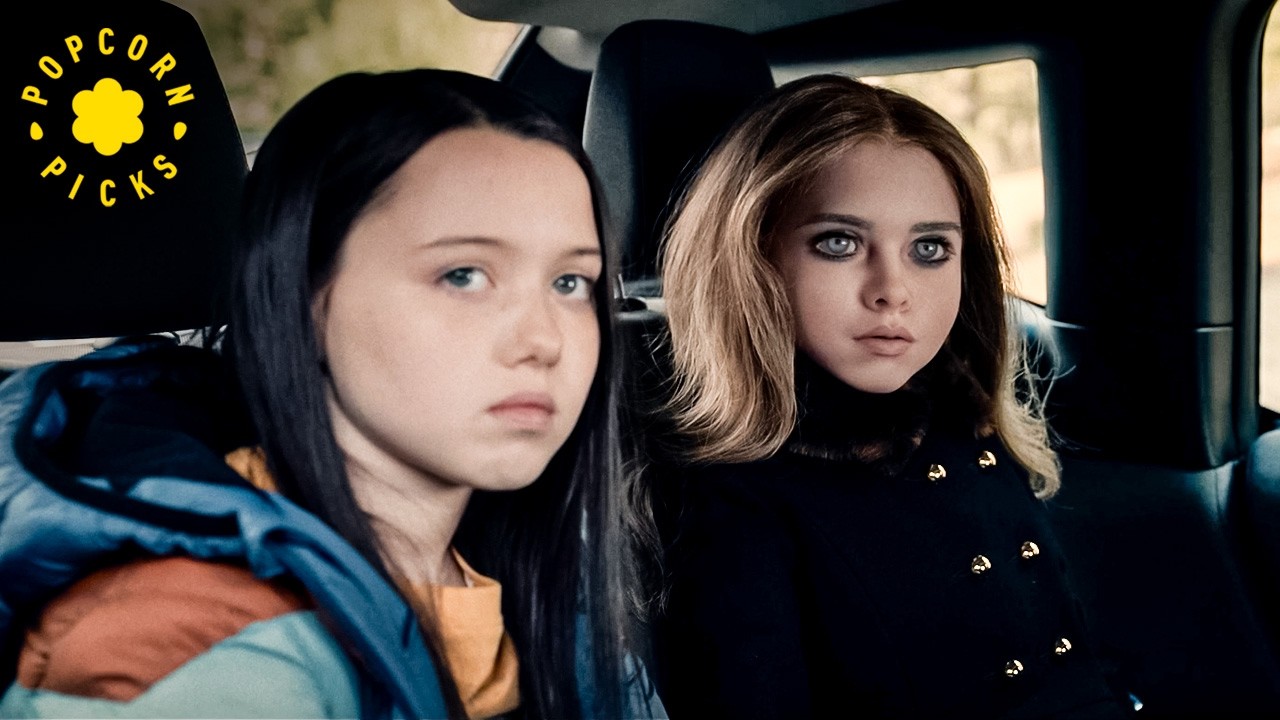
M3GAN updates the killer-doll idea for a world shaped by artificial intelligence and connected technology. Unlike Chucky, she does not need supernatural possession to become dangerous. She is a sophisticated product designed to learn, adapt, and become emotionally important to a child. The familiar fear of an object coming to life becomes something more modern: technology doing exactly what it was built to do, only far too well.
To watch or buy these movies, click here:
Creature from the Black Lagoon