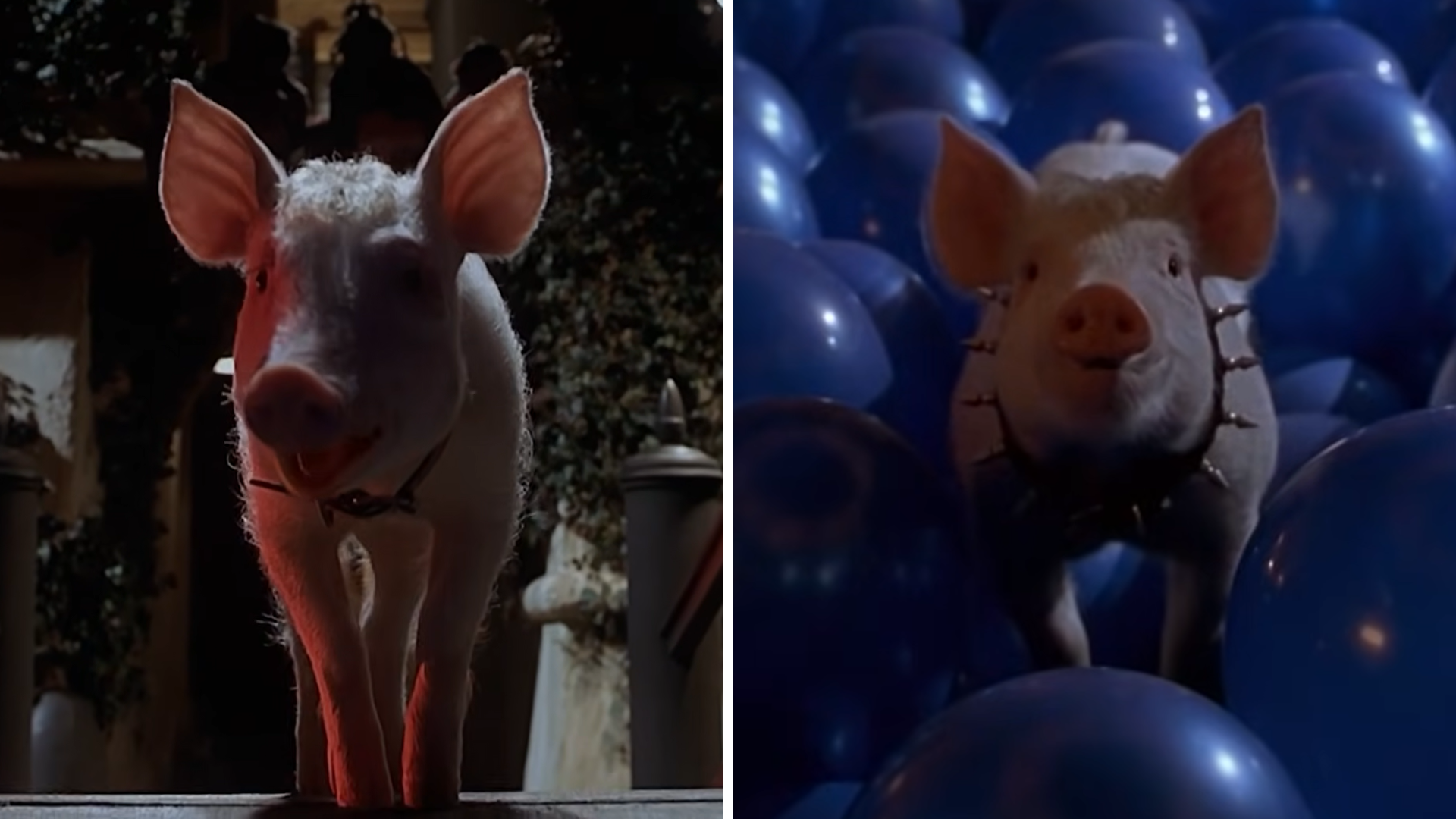
Babe: Pig in the City (1998) takes the gentle hero of the first movie and surrounds him with a much more complicated filmmaking challenge. George Miller’s sequel fills its strange metropolis with dogs, cats, primates, birds, and pigs, then sends them through pursuits, crowded interiors, and elaborate physical comedy.
Much of what looks chaotic on screen had to be tightly controlled behind the camera. The production combined hundreds of trained animals with practical substitutes, visual effects, extensive sets, and a sizable stunt department, sometimes using several different performers to represent a single character.
1. The production began with 799 animals
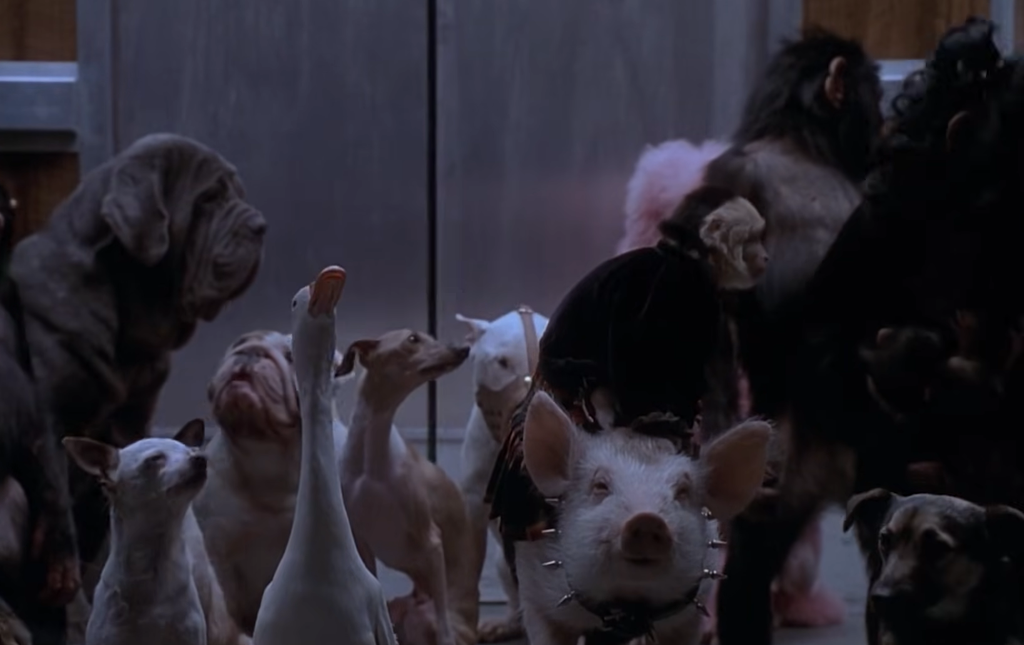
American Humane recorded 799 animals on the first day of production, remarkably the same number present on the final day of shooting the original Babe. Many lived in specially designed facilities at Fox Studios in Australia, where much of the sequel was filmed, while others stayed near the Hoggett farm location. With so many species appearing together, the crowded hotel sequences required far more coordination than their storybook atmosphere suggests.
2. Around 100 different pigs played Babe
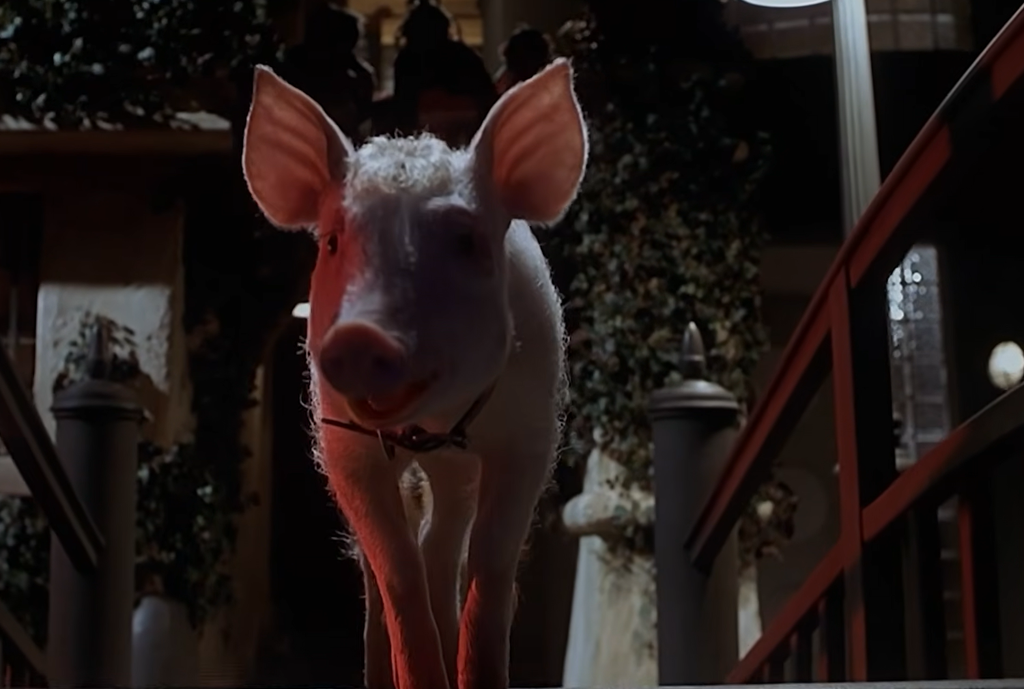
Babe may look like one consistent character, but George Miller had a rapidly changing cast to work with. The New Yorker reported that roughly 100 Yorkshire piglets portrayed him during production. They were trained in groups of six, and because they grew so quickly, each group could work for only about three weeks. Miller selected one principal Babe from each group, while the other five could handle stand-in and more active assignments.
3. The animal crew had to keep multiple units working
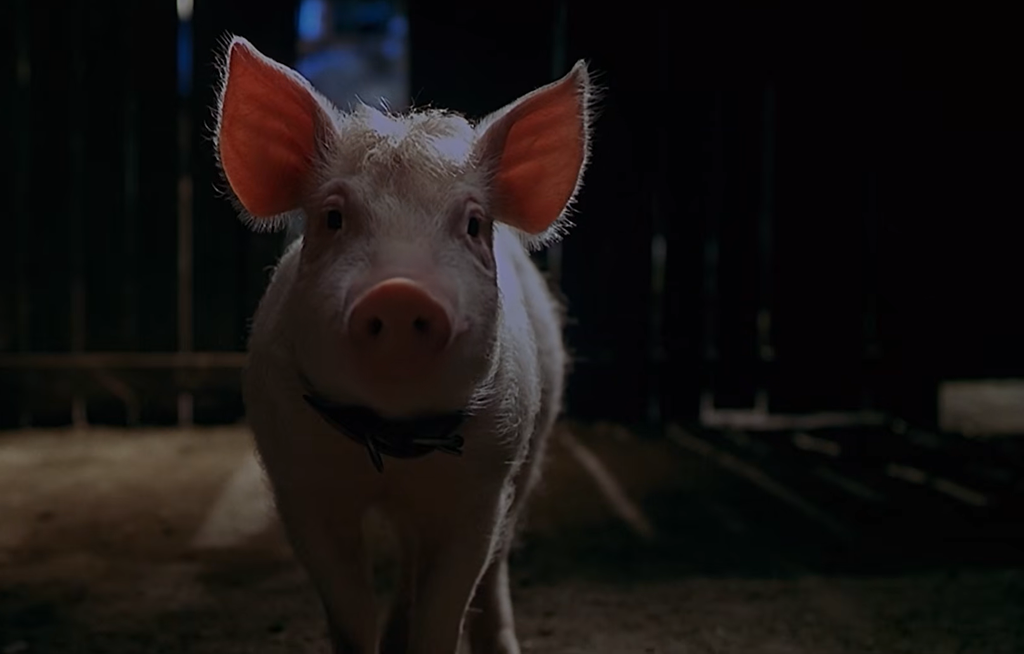
Keeping the animal cast ready required its own substantial operation. American Humane reported that supervisor Karl Lewis Miller arrived in Sydney with more than 70 local staff members and that at least two filming units were operating each day. Trainers relied on voice and hand signals, with food used as a reward, allowing relatively simple actions from individual animals to be assembled into scenes that appear much busier on screen.
4. Babe and the chimps were introduced before filming together
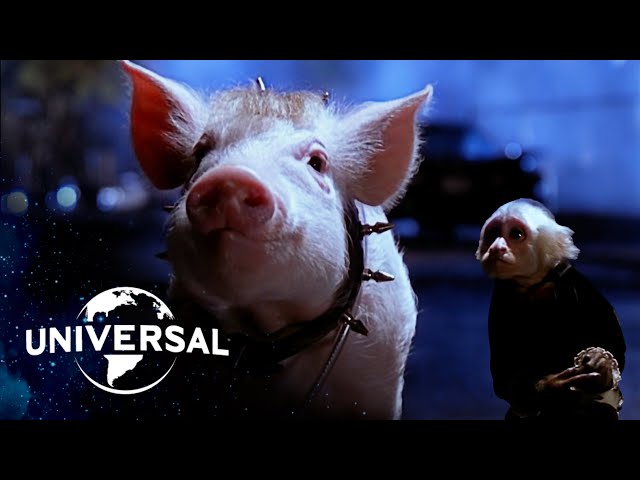
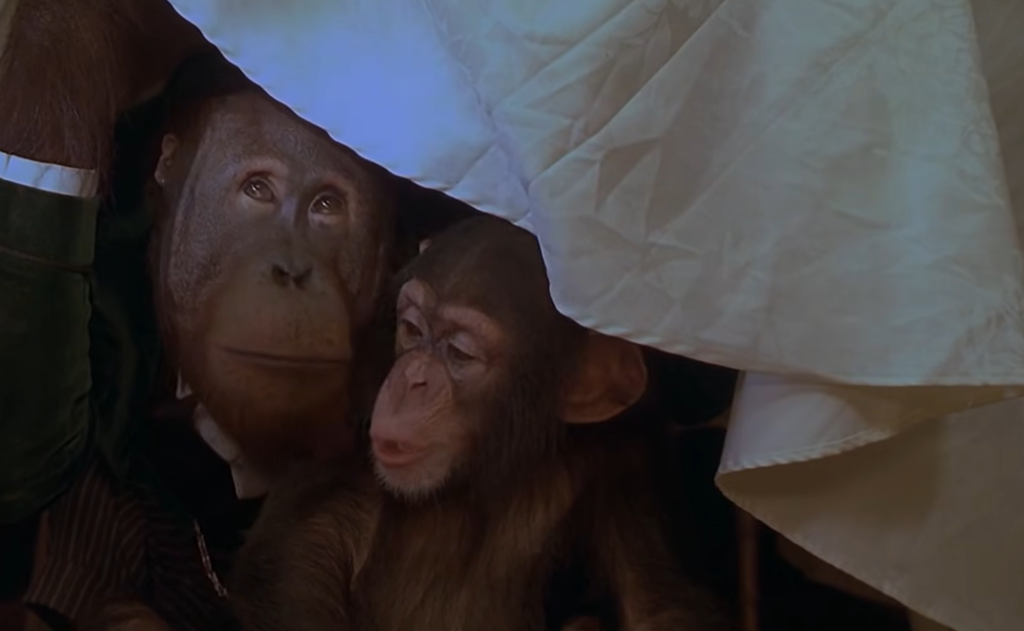
The production did not simply place unfamiliar species together and hope they cooperated. Before shooting, the trainers wanted the chimpanzees to become accustomed to pigs, so a young pig was kept close to them while another trained elsewhere; the two were later exchanged. That preparation became especially useful once Babe reached the Flealands Hotel, where physical interaction between the pig and the primates is a regular part of the comedy.
5. Many of the movie’s dogs came from shelters
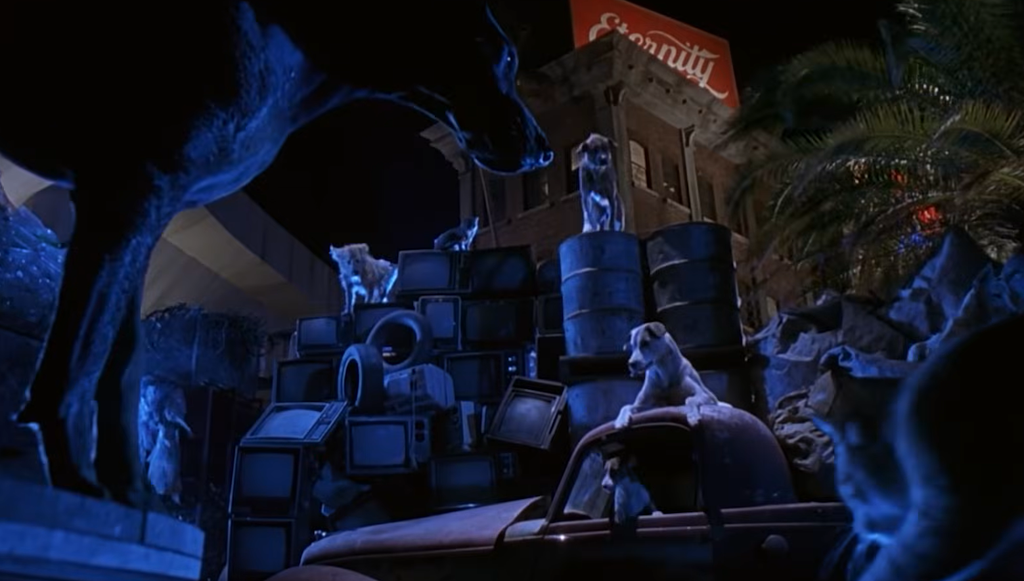
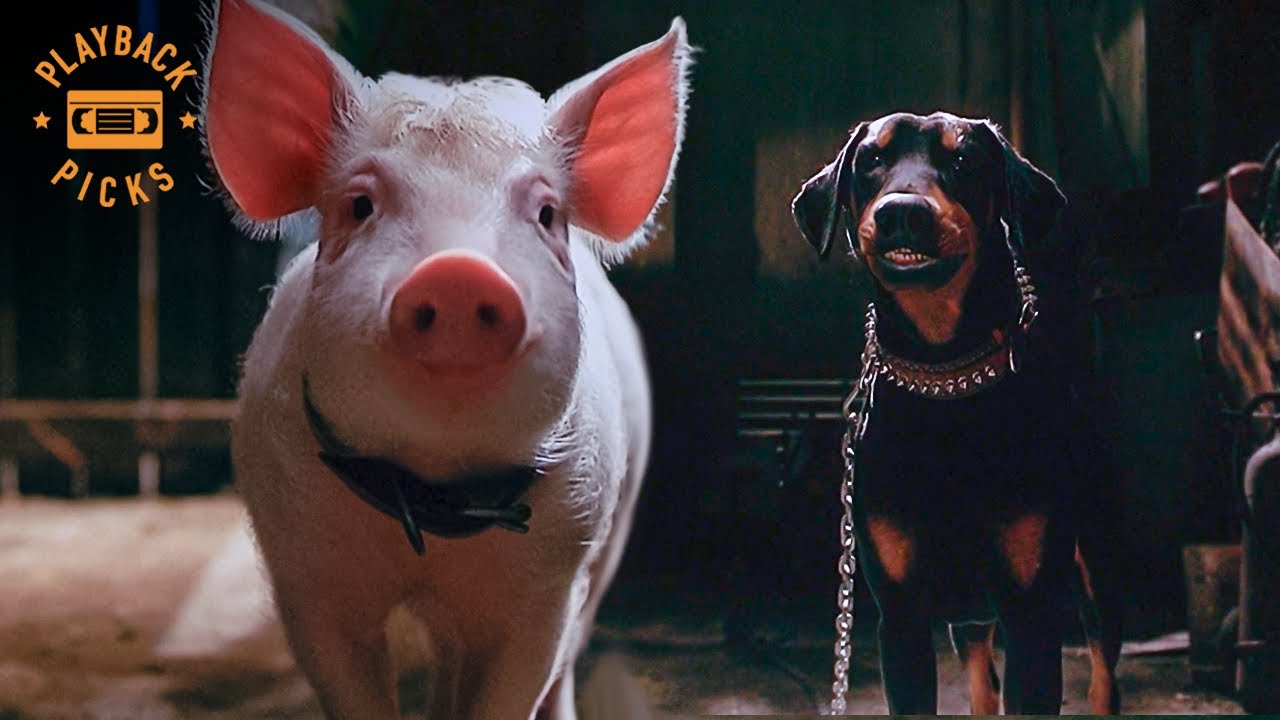
The assorted dogs chasing, confronting, and eventually sharing space with Babe were not simply drawn from established screen-animal performers. More than half of the roughly 120 dogs used during production came from shelters around Sydney, according to contemporary reporting. American Humane also states that the shelter dogs used in the movie subsequently found homes with members of the cast and crew.
6. Practical stand-ins handled the riskiest-looking moments
The stray-dog pursuit becomes increasingly elaborate as Babe races through the city, but the filmmakers did not require the real animals to perform everything the finished sequence appears to show. American Humane’s production report says animatronics, prosthetic substitutes, and special effects were used for scenes that seemed to put animals in jeopardy. That allowed Miller to keep escalating the pursuit while controlling what the live performers actually had to do.
7. The talking animals combined performances with visual effects
Miller still wanted the animals to look recognizably real even when they were carrying on full conversations. The production therefore began with live animal performances and supplemented them with animatronic and visual-effects work, rather than replacing the cast with completely digital characters. Rhythm & Hues handled visual effects and animation work on the movie, with Bill Westenhofer serving as visual effects supervisor.
8. Babe’s city was largely constructed in Australia
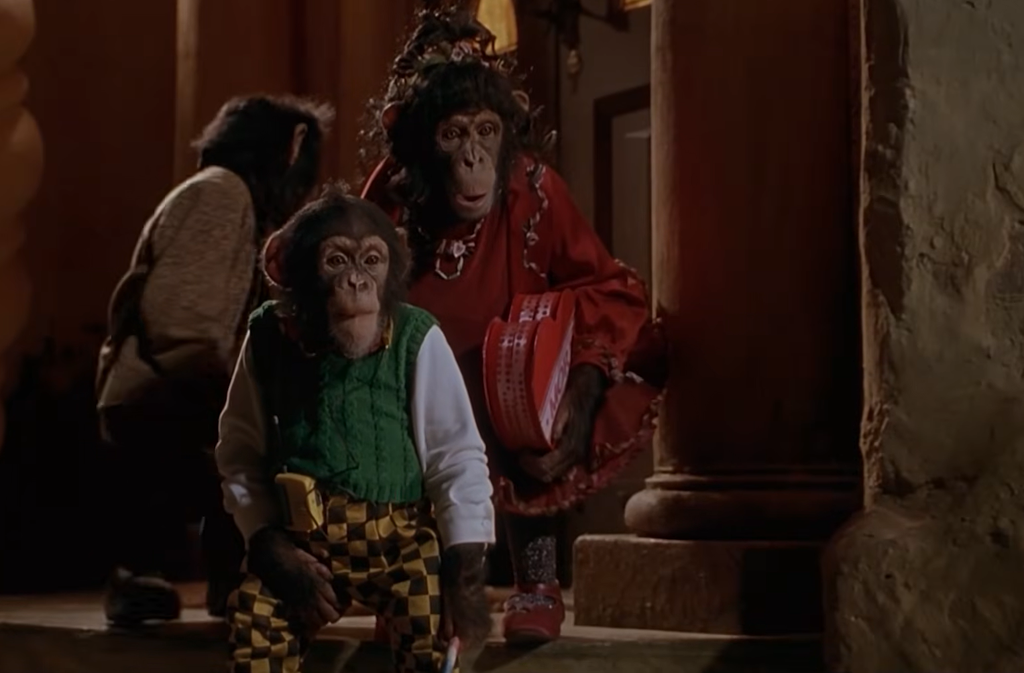
The metropolis around Babe deliberately resists belonging to one recognizable real-world place, and much of it was created on sets rather than found ready-made on city streets. American Humane notes that most of the film’s sets were built at Fox Studios in Australia, while Roger Ford served as production designer. That controlled environment gave Miller room to send animals through streets, interiors, and waterways designed around the movie’s peculiar storybook geography.
9. The production used 26,500 balloons
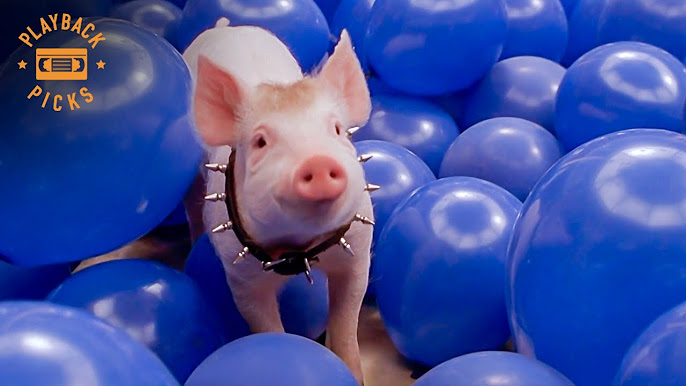
The spectacle surrounding the later blue-balloon sequence was produced on a remarkable scale. A contemporary Los Angeles Times account put the production total at 26,500 balloons, alongside 1,200 extras and hundreds of crew members. The result fits Miller’s approach throughout the sequel: the frame becomes packed with physical objects, performers, and movement until a relatively simple situation starts to look almost impossible to control.
10. Mrs. Hoggett had a dedicated stunt double
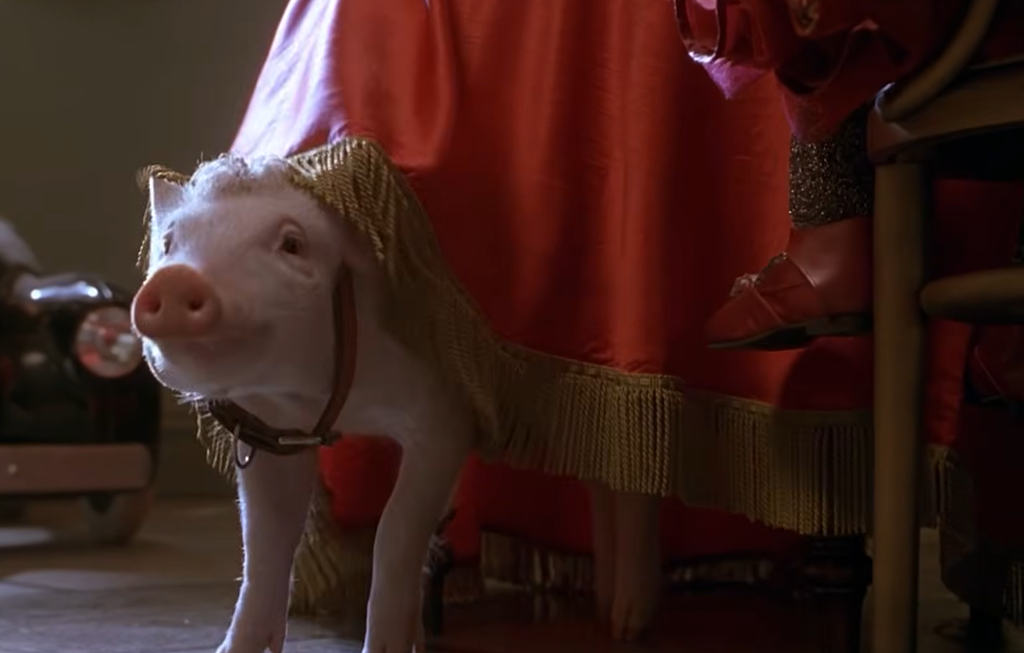
Magda Szubanski’s Mrs. Hoggett spends portions of the movie being pulled into physical set pieces that go far beyond ordinary dialogue scenes. The credits identify Melody Sorensen as her stunt double and Guy Norris as stunt coordinator, alongside a larger stunt team that included performers such as Nash Edgerton. That infrastructure helps explain how Mrs. Hoggett can remain at the center of the comedy even when Miller turns her surroundings into an increasingly complicated chain of movement and mishaps.
To Watch or Buy Babe: Pig in the City, click here: https://www.amazon.com/Babe-Pig-City-James-Cromwell/dp/B0026ISUU6