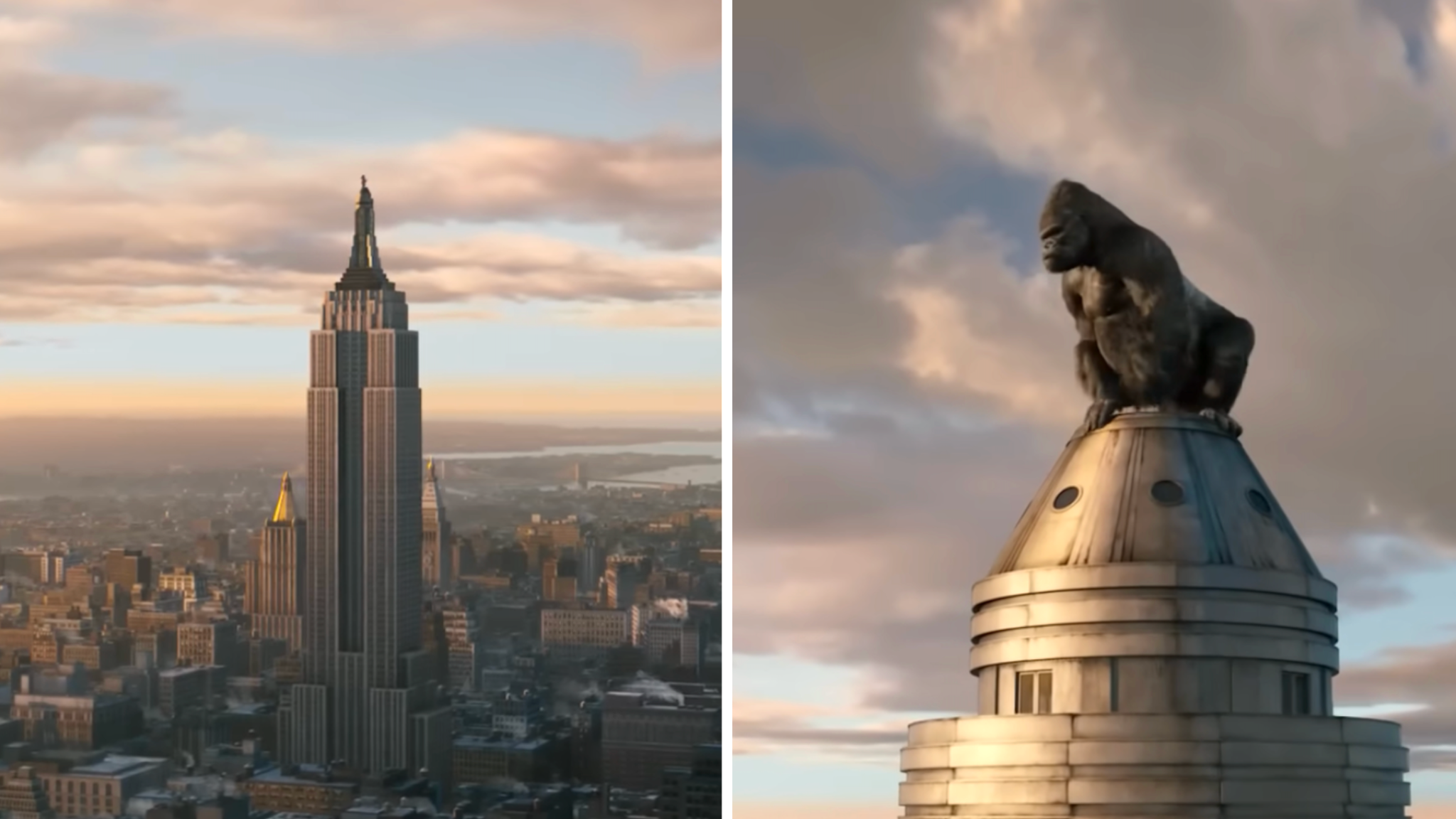
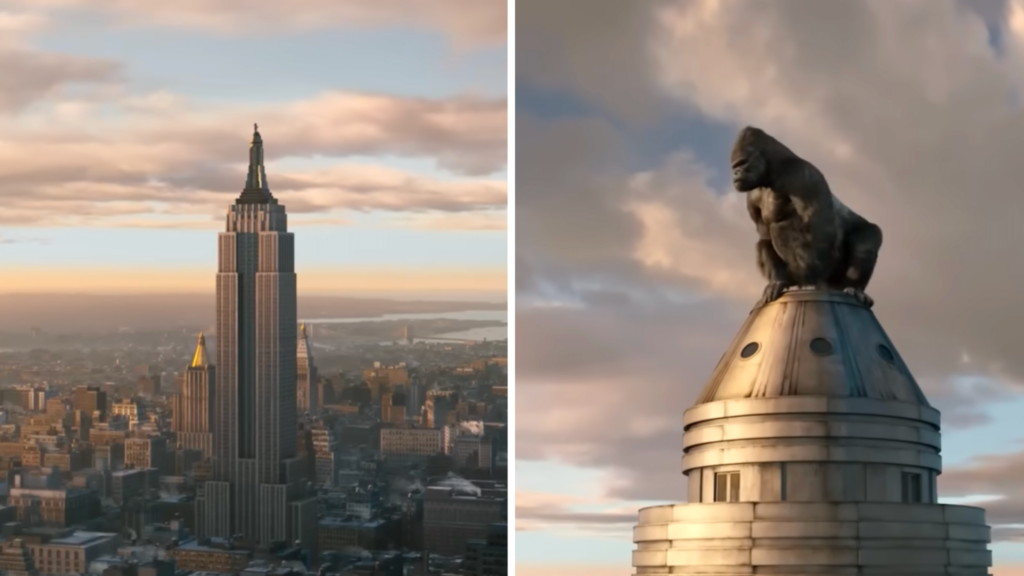
Released in 2005 under the direction of Peter Jackson and produced by Universal Pictures, the epic remake of King Kong brought the legendary 1933 creature feature into a new era of filmmaking. Starring Naomi Watts, Jack Black, Adrien Brody, and Andy Serkis in a revolutionary motion-capture performance, the movie reimagined the giant ape not as a mindless monster but as a tragic hero. While the original 1933 film made history with stop-motion animation, Jackson used cutting-edge CGI and deep emotional storytelling to elevate the iconic climax atop the Empire State Building.
Instead of focusing purely on terror, the 2005 version turns the finale into a heartbreaking critique of human greed and exploitation. Audiences do not just watch a monster fight off planes; they hear his genuine physical suffering, feel his exhaustion, and witness a powerful bond built on empathy. Here are 7 reasons why the 2005 Empire State Building climb superiorly beats the 1933 original.
1. Motion Capture Technology Gave Kong Genuine Human Emotion
The 1933 original relied on a small stop-motion model that was groundbreaking for its era but inherently stiff in its movements. In 2005, Andy Serkis provided revolutionary motion capture technology, giving Kong realistic muscle movement, subtle facial expressions, and profound soul. As the giant ape scales the tower, every heavy breath, gentle glance, and tired twitch conveys a deeply emotional character rather than a simple special-effects prop.
2. Every Attack Makes Audiences Hear And Feel His Physical Suffering
In the original movie, the aerial battle was a classic monster showdown where Kong simply swatted at passing planes. Jackson completely changed the tone in 2005 by making the combat brutal and painful to watch. Viewers actually hear Kong groaning in agony, bleeding, and gasping for air as bullets tear through his body. Watching him fight off biplanes becomes an exhausting, heartbreaking spectacle of a tired animal taking his last breaths.
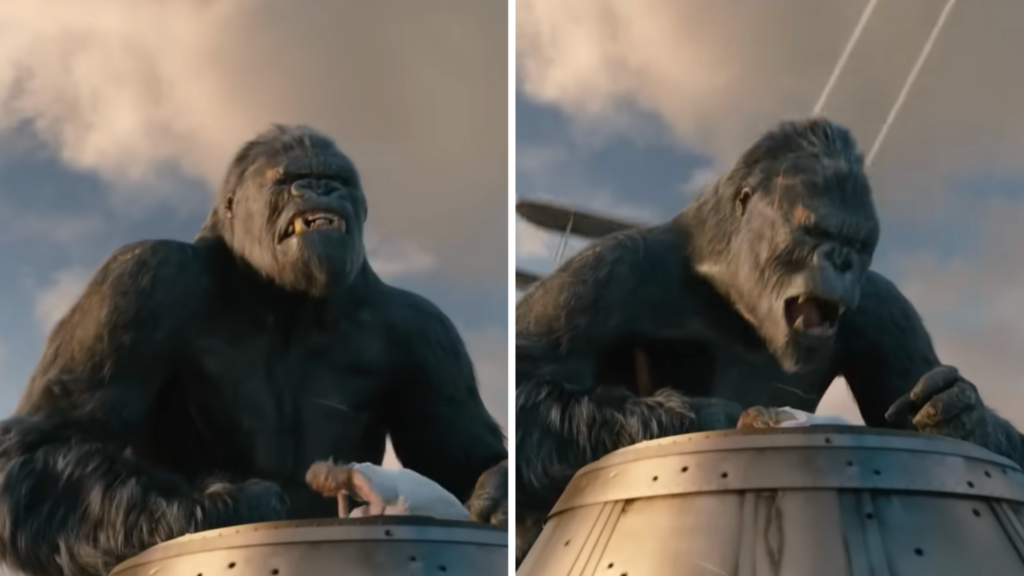
3. The Narrative Shifts From Monster Terror To Human Greed Critique
The 1933 classic presented Kong primarily as a dangerous beast that needed to be put down to save civilization from wild chaos. The 2005 adaptation completely flips the narrative script, turning the spotlight onto the cruelty of human greed. Dragged away from his natural habitat by opportunistic showmen just to be put on display for money, Kong is clearly the true victim. His frantic climb up the skyscraper is a desperate attempt to escape a hostile concrete jungle.
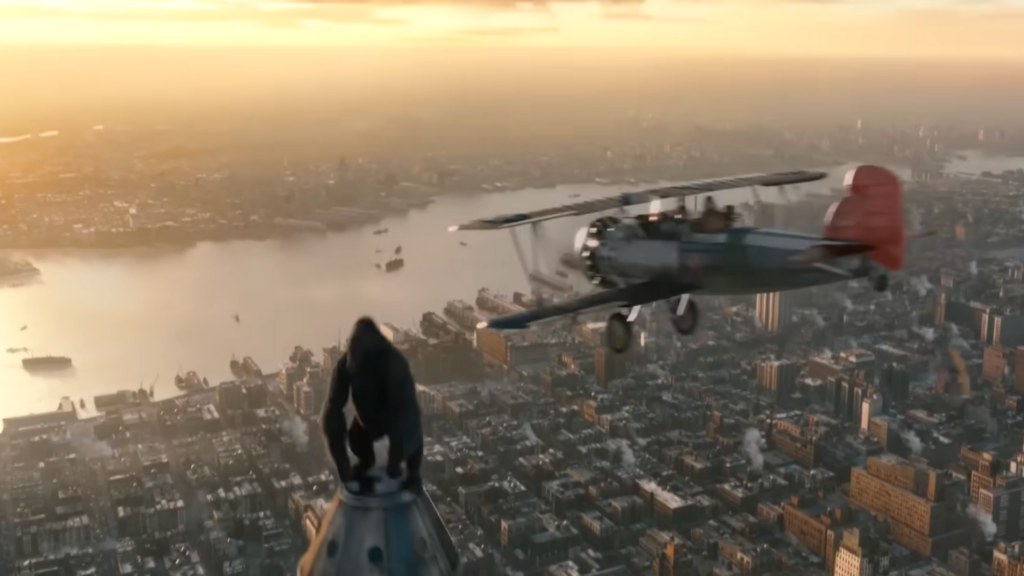
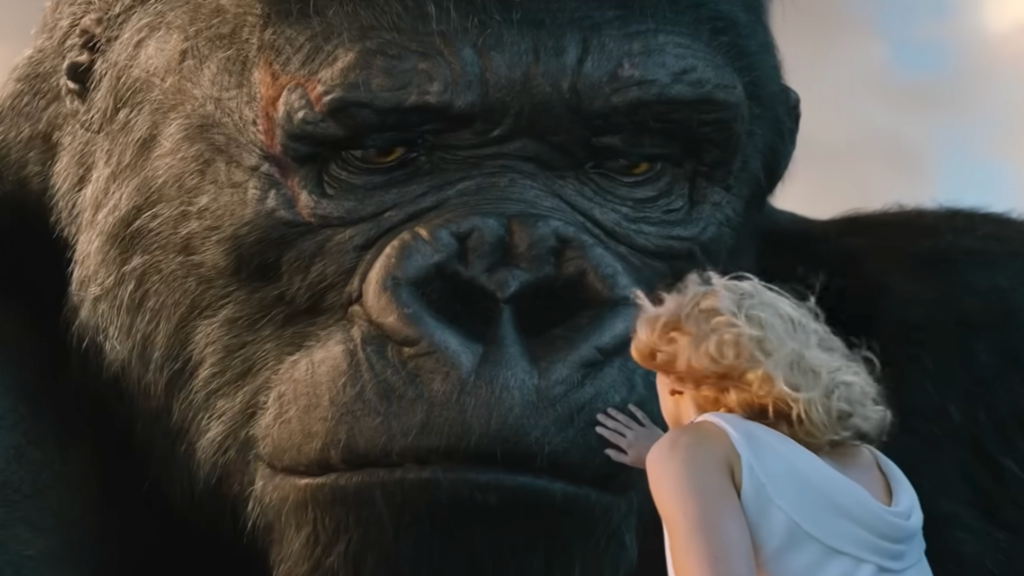
4. The Emotional Connection With Ann Darrow Features Real Tenderness
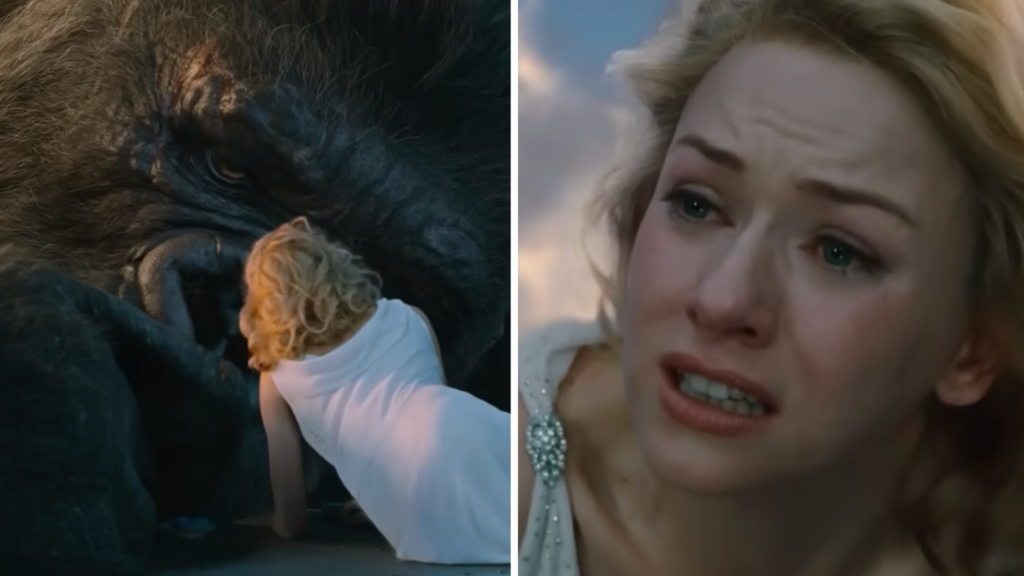
Fay Wray spent nearly the entire 1933 climax screaming in absolute panic, treating Kong purely as a terrifying kidnapper. Peter Jackson built a genuine bond of trust and protection between Naomi Watts and Kong. During the 2005 ascent, Ann actively tries to shield him from attack and comforts him in his final moments. This tenderness transforms the finale from a standard creature hunt into a deeply tragic farewell between two lonely souls.
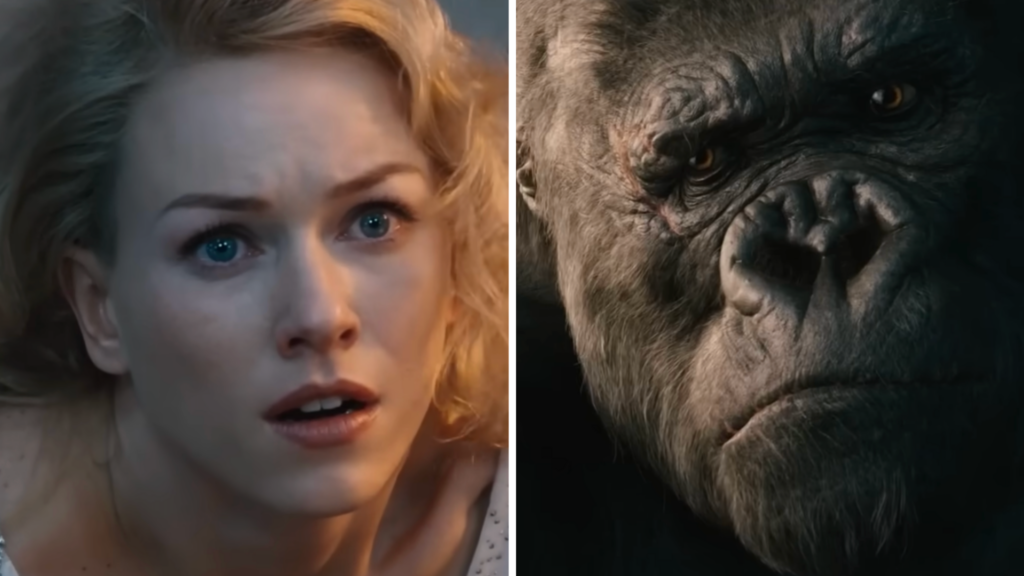
5. A Quiet Sunrise Moment Delivers Pure Visual Poetry
Before the violent plane assault begins, Jackson grants the characters a quiet beat of total tranquility overlooking the New York City skyline. Bathed in golden morning light above the fog, Kong and Ann recreate their peaceful bonding moment from Skull Island. This quiet interlude gives the audience room to breathe and connect emotionally, making the sudden arrival of military gunfire hit ten times harder.
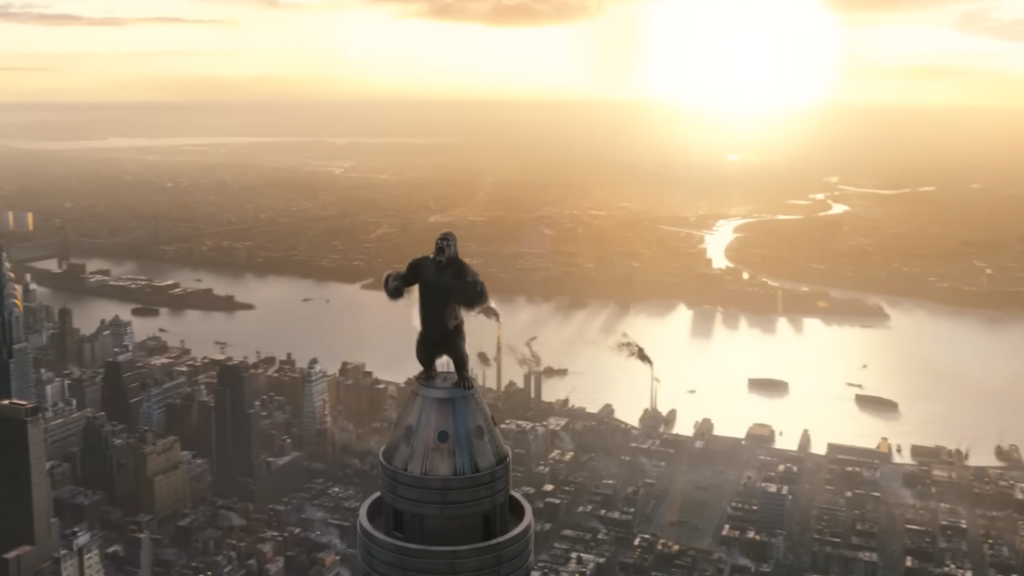
6. The Massive Scale of 1930s New York Feels Terrifyingly Real
While the 1933 film used small cardboard models and basic optical tricks, the 2005 digital artists built a breathtakingly detailed recreation of Depression-era Manhattan. Hanging off the Art Deco spire thousands of feet above the streets feels dizzying, dangerous, and immense. The sheer architectural scale emphasizes how isolated and vulnerable Kong really is against a massive industrial city.
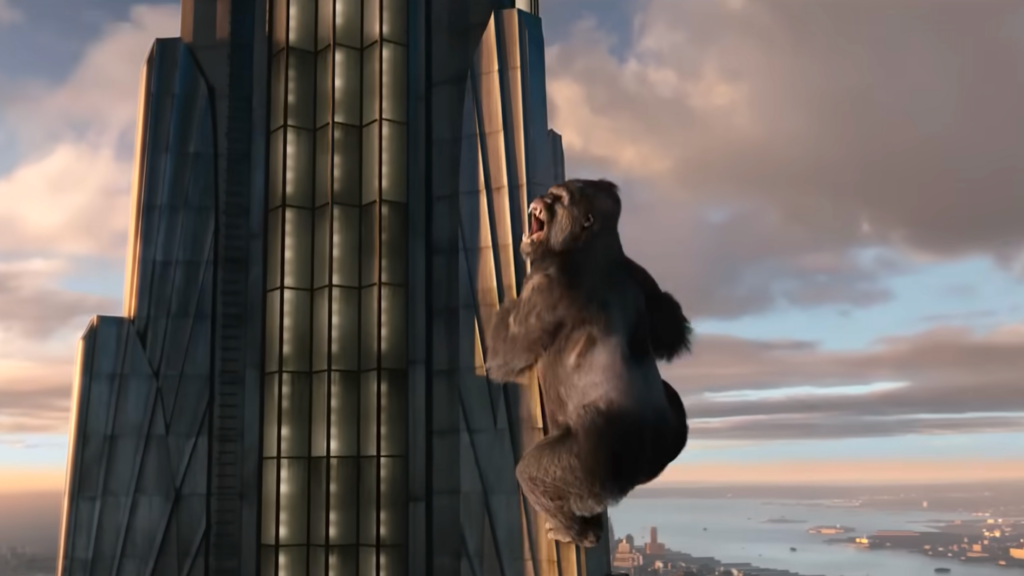
7. Masterful Pacing Builds Unbearable Emotional Tension
The original 1933 finale rushed from the city streets to the top of the tower in a matter of minutes without much dramatic buildup. Jackson takes his time, letting the emotional weight accumulate gradually from the quiet ice skating scene in Central Park to the painful climb up the spire. By the time Kong takes his final breath and slips off the ledge, the audience is left completely heartbroken by the tragedy.
To stream or buy the King Kong (2005) movie, click here: