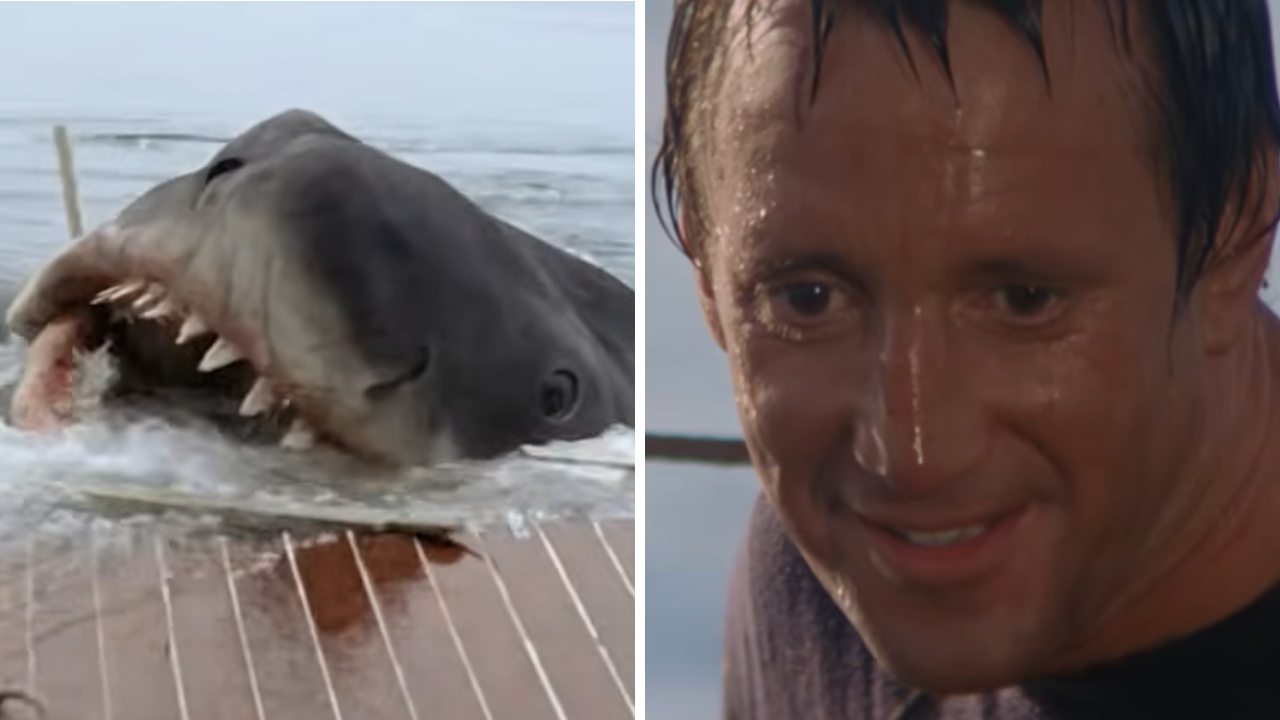
Making Jaws (1974) in that decade meant there was no digital shark waiting to solve the production’s problems later. If Steven Spielberg wanted something in the frame, the crew usually had to build it, rig it, photograph something real, or find a clever way to suggest that it was there.
That led to some wonderfully old-school solutions. The movie used several mechanical sharks, specially chosen stretches of ocean, scale tricks with real great whites, floating barrels, and even a second version of the Orca built specifically to take a beating.
1. The shark was a full-size mechanical creation
The shark audiences see beside the orca was a roughly 24-to-25-foot mechanical creation operated through hydraulics, pneumatics, and other physical controls. Its skin was made from a flexible plastic material and even textured so water would run across it more convincingly. Building something that large was ambitious enough that Spielberg later described Jaws as state-of-the-art for what it attempted physically on the ocean.
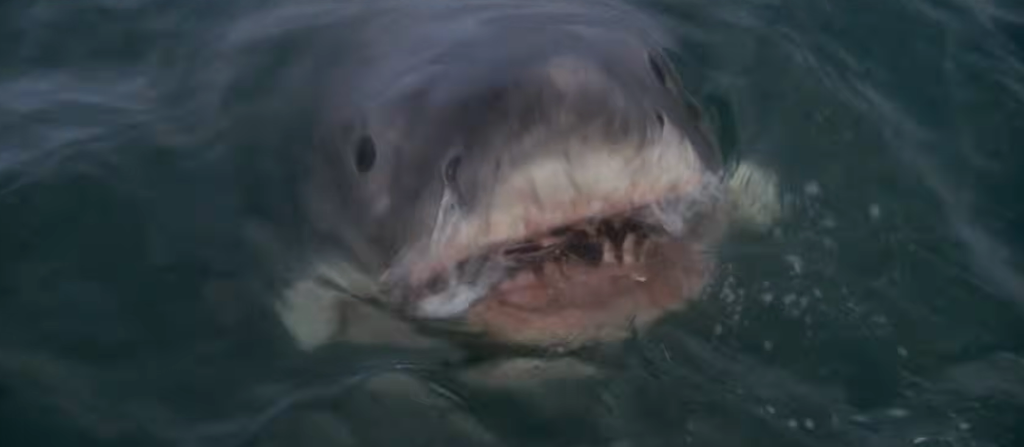
2. They built different sharks for different camera angles
There was not one all-purpose mechanical shark. Three versions were made, with two constructed so they could be photographed moving from opposite sides and a third fully covered version intended for frontal views. That is why the creature could appear from several angles even though each individual rig had fairly specific limitations.
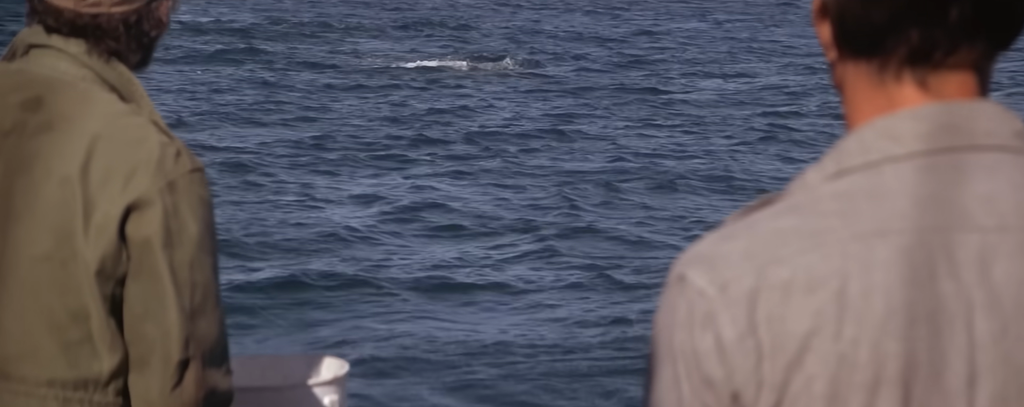
3. Shallow water had to look like the open Atlantic
Spielberg insisted on filming at sea instead of putting the actors in a studio tank, but the shark machinery still needed a seabed shallow enough for its underwater platform. Martha’s Vineyard worked because the water remained relatively shallow far from shore while the camera could still point toward an empty horizon. The result looks like the orca is isolated far out at sea, even though the location had been carefully chosen around the needs of the machinery below.
4. A smaller cage made real sharks look much bigger
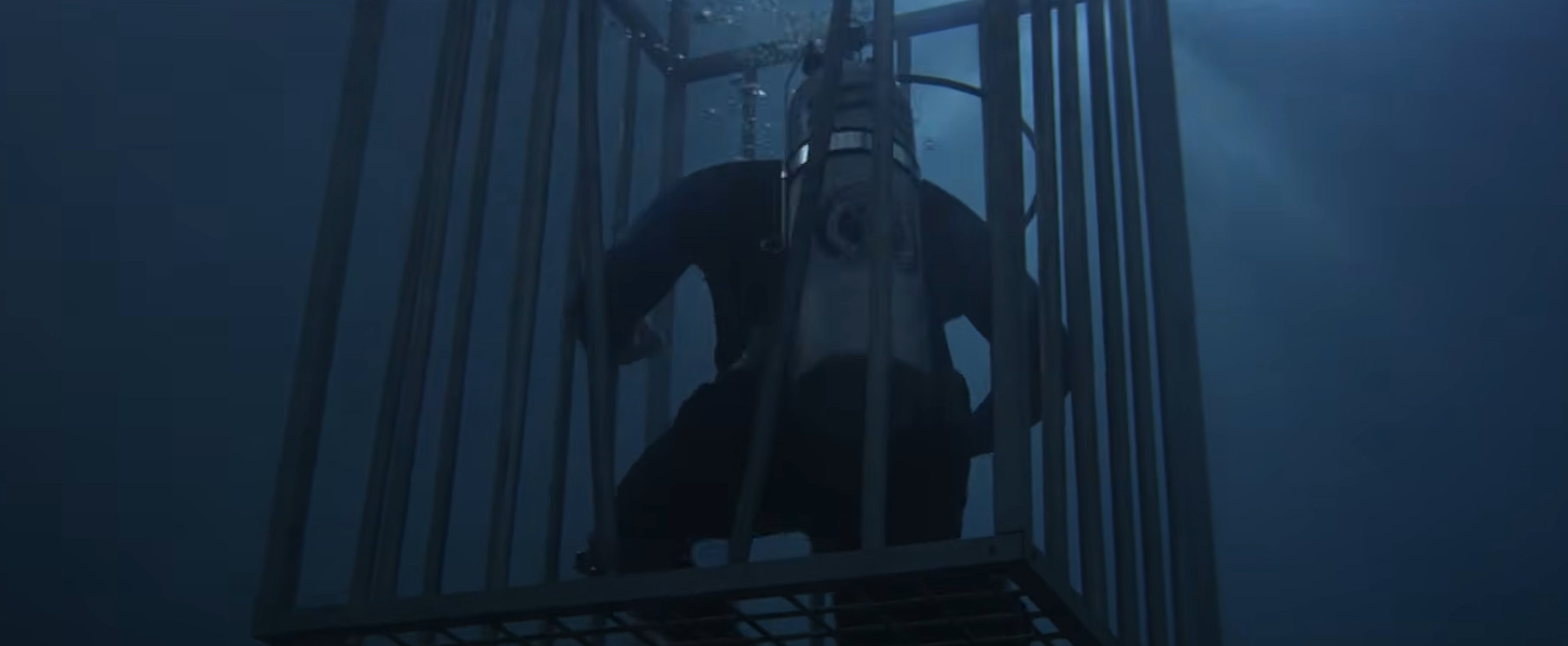
Not every shark in Jaws was mechanical. Ron and Valerie Taylor filmed real great whites in South Australia, but the animals they found were much smaller than Spielberg’s oversized fictional shark. Their solution was forced perspective: use a smaller boat, a reduced-size diving cage, and a particularly short performer so the real animals appeared much larger beside them. Valerie Taylor later recalled that Spielberg’s response to the size problem was essentially to shrink everything around the shark instead.
5. Yellow barrels let Spielberg show the shark without showing it
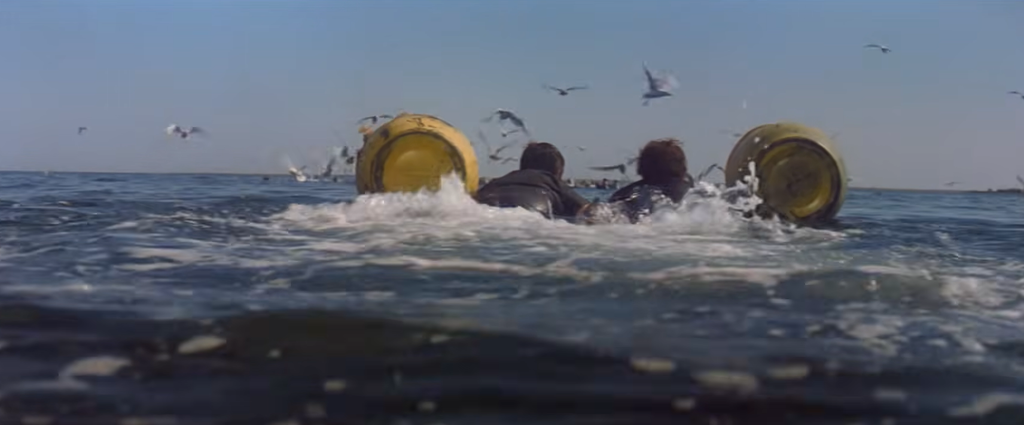
The mechanical shark’s constant problems forced Spielberg to find other ways of keeping the creature present, and the yellow barrels became one of the smartest. Once attached, they race across the surface or suddenly disappear beneath it, giving viewers a clear idea of where the unseen shark is moving. The movie can therefore stage an entire pursuit around a creature that is not actually visible in the frame.
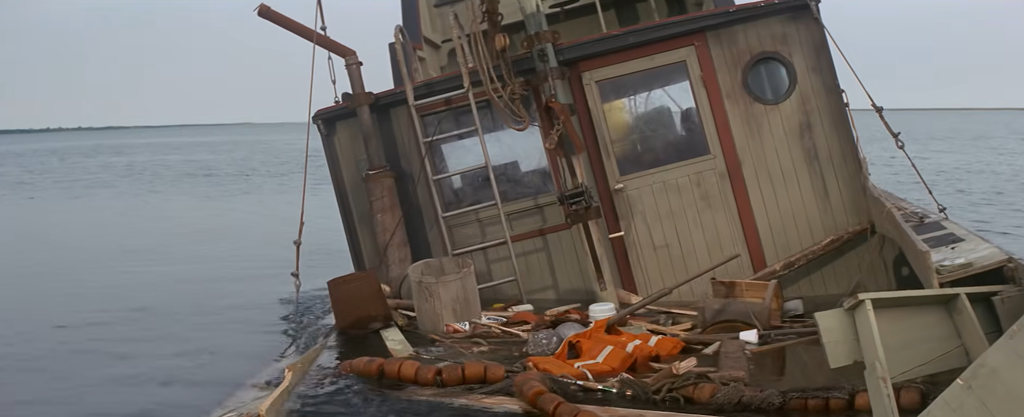
6. A second orca was built to be damaged and sunk
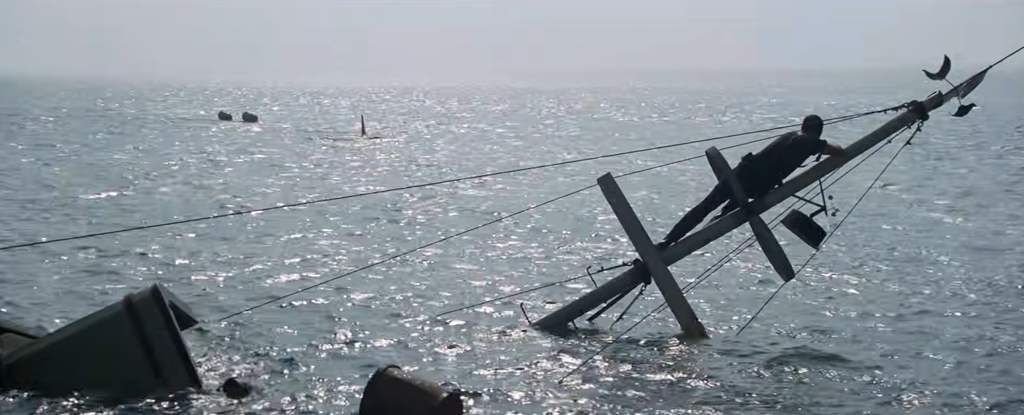
The Orca was not always the same boat either. For the climax, the production used a lighter prop version specifically designed to be damaged and sent under the water. During one complicated take with the mechanical shark, that version became so damaged that it started sinking for real, sending crew members scrambling to save cameras and exposed film.
7. The final shark effect used real practical pyrotechnics
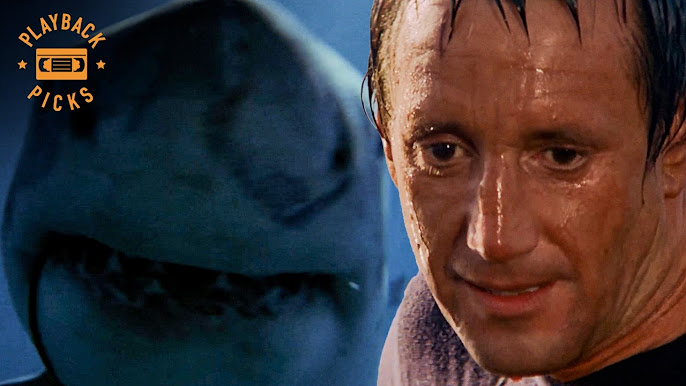
The climax did not rely on a digital replacement for the shark. A local marine specialist with explosives experience was brought to the set and climbed inside the mechanical creature to prepare the practical effect. The crew then coordinated the detonation with Roy Scheider’s performance and filmed the result for the finished sequence, turning the final moment into another complicated physical effect that had to work in front of the cameras.
To Watch or Buy Jaws click here: https://www.amazon.com/Jaws-Roy-Scheider/dp/B008LY5VHE