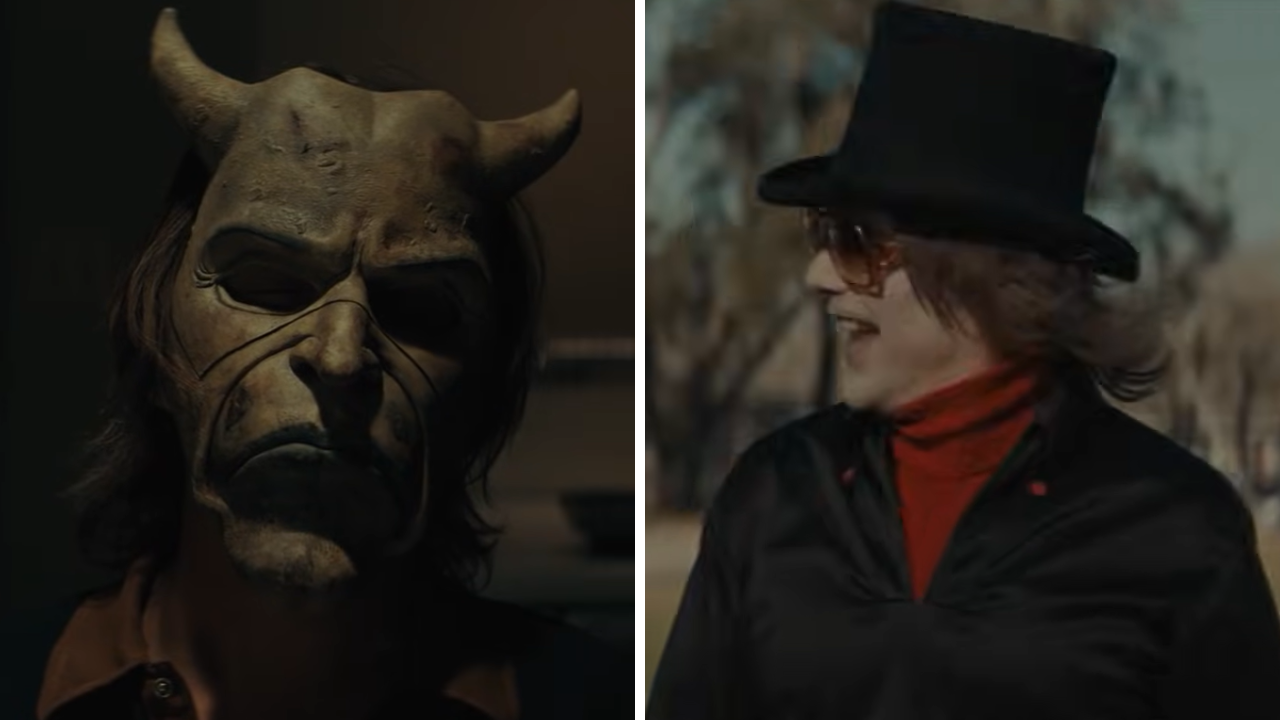
Ethan Hawke spends much of The Black Phone with his face hidden, which sounds like a strange way to use an actor who can do so much with a look. Instead, the mask became one of the reasons his performance as the Grabber is so memorable.
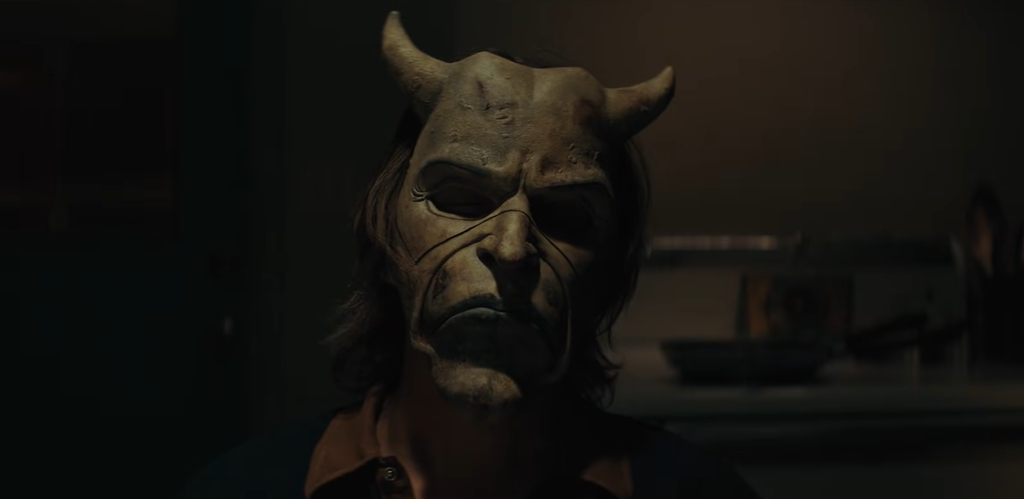
And it is not really one mask at all. Director Scott Derrickson and the effects team built a whole system of expressions that could change with the Grabber’s mood while still leaving just enough of Hawke visible to let him perform underneath it. The story behind that design includes a five-company competition, a nearly century-old silent movie, and far more physical masks than you might expect.
1. Ethan Hawke almost passed on the role
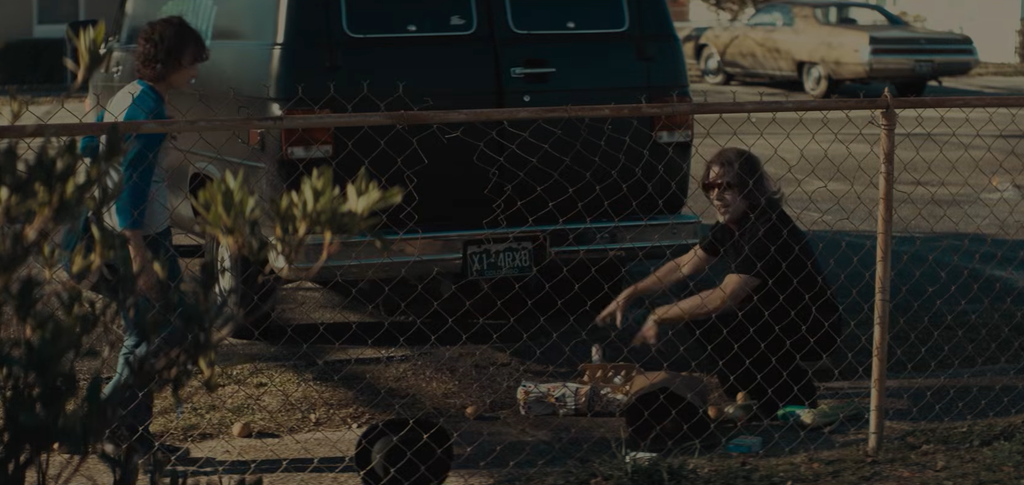
Hawke had worked with Derrickson before on Sinister, but playing the Grabber required something very different. When Derrickson first sent him the script, Hawke pointed out that he generally avoided villains and was not sure he wanted audiences associating him with something this dark.
The mask was part of what made the challenge interesting. After reading the script, Hawke left Derrickson a voicemail already speaking in the Grabber’s voice, which was apparently all the director needed to hear. Instead of worrying about how much of his face would be hidden, Hawke started thinking about how voice and movement could do the work instead.
2. Five different effects companies competed to design it
Derrickson knew the movie would depend heavily on getting the Grabber’s look right, so he did not simply hire the first effects artist available. He asked five different companies to read the concept and come back with their own idea for the mask.
Some returned with elaborate presentations. Tom Savini and Jason Baker’s team sent Derrickson a single pencil sketch drawn by Levi Simpson. Derrickson took one look at it and knew they had found the design. According to him, the sketch was already remarkably close to what eventually appeared on screen.
3. The Grabber was never supposed to have just one face
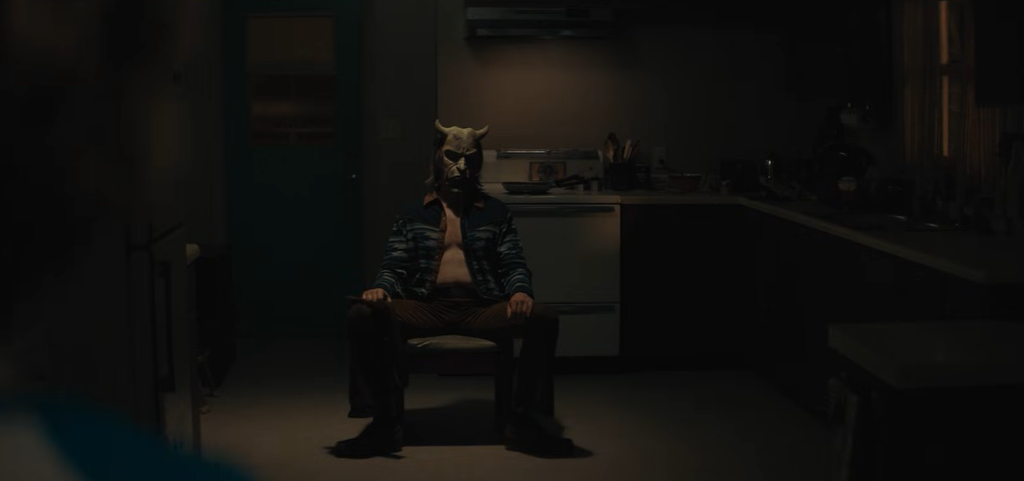
The earliest idea involved a pair of old theatrical masks, one smiling and one frowning, playing off the familiar comedy and tragedy faces. Derrickson then added a third version with no mouth at all, giving the Grabber another expression without Ethan Hawke having to move a muscle.
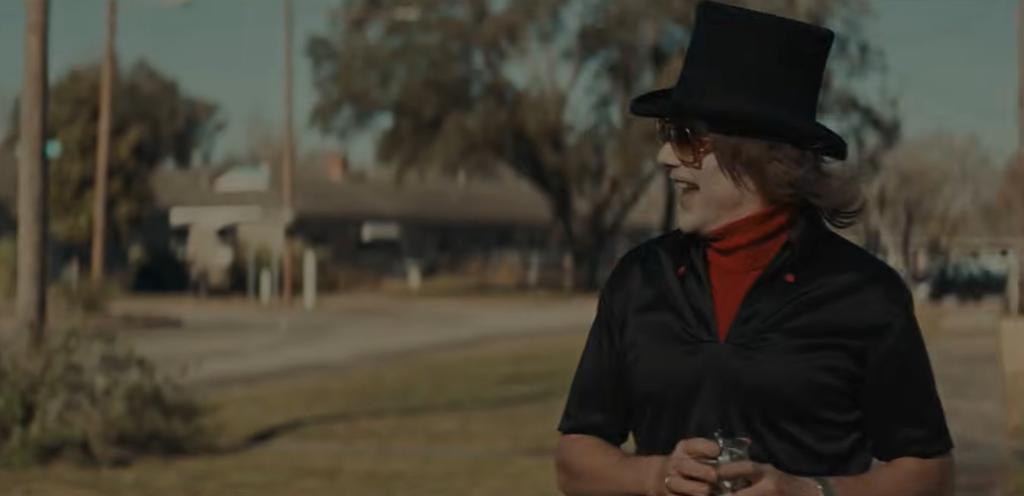
Things became even stranger once Hawke was cast. Derrickson realized he wanted to see more of the actor, so the masks were split into interchangeable upper and lower halves. That meant the Grabber could appear smiling in one moment, frowning in another, or expose part of Hawke’s actual face depending on what he was doing with Finney.
4. The smile owes something to a 1928 silent movie
One of the inspirations behind the Grabber’s stretched grin came from The Man Who Laughs, a 1928 silent film famous for Conrad Veidt’s permanently fixed smile. Derrickson saw something in that exaggerated expression that could be pushed into a much more unsettling direction.
The designers did not stop there. Their reference board also included old circus imagery, Greek masks, antique dolls, and vintage theatrical pieces. The goal was for the Grabber’s masks to feel like strange objects he might have found somewhere, rather than shiny props made especially for him.
5. They made more than 30 masks for Ethan Hawke
What looks like a handful of mask pieces on screen required a surprisingly large collection behind the scenes. Baker estimated that the team produced more than 30, including full versions, separate halves, stunt copies, and duplicates needed during production.
Just as importantly, the design was built around what Hawke could still show through it. Baker has said that being able to see his eyes was especially important because the audience can watch the Grabber thinking even when most of his expression is hidden. Hawke responded by making the rest of his performance bigger through his posture, movement, and voice.
To Watch or Buy The Black Phone click here: https://www.amazon.com/Black-Phone-Ethan-Hawke/dp/B0B5W3GQH8