Few images can transport you to another era quite like Downton Abbey. Set in England in 1927, the film opens the doors to a world of luxury and ceremony, where an evening at home could still feel like an event and appearance came with its own set of rules.
Costume designer Anna Robbins has explained how the fashions of the period reflected a society moving away from the rigid silhouettes of earlier decades, with straighter shapes, shorter hemlines, and clothing designed for greater freedom of movement. The result is a world that looks luxurious but also feels on the verge of becoming something new.
1. Tiaras Were Still Part of Evening Elegance
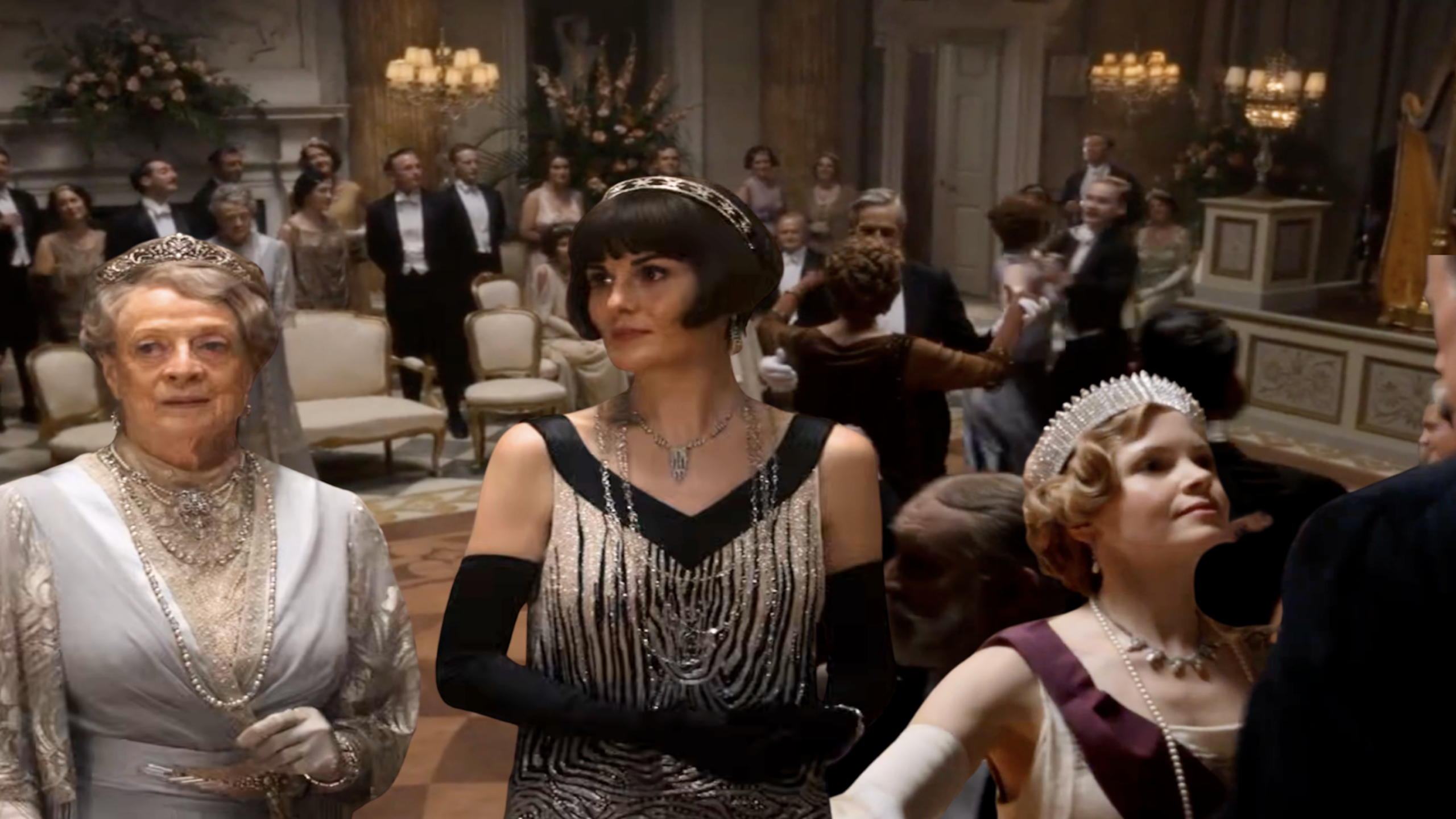
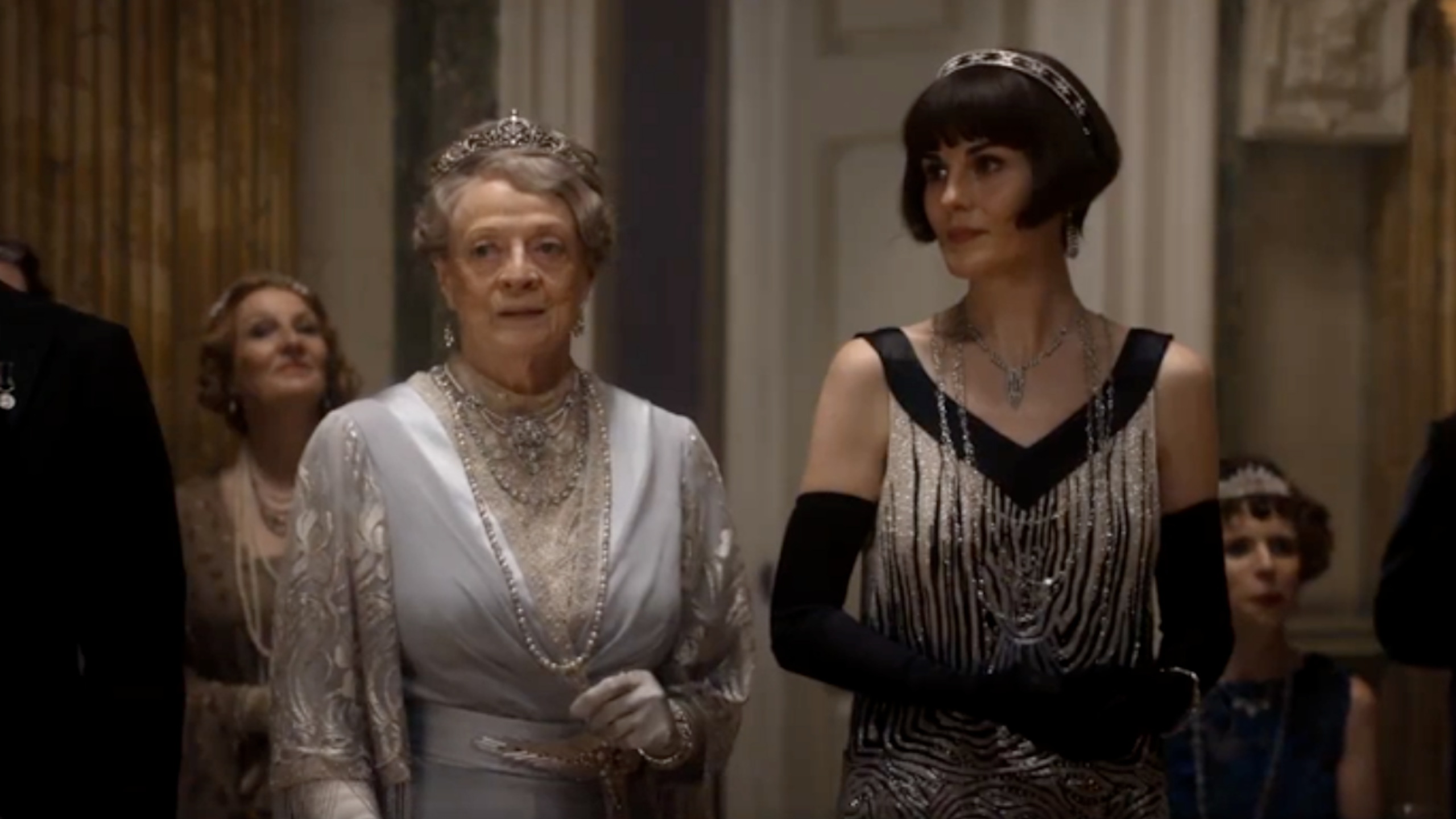
Violet and Mary are dressed in elaborate gowns and layers of jewelry, topped with tiaras that would look almost unthinkable at a formal event today. The details were also historically grounded: costume designer Anna Robbins worked with antique pieces, including Violet’s Victorian tiara, which contained about 16.5 carats of diamonds, while Mary wore a more graphic bandeau-style tiara suited to the changing look of the 1920s.
2. A Ballroom Built for Elegance and Spectacle
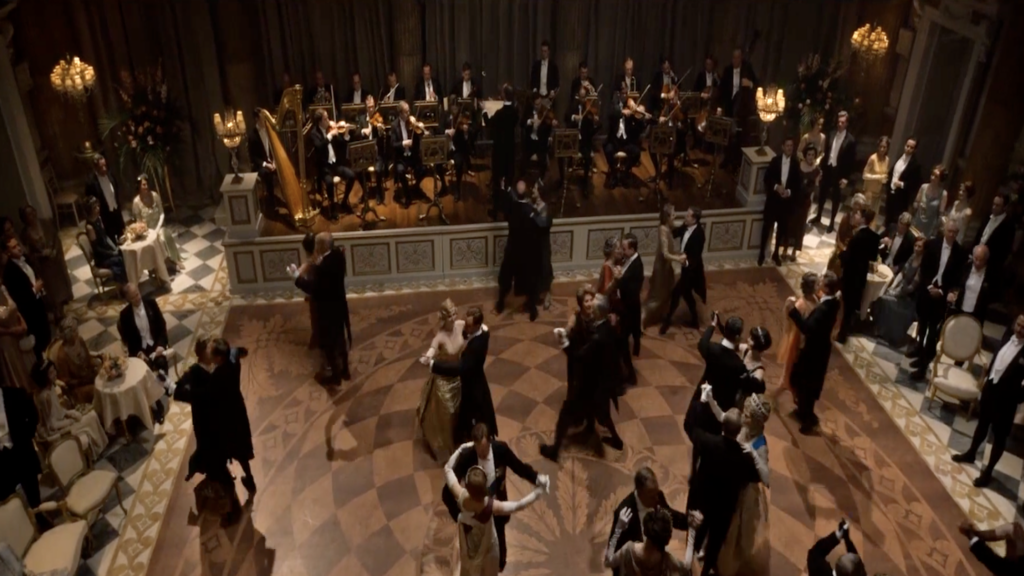
The ballroom scene shows Downton Abbey at its most luxurious, with couples dancing beneath chandeliers while a full orchestra fills the room. The setting was created at Wentworth Woodhouse in northern England, whose ballroom had fallen into disrepair before the production restored it for the film. The scale of the space, the formal dance, and the evening clothes all reflect a time when an important night out could become a carefully staged social occasion. For a 1927 audience, a ballroom like this was not simply a setting for a party but a place where status, manners, and elegance were all on display.
3. Jewelry Was Part of the Formal Dress Code
The tiaras and layers of jewelry in this scene are not simply there to make the women look glamorous. For women of this social class, formal occasions could still involve elaborate jewelry, gloves, and carefully coordinated evening clothes. The contrast between Violet’s more traditional look and Mary’s geometric 1920s style also reflects the changing fashion of the period, when older Edwardian influences were giving way to the straighter silhouettes of the new decade.
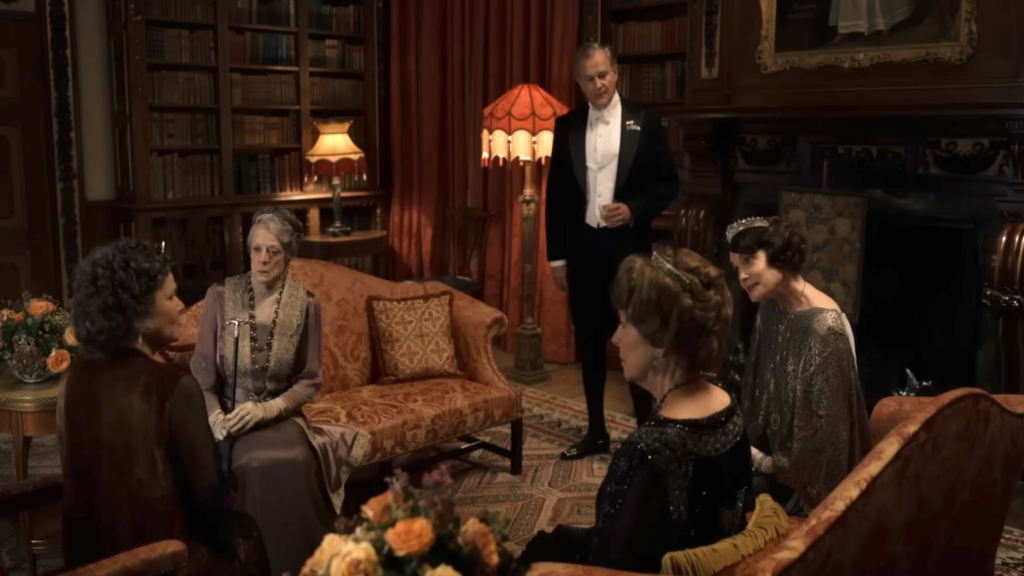
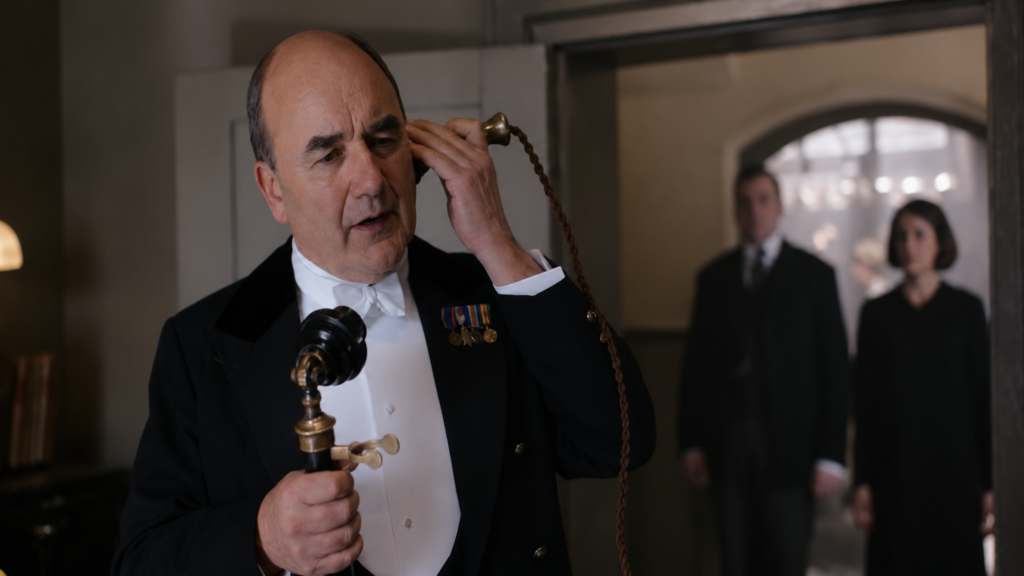
4. A Glimpse of 1927’s New Technology
A telephone like this feels almost theatrical today, but in 1927 it was still a relatively modern presence inside a wealthy English home. The candlestick design shown here was a standard telephone style of the period, with a separate receiver and mouthpiece that required the caller to hold the phone in place rather than simply picking up a handset. The London Museum even has a 1927 example of the same style.
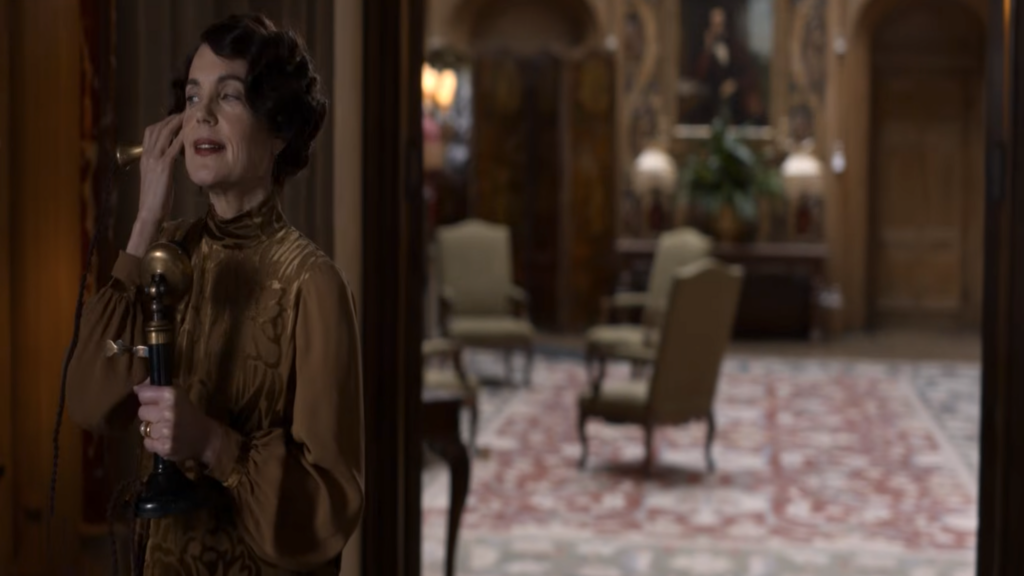
5. An Ordinary Day Called for a Touch of Elegance
In 1927, dressing well was not reserved for a ballroom or special occasion; it was part of everyday public life. The horse-drawn carriage, stone houses, and neatly dressed pedestrians in the background add to the feeling of an England where elegance was built into the streets themselves.
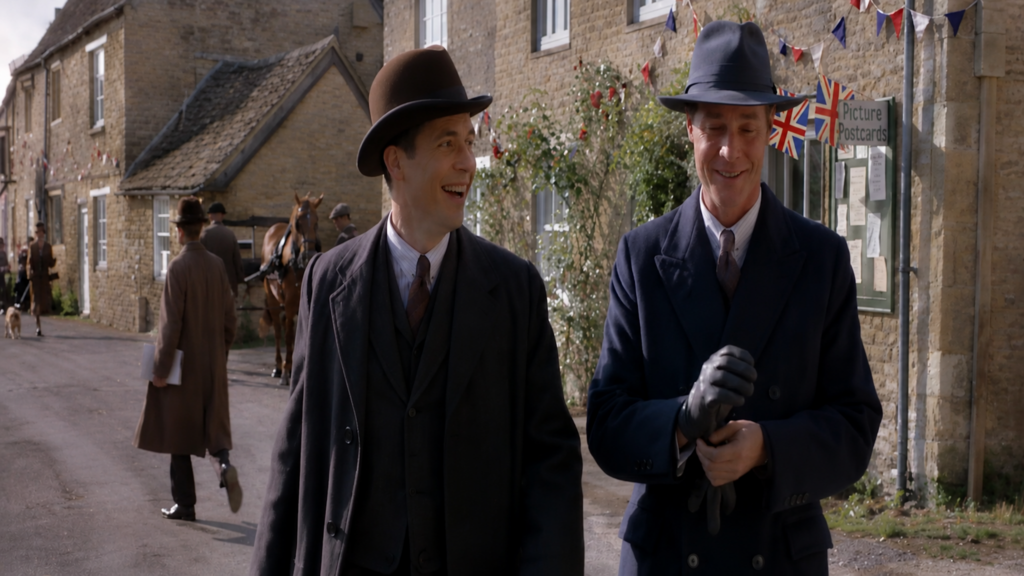
6. House or Castle?
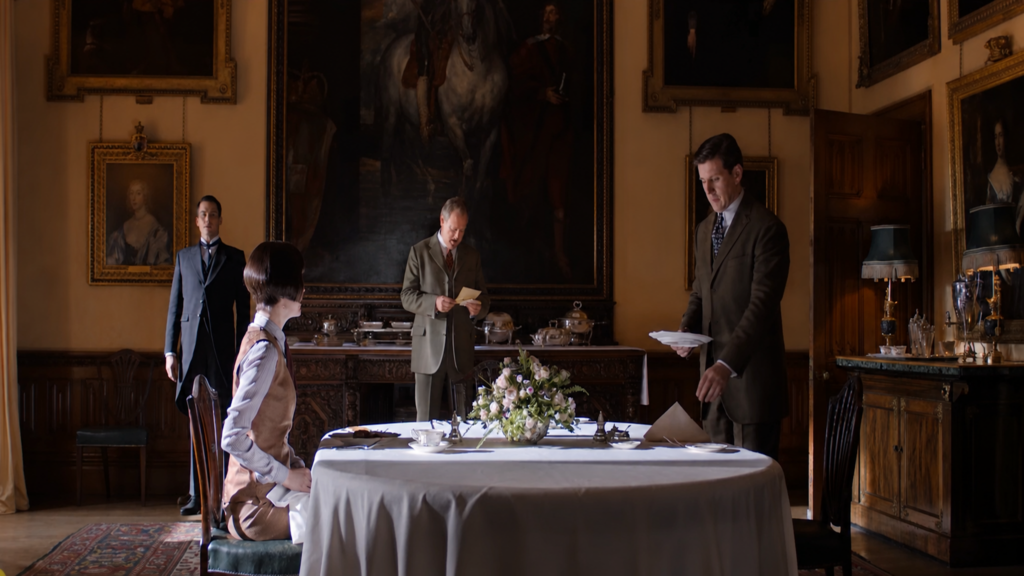
The grand rooms, huge portraits, chandeliers, and endless hallways make Downton feel almost more like a castle than a family home. For the people living there, this was simply everyday life. For us, it feels like another world.
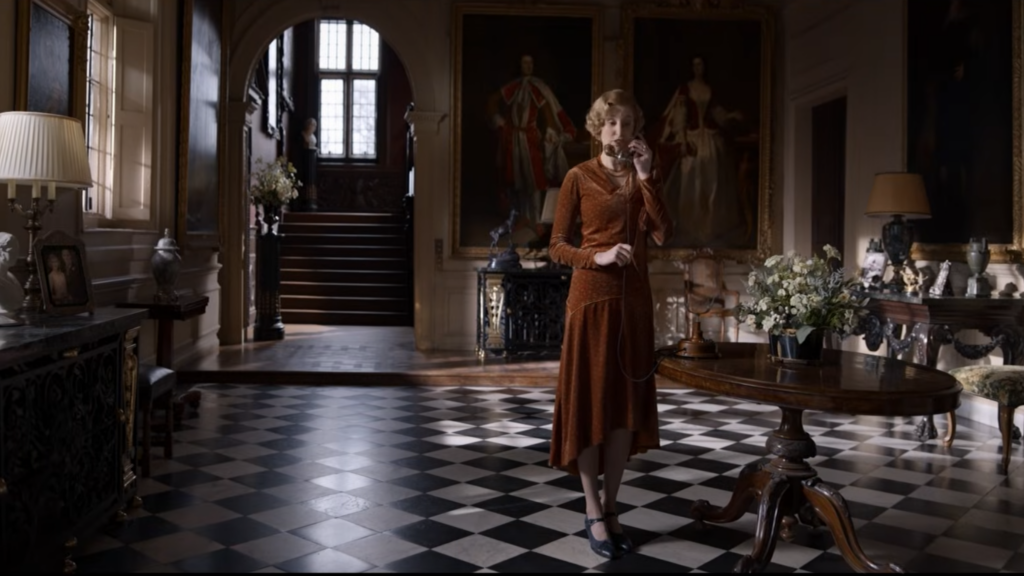
7. Even Answering the Phone Called for Formal Dress
Taking a call meant dressing the part: a tuxedo, medals on the chest, and a period telephone with its separate receiver and mouthpiece. It is a small detail, but one that instantly brings the formal world of 1927 to life.
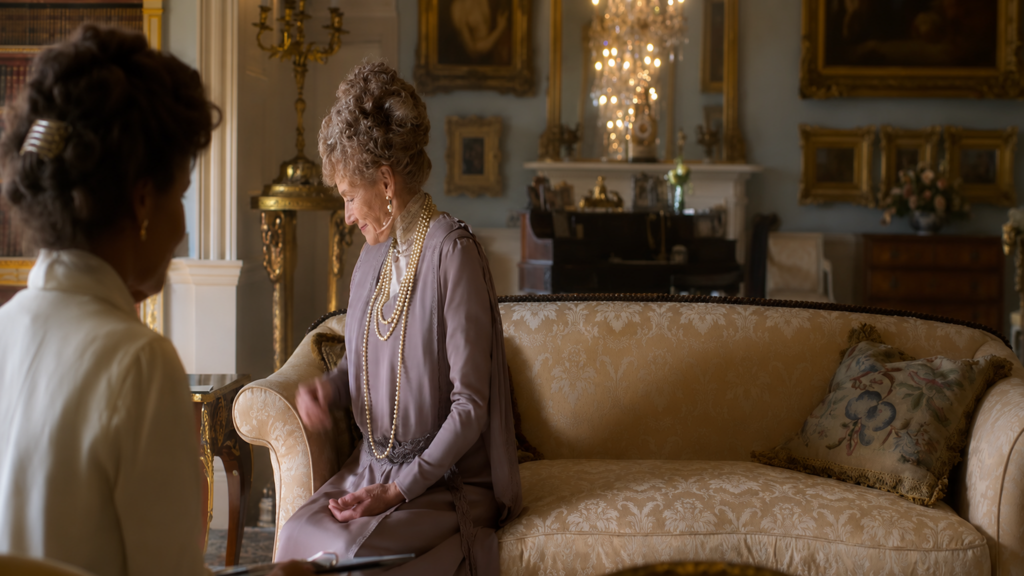
8. Pearls Were a Girl’s Best Friend
Long strands of pearls were everywhere in 1920s fashion, and this look shows just how much they could define an outfit. Worn in layers with an elegant dress, the pearls become almost as important as the gown itself, while the gold details and ornate living room reinforce the same taste for luxury that shaped the world of Downton Abbey.
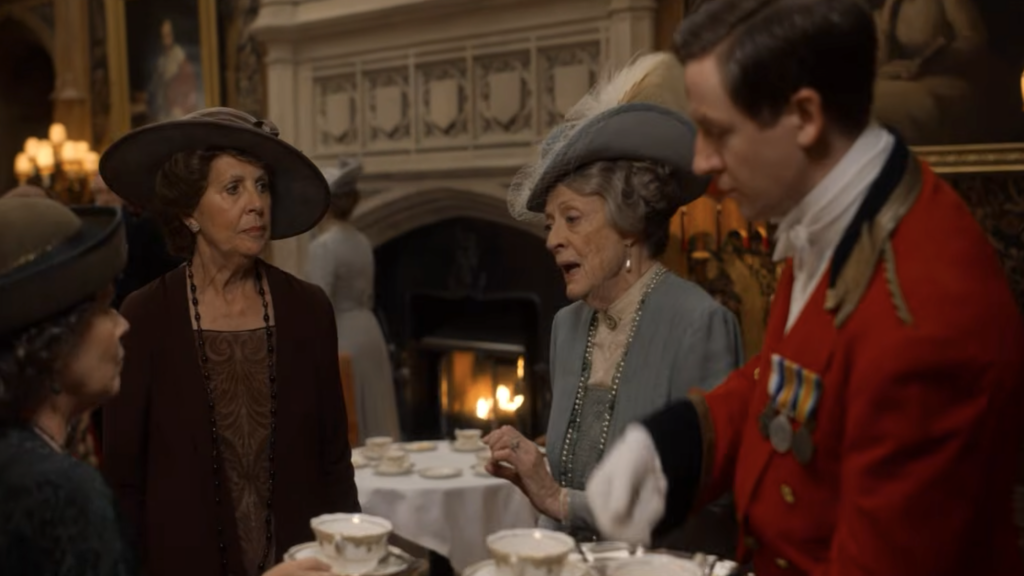
9. Tea Time Was a Social Occasion
Tea was not simply a drink in this world but part of the ritual of spending time with friends and guests. The formal dresses, hats, jewelry, and gloves turn an ordinary cup of tea into a carefully dressed social moment, while the servant quietly attending to the table reinforces the strict etiquette and class structure of 1927 England.
10. My House Is a Museum
Portraits, gilded frames, and inherited works of art filled rooms such as these, turning the home into something closer to a private museum than the living rooms we know today. The real Highclere Castle, where many of Downton Abbey’s interiors were filmed, has an extensive collection of historic paintings, including works by Van Dyck and other Old Masters.