Halloween is right around the corner, and horror movies are having a major moment. From packed theaters to big box office numbers, audiences are showing up for scary movies in a big way, and the genre has become one of the safest bets for a night at the movies. But the way we create fear has changed dramatically. Today, CGI, digital effects, and new technology can bring almost anything to the screen.
Before all of that, filmmakers had to get creative with practical effects, makeup, puppets, costumes, trained animals, and plenty of movie magic. Some of the most iconic horror moments in history were built with techniques that still look incredible decades later. So, with spooky season just around the corner, here are five classic horror movies worth revisiting this Halloween and a look at the tricks that helped make them unforgettable.
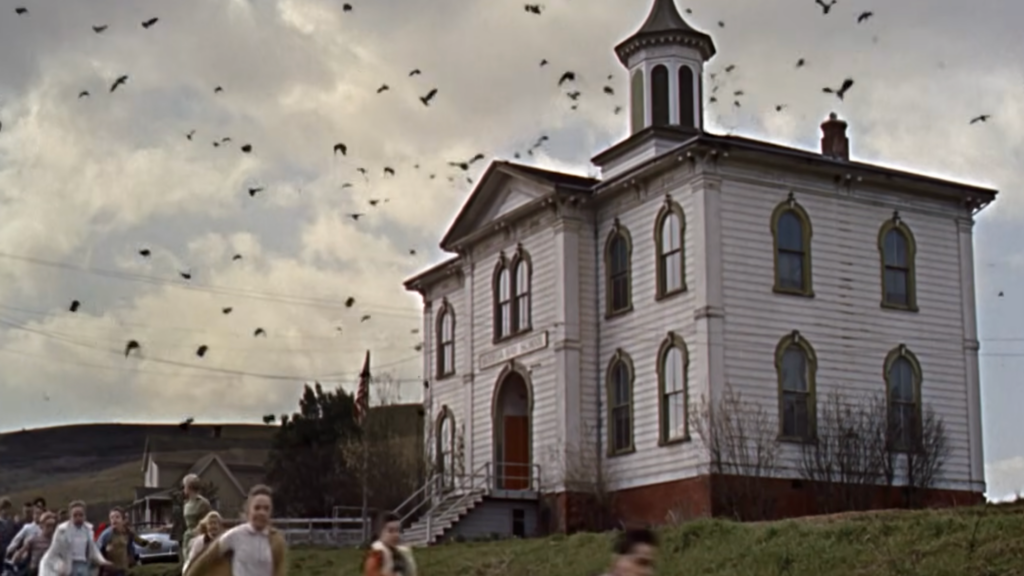
1. The Birds (1963), Alfred Hitchcock’s Classic
Few directors shaped the language of horror like Alfred Hitchcock. Known as the “Master of Suspense,” he had already changed the genre with Psycho just three years earlier, but The Birds took a different approach by turning something completely ordinary into a source of terror.
The production itself was almost as wild as the movie. Around 3,200 birds were reportedly trained for the film, with Hitchcock considering ravens the smartest and seagulls the most vicious. Even more unusual, there was no traditional musical score. Instead, manipulated bird sounds and silence created much of the tension, proving that Hitchcock could make something as familiar as a flock of birds feel genuinely terrifying.
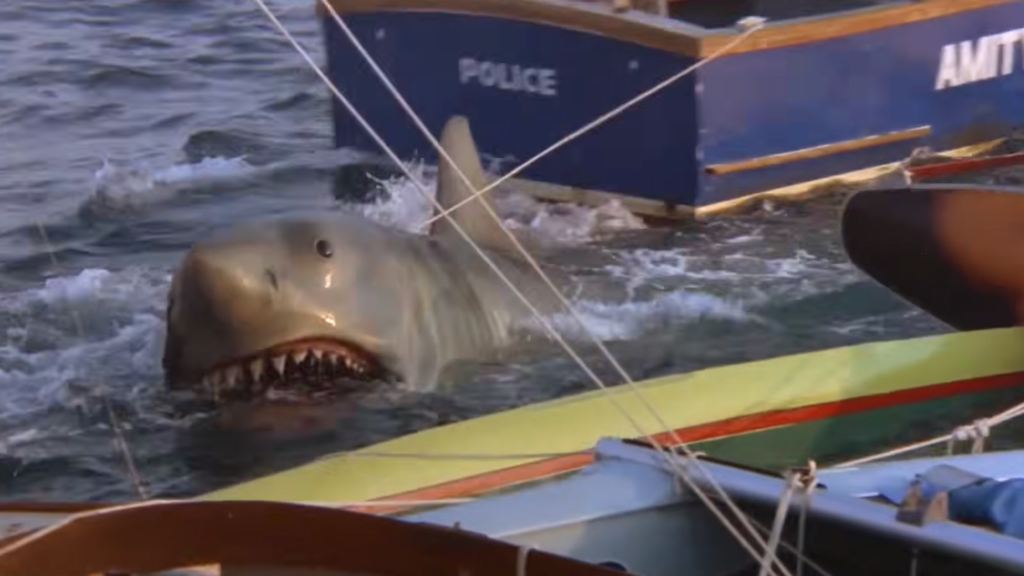
2. Jaws 2 (1978), When the Shark Came Back
Jaws had already changed Hollywood by turning a summer shark movie into one of the biggest blockbusters ever, and its sequel showed just how powerful that formula had become. Released in 1978, Jaws 2 brought back Roy Scheider, Lorraine Gary, and Murray Hamilton, putting audiences back on Amity Island and proving that the fear of going back into the water was not going away anytime soon.
The sequel also has a pretty wild piece of movie history behind it. Spielberg was initially considered to direct but ultimately walked away from the project. Jaws 2 went on to become the highest-grossing sequel in history at the time, earning more than $208 million worldwide. And its famous tagline, “Just when you thought it was safe to go back in the water,” became one of the most recognizable taglines in movie history.
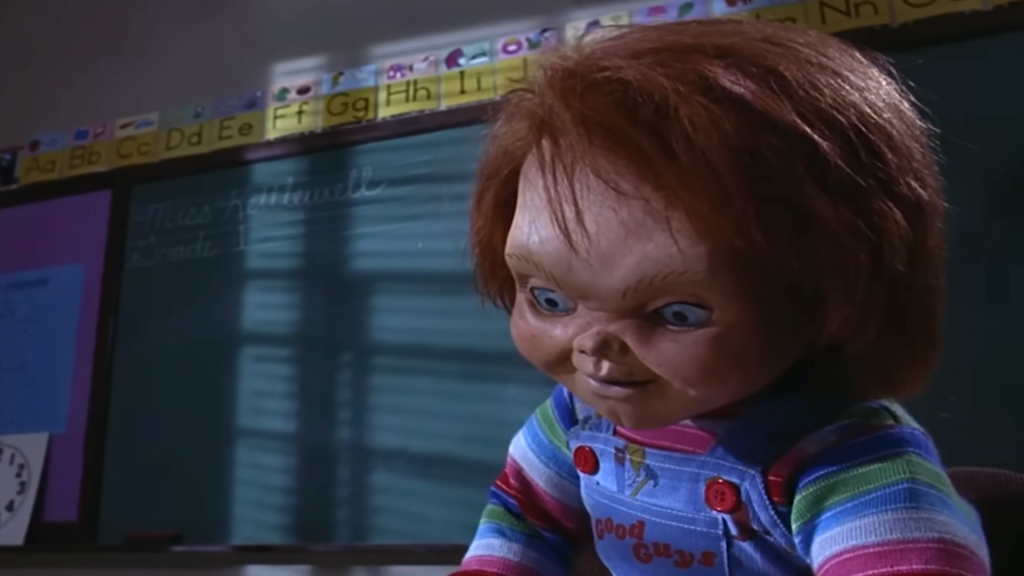
3. The Toy From Hell
Child’s Play 2 arrived in 1990, when Chucky was already becoming one of horror’s most recognizable villains. The idea was simple and brilliant: take something designed to make children happy and turn it into a nightmare. The sequel brought back Andy Barclay and Brad Dourif as the voice of Chucky, while Universal distributed the film after the original studio backed away from the project. It went on to make more than $35 million worldwide on a budget of roughly $13 million.
The most impressive part may be how real Chucky looked on screen. The production used three different versions of the doll, including a full-body animatronic Chucky operated by nine puppeteers working together with joysticks. For his dialogue, Dourif recorded his lines in advance, and Chucky’s face was filmed at 18 frames per second to give the puppeteers more time to match his facial movements to the voice. That is a lot of work for one very bad toy.
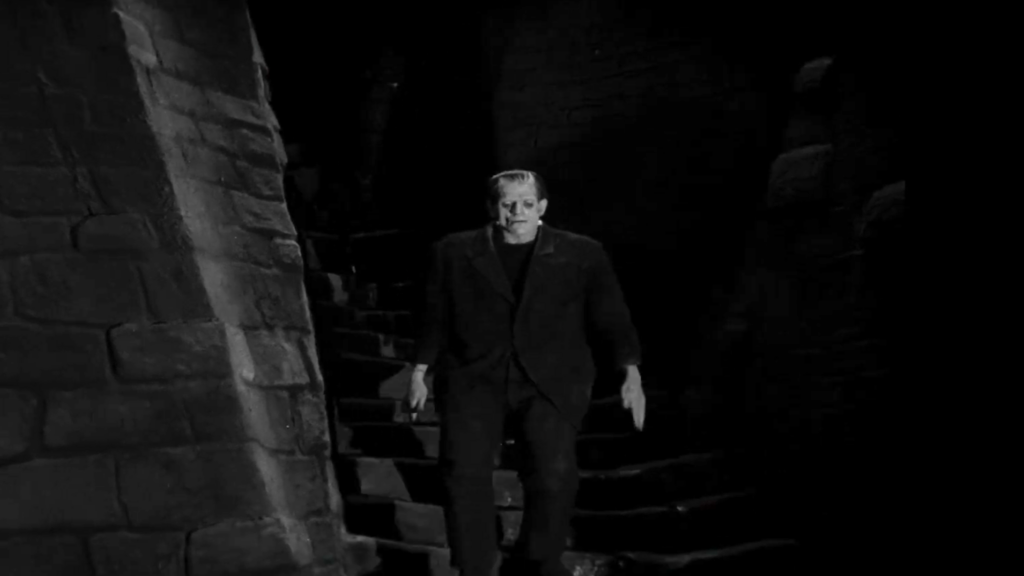
4. Frankenstein (1931), The Monster That Became an Icon
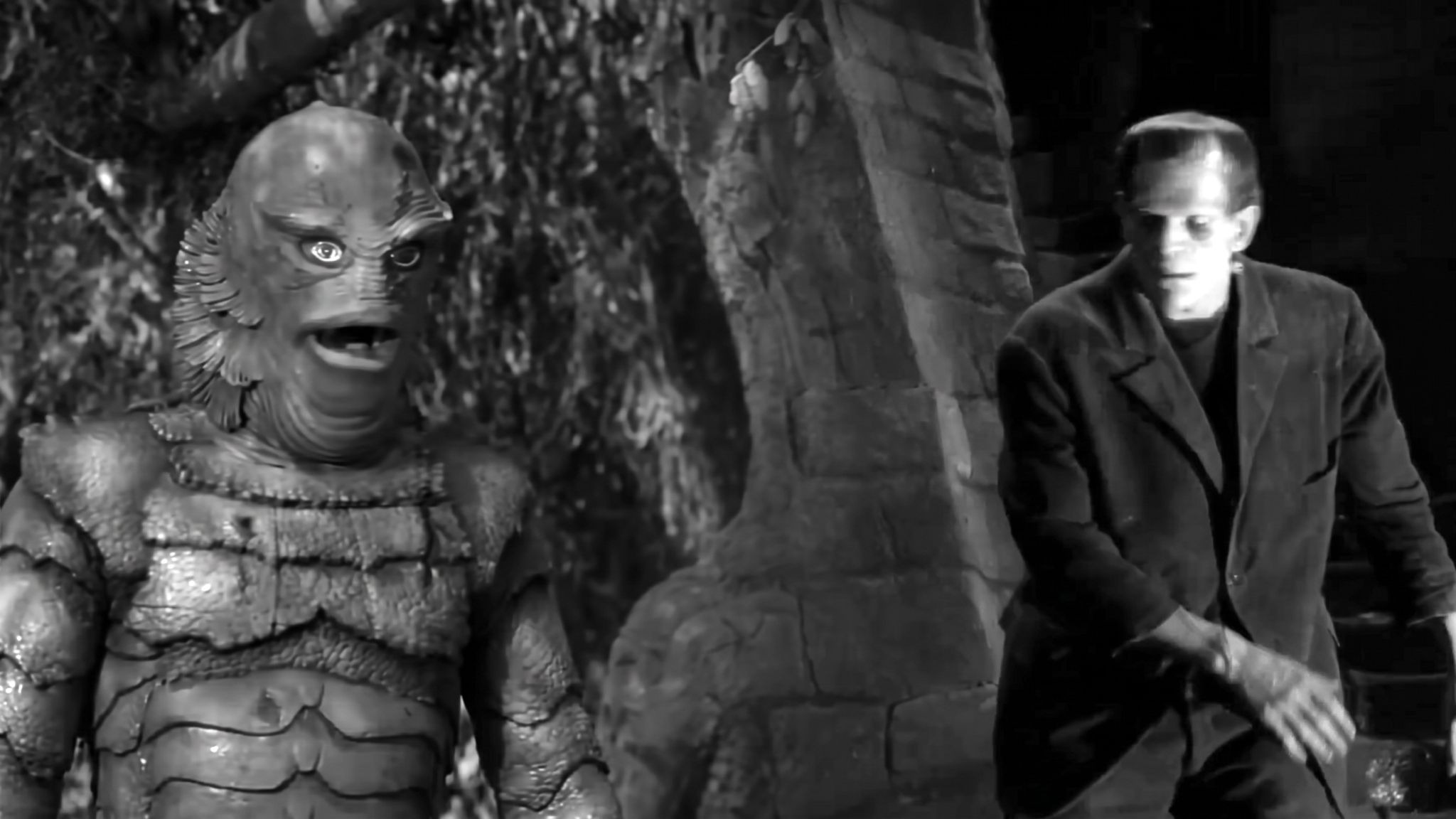
When Frankenstein arrived in 1931, Universal was already building its reputation as the home of horror after the success of Dracula. But James Whale’s film took things even further. Boris Karloff’s Monster became one of the most recognizable figures in movie history, and the flathead, neck bolts, and heavy boots created an image that would be copied, parodied, and reimagined for generations. The film helped establish Universal’s legendary monster cycle and turned Frankenstein into a permanent part of popular culture.
There are some great details behind that iconic look. Makeup artist Jack Pierce spent months researching how to create the Monster and reportedly took around five hours every day to apply Karloff’s makeup. Karloff also wore heavy platform boots and steel supports that helped create his famous walk. And in one of the movie’s most interesting pieces of history, Karloff was initially left unnamed in the opening credits, where his name was replaced by a question mark.
5. Creature from the Black Lagoon (1954), Universal’s Creature Feature
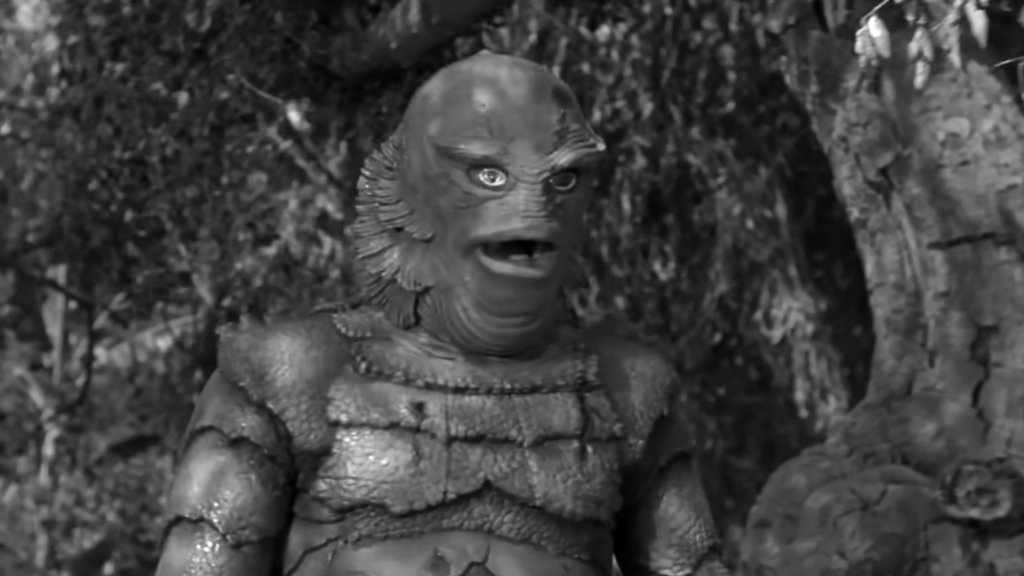
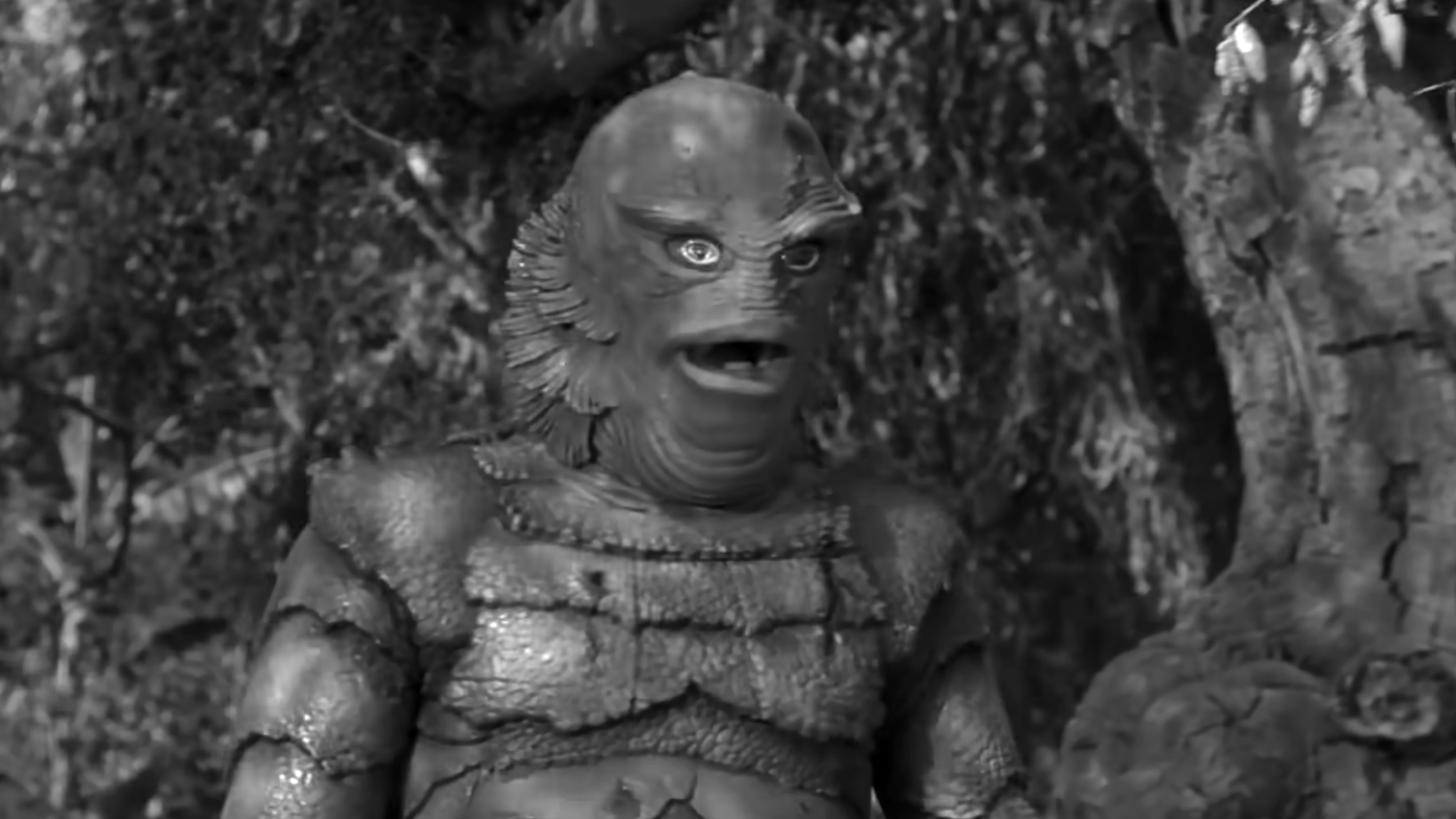
Creature from the Black Lagoon arrived in 1954 as one of Universal’s great monster movies and introduced the Gill Man, a creature that would become one of the studio’s most recognizable horror icons. It was also part of Hollywood’s 3D boom, with Universal promoting it as a major 3D attraction at a time when studios were looking for new ways to get audiences into theaters.
The Creature itself has a fascinating story behind it. Two actors played the monster: Ben Chapman handled the scenes on land, while professional swimmer Ricou Browning performed the underwater sequences, sometimes holding his breath for several minutes at a time. Even the costume was a major production challenge, with Chapman reportedly spending long hours inside the hot suit.