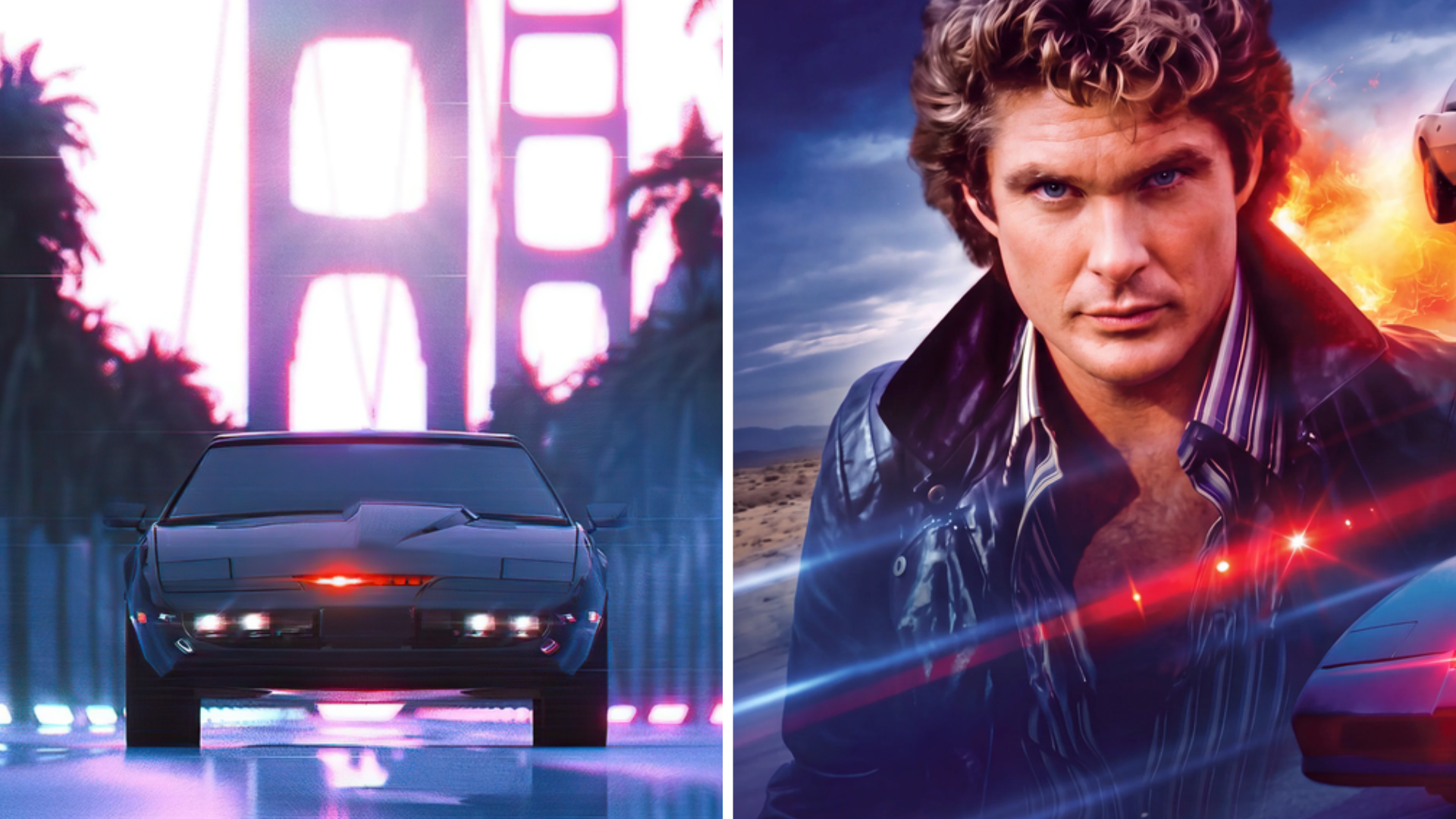
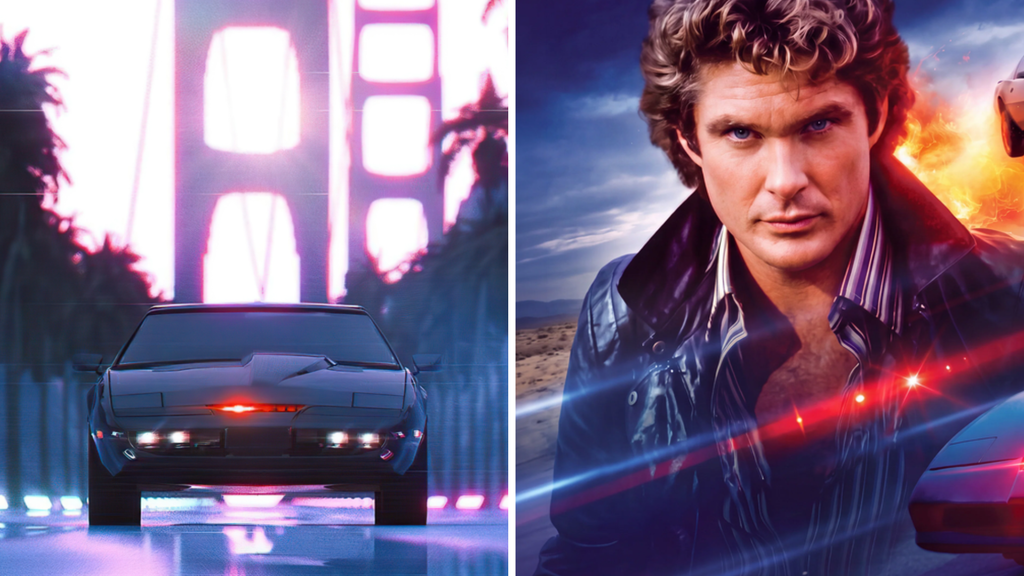
When Knight Rider premiered in 1982, the idea of a car that could talk, think, navigate, communicate, and drive itself still belonged firmly to science fiction. The series mixed that fascination with new technology with practical car stunts, synthesizer music, highway action, and a hero who could wander from town to town solving problems. Many of KITT’s abilities eventually became less far-fetched, but the way the show imagined the future remains unmistakably tied to the 1980s. These 18 details help explain why.
1. KITT Started With a Brand-New Trans Am
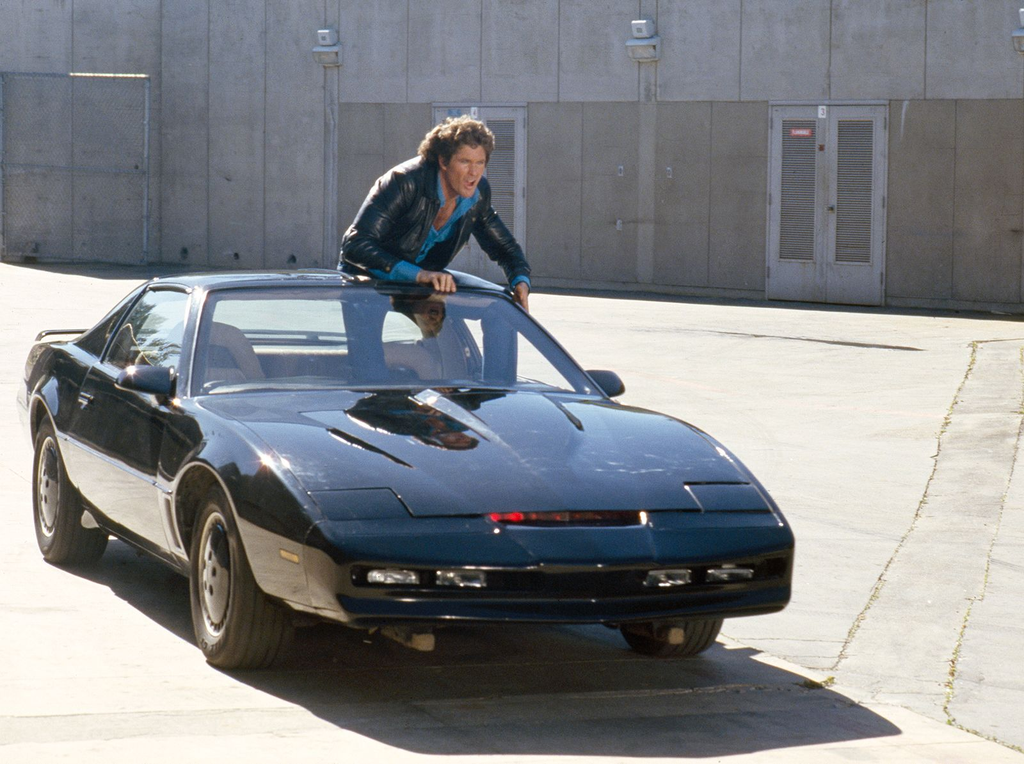
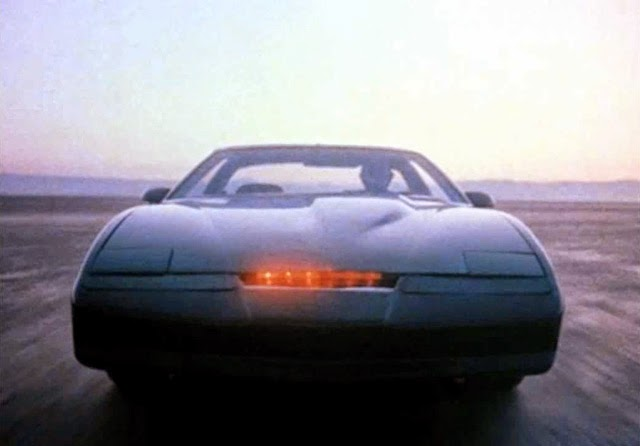
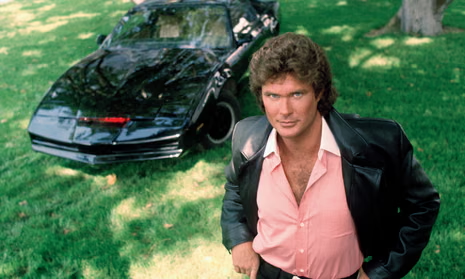
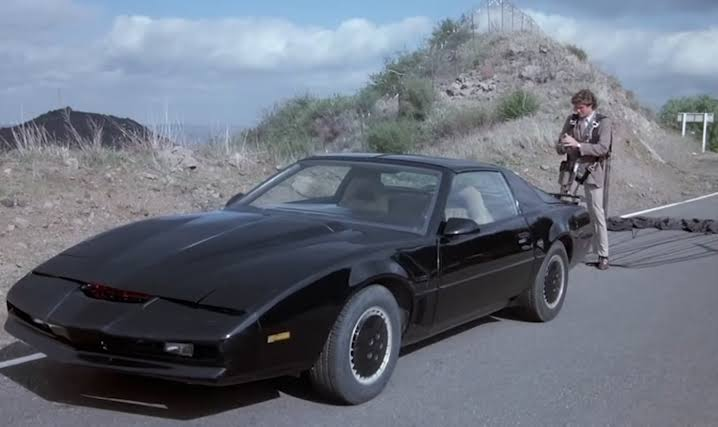
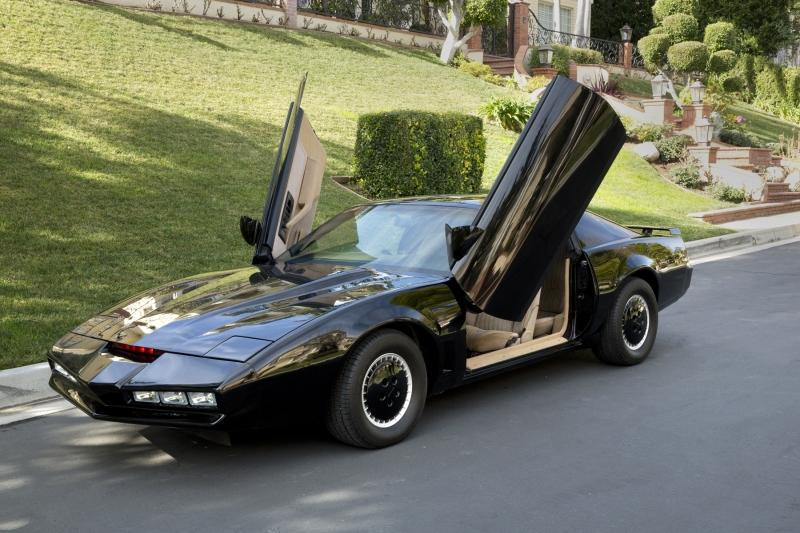
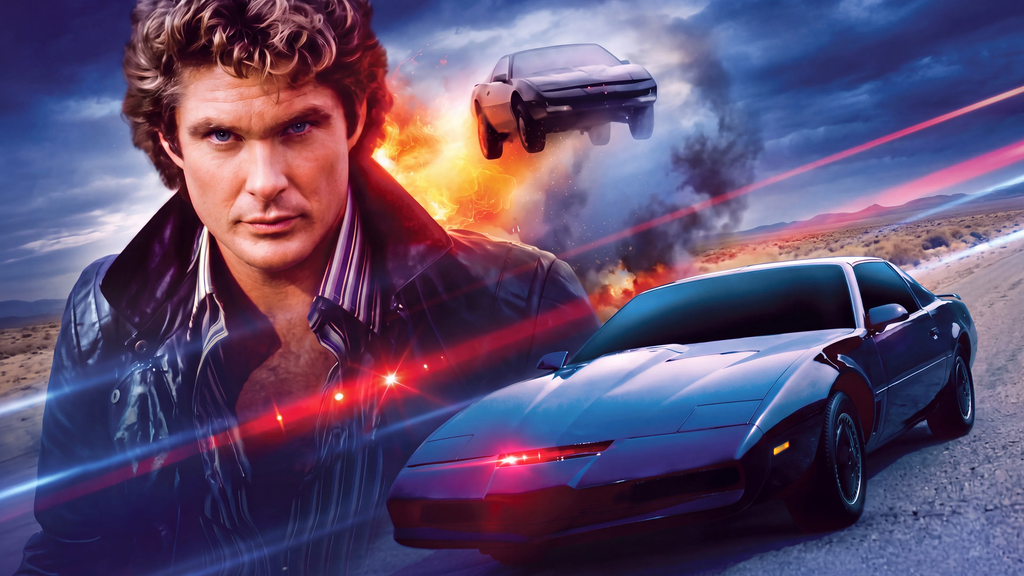
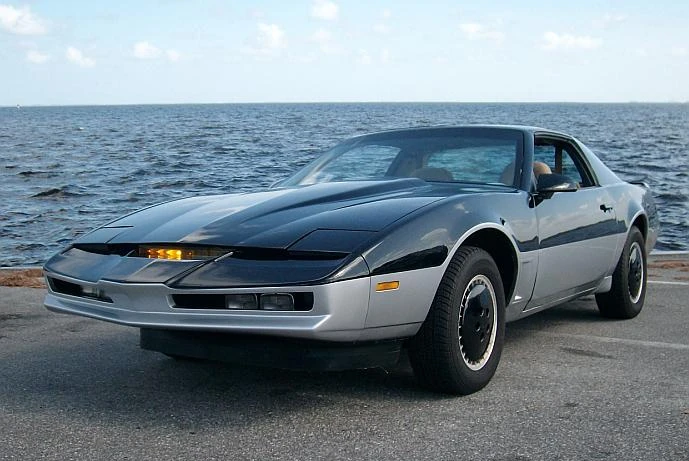
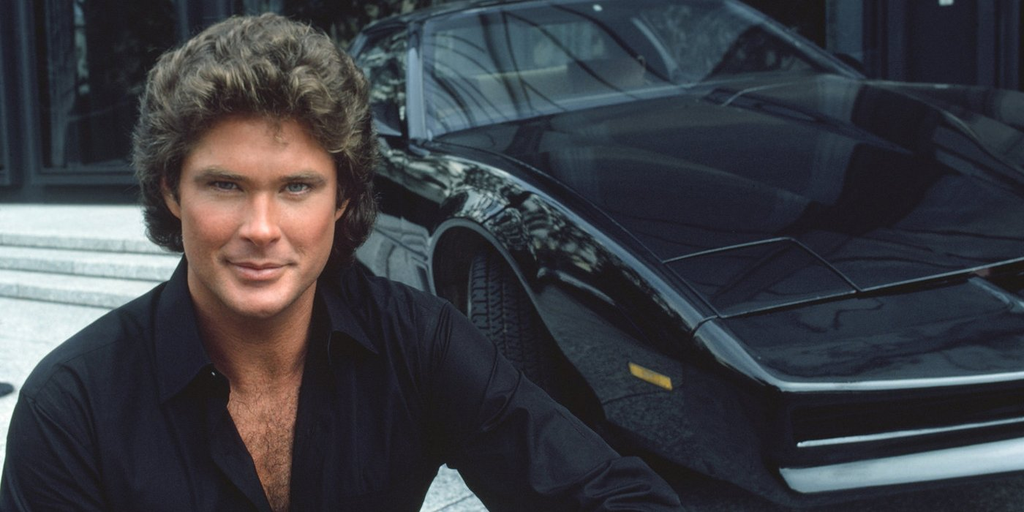
The third-generation Pontiac Firebird had only just arrived when Knight Rider put a modified black 1982 Trans Am at the center of the show. Pontiac supplied three newly built cars for the pilot, giving television audiences a futuristic machine based on something they could actually see at a dealership.
2. A Talking Car Still Felt Like Science Fiction
KITT was not simply a vehicle with a computer installed in it; he could reason with Michael, make jokes, question his decisions, and develop opinions of his own. The idea worked because personal computing was still new enough that giving a car an intelligent personality felt like a genuine glimpse of what might come next.
3. The Car Could Drive Itself
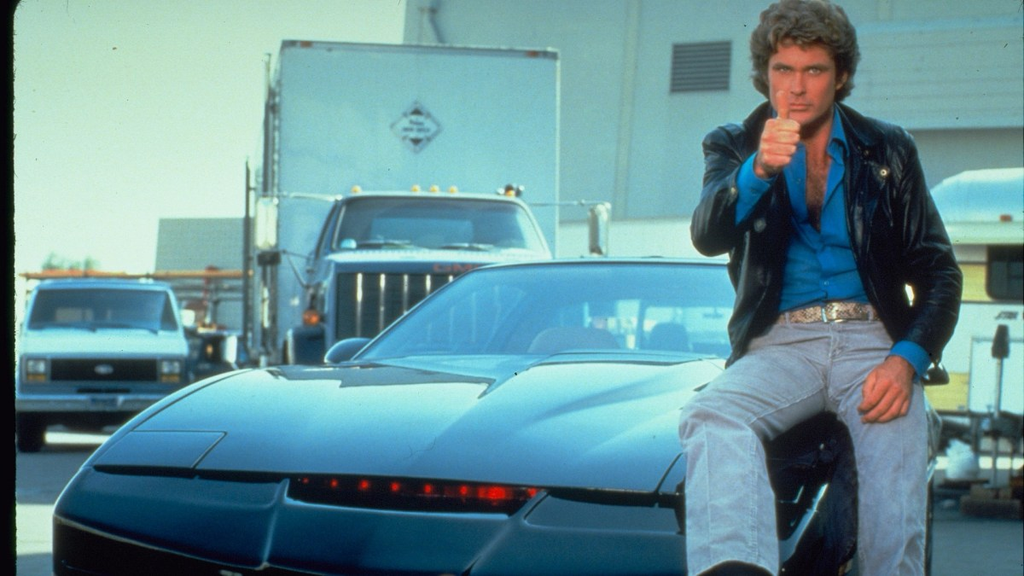
Auto Cruise routinely allowed KITT to take control while Michael concentrated on something else or was not even behind the wheel. That ability became so fundamental to the series that KITT and KARR could both operate independently, decades before self-driving cars became a serious everyday discussion.
4. Michael Had a Wrist Communicator
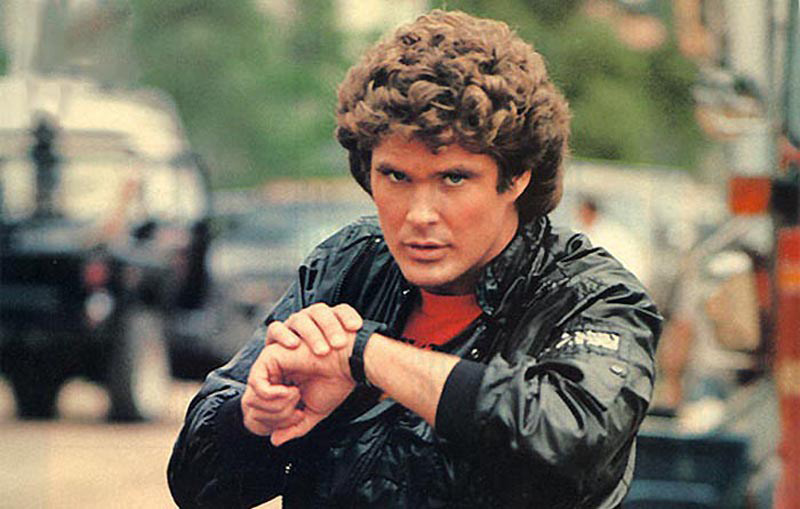
Instead of reaching for a phone, Michael could contact KITT through the Comlink strapped to his wrist. Watching him speak into a watch was a wonderfully futuristic image at a time when even commercial handheld cellular phones were only beginning to reach consumers.
5. The Dashboard Looked Like a Spaceship
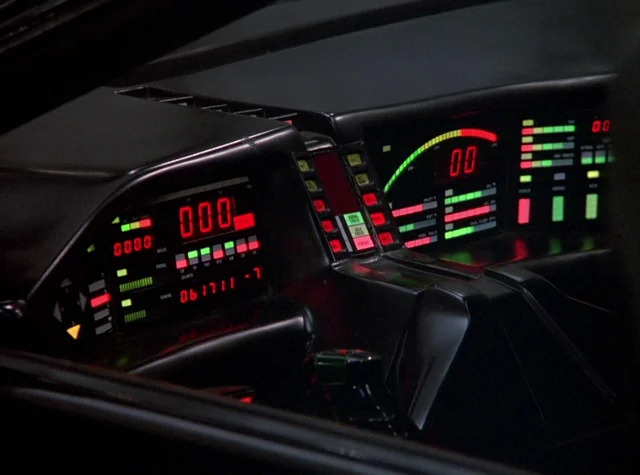
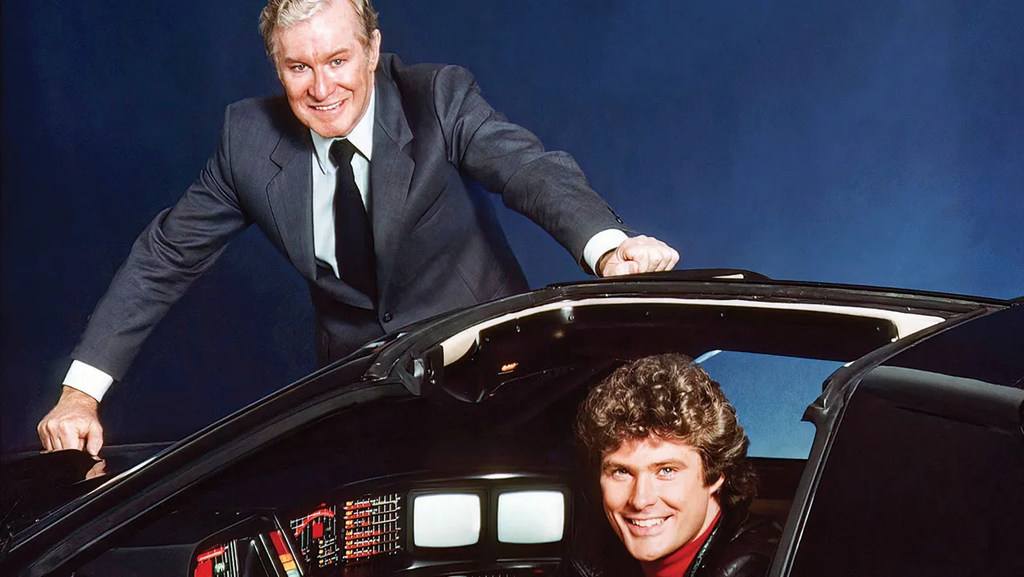
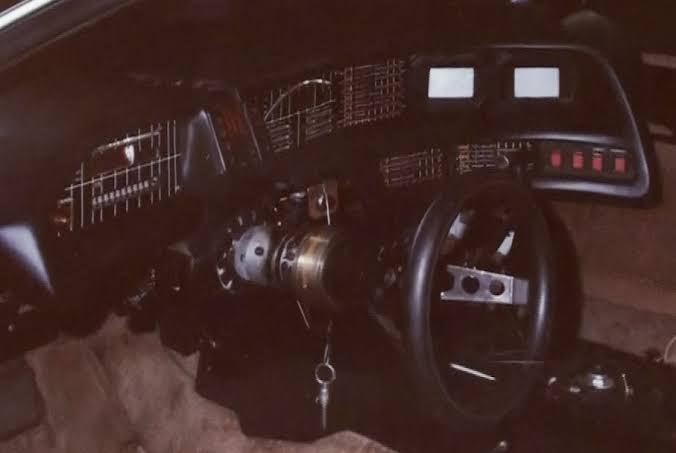
Rows of illuminated buttons, digital displays, flashing indicators, and video screens filled KITT’s interior. Rather than hiding advanced technology behind a simple interface, Knight Rider imagined that the more powerful a computer became, the more lights it would need.
6. KITT Could Make Video Calls From the Road
Michael could bring Devon up on KITT’s monitor and have a conversation while traveling, something episode scripts treat as perfectly routine. In “Speed Demons,” he simply activates the monitor and Devon appears on screen, making mobile video communication look ordinary long before it actually was.
7. His Navigation System Was Years Ahead of Everyday Cars
Maps could appear on KITT’s screen, locations could be traced, and routes could be calculated almost instantly. GPS had only begun opening to civilian use in the 1980s and did not reach full operational capability until 1995, so this kind of in-car navigation looked far more futuristic then than it does now.
8. Constant Wireless Communication Was Still Remarkable
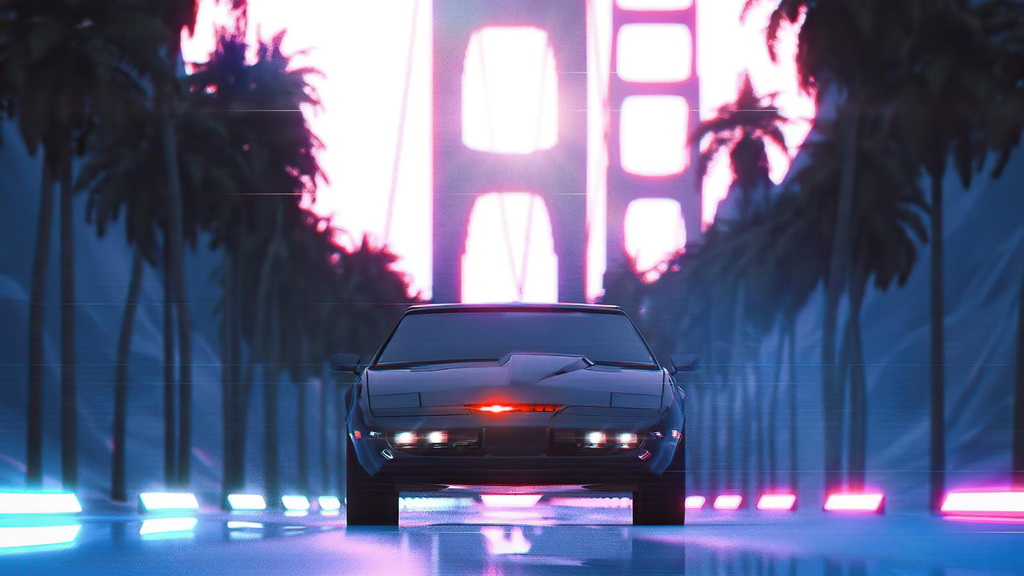
Michael spends the series talking to KITT, Devon, and the Foundation while moving from place to place, something modern viewers barely notice. When Knight Rider debuted, however, the first commercial handheld cellular phone had not even received FCC approval yet; that happened in 1983, with consumer availability following in 1984.
9. One Moving Red Light Could Make a Car Look Futuristic
KITT’s sweeping scanner gave the otherwise recognizable Trans Am a face without adding anything especially complicated. Combined with the dark bodywork and electronic sound effects, one strip of red light was enough to make a production car look like machinery from another decade.
10. Turbo Boost Meant Actually Launching a Car Into the Air
A futuristic button was often just the setup for an old-fashioned practical stunt. Turbo Boost regularly sent KITT over barriers, vehicles, and other obstacles, and surviving scripts show those jumps being written directly into the action rather than created later with digital effects.
11. Bigger Seasons Meant Bigger Stunts
The show kept trying to find new ways to put KITT through something audiences had not already seen. Director Jeffrey Hayden later recalled that subsequent seasons demanded increasingly elaborate stunt work, which helps explain the steady escalation in jumps, crashes, and unusual driving sequences.
12. The Theme Announced the Synthesizer Era Immediately
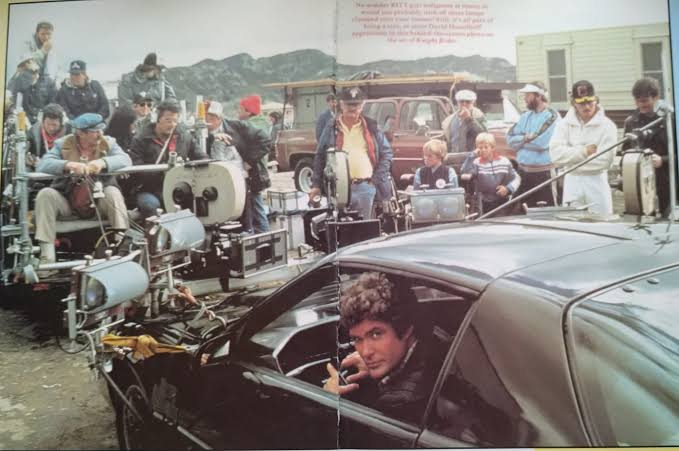
The opening music does almost as much to date the series as the cars and clothes. Composer Stu Phillips later recalled that the Knight Rider theme was an early television main title built around multiple synthesizers, giving the show an electronic sound that matched KITT perfectly.
13. KARR Was Basically the Evil Version of Bad Programming
KITT’s first major mechanical rival was not another heroic supercar but an earlier prototype whose priorities had gone wrong. “Trust Doesn’t Rust” explains that KARR was programmed to protect himself first, while KITT’s programming centered on protecting human life, turning a software difference into an entire villain.
14. Season 4 Decided KITT Needed to Transform
By the final season, simply being a nearly indestructible talking car was no longer enough. Super Pursuit Mode physically deployed air dams, vents, spoilers, and other bodywork when Michael wanted more speed, while Convertible Mode gave KITT yet another dramatic configuration.
15. Every New Problem Seemed to Require a New KITT Function
Over four seasons, KITT accumulated scanners, recording equipment, infrared tracking, image enhancement, microjammers, automatic doors, Turbo Boost, and an increasingly long menu of specialized systems. By “Killer K.I.T.T.,” the list of functions attached to a single episode alone reads like an entire electronics catalog.
16. The Headquarters Was a High-Tech Semi Truck
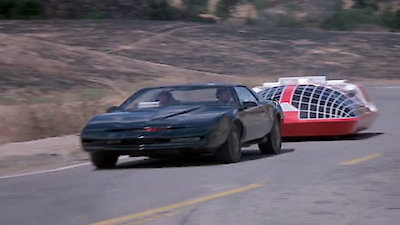
Michael did not always return to an office when KITT needed repairs or new equipment. The Foundation semi could travel with them, swallow KITT through its rear ramp, and function as a moving workshop and command center, combining two very 1980s fascinations: big trucks and computers.
17. KITT Even Had MTV on His Dashboard
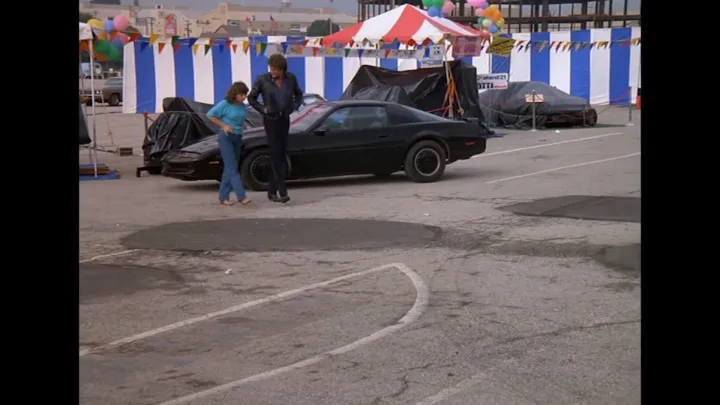
By Season 4, the car’s monitor had become part computer terminal, part communications system, and part entertainment center. The script for “Knight Racer” has Michael watching what it explicitly calls an “MTV-style video” while KITT complains about the entire concept, planting the moment firmly in the middle of the decade.
18. Underneath All the Technology, It Was Still a Western
The basic formula was older than any of KITT’s gadgets: Michael travels from place to place, finds people being pushed around, solves the problem, and moves on. Creator Glen A. Larson compared Michael to the Lone Ranger, making Knight Rider a distinctly 1980s idea of how to modernize the wandering Western hero: replace the horse with an artificial-intelligence Trans Am.
To watch or buy Knight Rider, click here: https://www.amazon.com/Knight-Rider/dp/B07MK5T9YH