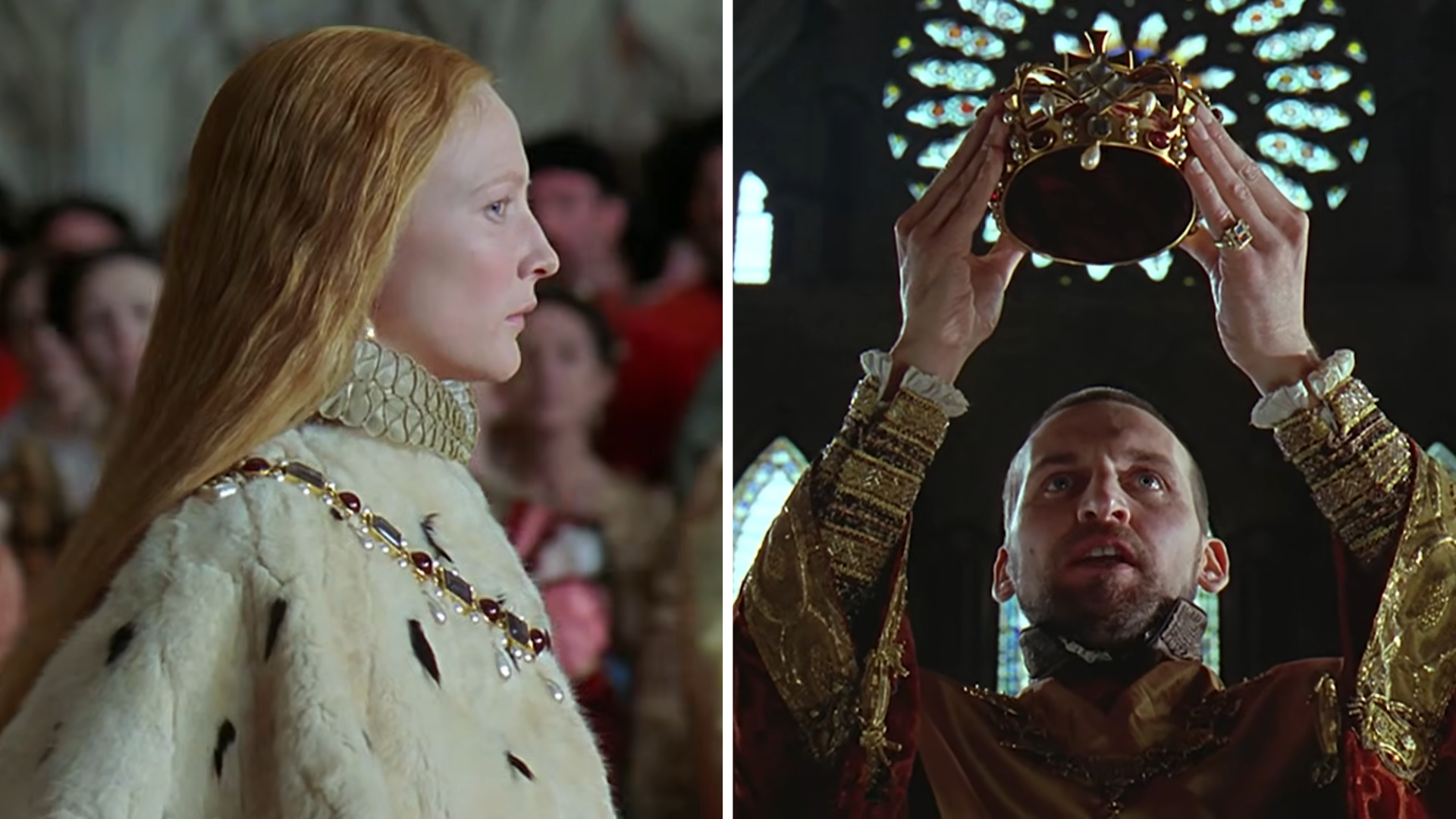
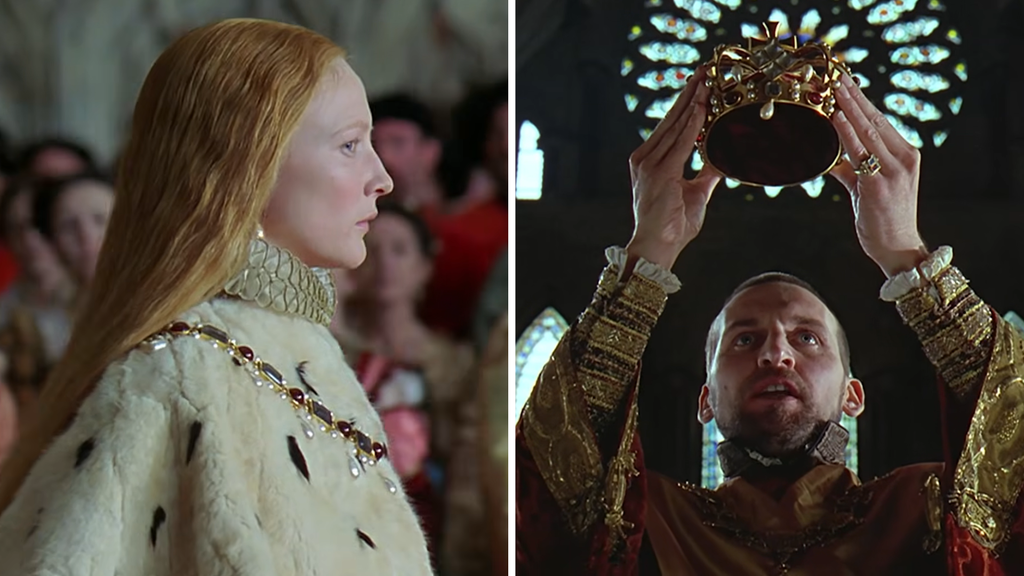
Elizabeth (1998) treats the coronation as more than a lavish costume sequence. Shekhar Kapur moves from Elizabeth’s accession through ritual, music and the crowning itself, then almost immediately confronts the new queen with the political problems waiting outside the ceremony.
Some details draw closely from Elizabeth I’s actual coronation, while others use portraits, costume and staging to communicate her transformation visually. The result mixes recognizable history with the film’s more stylized approach to Tudor England.
1. Elizabeth was already queen before anyone placed a crown on her head
The opening proclamation reflects the distinction between accession and coronation. Elizabeth became queen after Mary I died on November 17, 1558, while her coronation at Westminster Abbey followed on January 15, 1559. The declaration of “Long live the queen” therefore marks the beginning of her reign, while the later ceremony publicly confirms and consecrates a position she already holds.
2. Presenting Elizabeth in different directions comes from real ceremony
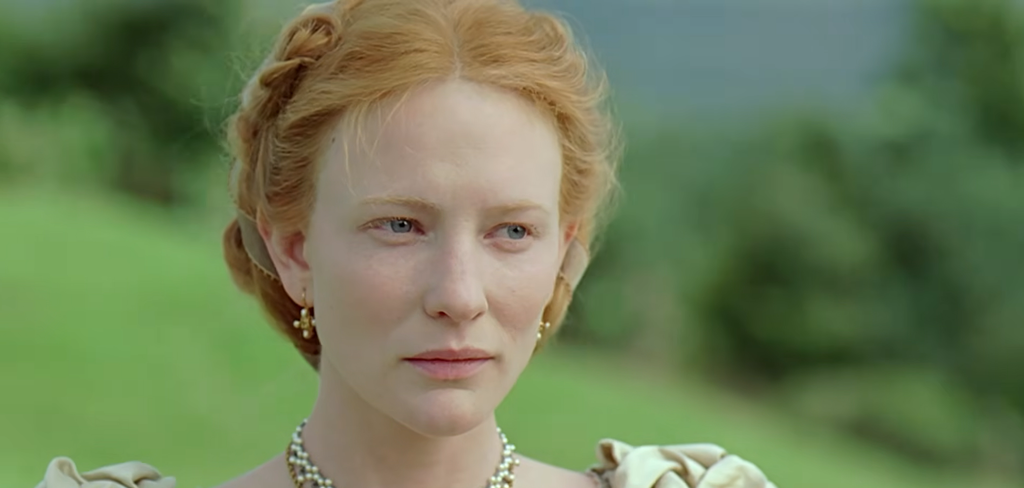
The sequence shows Elizabeth being formally presented to different parts of the congregation as their “undoubted queen.” That comes from the Recognition, an established part of the English coronation service in which the monarch is shown to those assembled and acknowledged before the ceremony proceeds. The film condenses the ritual, but the repeated presentations are rooted in the actual structure of a coronation rather than invented simply for visual effect.
3. York Minster became Westminster Abbey for the movie
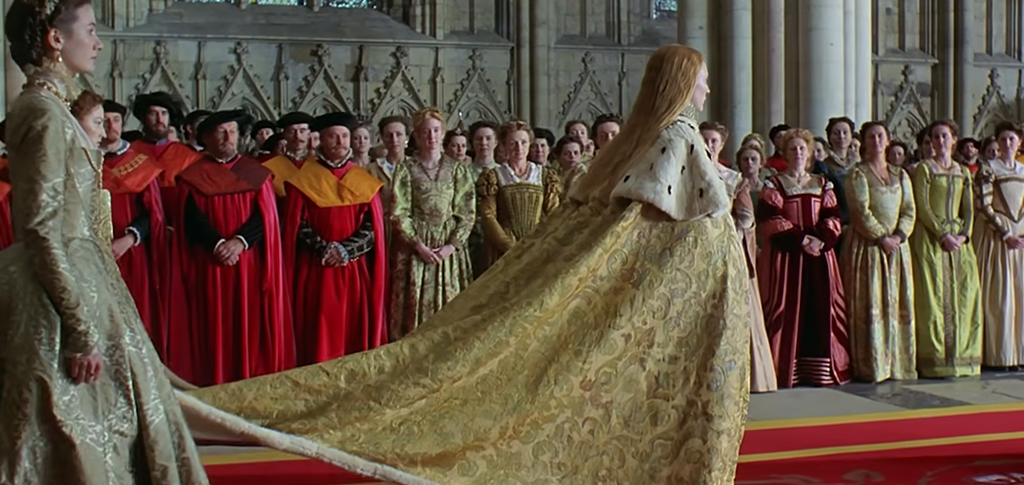
Elizabeth I was crowned at Westminster Abbey, but the filmmakers used York Minster for Cate Blanchett’s coronation. Its enormous Gothic interior supplies the sequence with real architectural scale, surrounding the new queen with towering columns and a vast ceremonial space. Shooting inside an actual medieval cathedral also allowed Kapur to make Elizabeth look physically small against the institution she is inheriting without relying entirely on constructed sets.
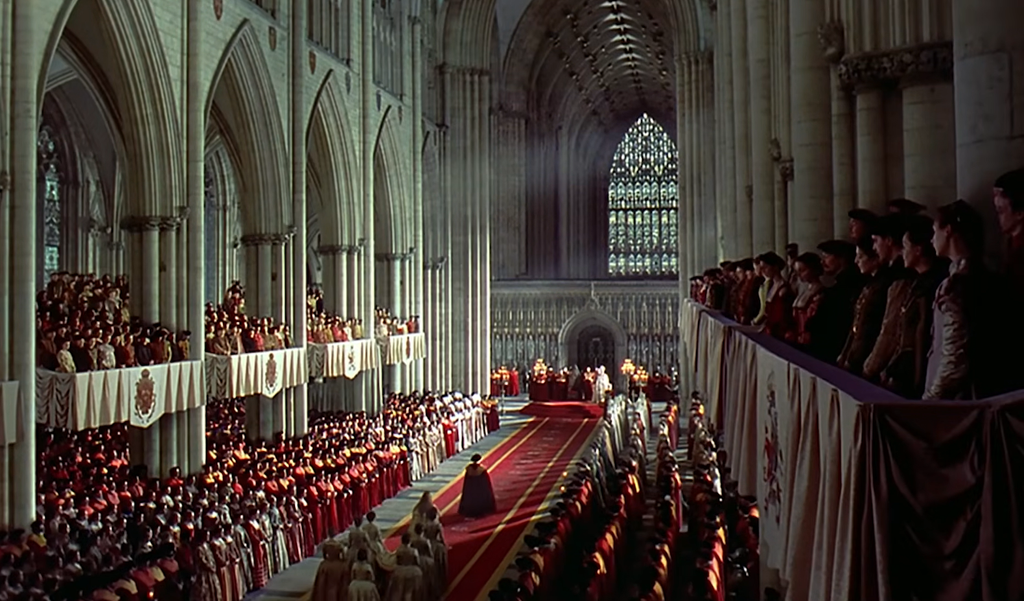
4. The gold gown is one of the movie’s more historically grounded costumes
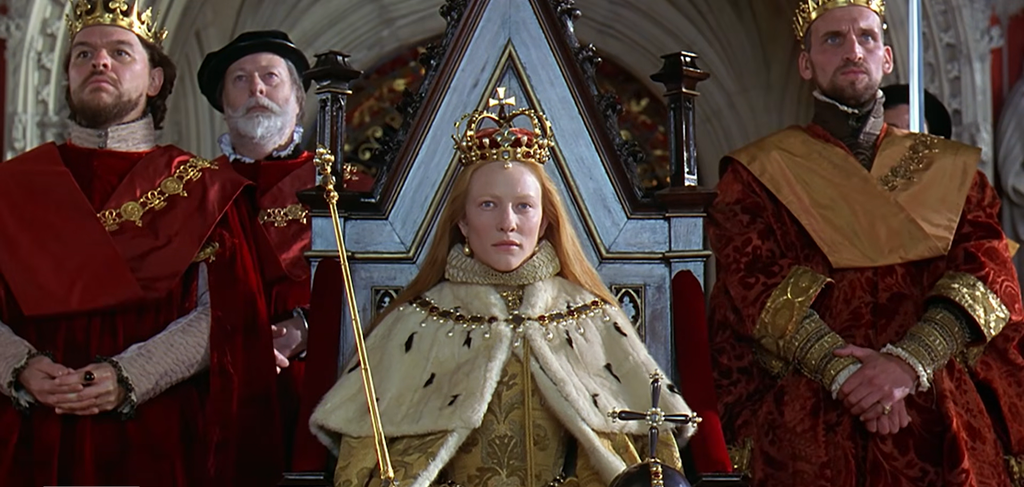
Costume designer Alexandra Byrne generally approached Tudor fashion with considerable freedom, often prioritizing Elizabeth’s emotional development over strict reconstruction. The coronation outfit was one of the exceptions. Its gold brocade and ermine-lined cloak draw much more closely from historical imagery associated with Elizabeth’s ceremony, giving this moment a stronger connection to surviving representations of the queen than many of the film’s other costumes.
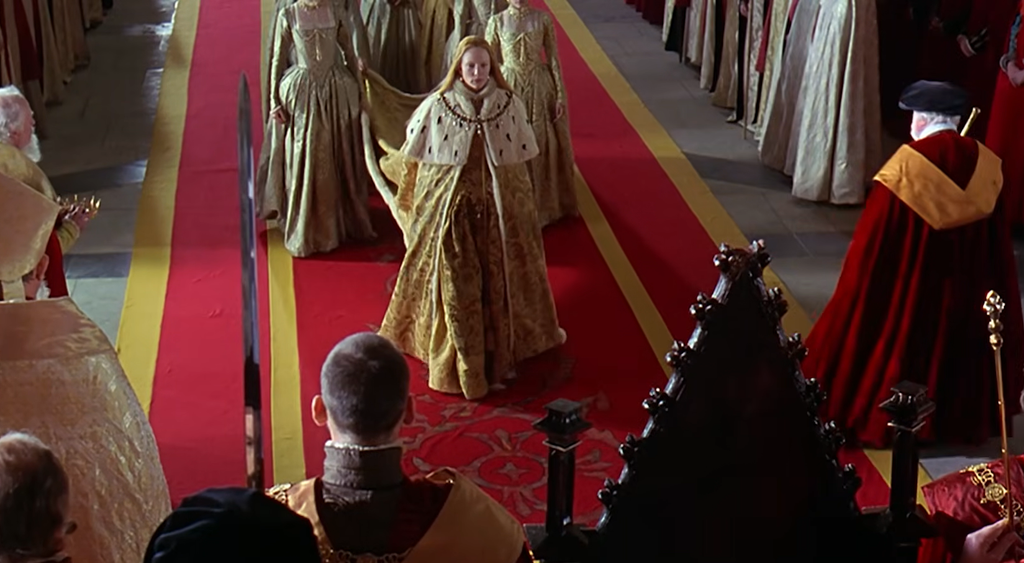
5. A straighter silhouette makes Elizabeth look less physically free
Byrne also changed the shape of Blanchett’s clothing as Elizabeth assumes the crown. Earlier costumes give her a softer, more relaxed outline, while the coronation uses a straighter corset that makes her posture appear noticeably more rigid. Byrne connected that change to the burden of Elizabeth’s new position, allowing the costume itself to suggest that becoming queen has already begun restricting the freedom of the young woman underneath it.
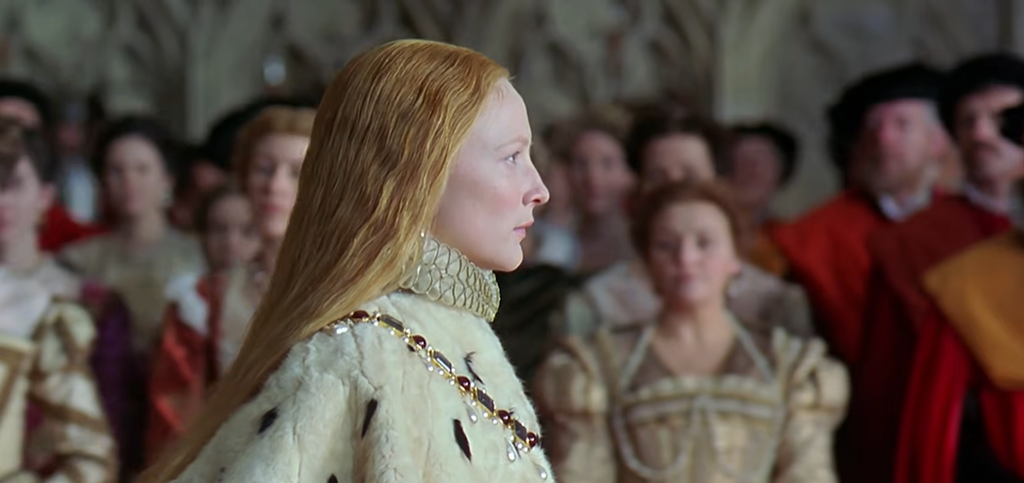
6. Her loose hair belongs to real coronation tradition
Blanchett’s long red hair gives the ceremony a much softer image than the elaborate wigs associated with Elizabeth’s later reign, but it also has historical grounding. The National Portrait Gallery notes that Elizabeth wore her hair loose for her coronation, following an established tradition for queens. Combined with the regalia of a sovereign ruler, the style creates an unusual image that is both youthful and unmistakably royal.
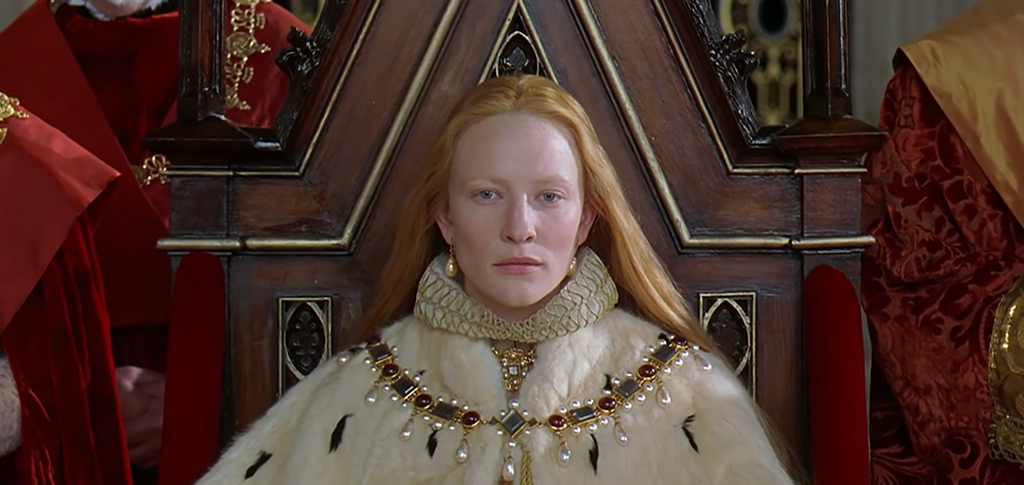
7. The scene draws on a portrait painted decades after the event
The familiar Coronation Portrait is an important visual reference for the sequence, but the surviving painting dates to around 1600, roughly four decades after Elizabeth was crowned. The National Portrait Gallery believes it was probably copied from a lost earlier image. The movie is therefore recreating a later representation of the ceremony, adding another layer between the historical event and the image modern audiences now associate with it.
8. Owen Oglethorpe really did place the crown on Elizabeth
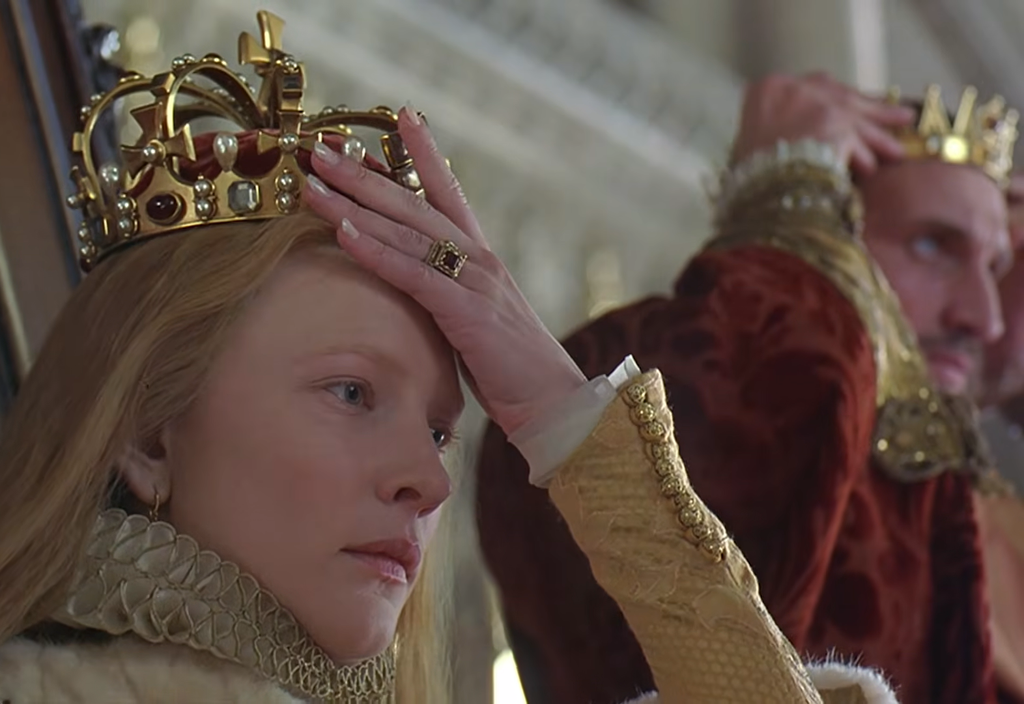
The bishop performing the crowning has a direct historical counterpart. Elizabeth was crowned by Owen Oglethorpe, Bishop of Carlisle, because the Archbishop of Canterbury’s position was vacant and the Archbishop of York declined to conduct the service. That left a comparatively less senior churchman performing one of the most important ceremonies in England, reflecting the complicated religious circumstances surrounding the beginning of Elizabeth’s reign.
9. The real service mixed tradition with signs of religious change
Kapur devotes much of the sequence to prayer, chanting and ceremony rather than treating the coronation as a purely political spectacle. Elizabeth’s actual service was performed partly in Latin and partly in English, at a moment when England’s religious direction remained unsettled after Mary’s reign. Traditional coronation elements remained in place even as Elizabeth’s government was preparing another major shift in the country’s religious settlement.
10. The celebration immediately gives way to the problems of ruling
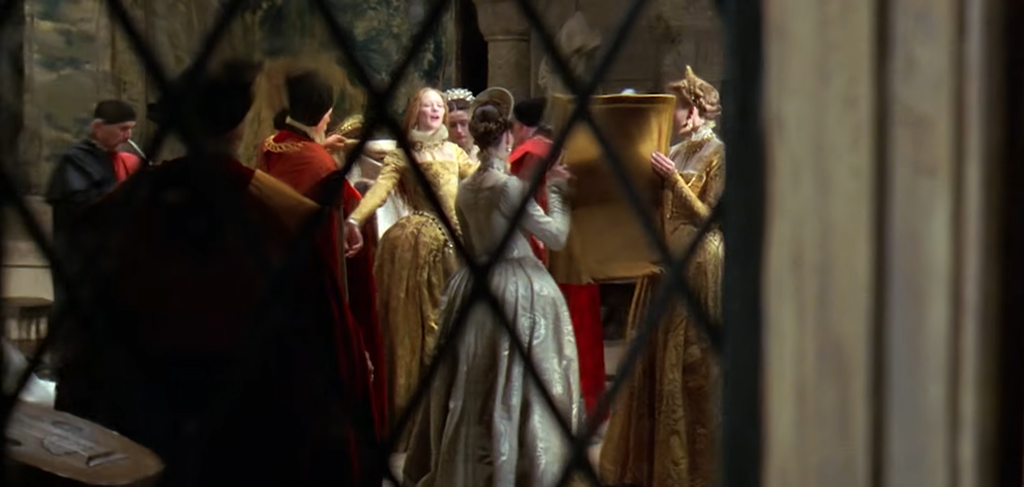
The movie does not allow the coronation to function as a simple victory. Almost as soon as Elizabeth has been acclaimed, Cecil begins describing an empty treasury, weakened defenses, foreign rivals and uncertainty over the succession. That abrupt transition changes the meaning of the ceremony that came before it. The robes and crown may look magnificent, but the film presents them as the visible symbols of responsibilities Elizabeth is only beginning to understand.
To Watch or Buy Elizabeth click here: https://www.amazon.com/Elizabeth-Cate-Blanchett/dp/B00007AJF9