

Being John Malkovich (1999) gives its characters an impossible discovery: a hidden doorway lets anyone spend 15 minutes inside actor John Malkovich’s consciousness. Spike Jonze rarely treats that premise like conventional fantasy, though. The portal sits behind an office cabinet, requires crawling through a cramped tunnel, and eventually deposits visitors beside a highway.
Charlie Kaufman’s screenplay keeps applying mundane rules to increasingly strange ideas. An absurd half-floor functions as a workplace, Maxine sees a business opportunity in the portal, and even Malkovich’s trip inside his own mind takes place in a perfectly ordinary restaurant.
1. The 7½ floor operates like a completely ordinary workplace
Craig’s new office is so short that employees spend their days hunched beneath the ceiling, yet nobody treats that as particularly unusual. Desks, filing cabinets, and casual conversations continue as if this were any other workplace inconvenience. The effect was physical, too: the production built the low-ceiling set inside a Los Angeles office building, making the cast actually stoop while filming.
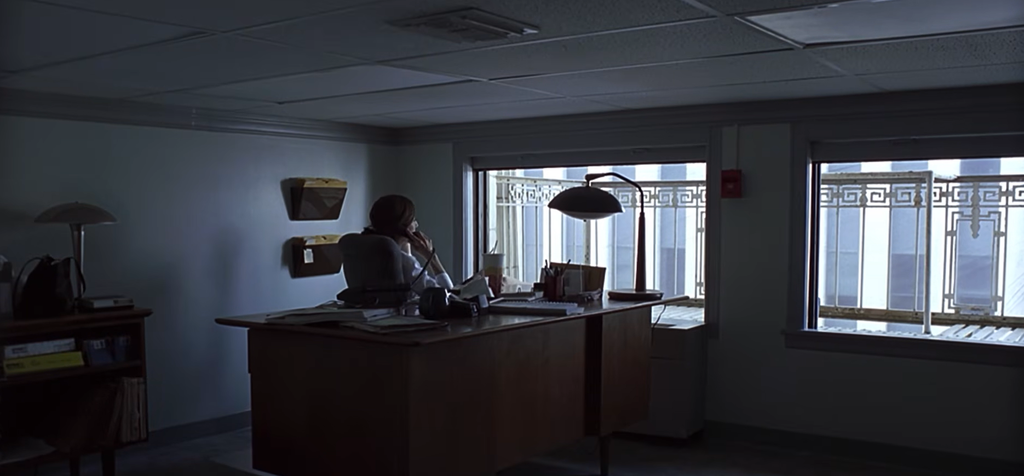
2. Even reaching the floor has its own routine
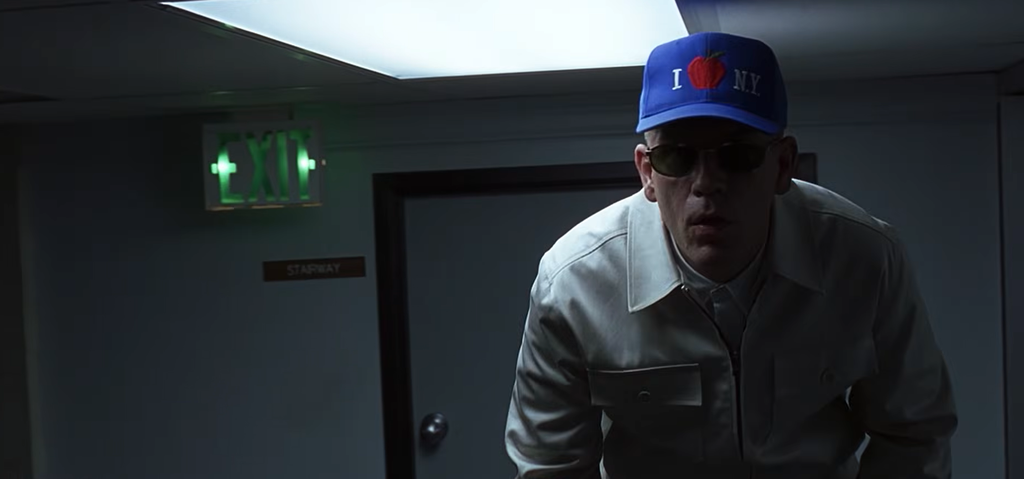
There is no normal elevator button for 7½. Craig has to learn how to stop between floors and climb out at exactly the right place, turning an architectural impossibility into another annoying part of commuting to work. The movie establishes an important rule here: once people develop a procedure for dealing with something bizarre, they stop questioning why that bizarre thing exists in the first place.
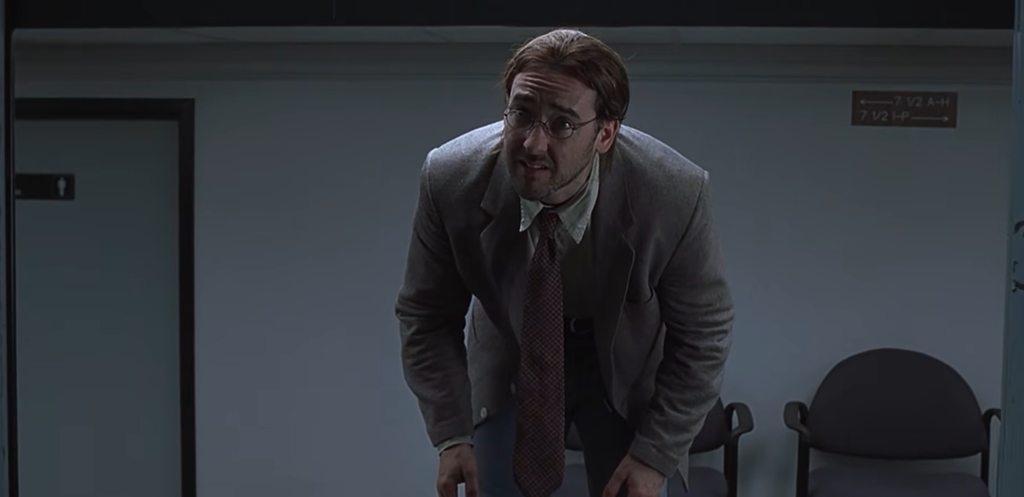
3. The portal looks more like storage space than magic
Craig finds the portal after moving a filing cabinet and noticing a tiny door hidden behind it. There are no glowing lights, elaborate machinery, or other clues announcing that he has discovered something supernatural. The entrance looks neglected and inconvenient, which makes the premise funnier. Jonze presents one of the strangest discoveries imaginable with the visual excitement of finding an unused closet in an office.
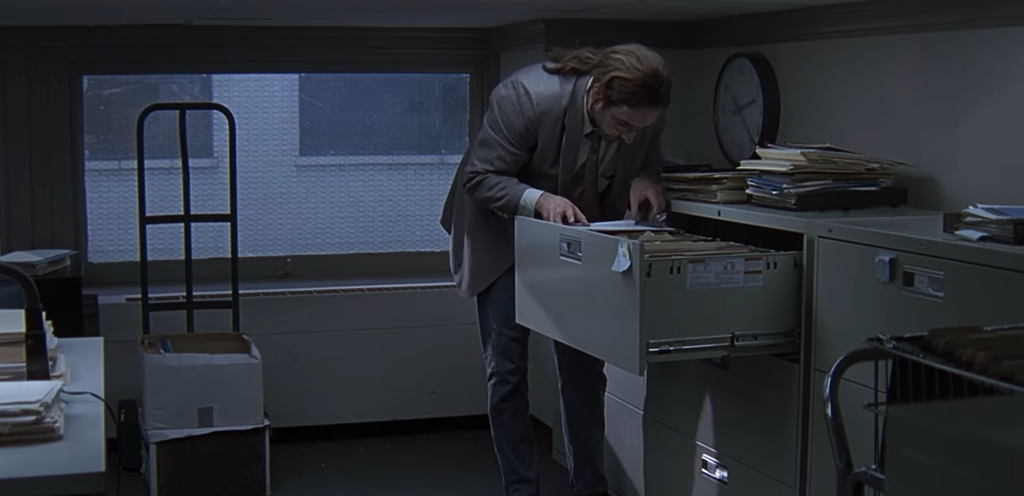
4. Being inside Malkovich gets simple rules
The first trip quickly teaches Craig and the audience how the portal works. He sees and hears through Malkovich while remaining a passenger, and roughly 15 minutes later he is expelled whether he wants to leave or not. Craig becomes fascinated by the philosophical implications, but Maxine is far more interested in what they can actually do with it. The impossible quickly becomes something practical.
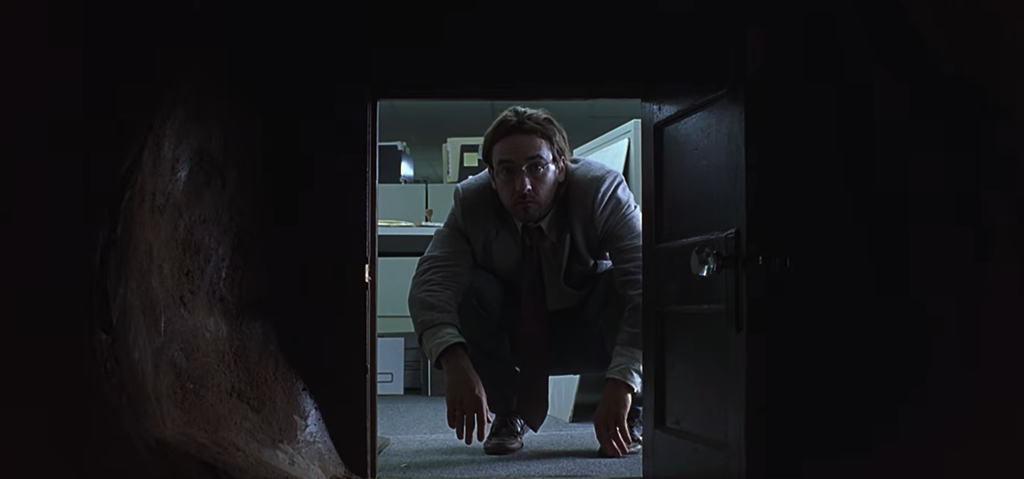
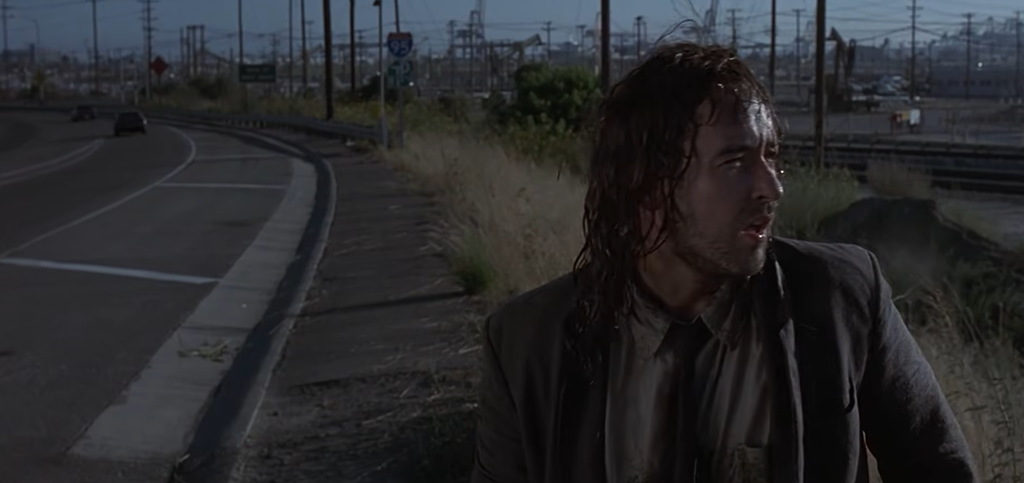
5. Every visit ends beside the New Jersey Turnpike
No matter how extraordinary the experience inside another person’s consciousness becomes, visitors eventually land beside the New Jersey Turnpike. That fixed exit gives the portal another oddly specific rule and undercuts any sense of mystical grandeur. Criterion even includes the highway in its basic description of how the portal works, showing how closely the mundane destination has become tied to the movie’s supernatural premise.
6. Maxine turns the miracle into a business
Craig wonders what the portal means for identity and consciousness, while Maxine quickly realizes that people might pay to experience it. They begin charging customers for brief visits inside Malkovich and eventually attract a line of people to the already ridiculous 7½ floor. Kaufman has discussed the $200 admission price, giving something metaphysically impossible the structure of a small attraction with customers waiting their turn.

7. Lotte’s experience becomes a relationship problem
Lotte’s trips through the portal become emotionally complicated once her feelings for Maxine enter the picture. Jonze still stages their interactions with the rhythms of an awkward romantic drama rather than treating them like abstract science fiction. Attraction, jealousy, and uncertainty remain recognizable even when one person is experiencing the relationship from inside somebody else’s body. The impossible setup keeps producing surprisingly familiar human problems.

8. Malkovich finds customers waiting to become him
When Malkovich finally reaches the 7½ floor, he discovers that access to his consciousness has already become an organized service. There are customers, a price, and an established routine, while everyone around him behaves as though this arrangement is perfectly manageable. His outrage becomes funnier because he is reacting with the astonishment the premise deserves after nearly everyone else has already accepted it as part of everyday life.
9. His own mind becomes a normal restaurant
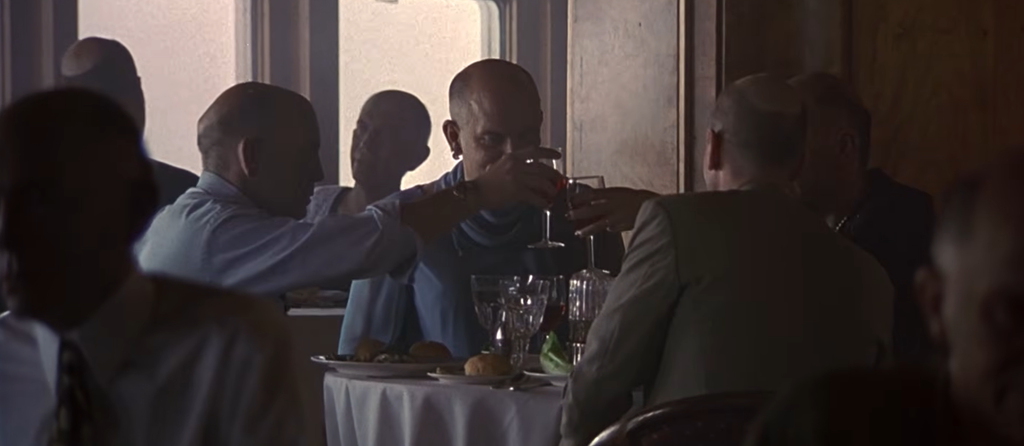
Malkovich entering his own portal could have produced an abstract dreamscape, but Jonze places him in an ordinary restaurant. The nightmare comes from repetition: customers, staff, and performers all have versions of Malkovich’s face, while language collapses into variations of his name. The production had Malkovich appear in numerous costumes and roles, filling a familiar social environment with increasingly unsettling versions of himself.
10. The ending lets the impossible become domestic
By the final stretch, the portal has changed identities, relationships, and futures in ways Craig could never have imagined when he first opened that small door. Yet the movie presents some of those consequences through recognizable family life rather than emphasizing their strangeness. That fits Jonze and Kaufman’s approach throughout: supernatural mechanics eventually become familiar, while the emotions they create remain much harder for the characters to manage.

To Watch or Buy Being John Malkovich, click here: https://www.amazon.com/Being-John-Malkovich-Cusack/dp/B001O34NMI