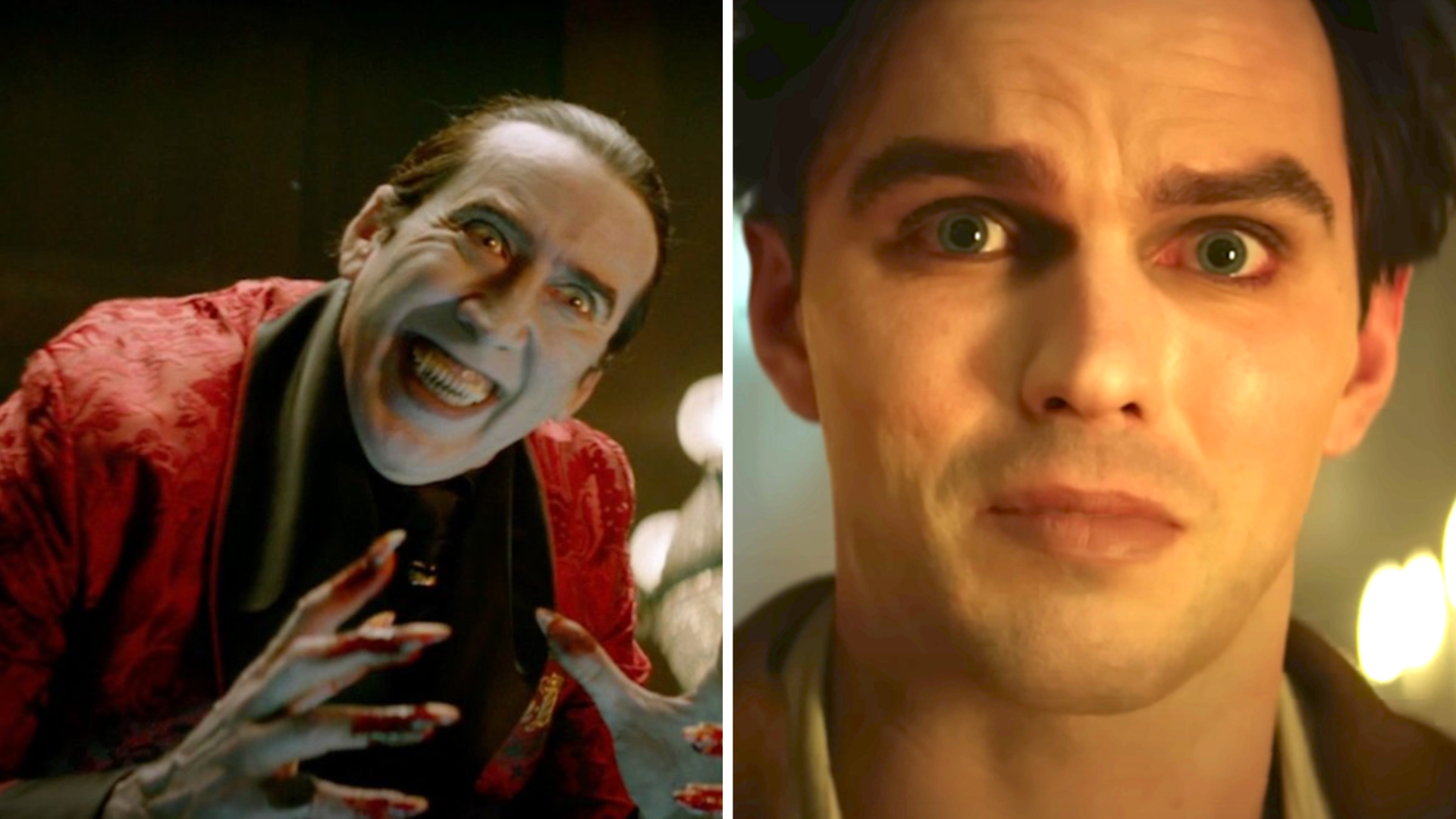
Renfield (2023) takes one of horror’s oldest relationships and puts it through a very modern filter. Nicholas Hoult plays the Count’s long-suffering familiar, and Claes Bang plays Dracula himself, but the film never forgets where it came from. Bram Stoker published his novel in 1897, and every major image in that book (the crumbling estate, the cape, the hypnotic eyes, and the promise of eternal life) shows up here in some form. These 10 details are worth pausing on.
1. Renfield’s insect meals echo Stoker’s original novel
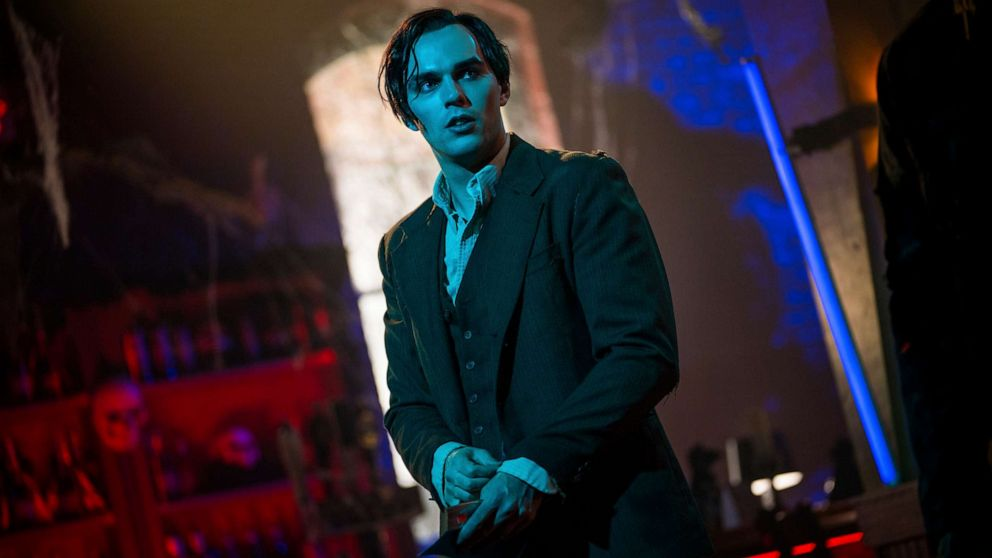
Early in the film, Renfield consumes insects with the matter-of-fact routine of someone who has been doing it for a very long time. In Stoker’s 1897 novel, the character does exactly the same thing inside his asylum cell, working his way up from flies to spiders to birds, convinced he can absorb their life force with each one. The movie does not treat this as a gross-out joke and then move on. It uses the habit to establish Renfield’s status immediately: this is a man who has traded his dignity, his diet, and apparently his entire sense of self for a master who barely notices him.
2. Dracula’s decaying manor signals his fading power
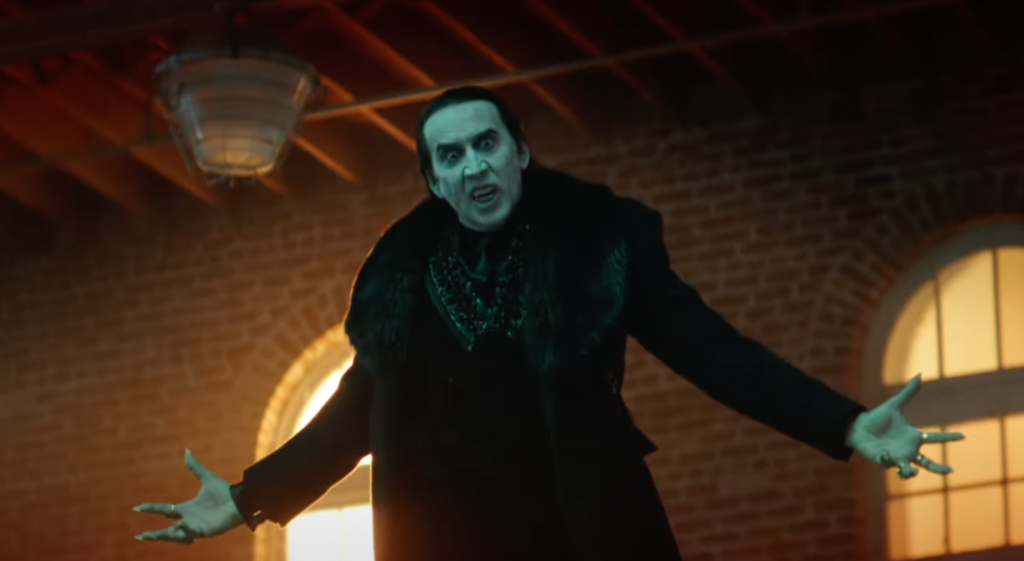
The wide shot of Dracula’s New Orleans hideout tells you everything before a word of dialogue is spoken. Peeling walls, dim light, furniture that looks like it gave up decades ago. In Stoker’s novel, the castle in Transylvania reads the same way: ancient, crumbling, a structure that mirrors its owner’s long slide from genuine terror to something more stubborn than powerful. Placing that same visual idea in New Orleans is a smart update. The city has its own gothic weight, and a rotting mansion there feels less like a movie set and more like a place that actually exists two blocks off the tourist path.
3. Dracula’s cape and collar stay classically theatrical
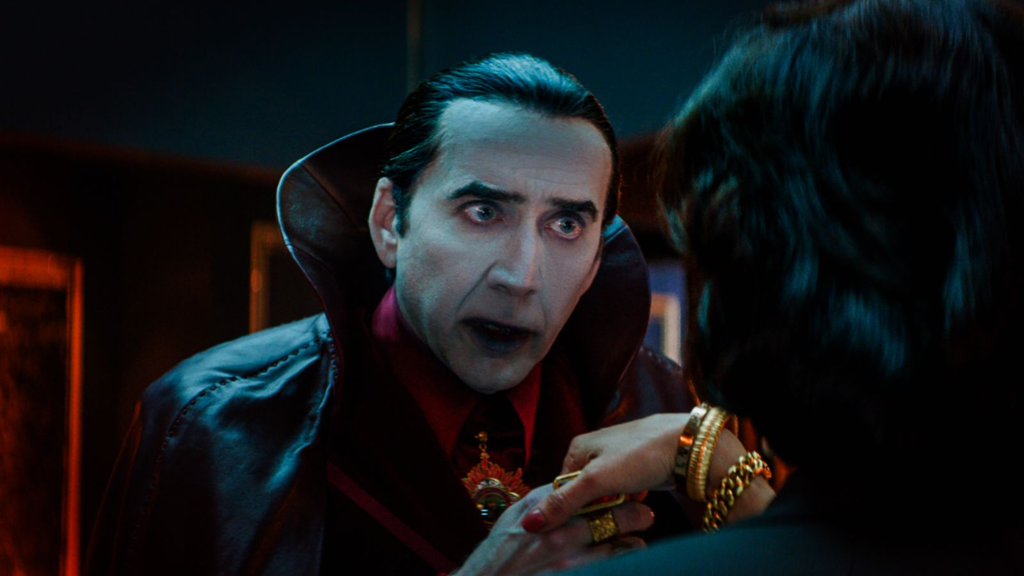
There is a close-up early on of Claes Bang in full costume, cape collar raised, turning toward Renfield, and it lands like a deliberate callback. That silhouette goes back to Bela Lugosi’s portrayal in the Universal Pictures adaptation of 1931, which locked in the high stiff collar as the definitive Dracula look for generations that followed. Every Halloween costume since owes something to that image. Renfield (2023) does not try to modernize it away or play it as a joke. Bang wears it straight, which is exactly the right call. The costume carries so much history that undercutting it would cost the film something it cannot easily replace.
4. Renfield’s hunched posture marks centuries of servitude
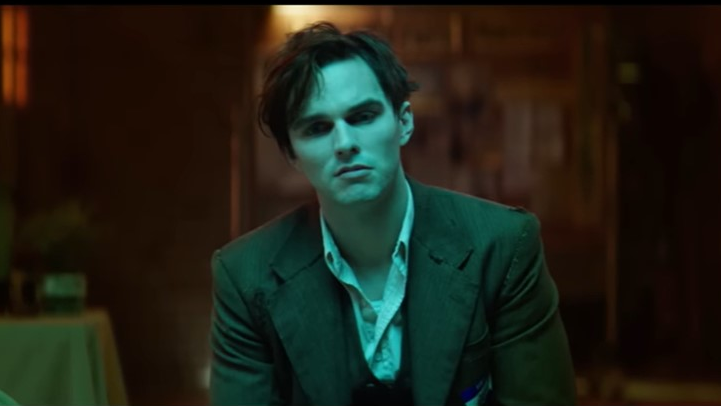
Watch how Nicholas Hoult holds his body when he stands beside Dracula inside the manor. Shoulders forward, chin down, weight slightly back: the physical language of someone who learned a long time ago not to take up too much space. Stoker’s novel describes Renfield as a man whose devotion to the Count has worn him down mentally and physically, and that decline shows in how he moves. Hoult does not announce this with any single gesture. He just lets the posture sit there, scene after scene, as a quiet record of how many years Renfield has spent making himself smaller so Dracula can feel larger.
5. Dracula’s burned flesh regenerates on screen
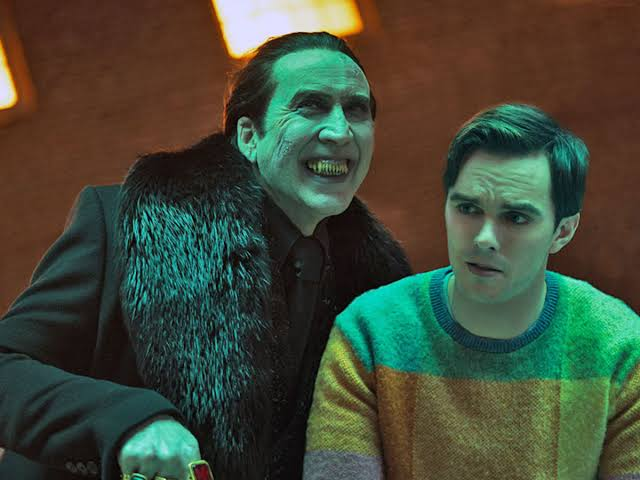
In a dimly lit room, Dracula heals from wounds in real time, skin visibly closing over damage that would finish a human being in seconds. Vampire folklore has always included some version of this ability, and Stoker’s Count is no exception. What the film does here is put the process on screen slowly enough that you actually watch it happen, which is more unsettling than a quick cut. It also makes a practical point about the power imbalance between Dracula and everyone around him. Renfield can be hurt and stay hurt. His master absorbs damage and moves on. That gap is part of what keeps the familiar in line.
6. The support group setting contrasts monster movie tradition
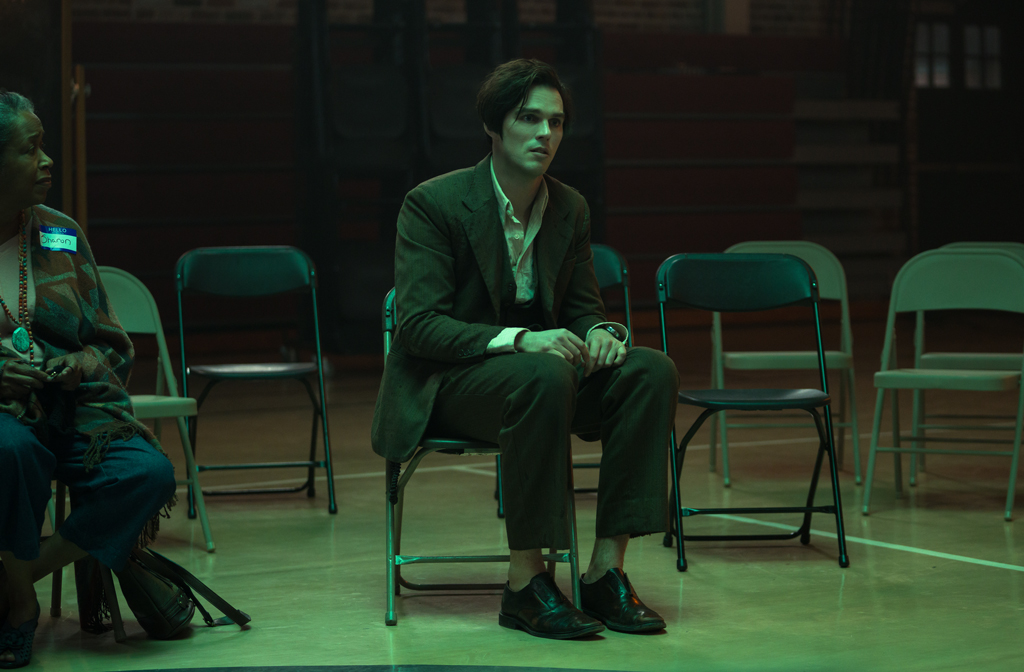
Renfield sitting in a folding chair under fluorescent lights, inside a circle of ordinary people talking about unhealthy relationships, is about as far from a gothic castle as you can get. That contrast is the joke, but it is also the point. Classic Dracula films, going back to the original Universal Pictures adaptation and through decades of follow-ups, kept their horror in shadows, fog, and candlelit rooms. Dropping the Count’s familiar into a co-dependency support group strips away all of that atmosphere and forces the same dynamic into plain daylight. The dynamic does not look any better in the light. If anything, it looks worse, which is what the scene is after.
7. Dracula’s red eyes flare during moments of command
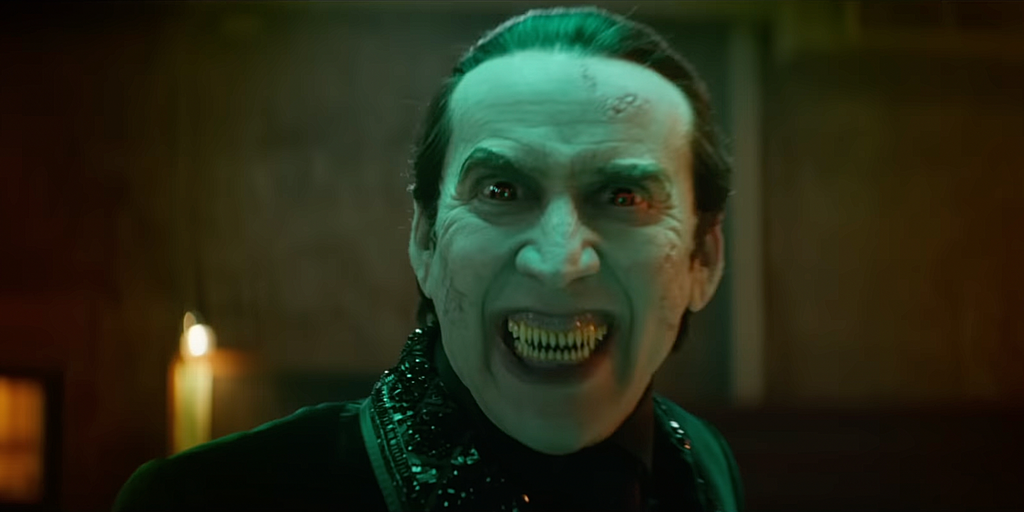
The close-up of Dracula’s glowing red eyes as he issues an order to Renfield is one of the film’s most direct nods to the monster movie tradition. Red or glowing eyes have signaled supernatural authority in horror films for decades, a visual shorthand that tells the audience, and whoever is standing in front of those eyes, that something beyond ordinary persuasion is happening. In this scene the effect does double duty. It reminds you that Dracula’s hold on Renfield is not purely psychological; there is something older and less rational at work. The color choice also echoes the theatrical lighting of early Universal horror, which suits the film’s overall tone.
8. Renfield’s superhuman strength surprises ordinary bystanders

The restaurant scene gives Renfield a chance to use abilities that Stoker’s 1897 novel established: unusual strength and agility that come from his connection to the Count. What makes the moment land in the film is the civilians in the background. Their reactions do the work that a longer explanation would slow down. Nobody in that room has a framework for what they are seeing, and their confusion creates a useful gap between Renfield’s world and the ordinary one he is trying to live in. He dispatches attackers with efficiency, and the bystanders just stand there, which is probably what most of us would do.
9. Dracula’s promise of immortality hangs over every scene
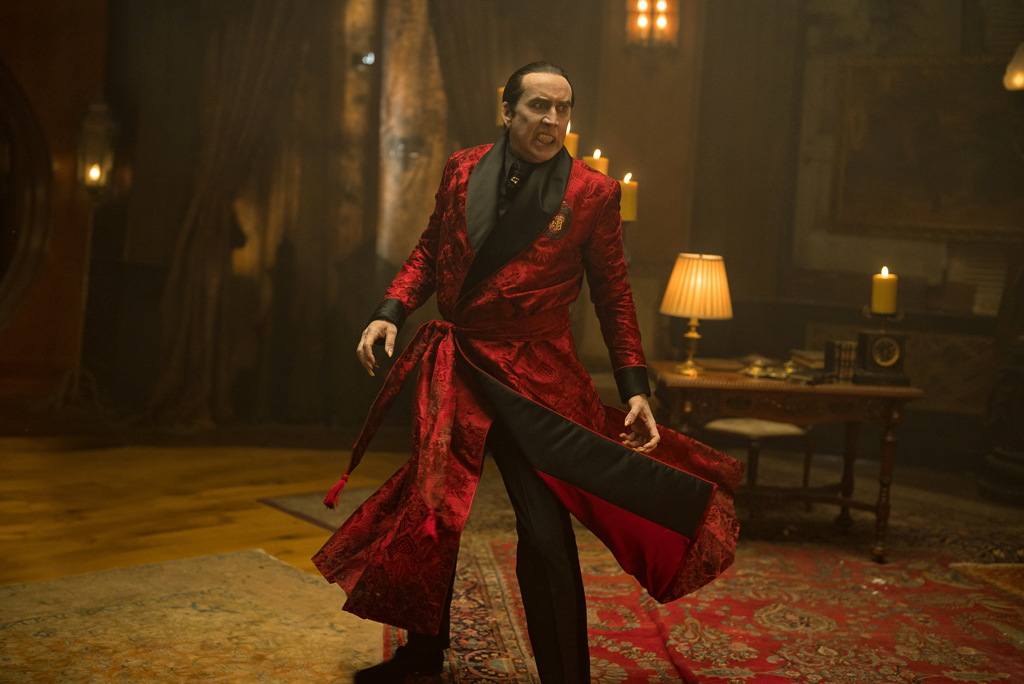
There is a scene of Dracula speaking directly to Renfield, gesturing as he lays out the reward waiting at the end of all this service: eternal life. In Stoker’s novel, that promise is the engine of the whole arrangement. Renfield endures the asylum, the insects, and the indignity because he believes the Count will eventually deliver on it. The film keeps that logic intact. Every humiliation Renfield accepts makes a kind of sense if you believe the payoff is real, and Dracula knows exactly how to keep the offer just credible enough to hold his familiar in place. It is a very old management technique, when you think about it.
10. Renfield’s final stand reverses a century-old dynamic
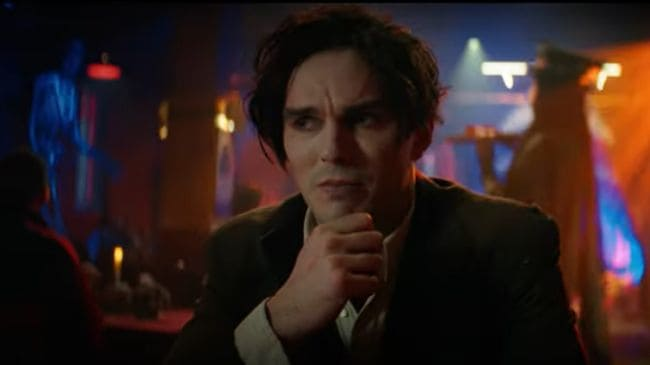
Late in the film, Renfield faces Dracula and does not cower. He stands upright, which sounds like a small thing until you consider that every version of this character since Stoker’s 1897 novel has been defined by submission. Dwight Frye played him as a giggling wreck in the Universal Pictures adaptation of 1931. Tom Waits played him as a bug-eating eccentric in Bram Stoker’s Dracula (1992). The posture has always bent toward the master. Here it straightens, and the film earns that moment by spending its entire running time showing you exactly what it cost Renfield to get there. One novel, two actors named in the verified record, and a support group: that is what it finally took to fix this man’s spine.
To watch or buy Renfield (2023), click here: https://www.amazon.com.com/Renfield-Nicholas-Hoult/dp/B0BZJRDWS2