When analyzing Steven Spielberg’s Schindler’s List (1993), discussions naturally focus on its monumental historical weight, haunting cinematography, and profound emotional impact. Yet beneath its visual mastery lies one of the most sophisticated character studies in modern screenwriting history. Crafted by screenwriter Steven Zaillian, the portrayal of Oskar Schindler avoids every trap of traditional Hollywood biographical dramas, opting instead for a gritty, deeply human, and paradoxical protagonist.
Creating a compelling lead in a historical tragedy is an extraordinarily delicate balancing act. Elevate them too much, and they become an untouchable, saintly caricature; emphasize their moral failings without nuance, and you risk losing the audience’s emotional investment entirely. Oskar Schindler works as a cinematic figure precisely because he begins as an unrepentant opportunist, a lover of luxury, and a war profiteer. His transformation into a savior is not driven by grand political speeches or sudden idealistic awakenings, but by a series of quiet, pragmatic choices in the face of absolute horror.
Here is a breakdown of seven masterclass writing principles behind how Spielberg and Zaillian constructed one of cinema’s most complex and unforgettable protagonists.
1. Building an Unapologetic Antihero Before the Redemption Arc
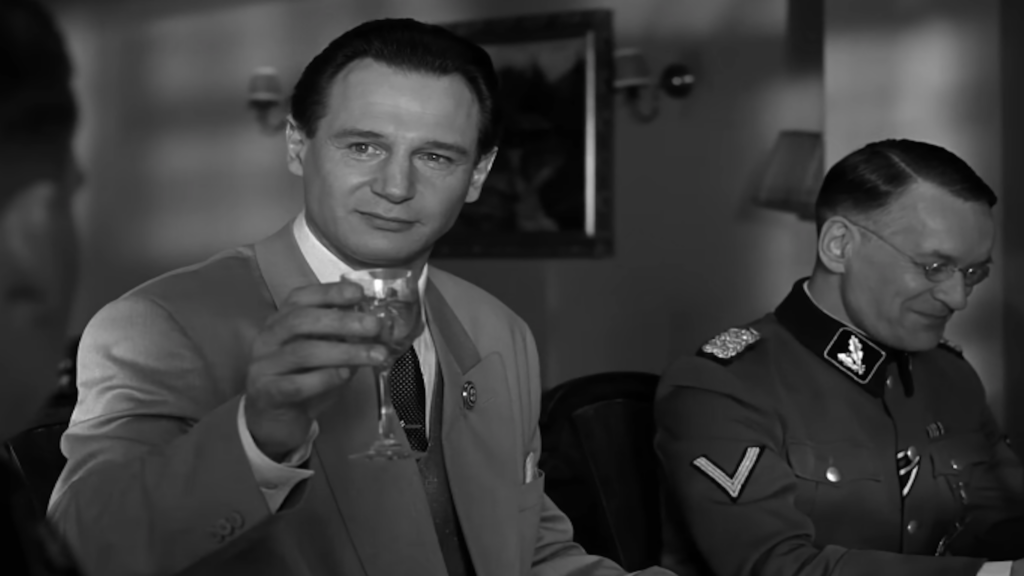
Schindler enters the narrative not as a selfless savior but as an opportunistic, womanizing war profiteer looking to capitalize on Nazi party connections in occupied Poland. Audiences invest heavily in moral transformation when a character’s starting point feels grounded and imperfect. Establishing his deeply flawed nature early on ensures that every step toward heroism feels earned rather than preachy.
2. Using Motives of Self-Interest to Drive Humanitarian Action
Schindler initially hires Jewish workers purely because they represent cheap labor that maximizes his factory profits. Aligning selfish desires with life-saving consequences creates a fascinating narrative tension. The transition from cold financial calculation to genuine moral obligation happens organically through pragmatic decisions rather than a sudden, unrealistic epiphany.
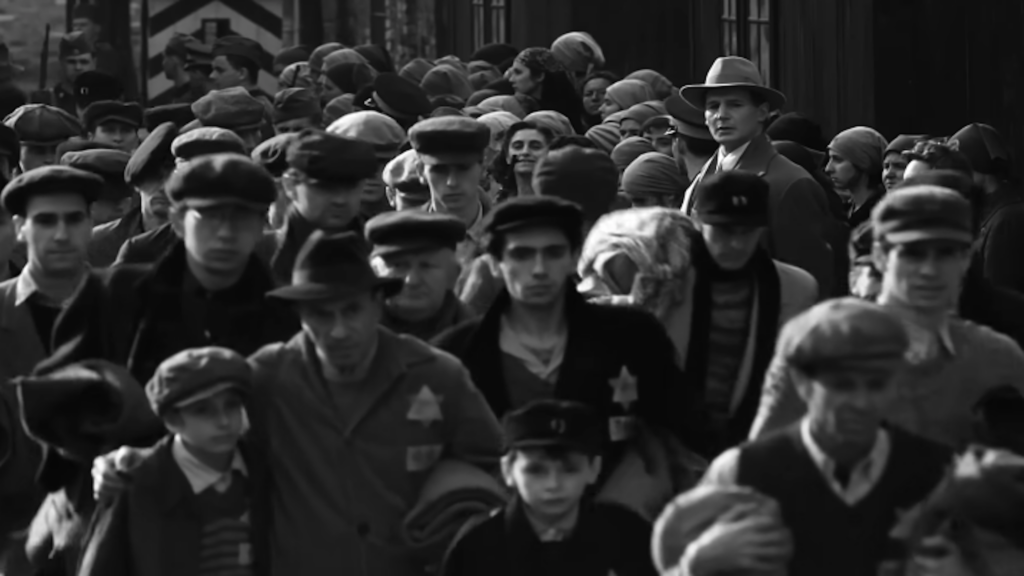
3. Crafting a High-Stakes Foil Through Amon Göth
Spielberg and screenwriter Steven Zaillian contrast Schindler with SS Officer Amon Göth, showcasing two men manipulating absolute power in diametrically opposite ways. A compelling antagonist serves as a dark mirror to the protagonist, and Schindler’s tense attempts to influence Göth’s definition of mercy highlight his political cunning and tactical intelligence under constant threat.
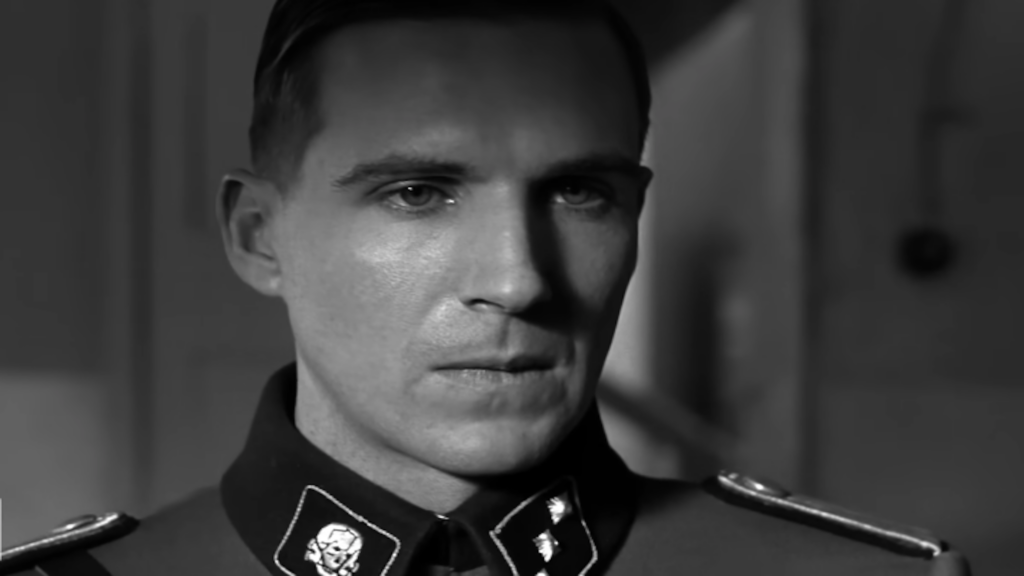
4. Subverting Direct Exposition With Pragmatic Negotiation
Schindler rarely delivers speeches about justice or human rights; instead, he bribes, flatters, and trades black-market luxuries to achieve his goals. Character conviction shines brighter through transactional maneuvers than lofty dialogue. Showing a protagonist outsmarting a corrupt system using its own rules keeps the narrative grounded and suspenseful.
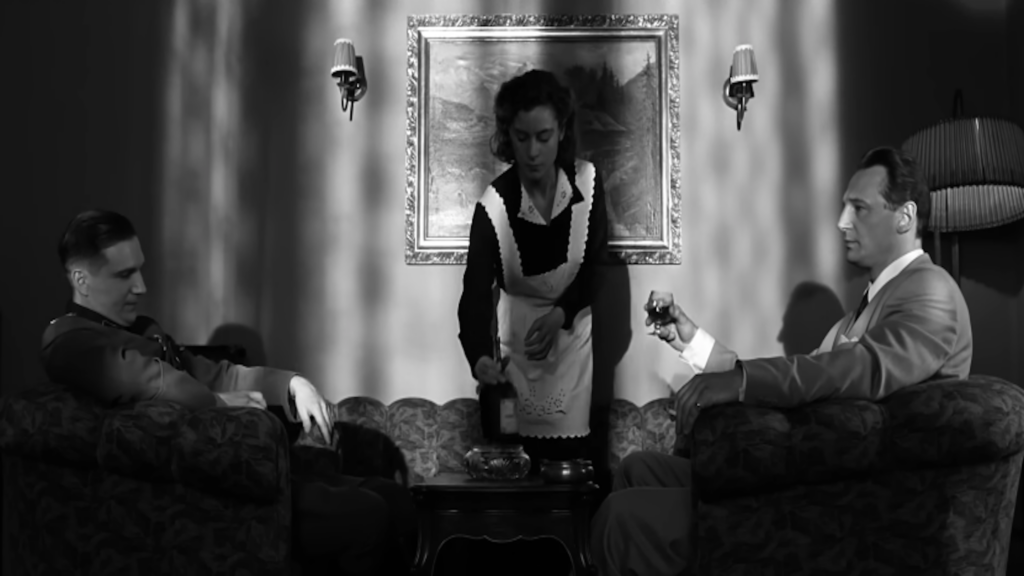
5. Pacing Moral Awakening Through Specific Visual Triggers
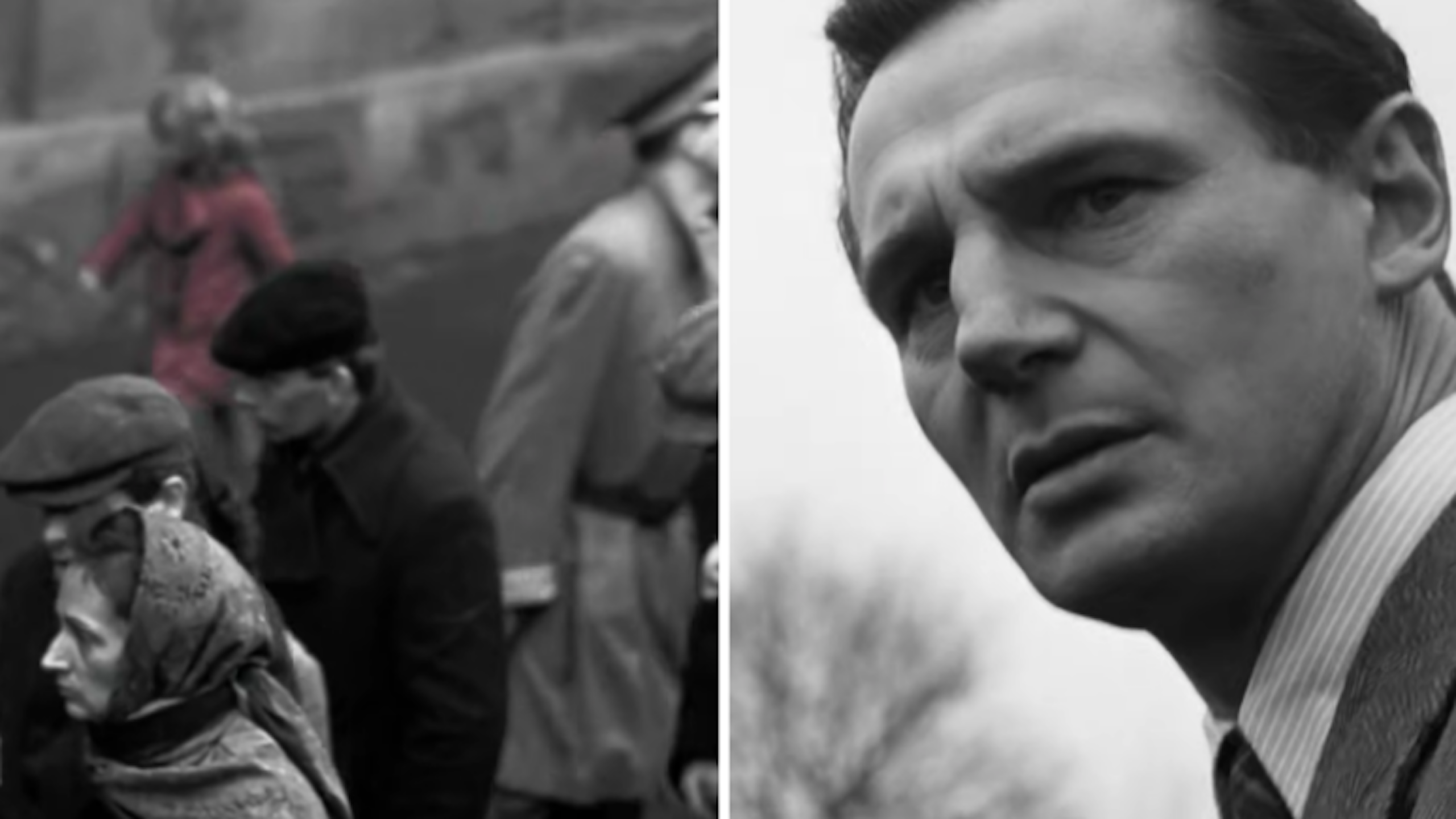
The famous girl in the red coat during the liquidation of the Krakow ghetto serves as a quiet psychological turning point, forcing Schindler to witness individual horror amidst systemic destruction. Broad tragedies become emotionally resonant when filtered through a singular, unforgettable detail. Anchoring a protagonist’s internal shift to a specific visual milestone keeps the narrative pacing razor-sharp.
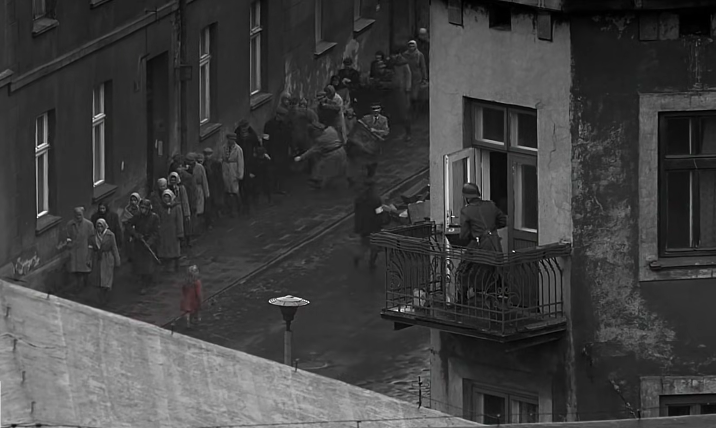
6. Balancing Historical Realism With Cinematic Persona
The script maintains Schindler’s charismatic, larger-than-life presence without erasing the terrifying historical reality surrounding him. Writing complex historical figures requires striking a balance between cinematic charm and authentic vulnerability, and keeping Schindler human, flawed, and pragmatic prevents the story from devolving into generic melodrama.
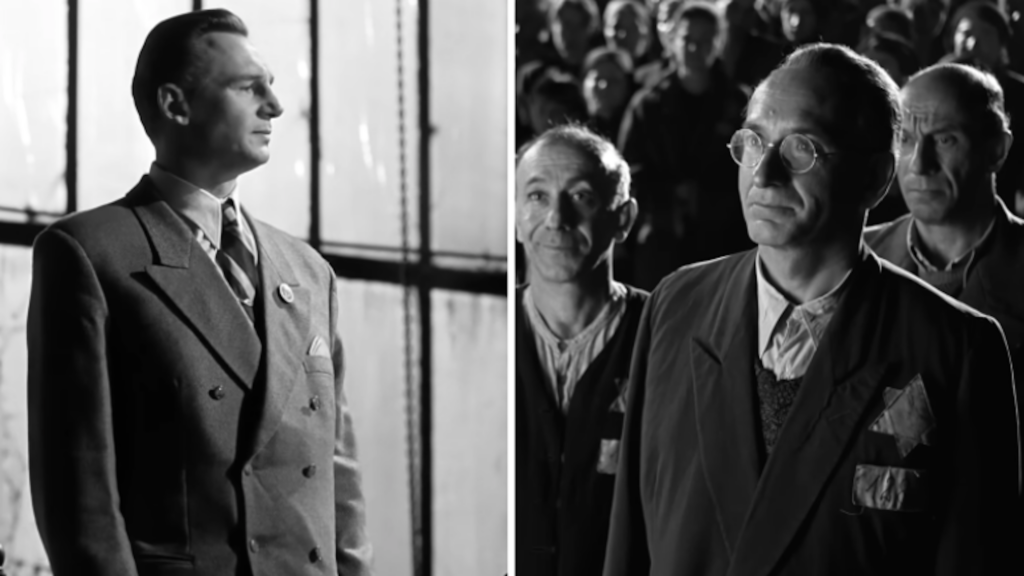
7. The Emotional Anchor of the Iconic Ring Sequence
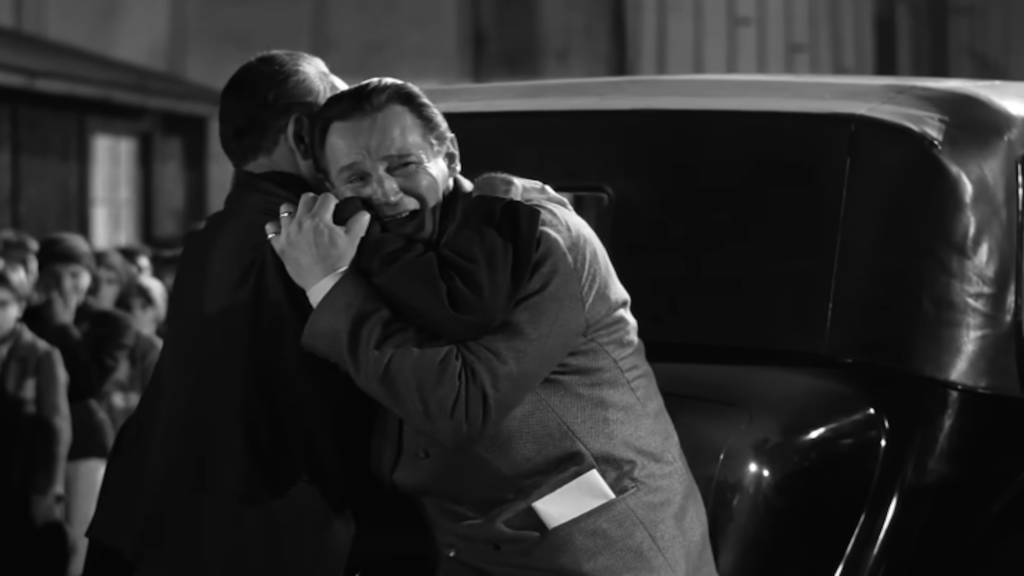
Upon receiving the inscribed ring from his workers at the end of the war, Schindler breaks down over the car and gold pin he could have traded to save just one more life. True character growth culminates in a shift of perspective where past achievements feel insignificant compared to what remains to be done, transforming a victorious escape into a poignant, deeply human moment of humility.