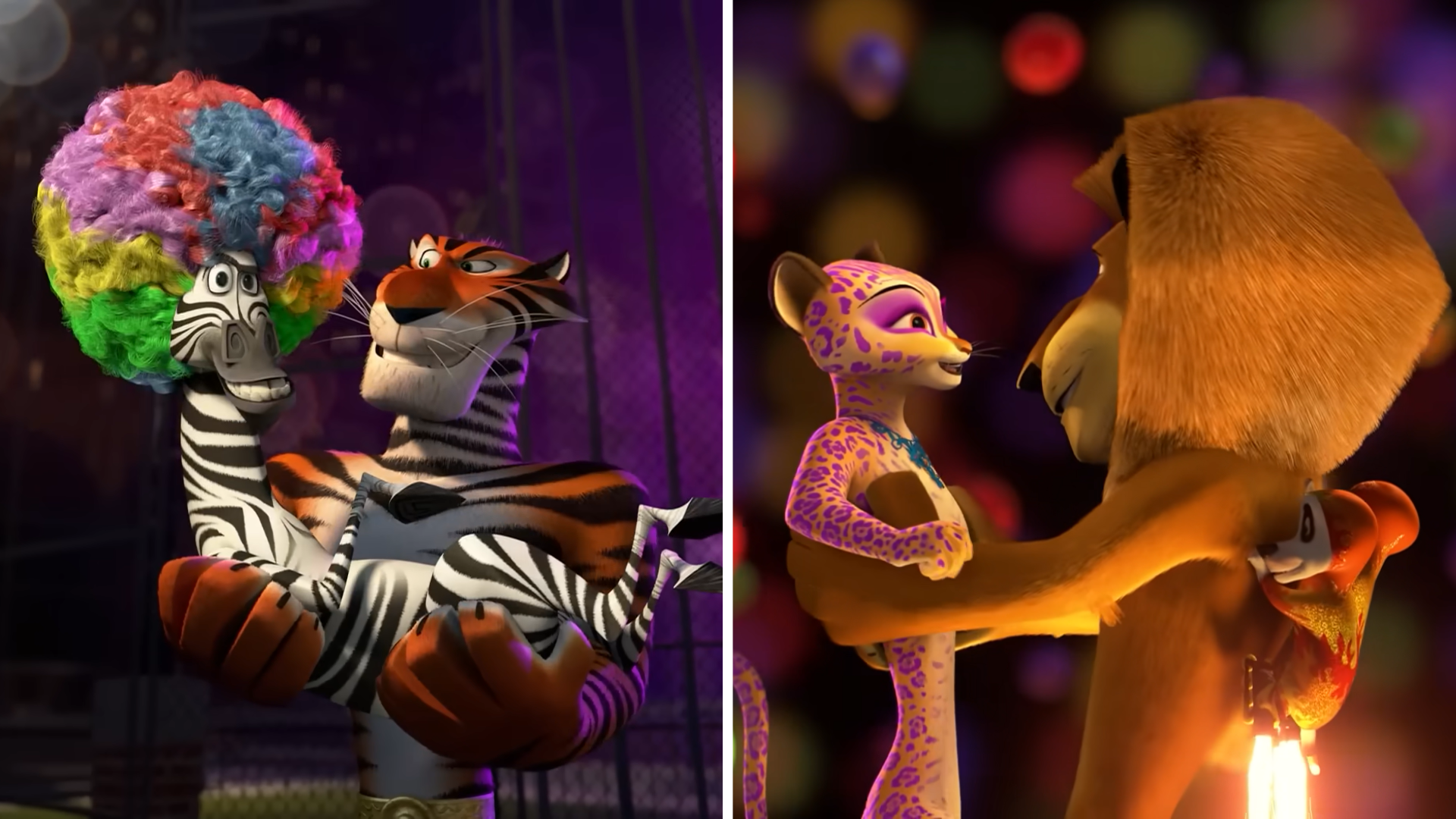
Madagascar 3: Europe’s Most Wanted (2012) does more than drop Alex, Marty, Gloria, and Melman into a traveling circus. When they arrive, Circus Zaragoza is stuck repeating acts that have lost their excitement, with its performers discouraged and its former star, Vitaly, unwilling to take the risks that once made him famous.
Alex’s solution is essentially a complete creative overhaul. DreamWorks approached that transformation in much the same way, drawing inspiration from modern circus while using animation to go beyond anything performers could physically attempt. The result turns a struggling traditional show into a colorful mix of aerial performance, music, effects, and impossible movement.
1. Vitaly represents a circus built around one star act
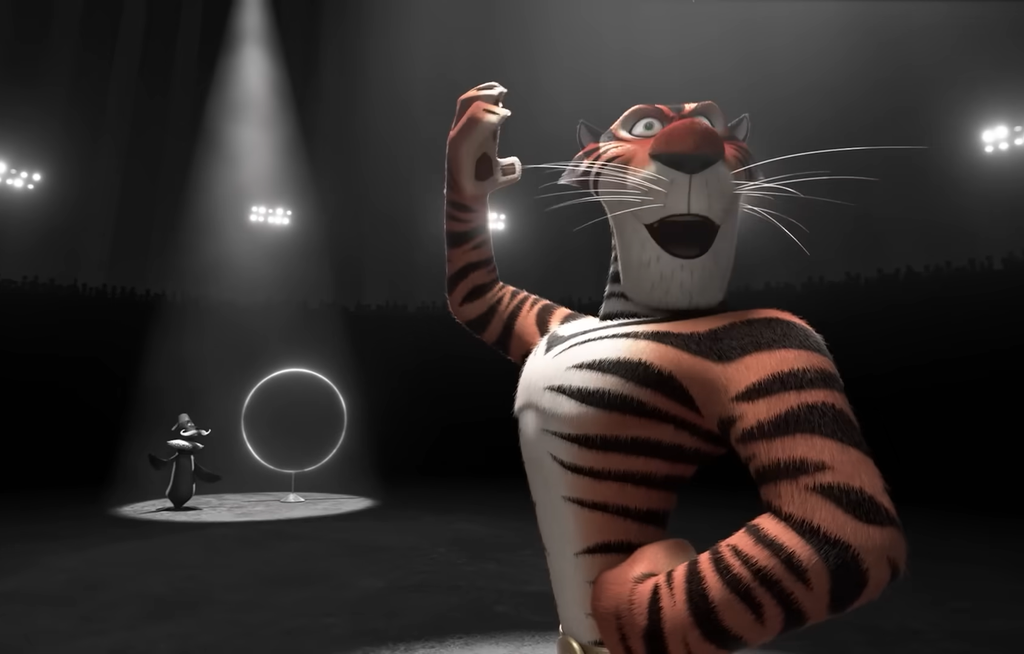
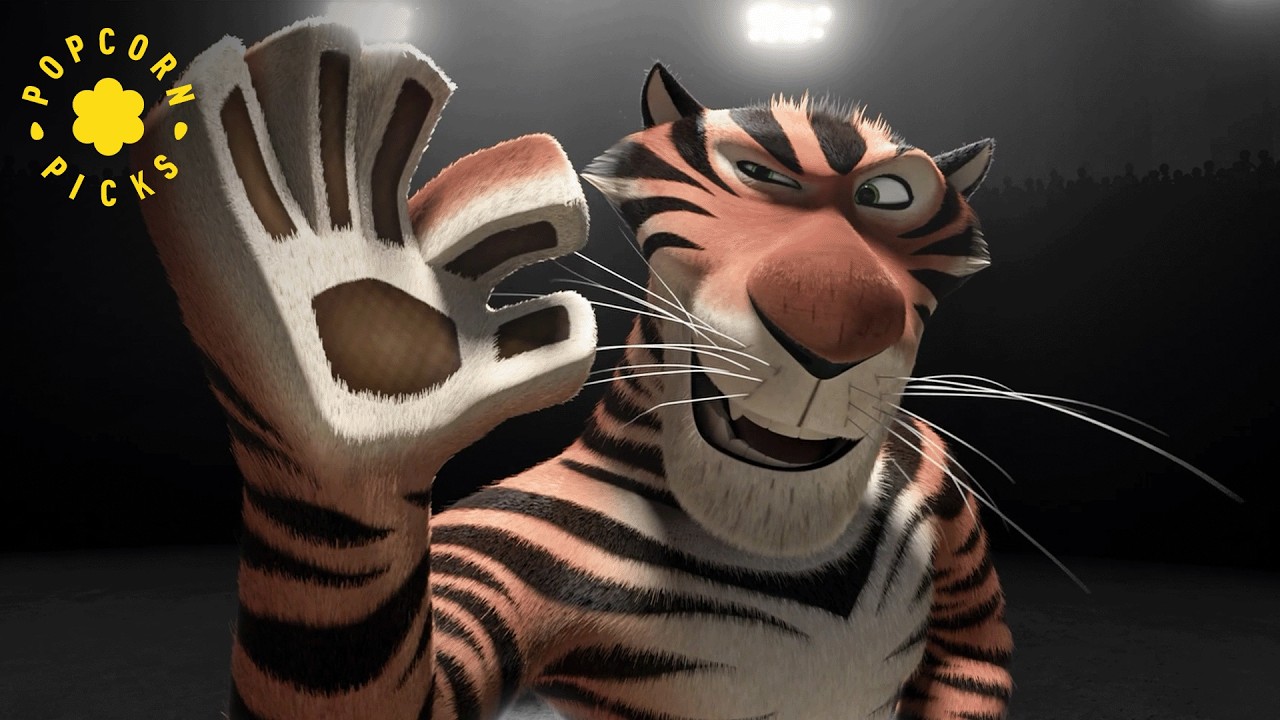
Vitaly’s flashback shows how much the old circus depended on a single performer and his signature stunt. He becomes famous by jumping through increasingly smaller flaming hoops, and the troupe’s confidence collapses after his career does. DreamWorks’ production notes describe Vitaly’s loss of courage as a major reason Circus Zaragoza declined, giving Alex something bigger to fix than simply one disappointing performance.
2. Making the same stunt harder stops being innovation
Vitaly keeps shrinking his flaming hoop because each success needs to top the previous one. Eventually, escalating the same idea becomes more dangerous than entertaining. Alex’s reinvention takes the opposite approach. Instead of asking the performers to repeat their old tricks at increasingly ridiculous levels, he encourages them to rethink what their talents can become. The circus improves once bigger stops, meaning merely riskier.
3. Cirque du Soleil inspired the movie’s modern circus
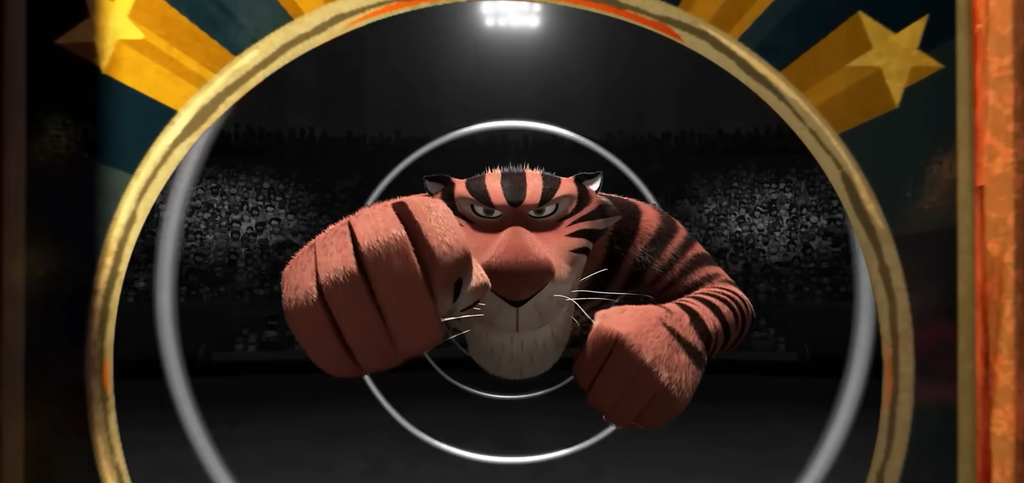
The filmmakers looked outside traditional circus while figuring out what Alex’s revamped show should become. Director Conrad Vernon recalled seeing Cirque du Soleil’s Iris and wondering how animation could go even further. Because Cirque performers were already accomplishing things that seemed almost cartoonish, DreamWorks responded by embracing abstraction, unusual transitions, and acts that would be physically impossible to stage in front of a real audience.
4. Alex replaces one star with an entire ensemble
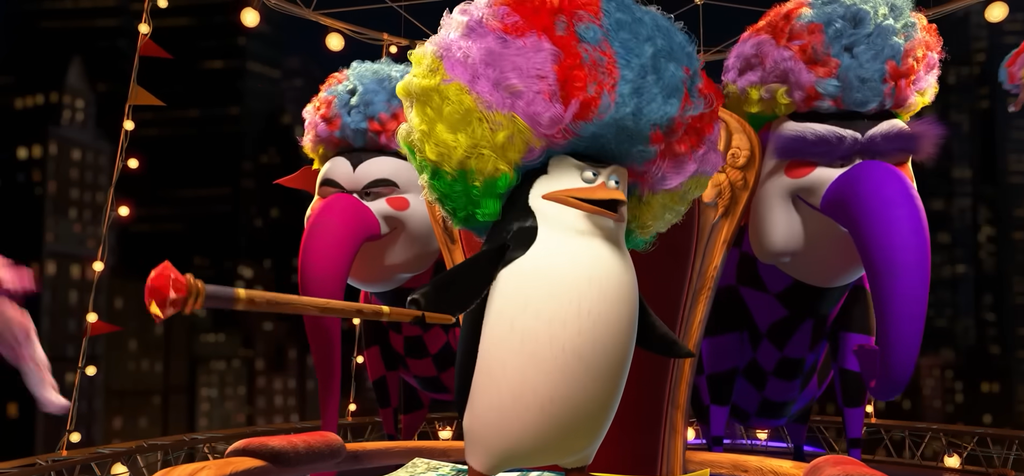
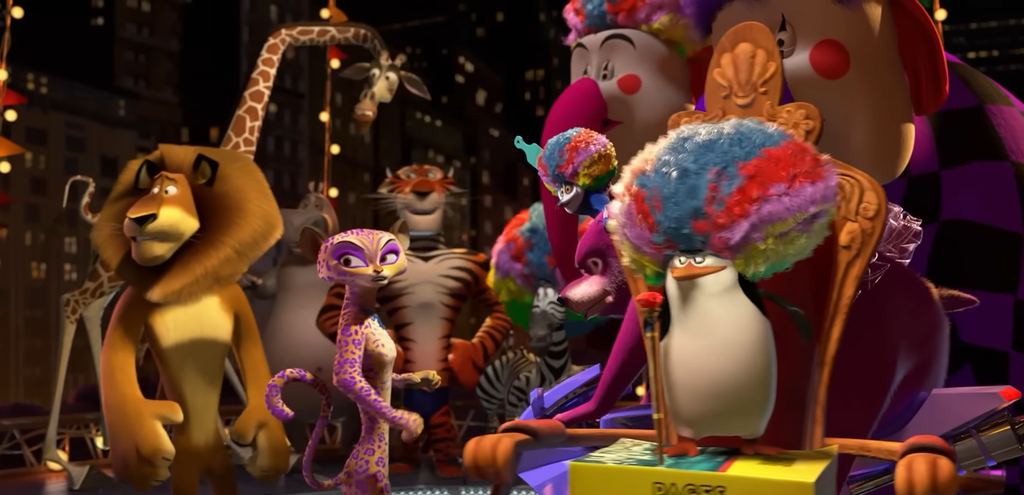
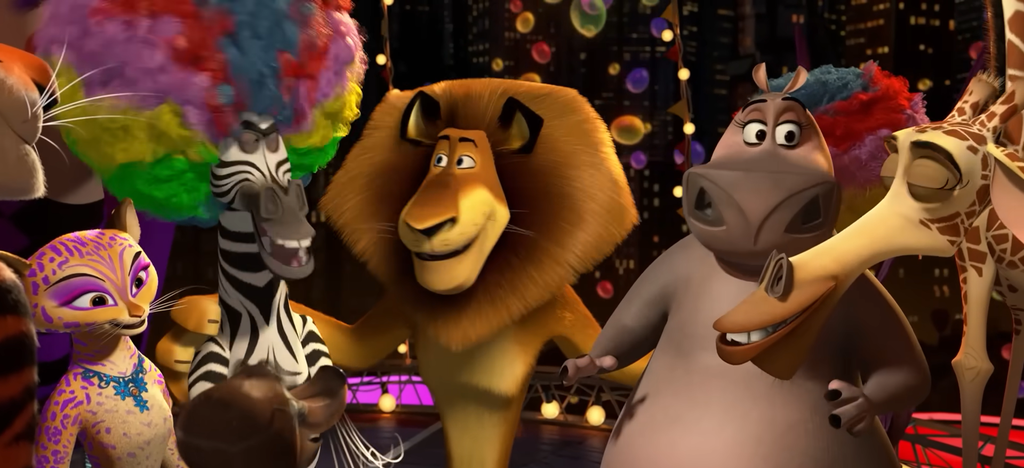
The old circus carries the shadow of Vitaly’s former fame, but the new show gives almost everyone a distinctive role. Gia, Marty, Gloria, Melman, and Vitaly contribute different kinds of movement instead of competing to become the next centerpiece. That makes the circus feel larger than any individual performer. Its new identity comes from combining wildly different talents into one show rather than relying on a single attraction.
5. The acts are built around the performers themselves
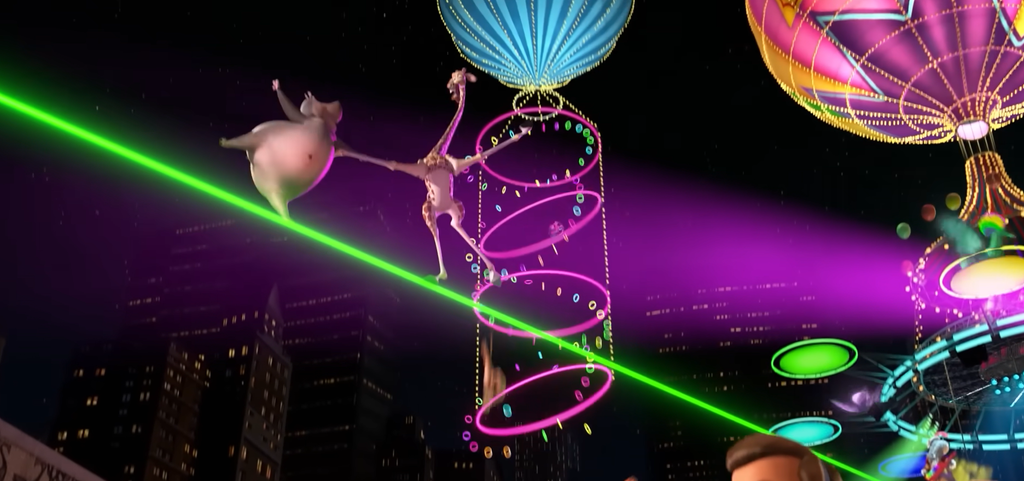
The production team developed circus ideas from the characters’ individual shapes and abilities. One concept placed Gloria and Melman across five elevated lines, allowing them to move through the space almost like notes across a musical staff. Rather than forcing every animal into recognizable circus routines, the designers asked what could only work with these particular characters and then exaggerated those qualities into something visually distinctive.
6. Animation lets the circus ignore real-world physics
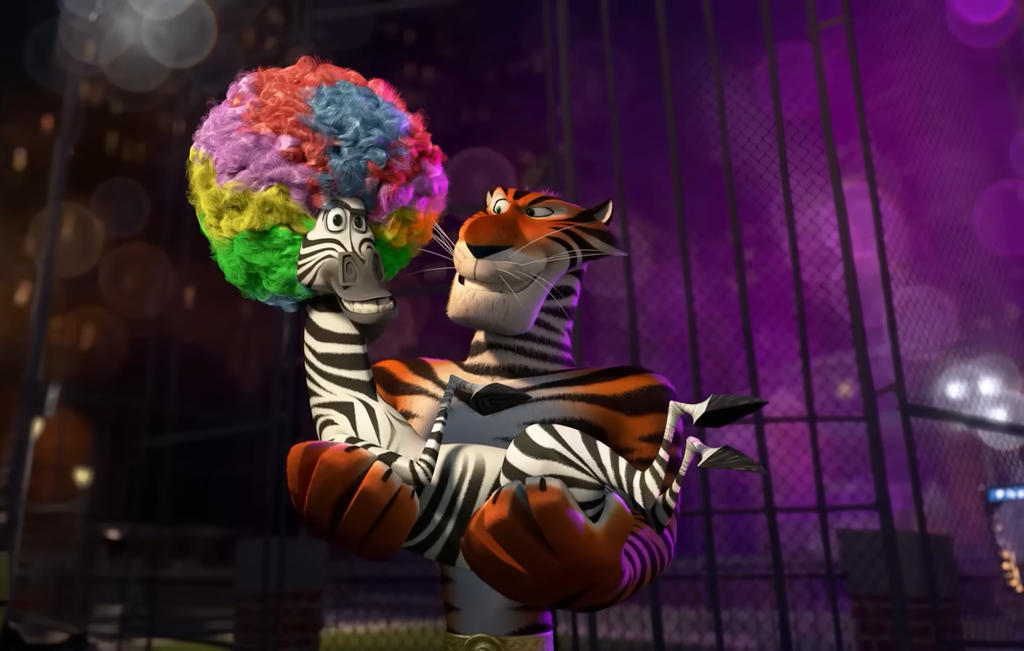
DreamWorks deliberately stopped treating physical possibility as a limitation. Vernon described using slow motion, fades, and other abstract techniques while designing feats that simply could not happen before a live audience. The approach turns animation into part of the circus itself. Alex is not merely improving traditional acts; the movie creates a type of performance that exists because animated characters and cameras are free from normal physical constraints.
7. The camera becomes another circus performer
Director Eric Darnell noted that a digital camera does not require cranes, dollies, or helicopters to move through the performance. It can travel anywhere the filmmakers want, making the entire three-dimensional arena available for staging. Performers can appear above, below, and around the viewer while the camera moves between them, turning the circus from something observed at a distance into something the movie seems to fly through.
8. Lighting and effects turn the show into an arena spectacle
The redesigned circus is filled with glowing effects, haze, sparks, fire, and saturated light, pushing it far beyond the presentation of the struggling troupe Alex first encounters. DreamWorks effects supervisor Scott Peterson said the team deliberately pursued exaggerated, absurd effects that matched the movie’s visual world. The result feels less like a collection of separate circus tricks and more like one enormous coordinated piece of entertainment.
9. The spectacle was enormous behind the scenes too
DreamWorks filled its major circus sequence with more than 5,000 individual crowd characters, reportedly the studio’s largest and most detailed crowd at the time. Producing the scene required about 1.6 million render hours, while Vitaly’s fire-heavy flashback required roughly 2.8 million. Those numbers reveal how much technical work went into making the circus feel dramatically bigger once the animals decide to reinvent it.
10. The new circus becomes more than something they perform
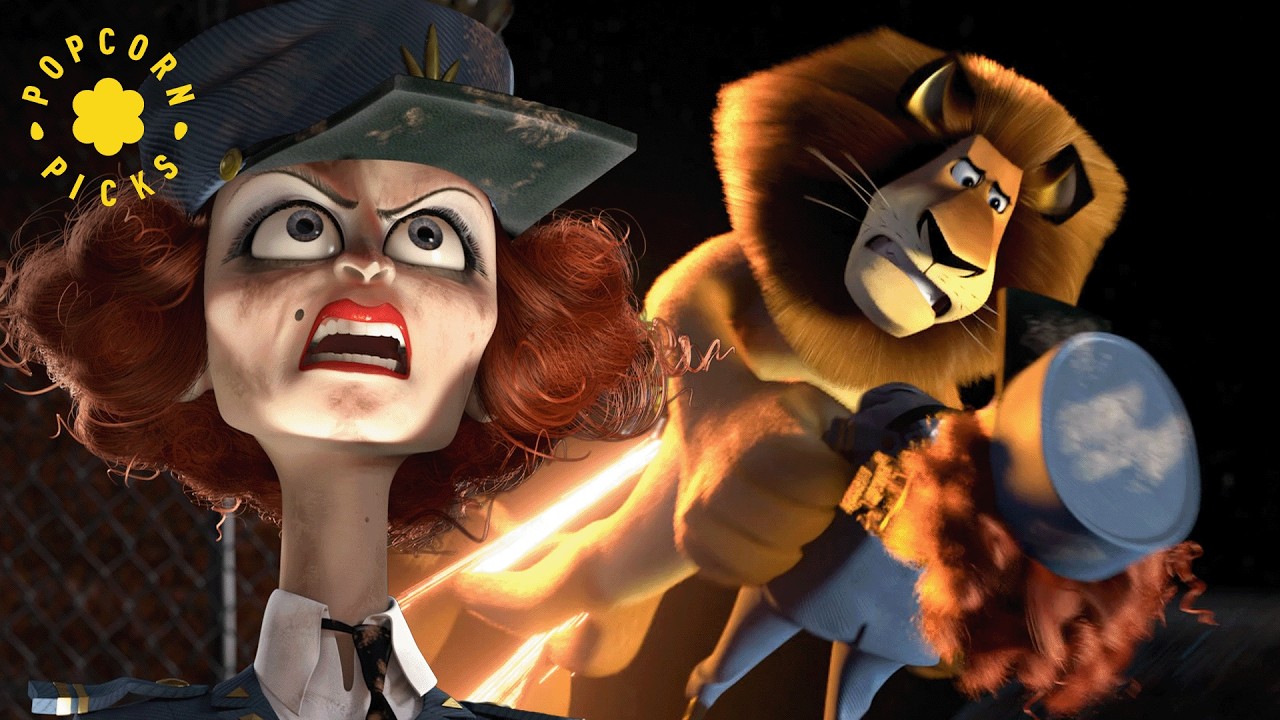
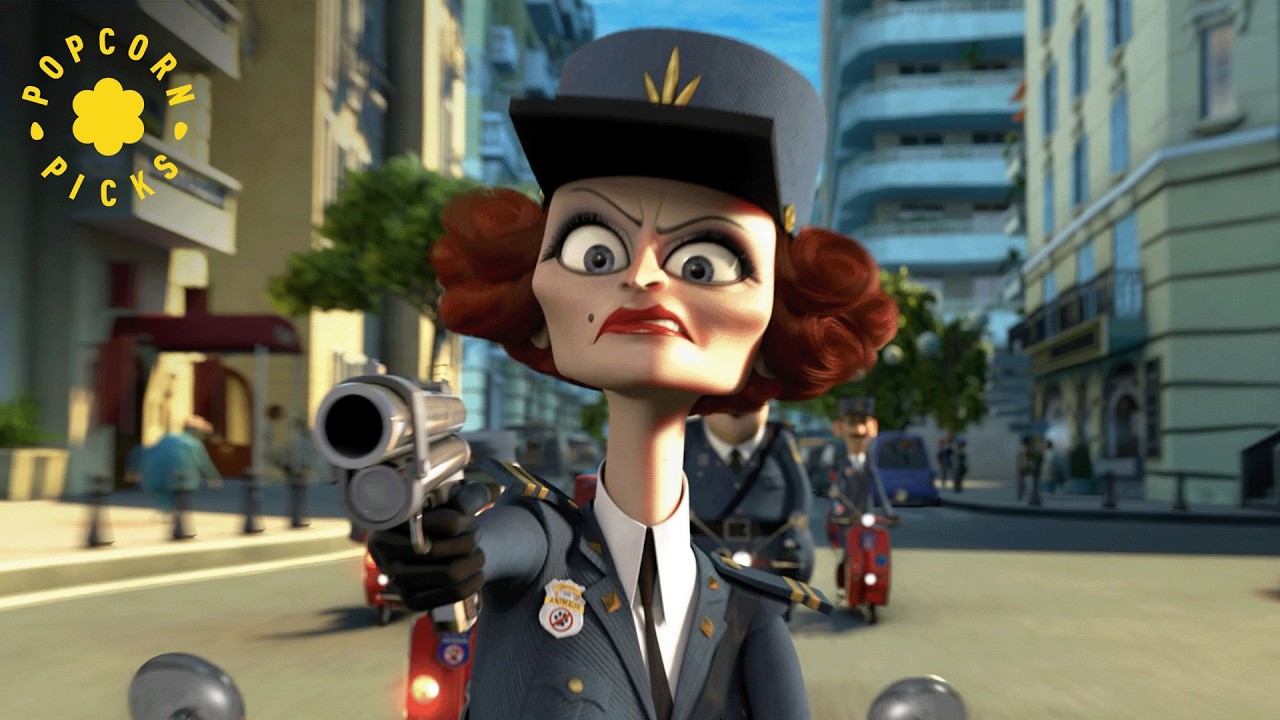
By the confrontation with DuBois, the troupe’s reinvention has become part of how the characters work together. Aerial movement, coordinated tricks, and the skills developed for their new show can now help them outside the circus ring. That makes Alex’s experiment feel lasting rather than temporary. He did not simply help Circus Zaragoza put on one successful performance; he gave its performers a new way of seeing what they could do together.
To Watch or Buy Magadascar 3: Europe’s Most Wanted click here: https://www.amazon.com/Madagascar-3-Europes-Most-Wanted/dp/B079K3CSRM